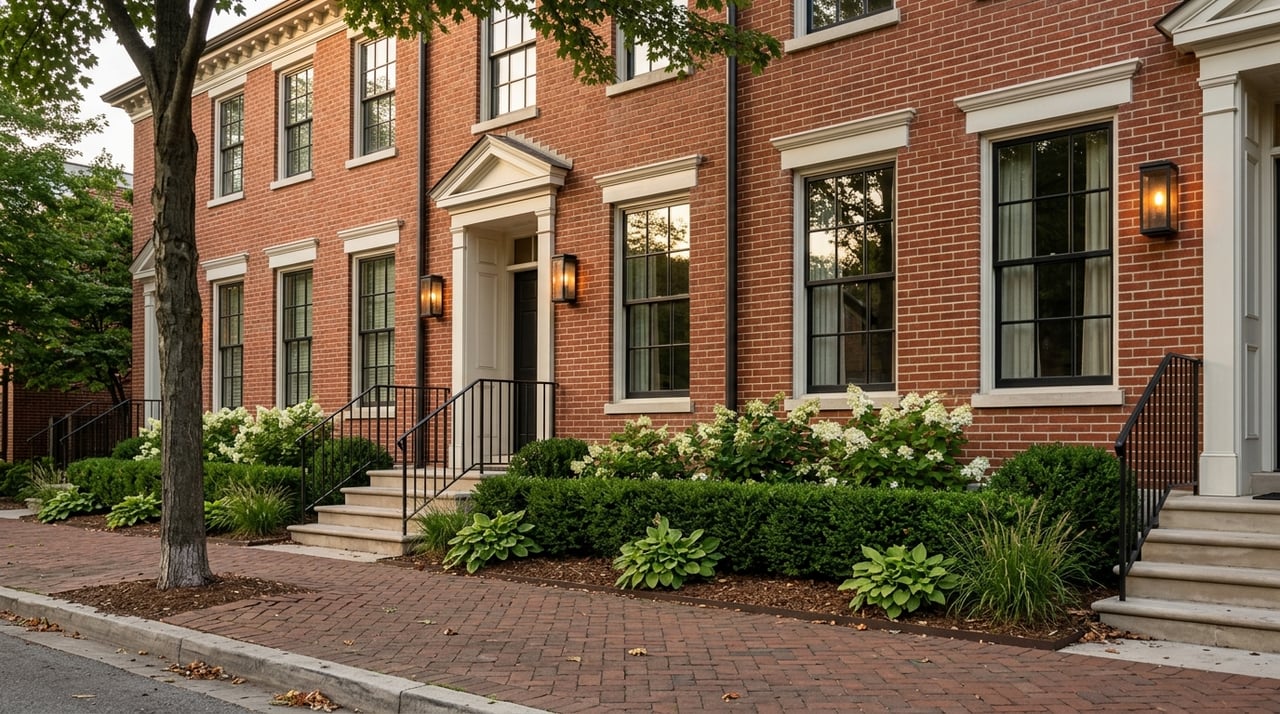
Curious why so many buyers ask about WestClay before they ask about square footage? In Carmel, some communities stand out because of how they look, but The Village of WestClay also stands out because of how it functions day to day. If you are trying to picture what it is actually like to live here, this guide will help you understand the rhythm, amenities, housing mix, and neighborhood feel that shape everyday life. Let’s dive in.
WestClay feels like a true village
The Village of WestClay was developed as a Traditional Neighborhood Development and an example of New Urbanism, with mixed housing styles, varied lot sizes, parks, green spaces, and paths. That planning approach shows up in the way the community feels when you move through it.
Instead of reading like a typical subdivision, WestClay is designed with a village center, neighborhood sections, amenity spaces, and everyday conveniences woven together. For many buyers, that creates a more connected, lived-in atmosphere where daily routines can happen closer to home.
Daily errands are close at hand
One of the biggest reasons WestClay feels different is how much you can do without leaving the community. The merchant mix includes places for dining, coffee, pharmacy needs, hardware runs, sweets, professional services, and health and wellness needs.
According to the Village merchant directory, the area includes Carmel Clay Public Library, Zing! Cafe, Sahm’s Ale House, Danny Boy Beer Works, Puccini’s Pizza and Pasta, Q’s Wine Bar, Fundae’s Ice Cream & Sweets, Greek’s Pizzeria, CVS Pharmacy, Benge’s Ace Hardware, Primrose Schools, and other service providers. That combination gives the area a practical, walkable feel instead of a purely residential one.
The Village Center adds a social core
WestClay’s center is not just a row of businesses. The Meeting House serves as a visual and social anchor, functioning as a gateway into the retail center and offering clubrooms and larger banquet halls for resident use and, in some cases, public rental.
That matters because it gives the community a civic heart. In everyday terms, it can make the center feel more like a gathering place and less like a convenience stop.
Recreation is built into the routine
For many residents, one of the biggest lifestyle advantages is how easy it is to stay active nearby. The community’s amenities include exercise rooms, outdoor pools, sport courts, a baseball diamond, fire pits, shelters, fishing on select ponds, and social clubs and groups.
The clubhouse network adds to that convenience. Goldwater Clubhouse includes a clubroom, full kitchen, and fitness center, while Provost Clubhouse includes a clubroom, weight room, cardio room, outdoor pool, kids’ wading pool, two tennis courts, and five pickleball courts. Webster Clubhouse adds another exercise room, giving residents several nearby options for exercise and casual recreation.
Paths and green space shape the atmosphere
WestClay also has a strong outdoor component, with open space and a network of walking paths noted by the owners association. While the exact path mileage varies across official sources, the broader point is clear: outdoor movement and green space are central to the design.
That shows up in the day-to-day feel of the neighborhood. Walks, bike rides, and time outside can feel like part of your normal routine rather than something that requires planning a drive elsewhere.
Community events help neighbors connect
Some neighborhoods offer amenities, but WestClay also leans into organized community life. The owners association highlights summer concerts, holiday festivities, special-interest clubs, neighborhood garage sales, school’s-out parties, bike and golf cart parades, annual meetings, and the Lighting of the Village.
If you like living in a place with a calendar of events, that can be a meaningful part of the appeal. It creates more chances for casual interaction and gives the neighborhood a more active social rhythm throughout the year.
Communication is structured and consistent
Another part of everyday life here is the communication system behind the scenes. Residents receive a Friday email with Village news, reminders, and upcoming events, a Monday bulletin with merchant promotions, and a monthly resident magazine.
That level of communication can make the community feel organized and informed. Instead of wondering what is happening around you, there is a regular flow of updates that helps residents stay connected to neighborhood life.
WestClay has a managed, attentive feel
The owners association also notes that security officers are present in the Village at least six hours a day, seven days a week, with 24/7 phone and text contact available. Along with resident communications and amenity oversight, that contributes to a neighborhood environment that feels actively managed.
For some buyers, that kind of structure is a major plus. It can signal that the community is intentional about operations, upkeep, and responsiveness.
Housing styles are varied, not one-note
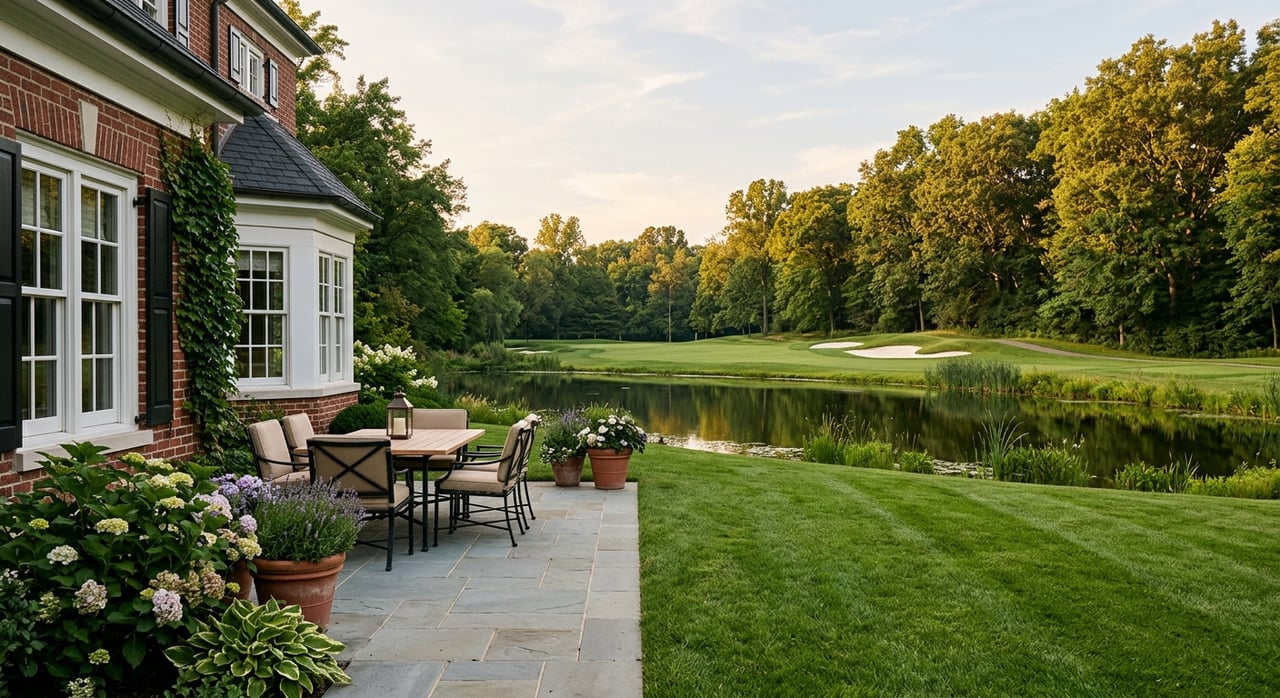
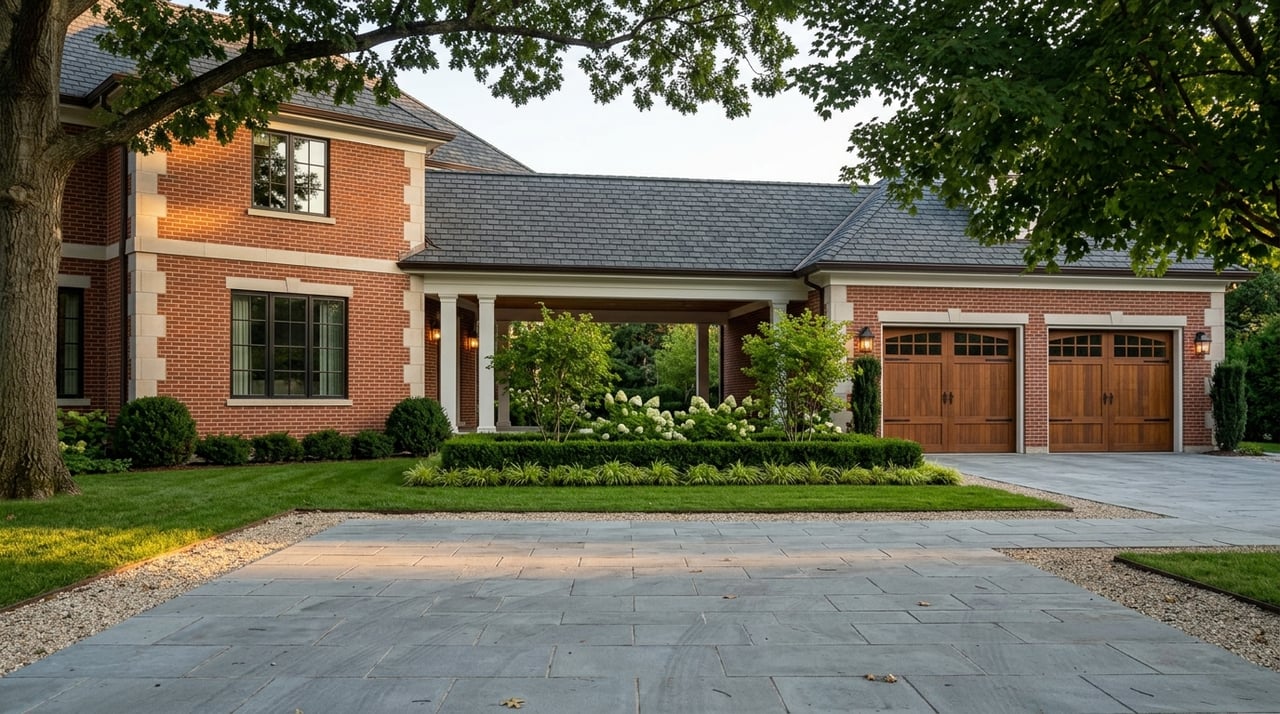
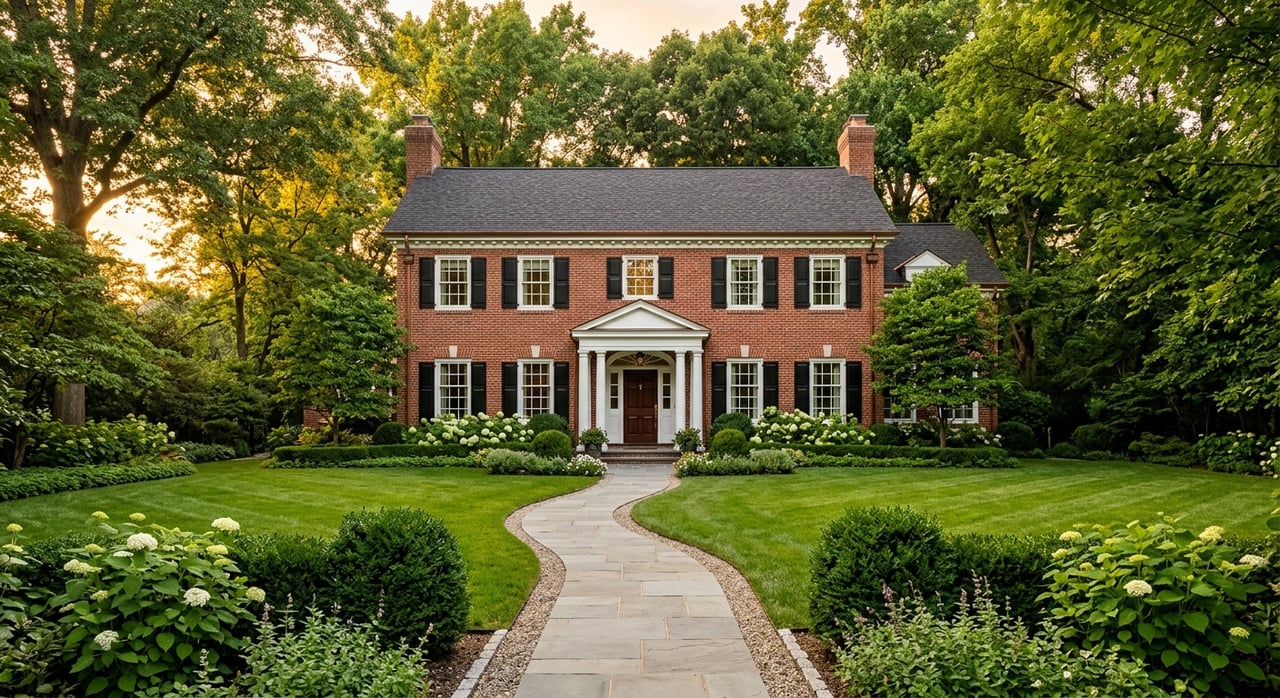
If you are picturing one repetitive home style, WestClay is more varied than that. The owners association describes the architecture as predominantly Federal, Greek Revival, Italianate, and Gothic Revival, with some later Victorian influences.
That variety helps explain why the neighborhood can feel polished without feeling identical block to block. The architectural mix adds visual interest and gives different sections of the community their own personality.
Neighborhood sections offer different lifestyles
WestClay is also made up of distinct areas rather than one uniform product type. Bellingrath, Chelmsford, Leighton, Frogmore, and Southlake feature estate homes, while Uptown blends businesses and townhomes. The Villas are positioned as a low-maintenance section, and West Village includes townhomes.
Several sections are within walking distance of the Village Center or an amenity center, while some southern neighborhoods border the Village nature trail and Coxhall Park. For buyers, that means your experience of WestClay may vary depending on whether you want estate-style living, low-maintenance convenience, or a location closer to shops and gathering spaces.
Home options go beyond detached houses
WestClay is often associated with higher-end detached homes, but the community presents a broader housing story. The owners association’s home search information points to homes for sale, homes for lease, and apartments within the community.
That matters because it shows WestClay is a multi-product lifestyle community. Whether you are exploring ownership now or trying to understand the area for a future move, the range of housing types expands who may find the neighborhood appealing.
Carmel adds even more lifestyle appeal
Part of what shapes life in WestClay is its Carmel setting. Carmel’s official site notes more than 240 miles of trails and paths, more than 1,000 acres of parks and green spaces, more than 200 free public events each year, and pedestrian-friendly developments that encourage people to spend time outside.
Carmel is also recognized as a Silver Level Bicycle Friendly City, and the Monon Greenway is a major part of the city’s trail culture. For WestClay residents, that broader city context can add even more opportunities for recreation, events, and active living beyond the neighborhood itself.
Who tends to love living in WestClay
WestClay often appeals to buyers who want more than a house alone. If you value walkability, nearby dining and errands, community events, recreation close to home, and a neighborhood with a distinct identity, this community can check a lot of boxes.
It may also appeal to buyers who want architectural character and a choice of housing types within one cohesive setting. The combination of village-style planning, amenities, and Carmel access gives WestClay a lifestyle-first feel that is hard to replicate in more conventional neighborhoods.
Why this matters when you are house hunting
When you tour homes, it is easy to focus only on finishes, layout, and price. But in a place like WestClay, the bigger value may come from how your day actually works once you live there.
A community with dining, services, gathering spaces, recreation, and events built into the neighborhood can shape your routine in ways a listing sheet cannot fully capture. That is why understanding everyday life is such an important part of deciding whether WestClay is the right fit for you.
If you are thinking about buying or selling in WestClay or anywhere in Carmel, working with a team that understands neighborhood-level differences can make your next move much clearer. VIP Home Client LLC can help you evaluate lifestyle fit, pricing, and local market strategy with the kind of detail that matters.
FAQs
What is the Village of WestClay in Carmel, Indiana?
- The Village of WestClay is a Carmel community that opened in 2000 as a Traditional Neighborhood Development with mixed housing styles, parks, green spaces, paths, amenities, and a village-style center.
What kinds of amenities are available in the Village of WestClay?
- Official community sources describe exercise rooms, outdoor pools, sport courts, a baseball diamond, fire pits, shelters, fishing on select ponds, clubhouses, and social clubs and groups.
What kinds of homes are in the Village of WestClay?
- The community includes estate homes, townhomes, low-maintenance villas, homes for lease, and apartments, with architecture influenced by Federal, Greek Revival, Italianate, Gothic Revival, and some Victorian styles.
Is the Village of WestClay walkable for daily errands?
- The merchant mix includes dining, coffee, pharmacy, hardware, library access, and service providers, which supports a more walkable and convenient daily routine for many residents.
Are there community events in the Village of WestClay?
- Yes. Official community information highlights summer concerts, holiday festivities, garage sales, school’s-out parties, bike and golf cart parades, annual meetings, and seasonal celebrations like the Lighting of the Village.
How does Carmel add to life in the Village of WestClay?
- Carmel offers an active backdrop with extensive trails and paths, parks and green spaces, pedestrian-friendly development, and more than 200 free public events each year.