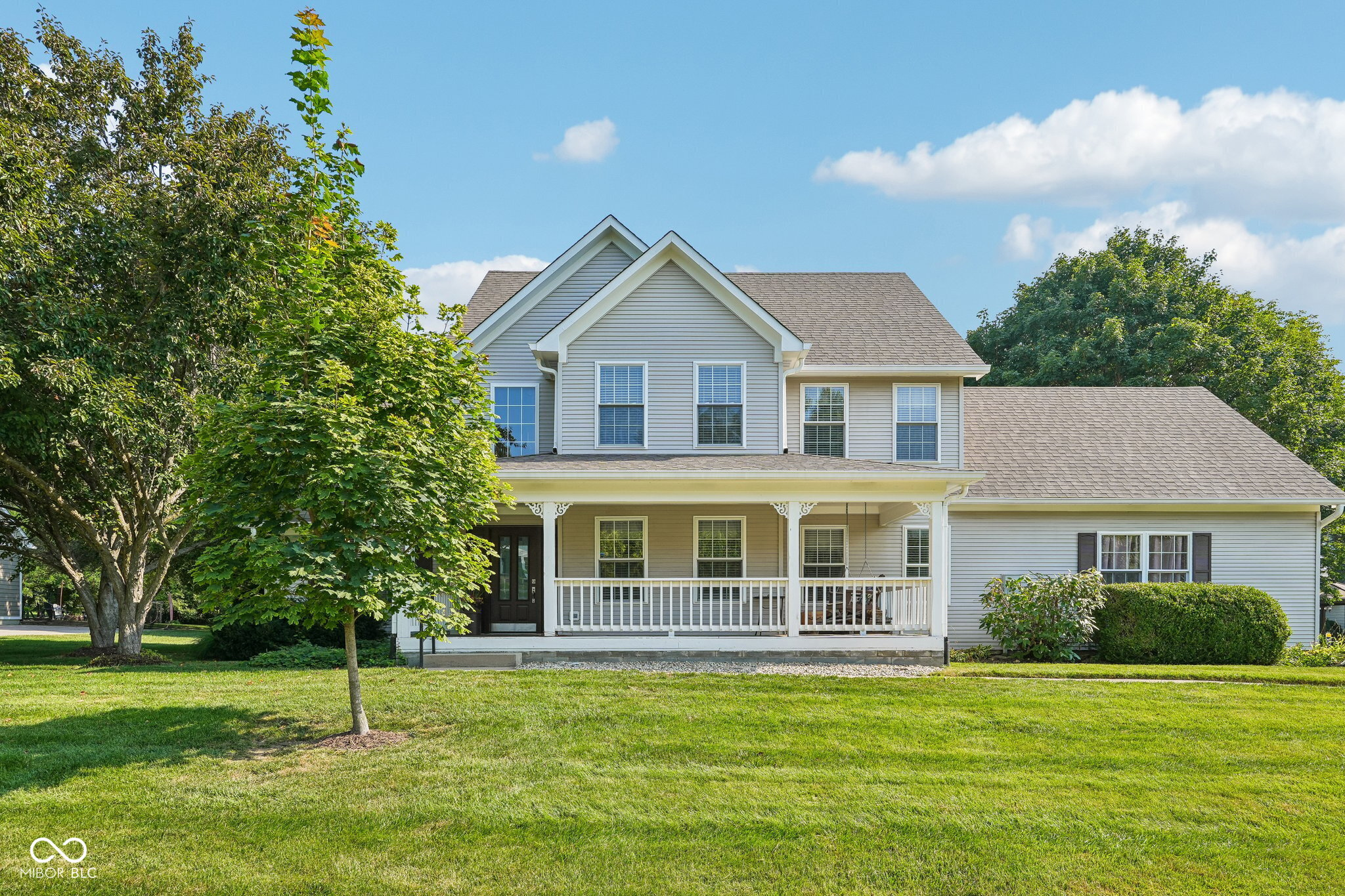
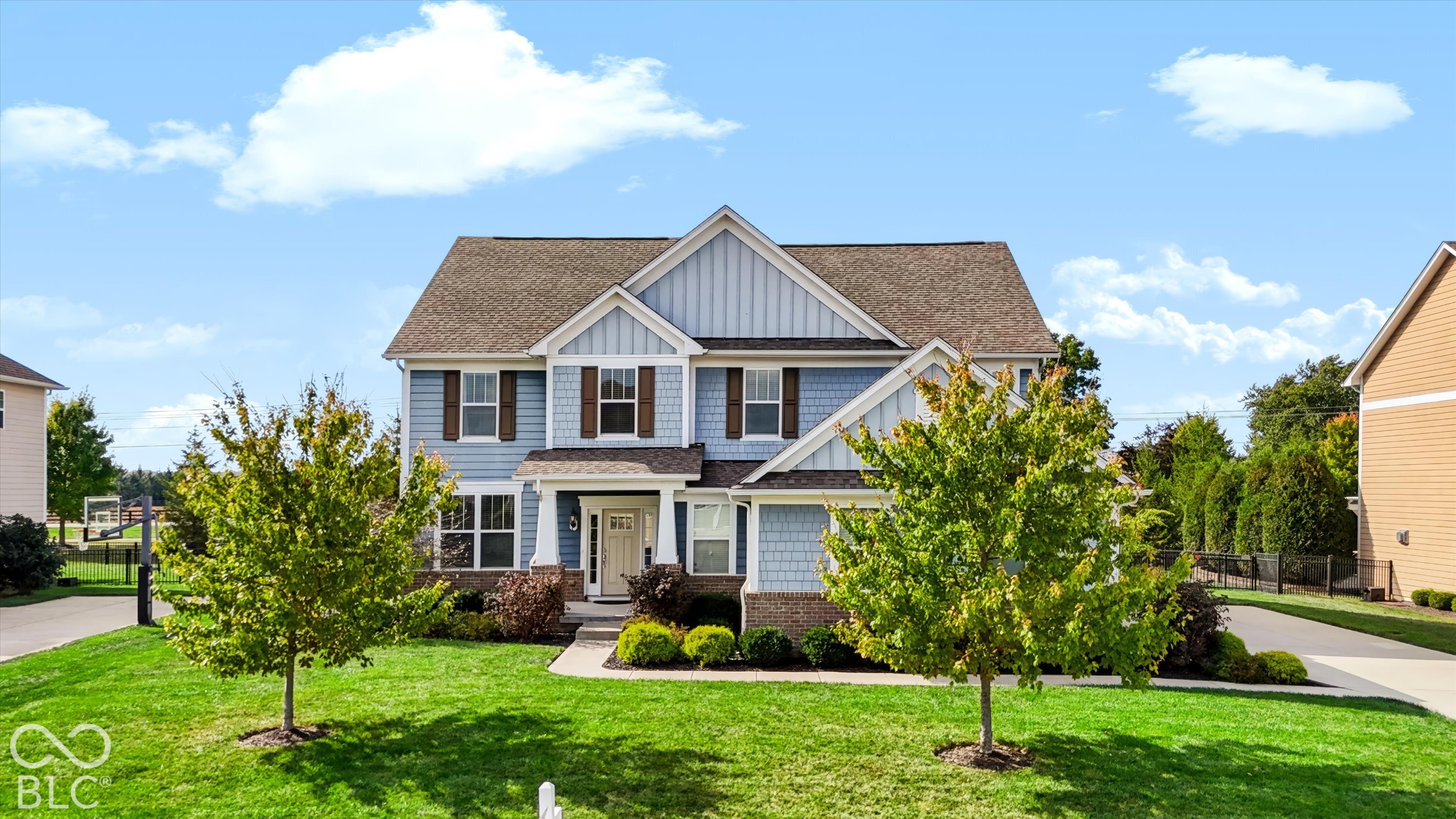
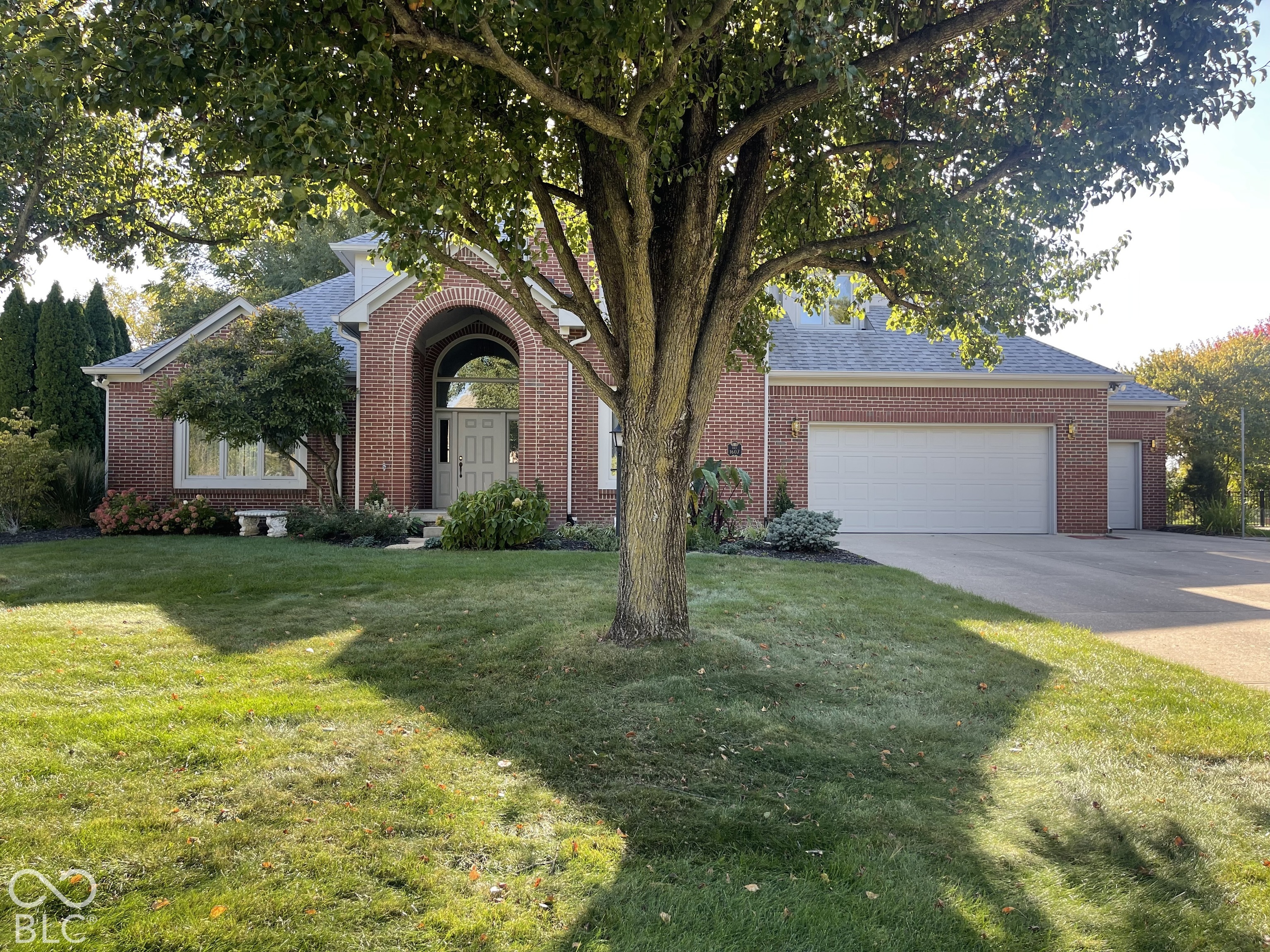
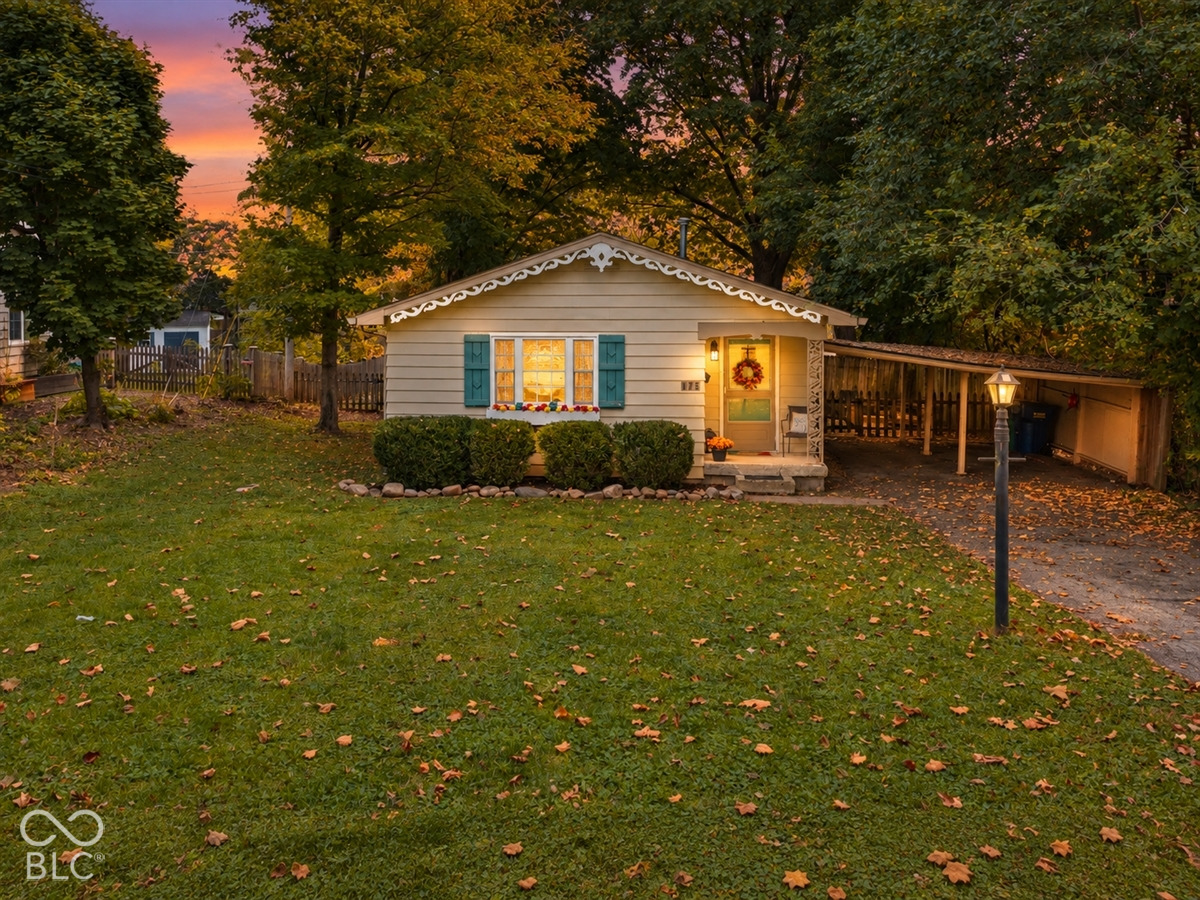
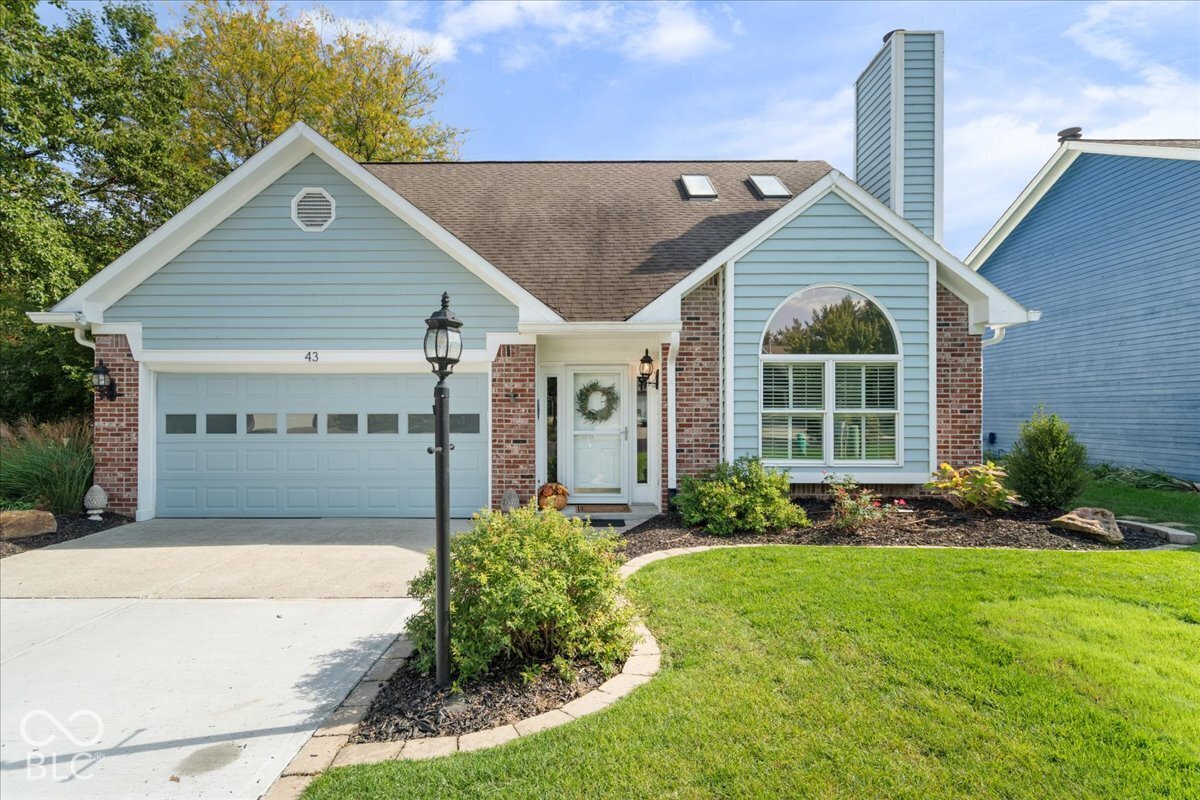
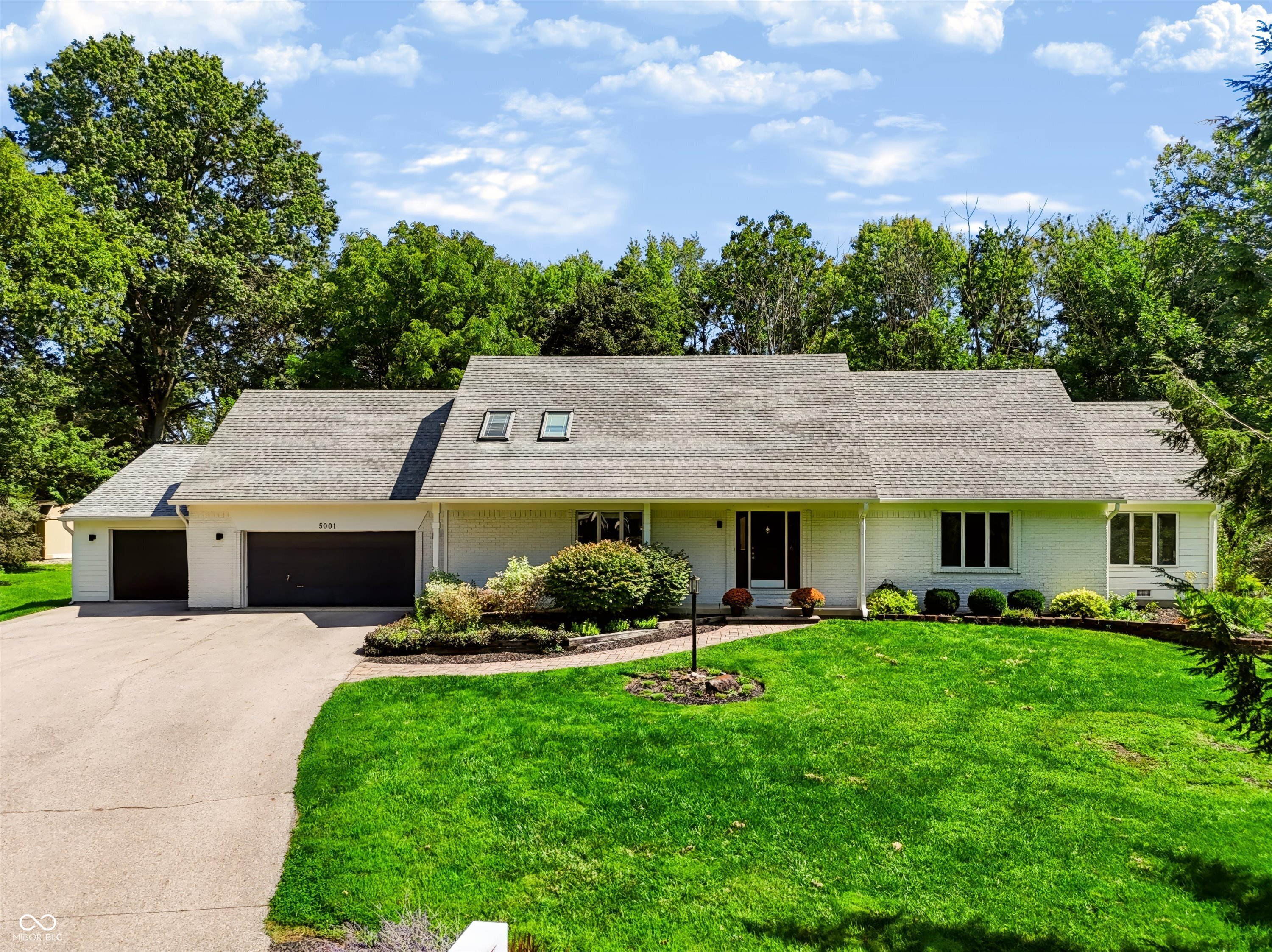
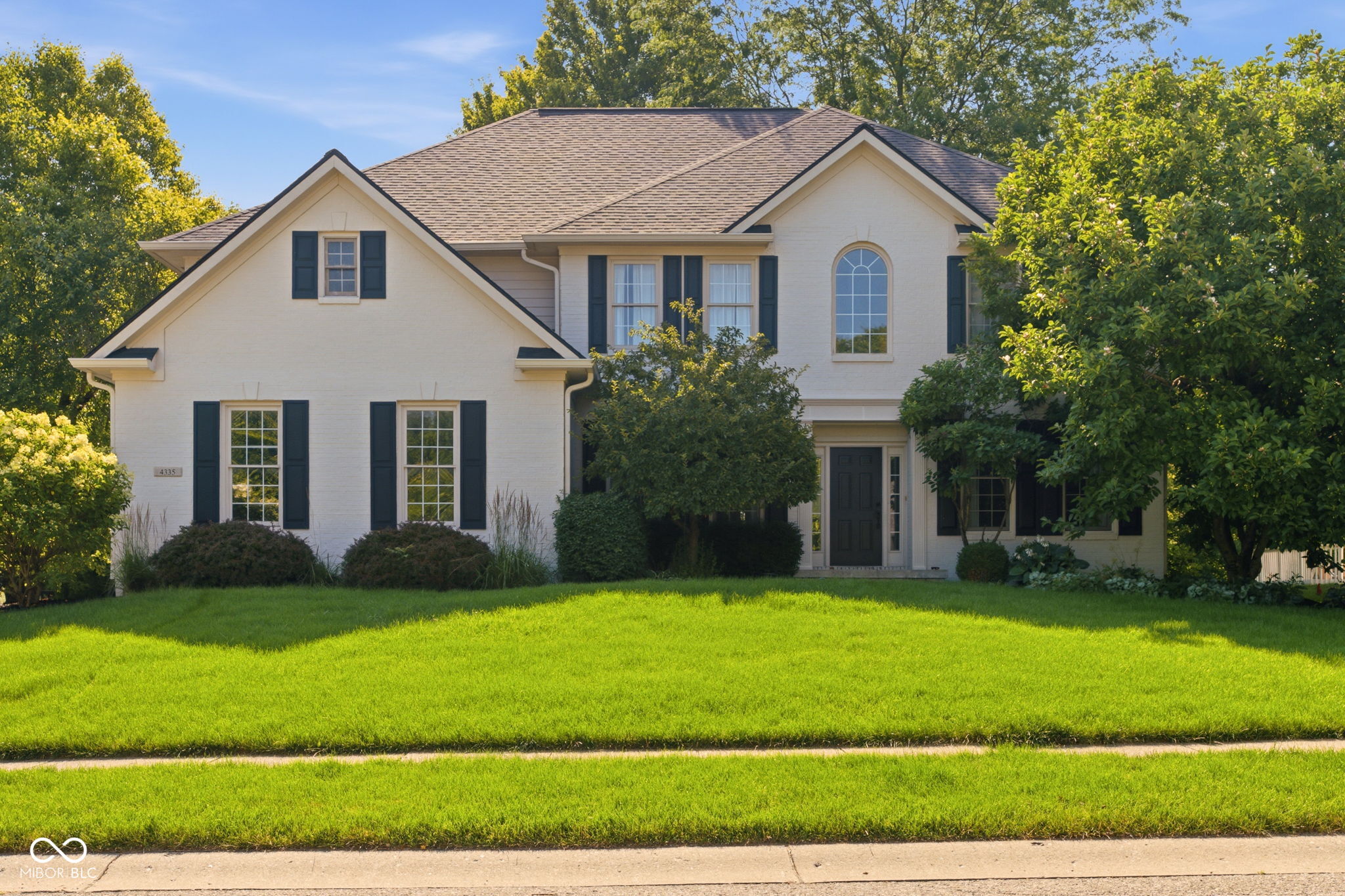
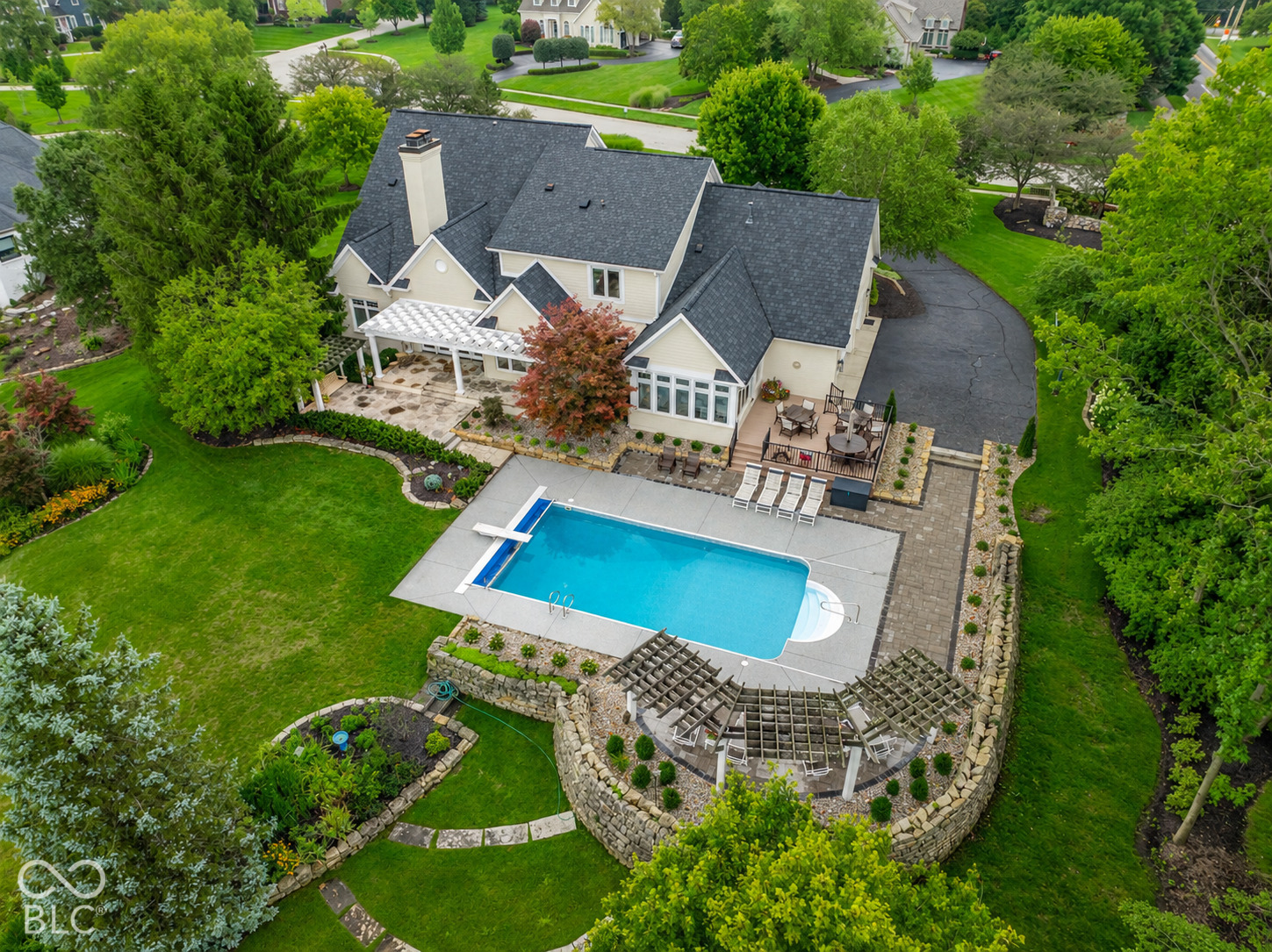
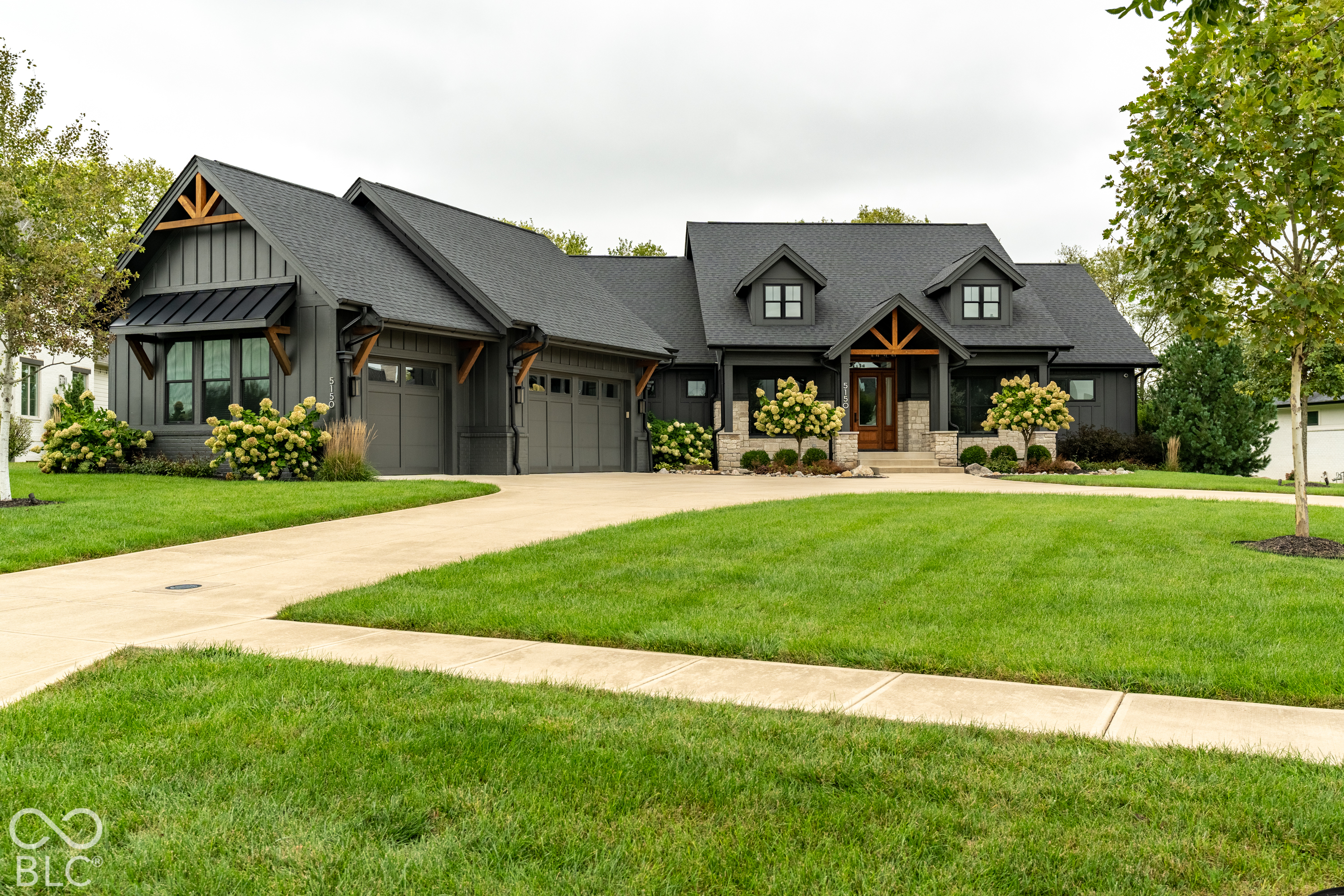
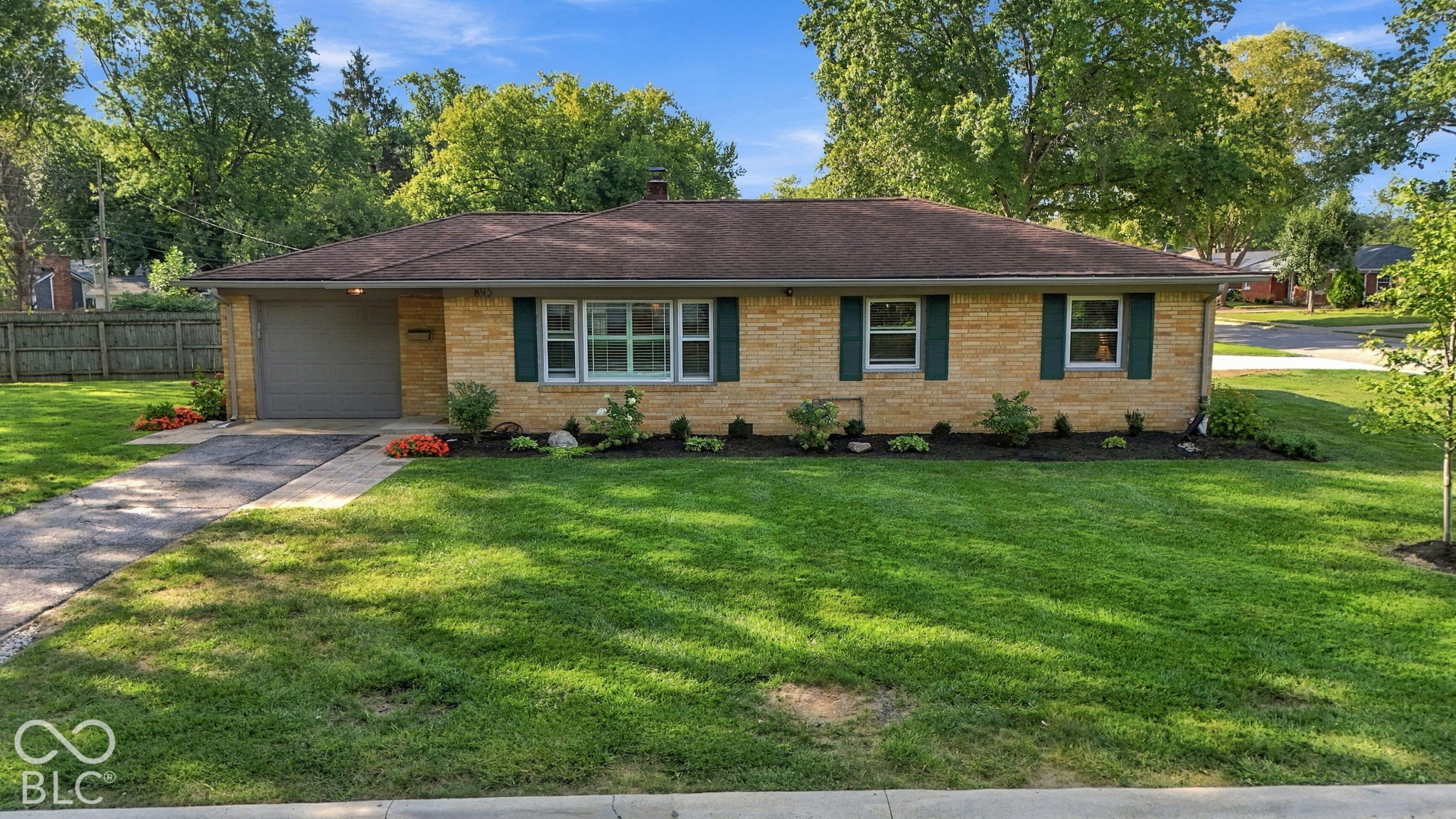
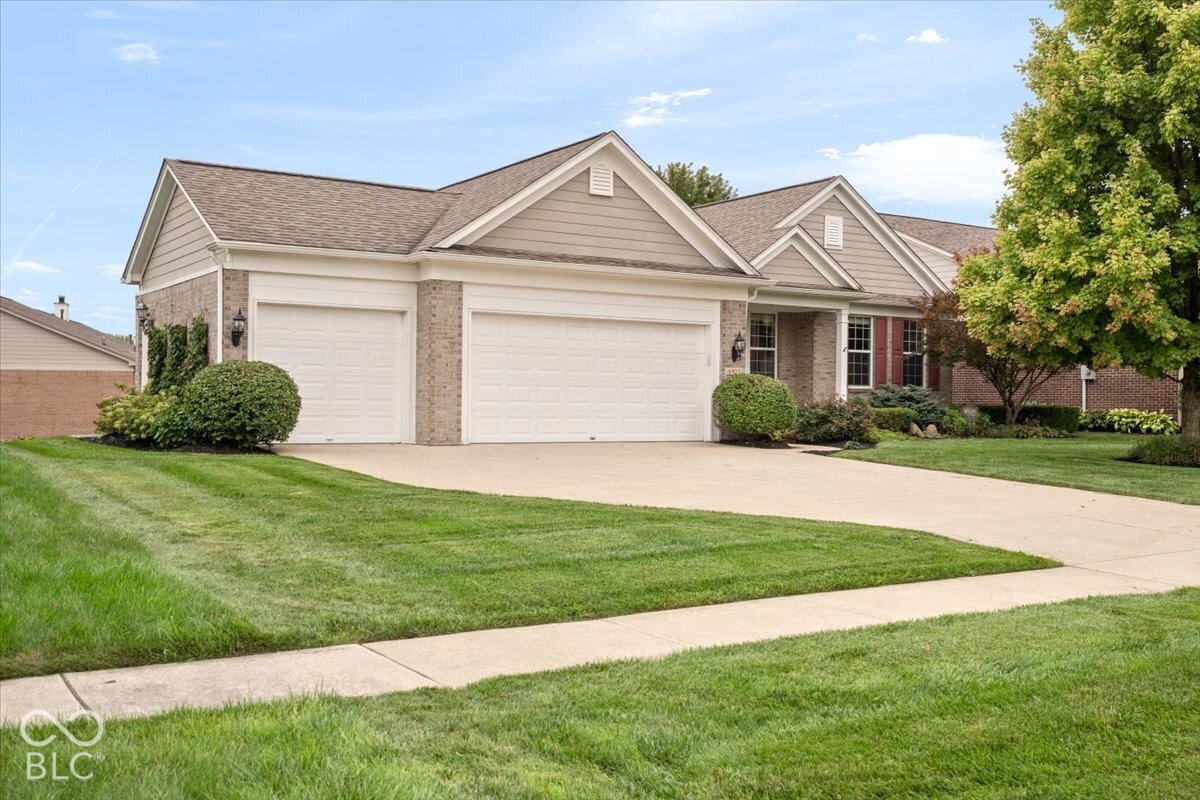
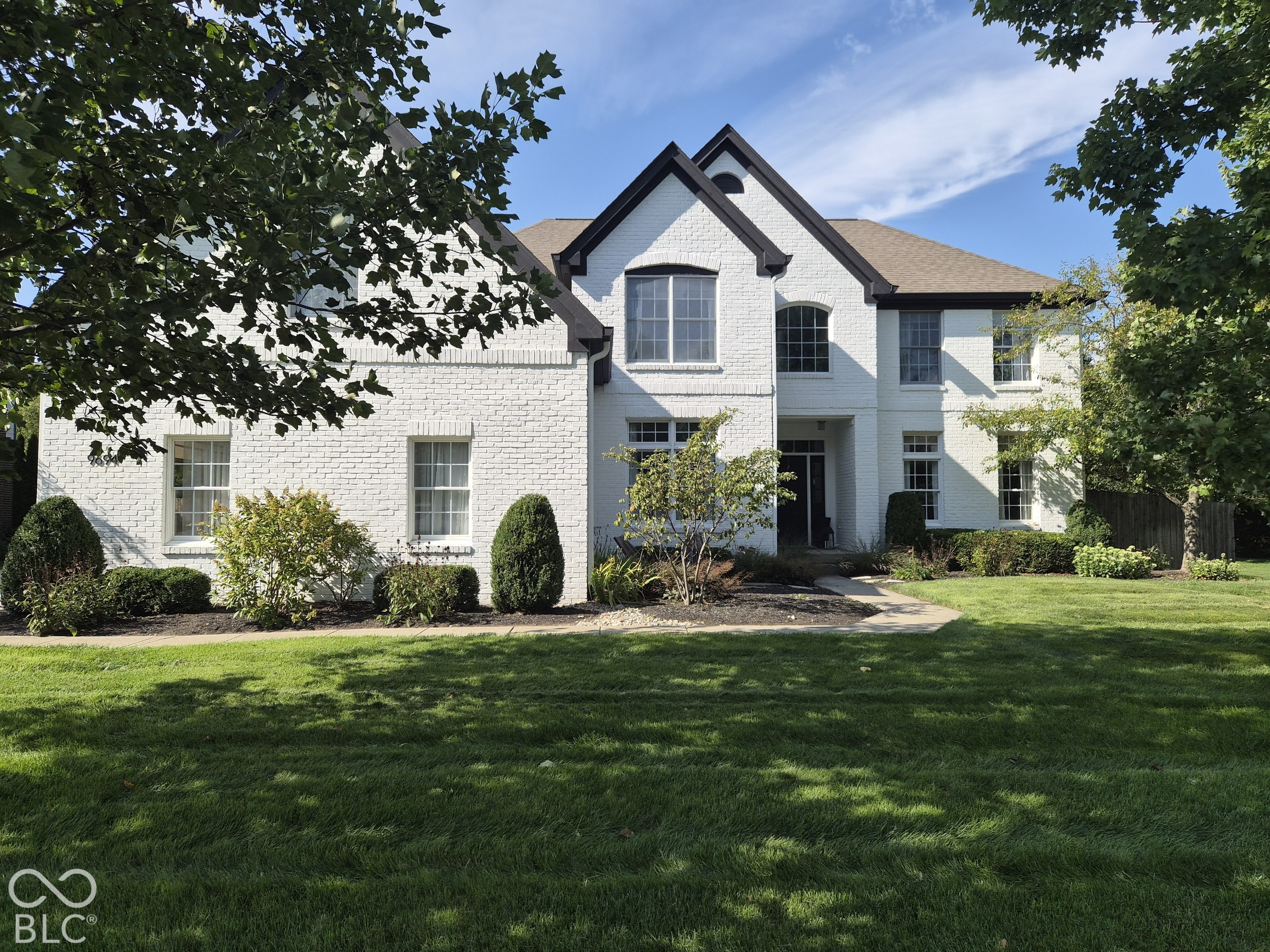
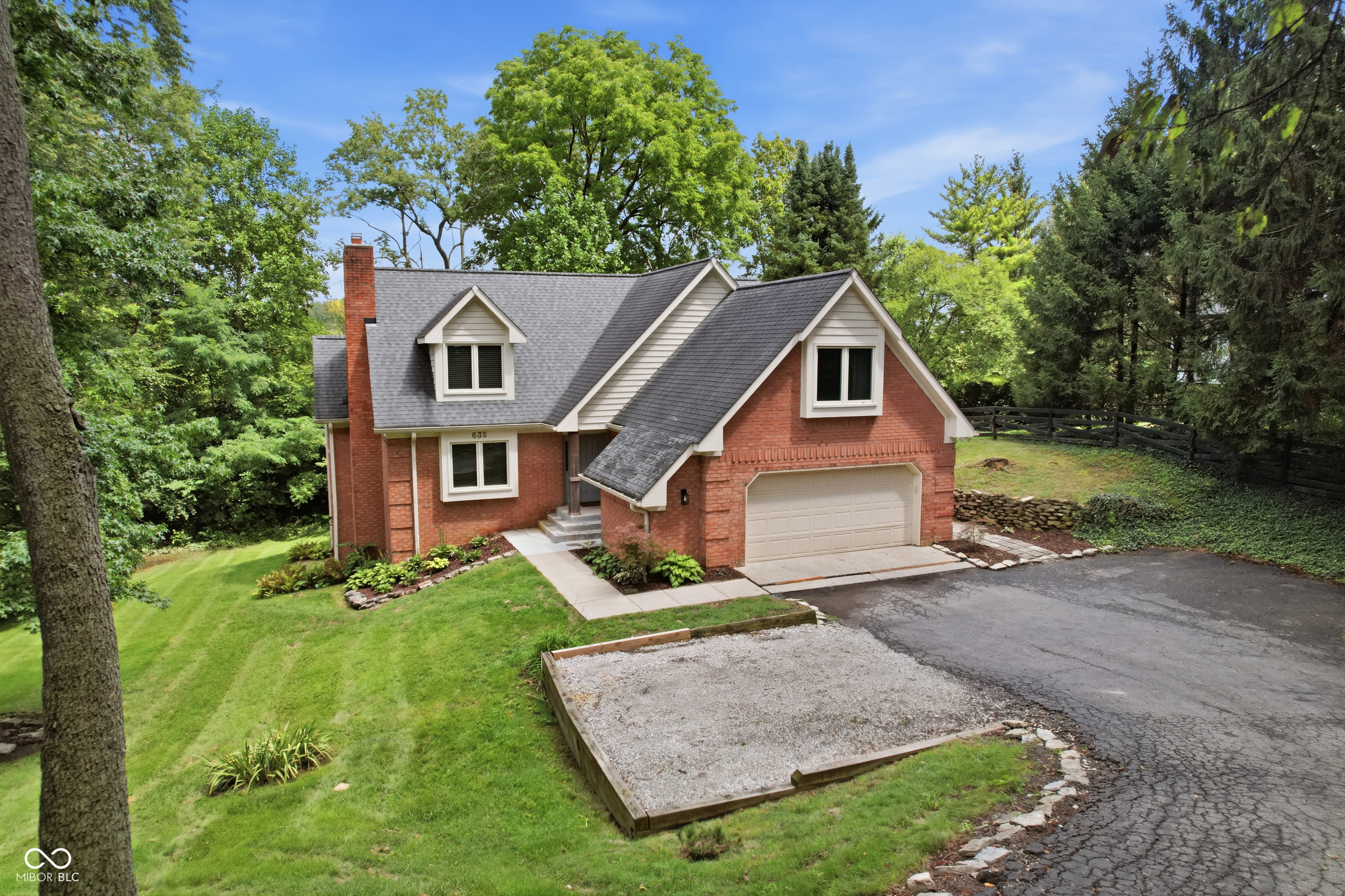
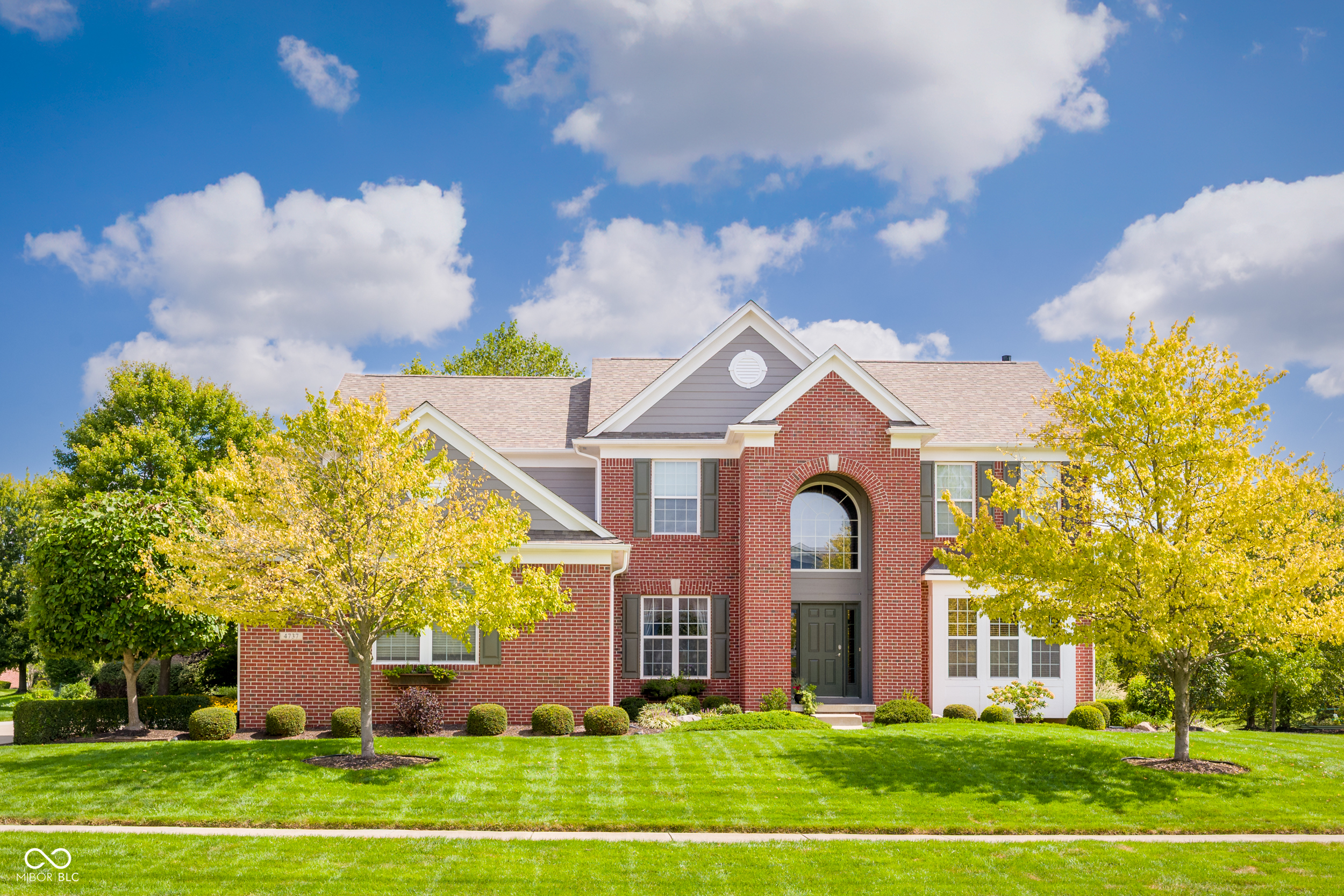
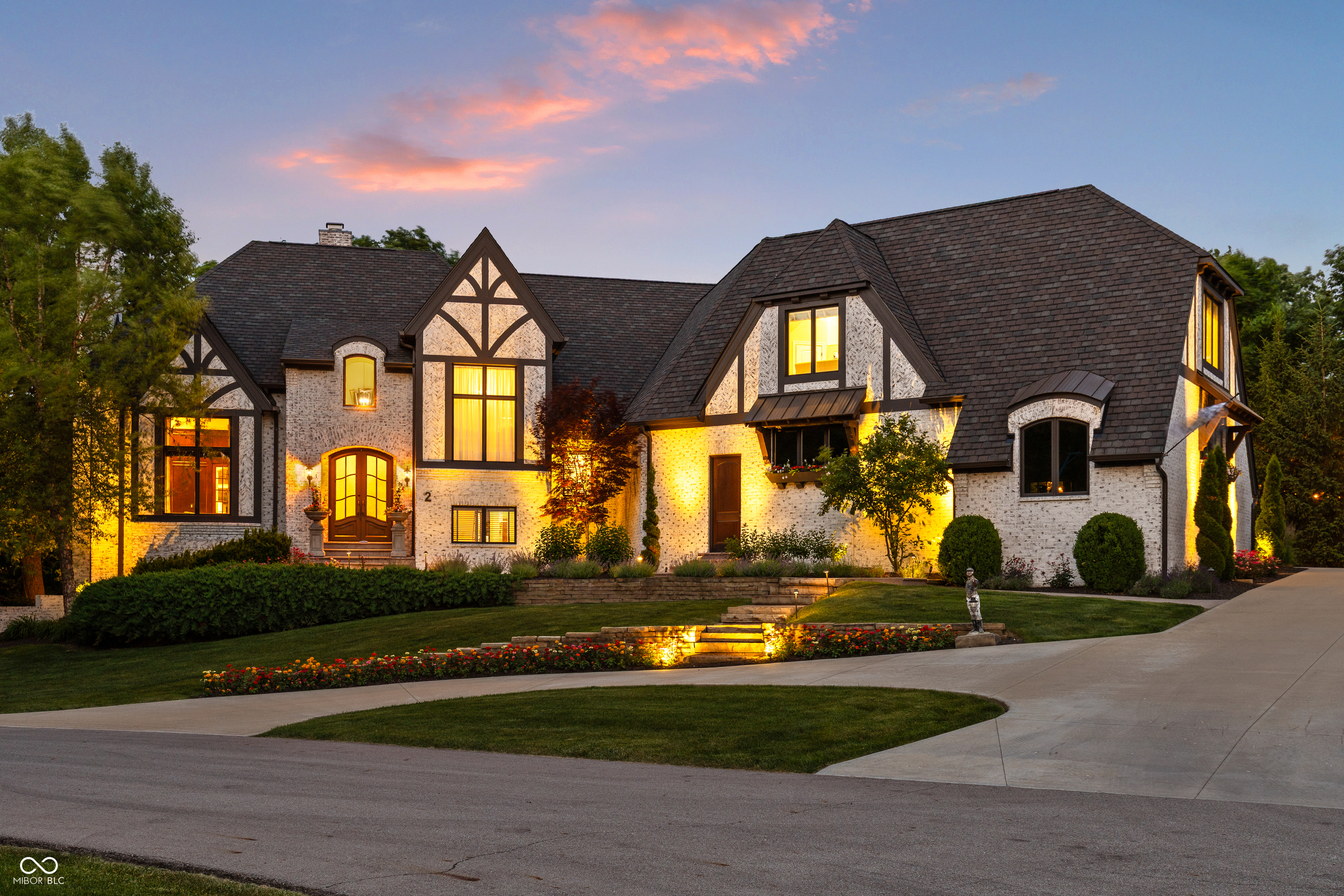
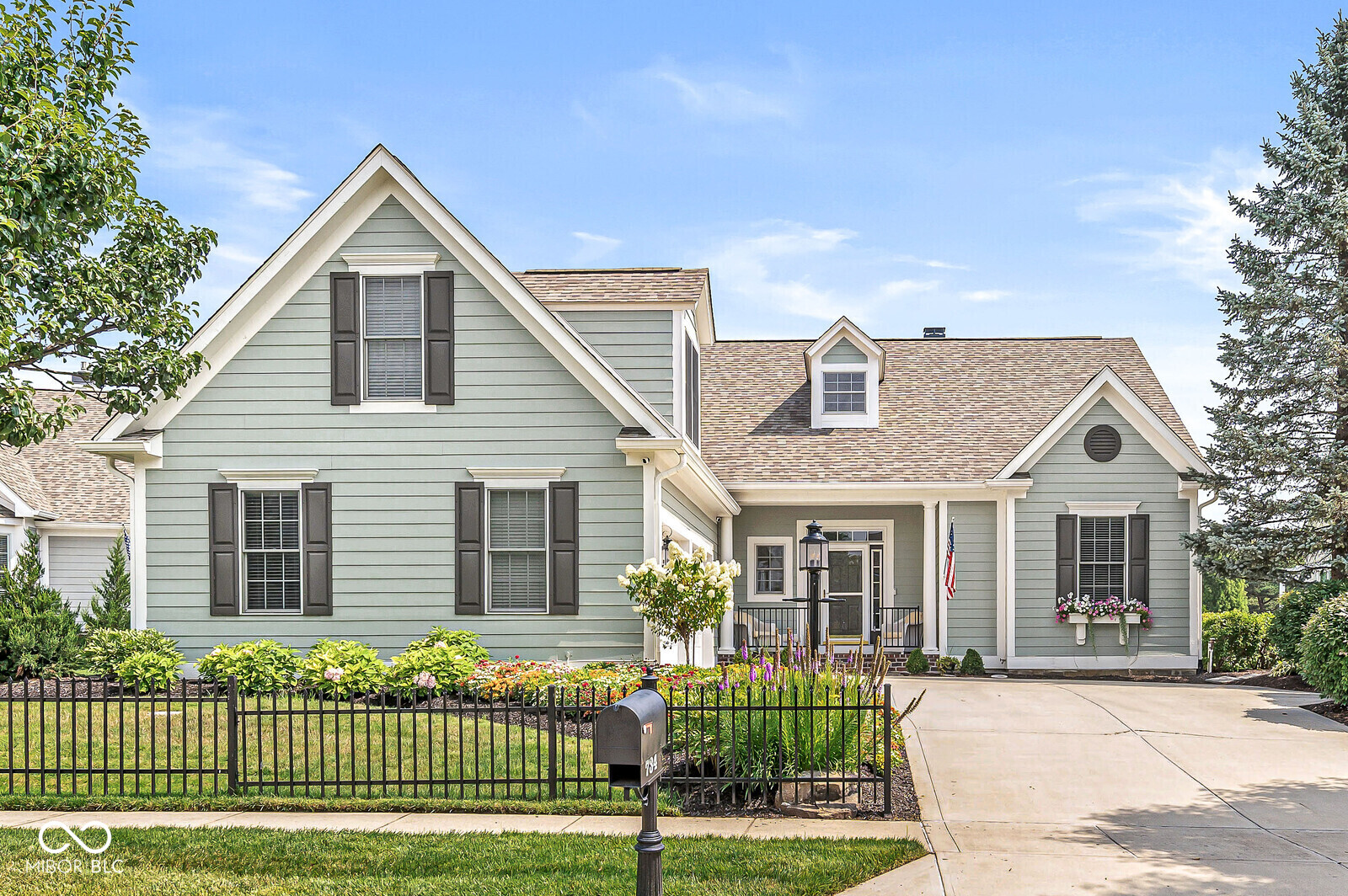
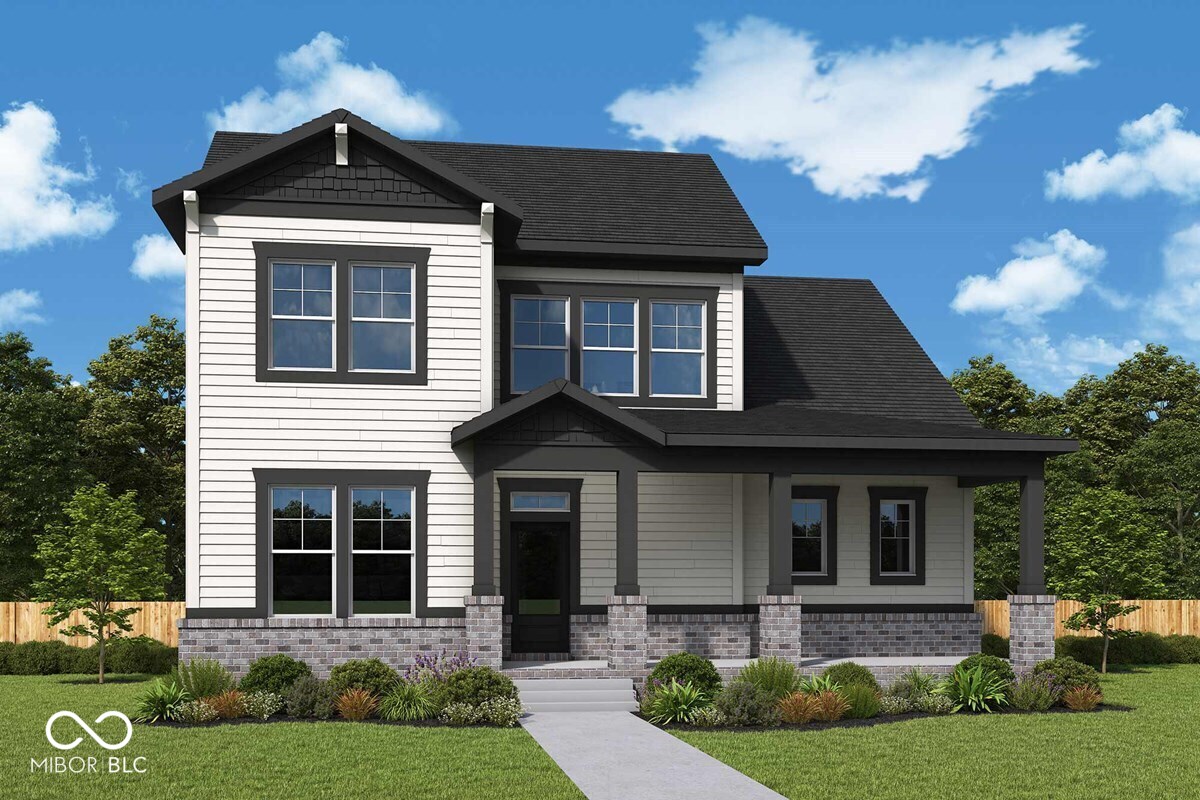
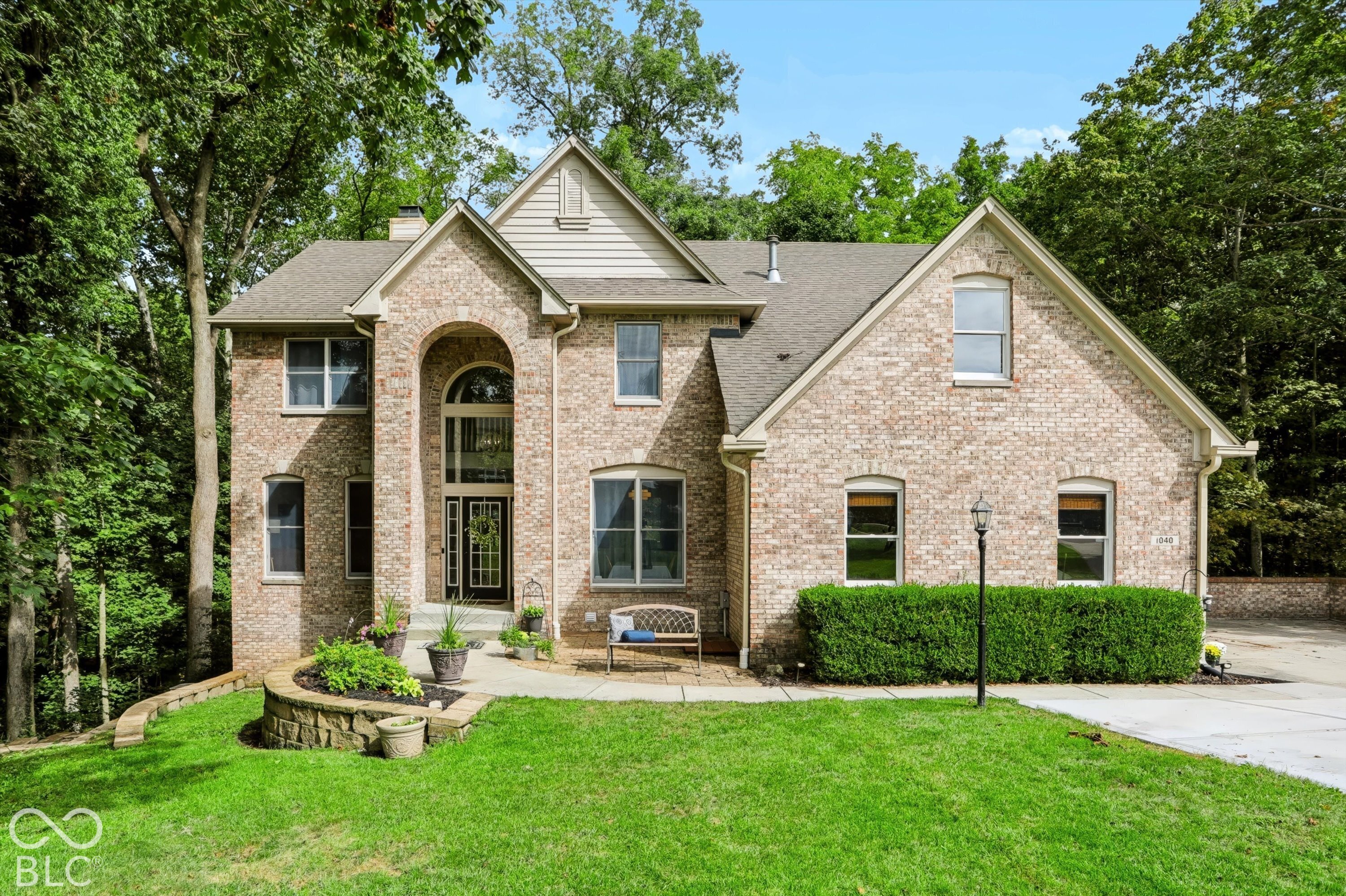
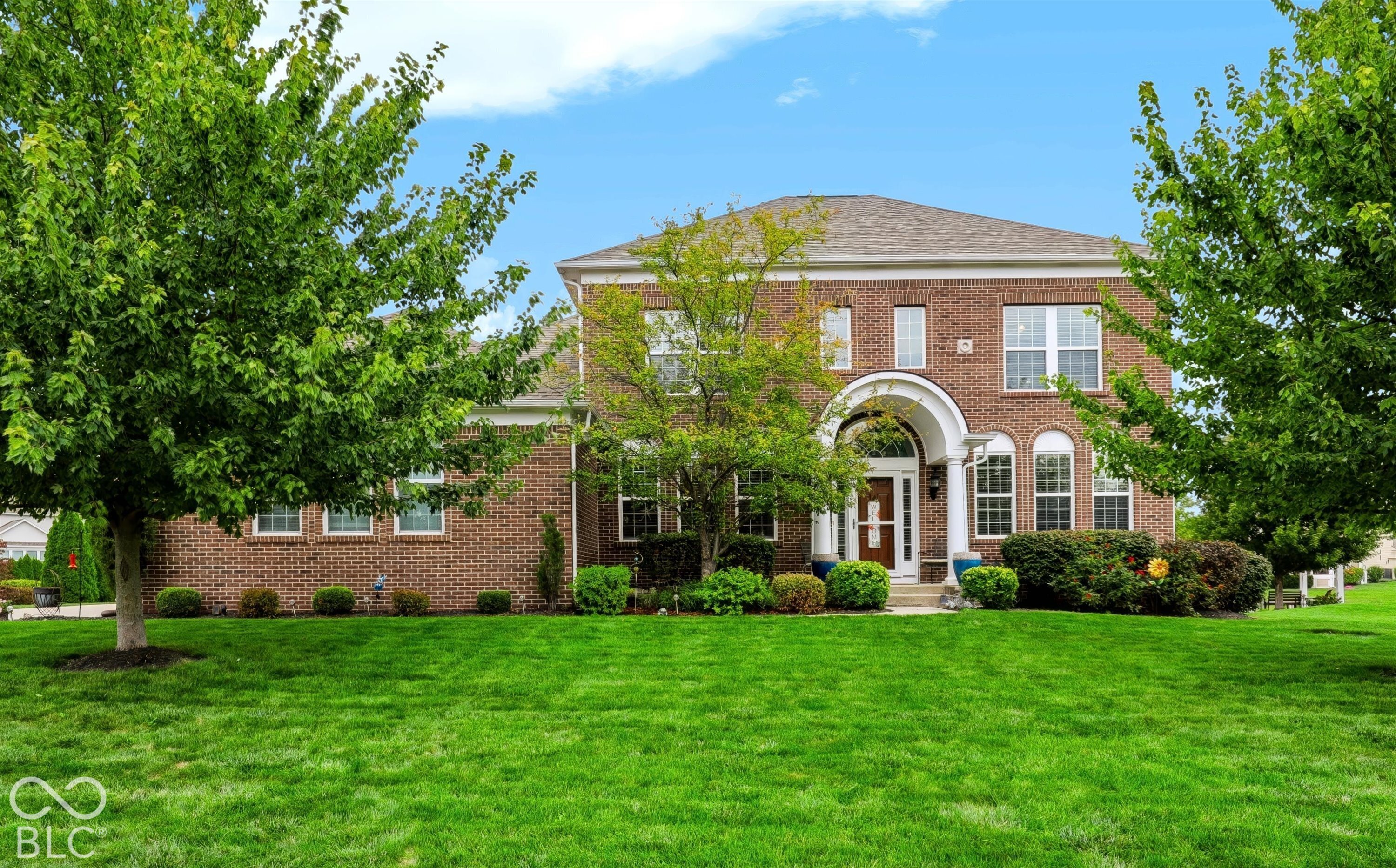
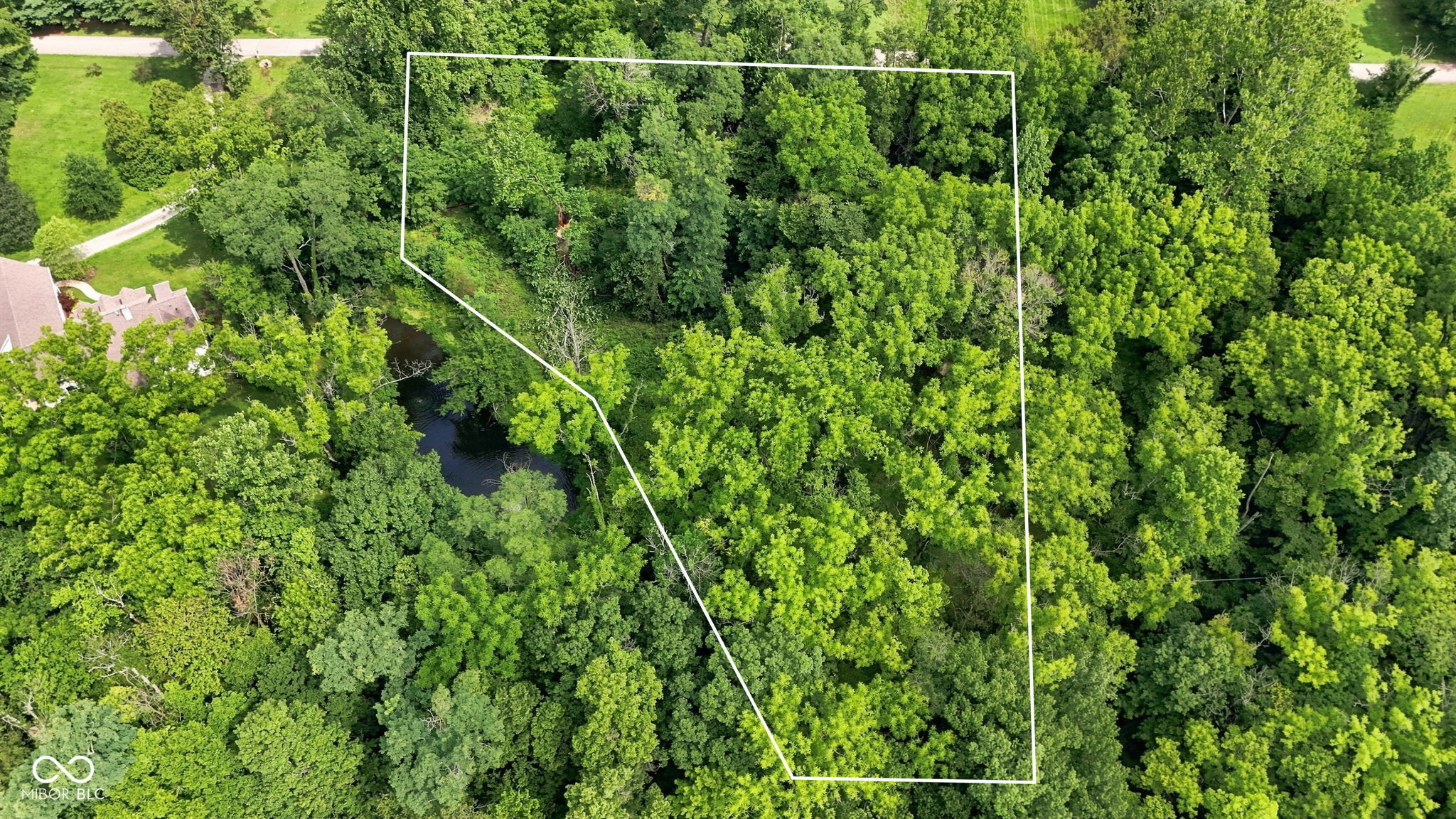
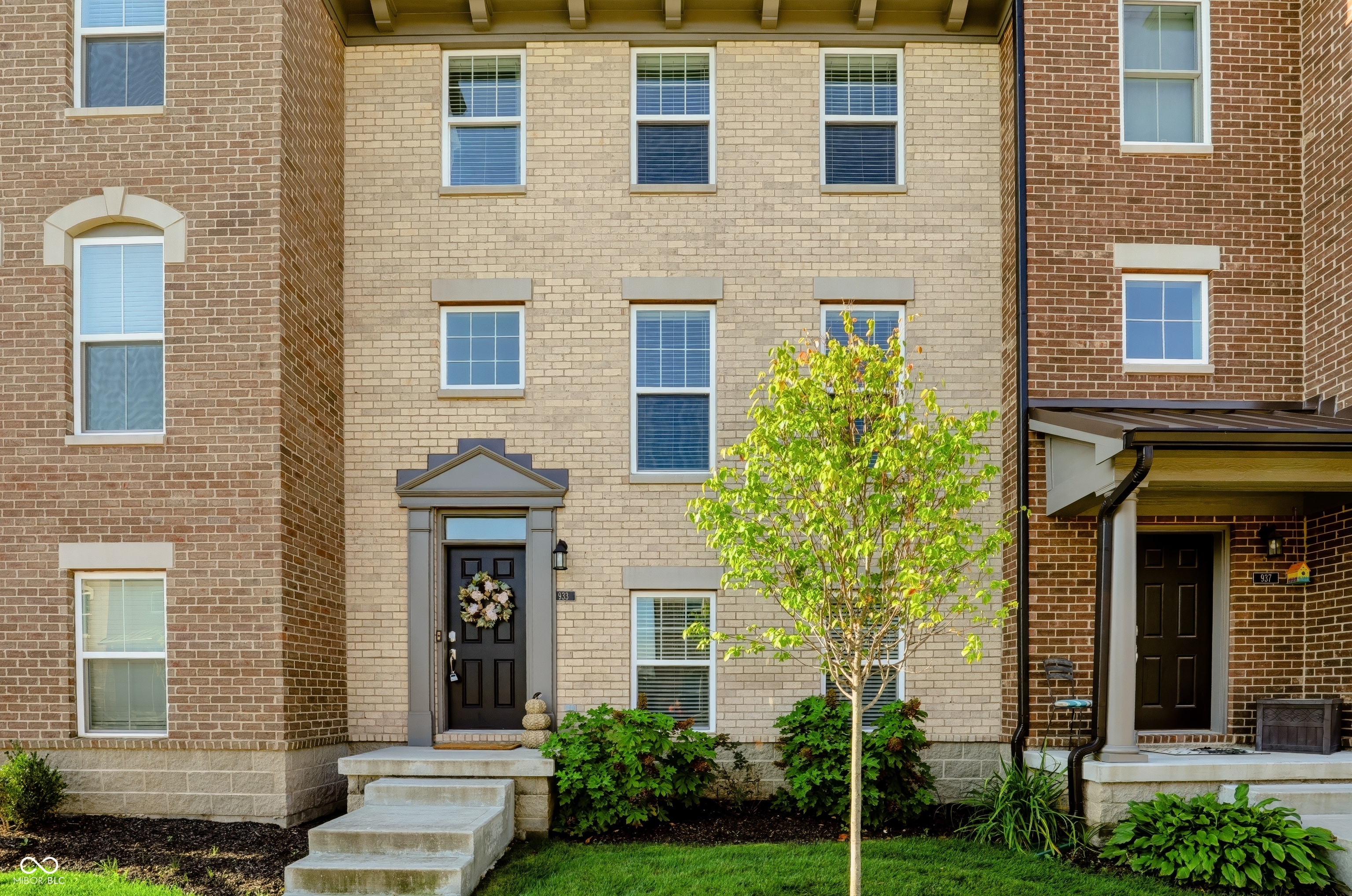
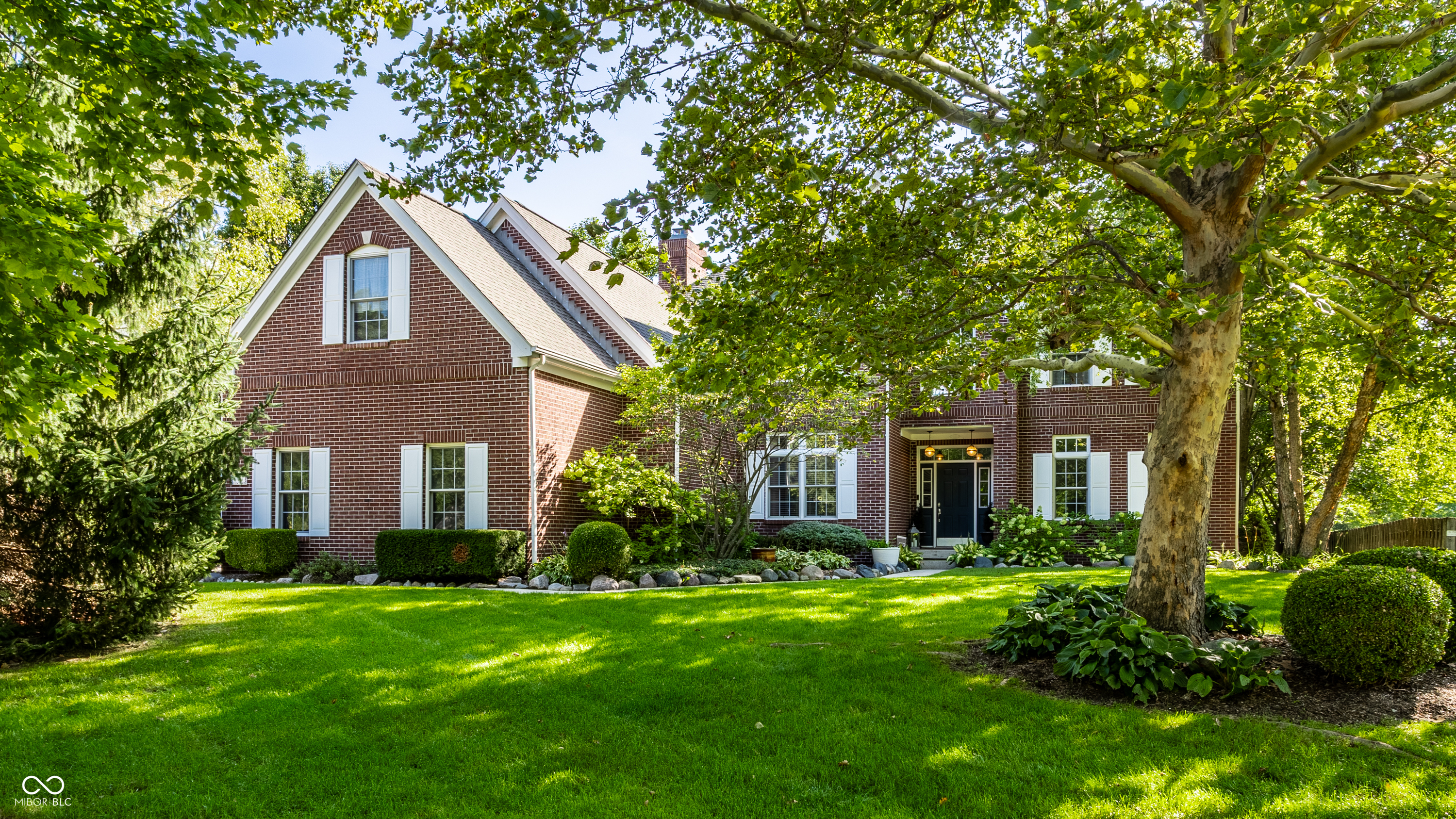
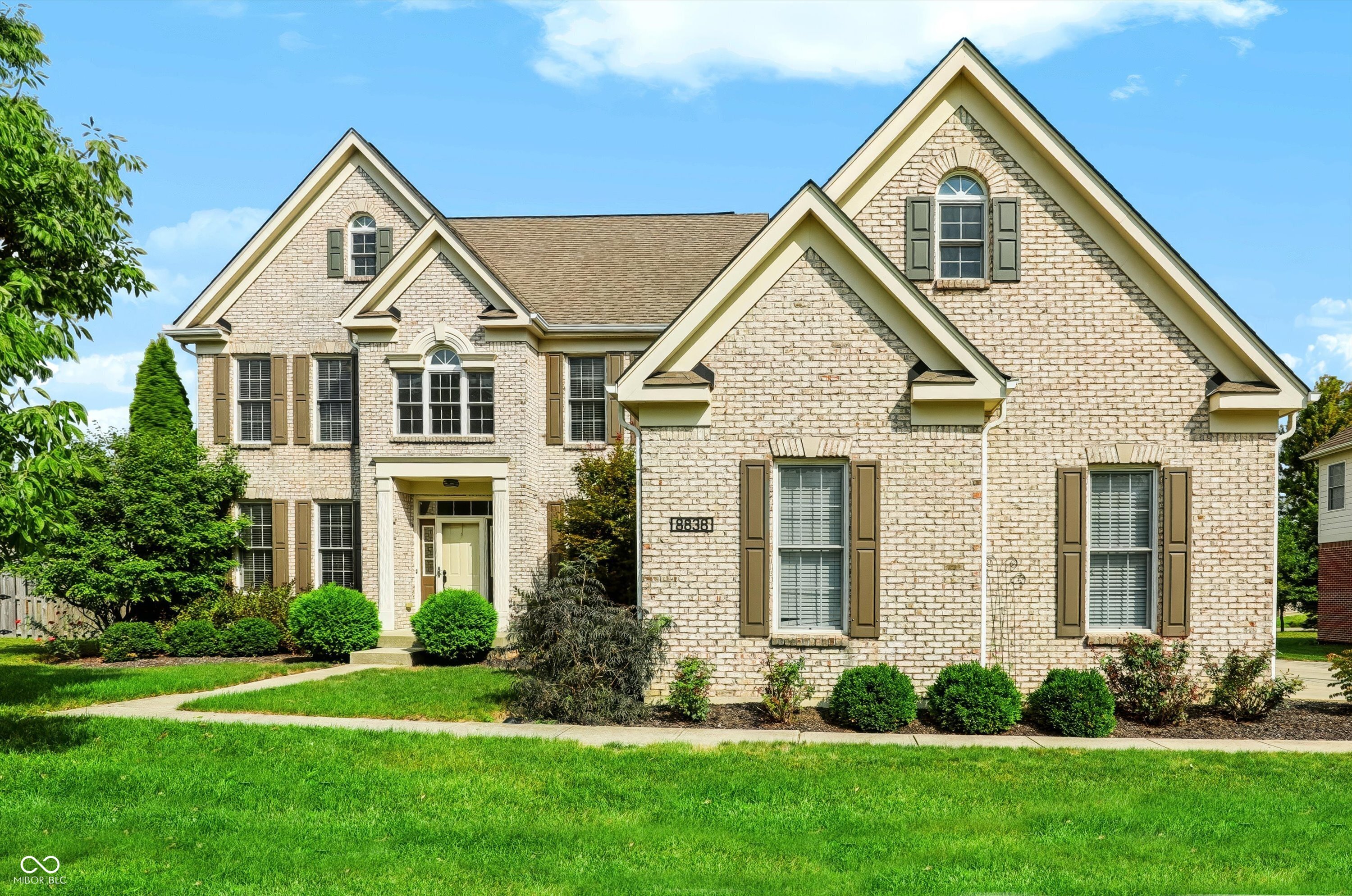
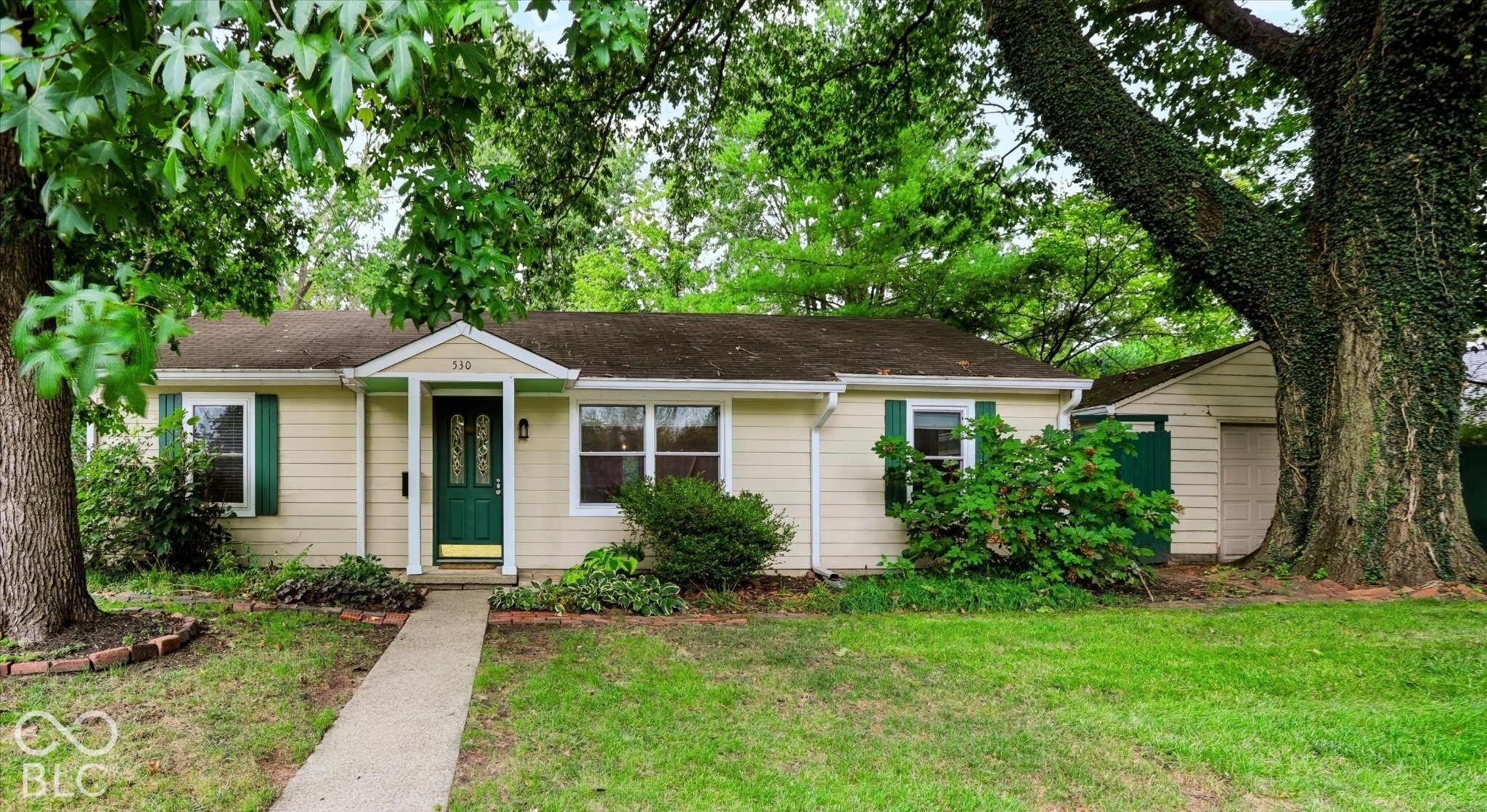
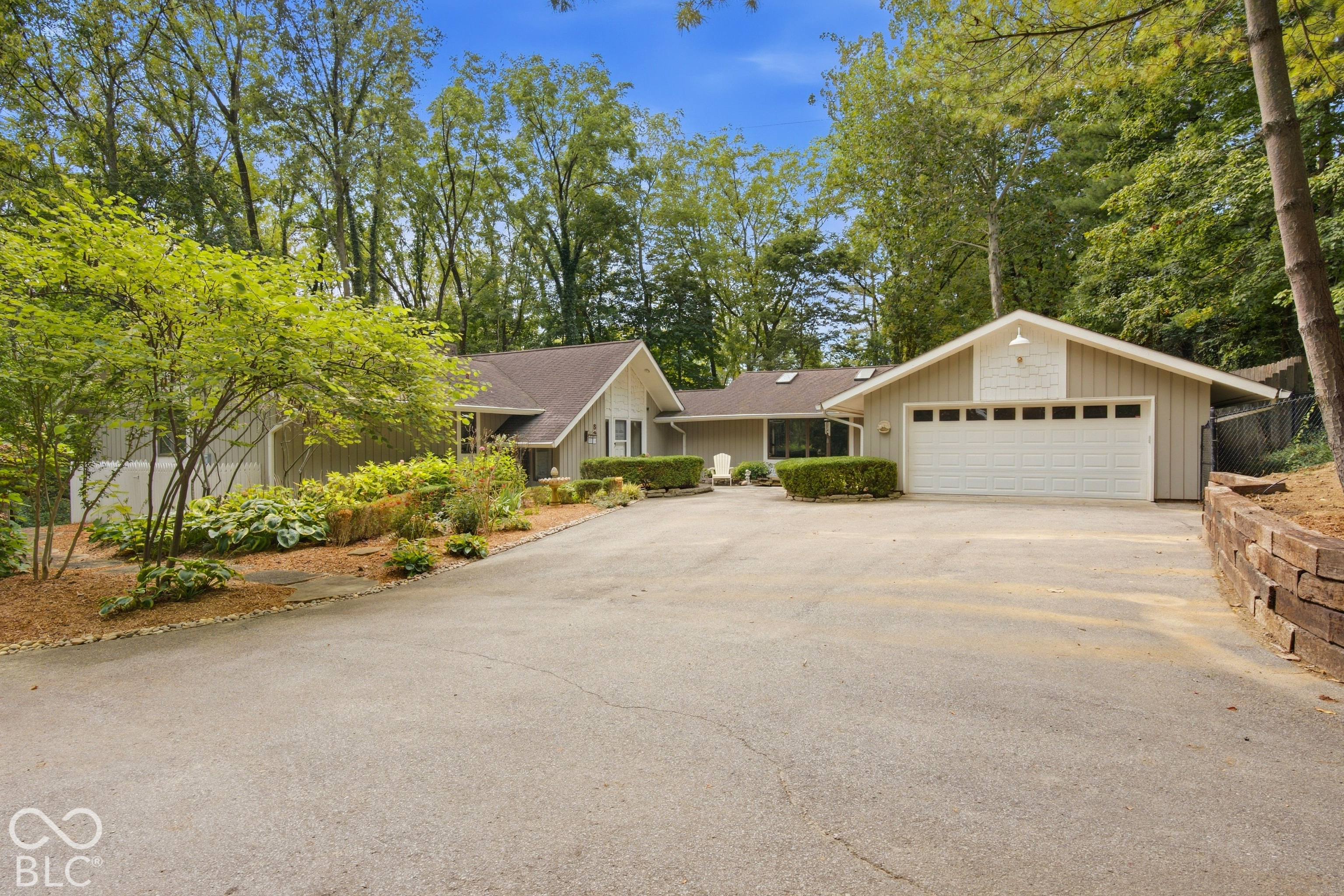
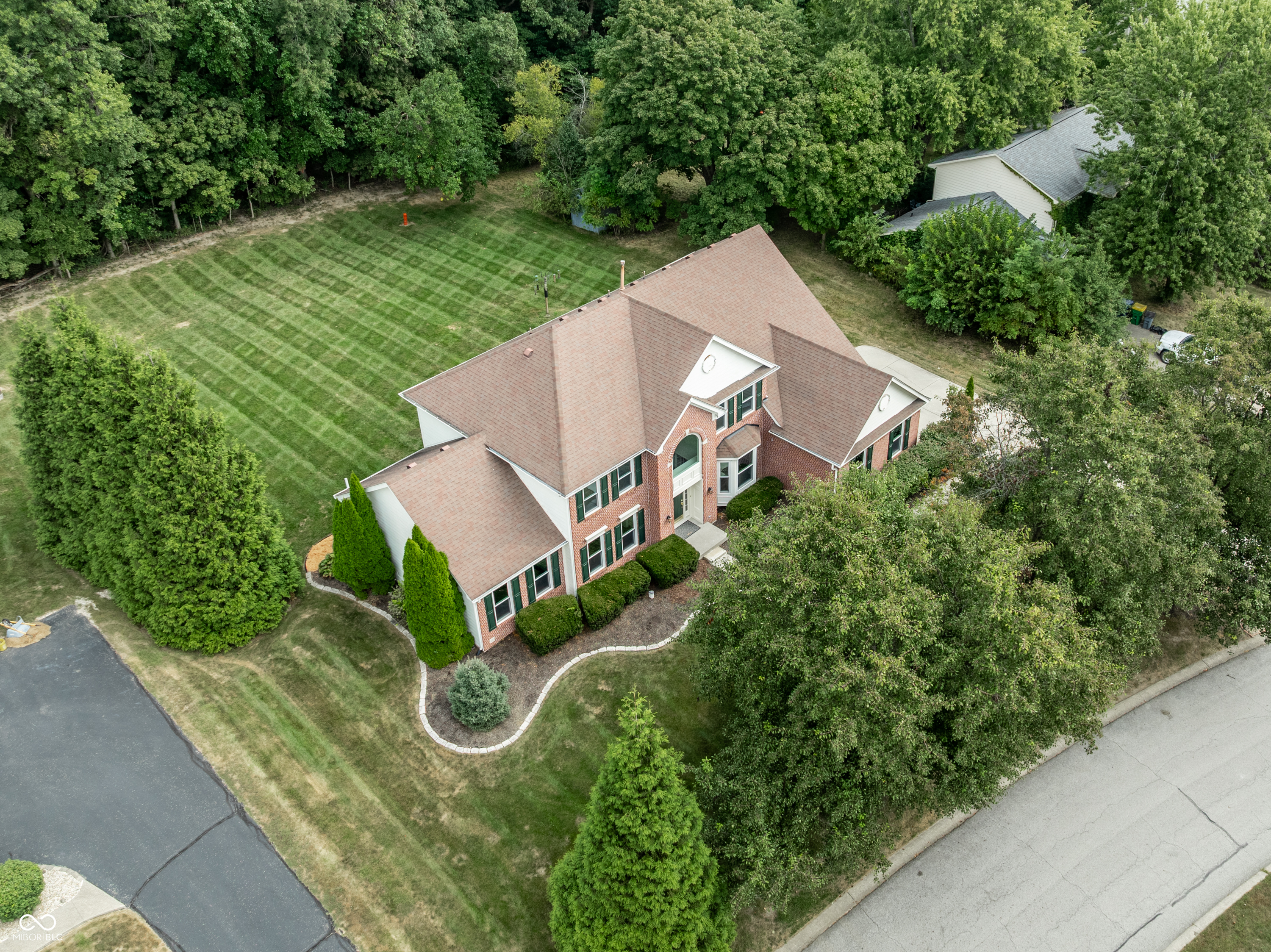
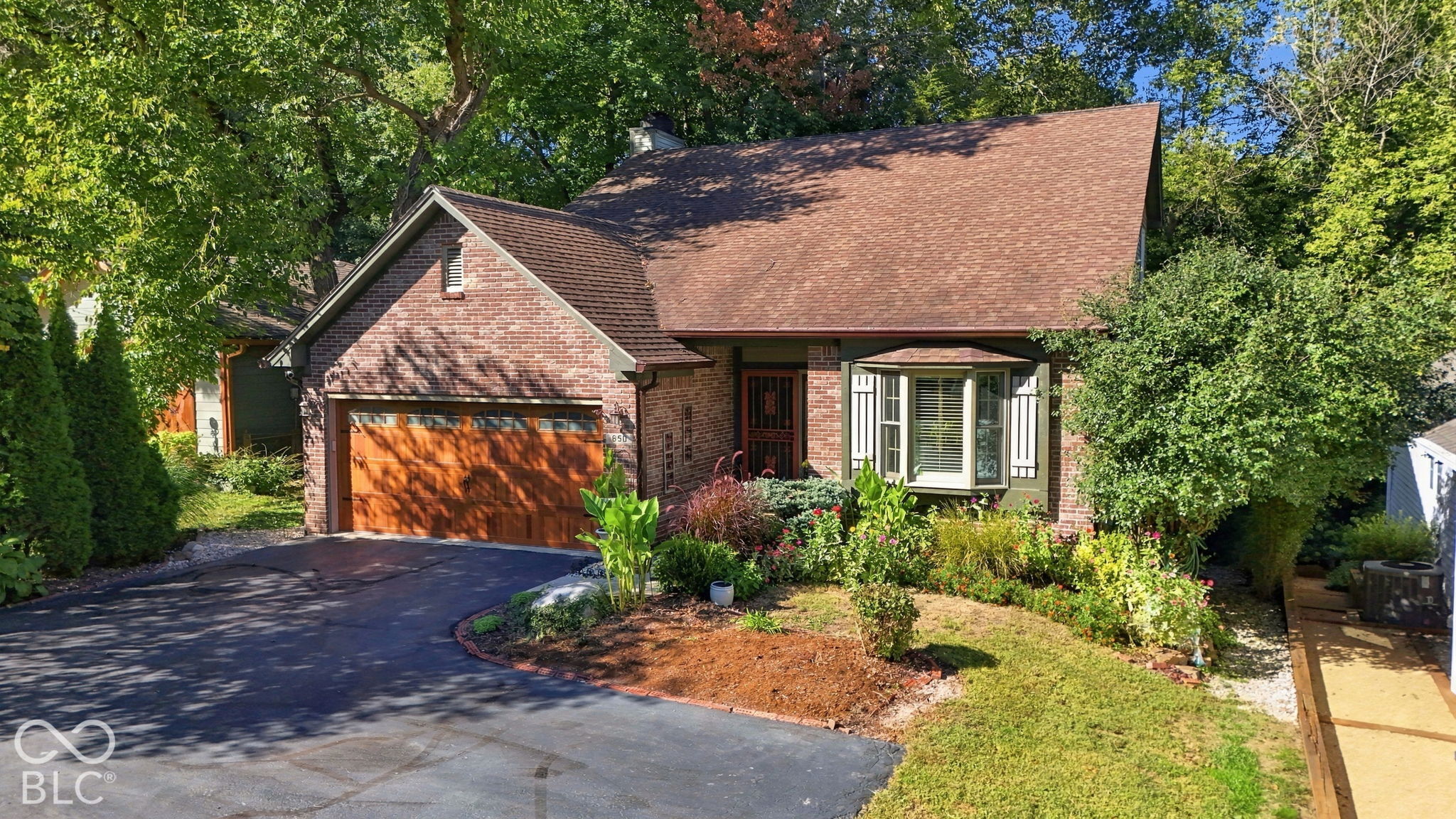
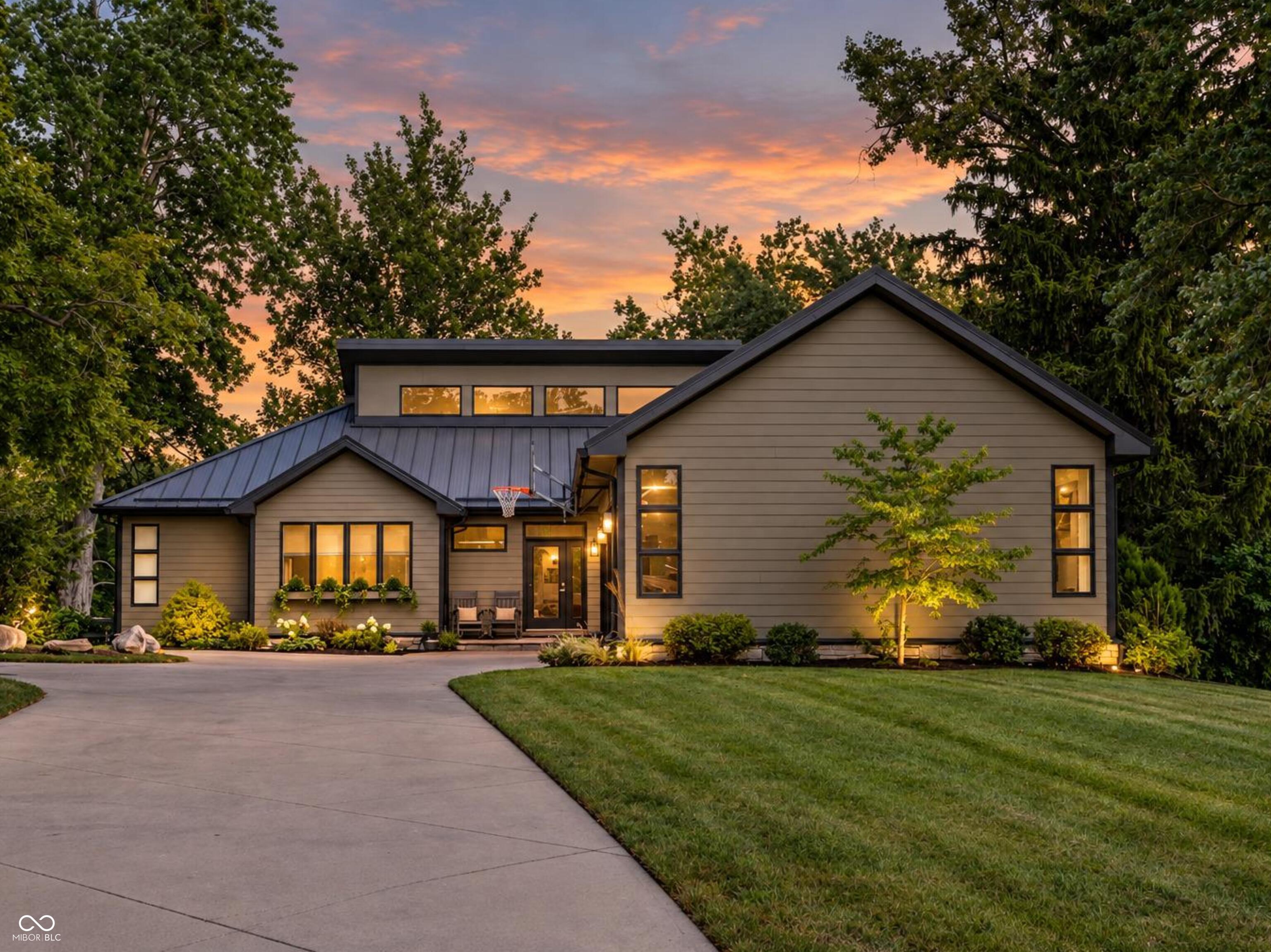
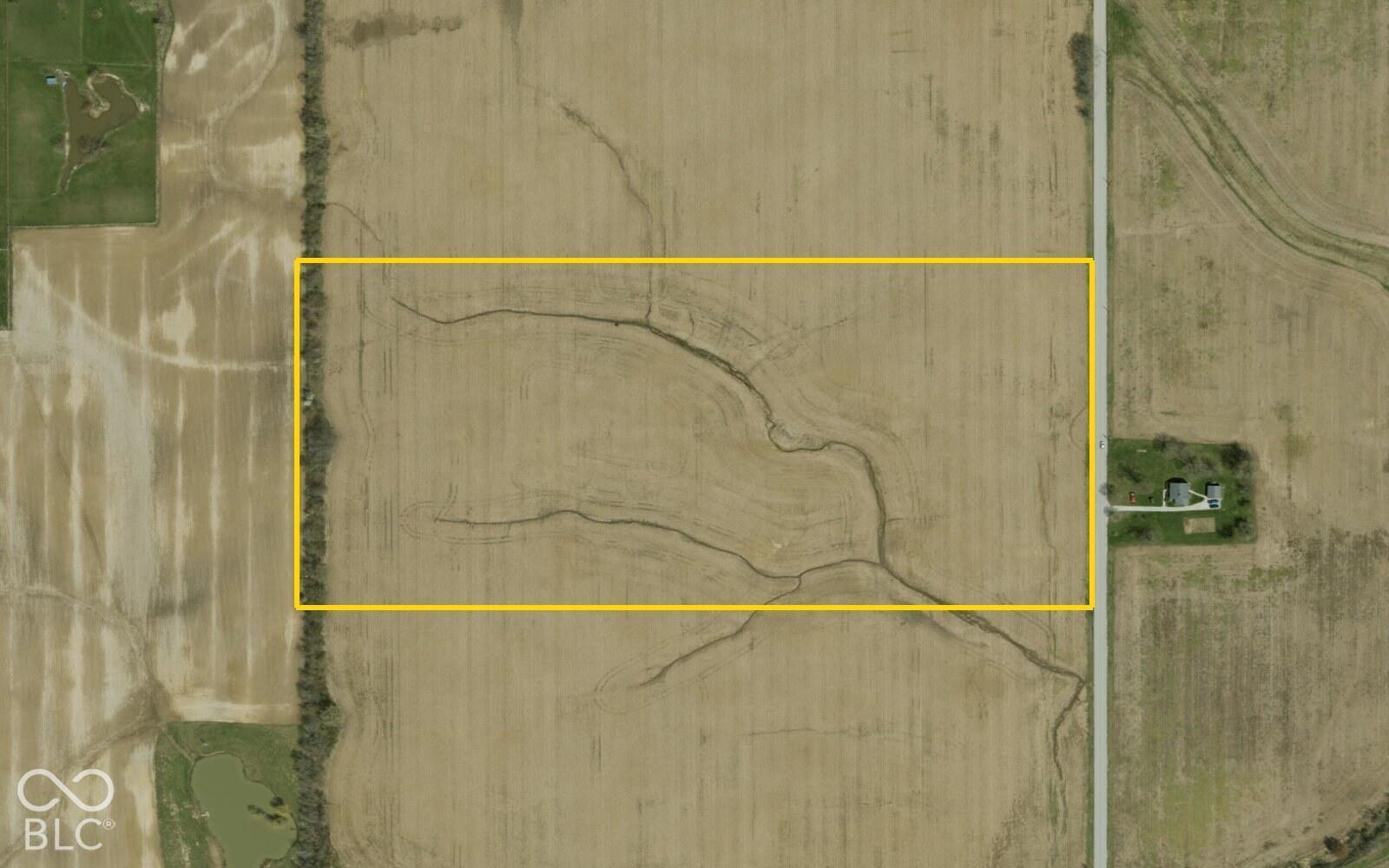
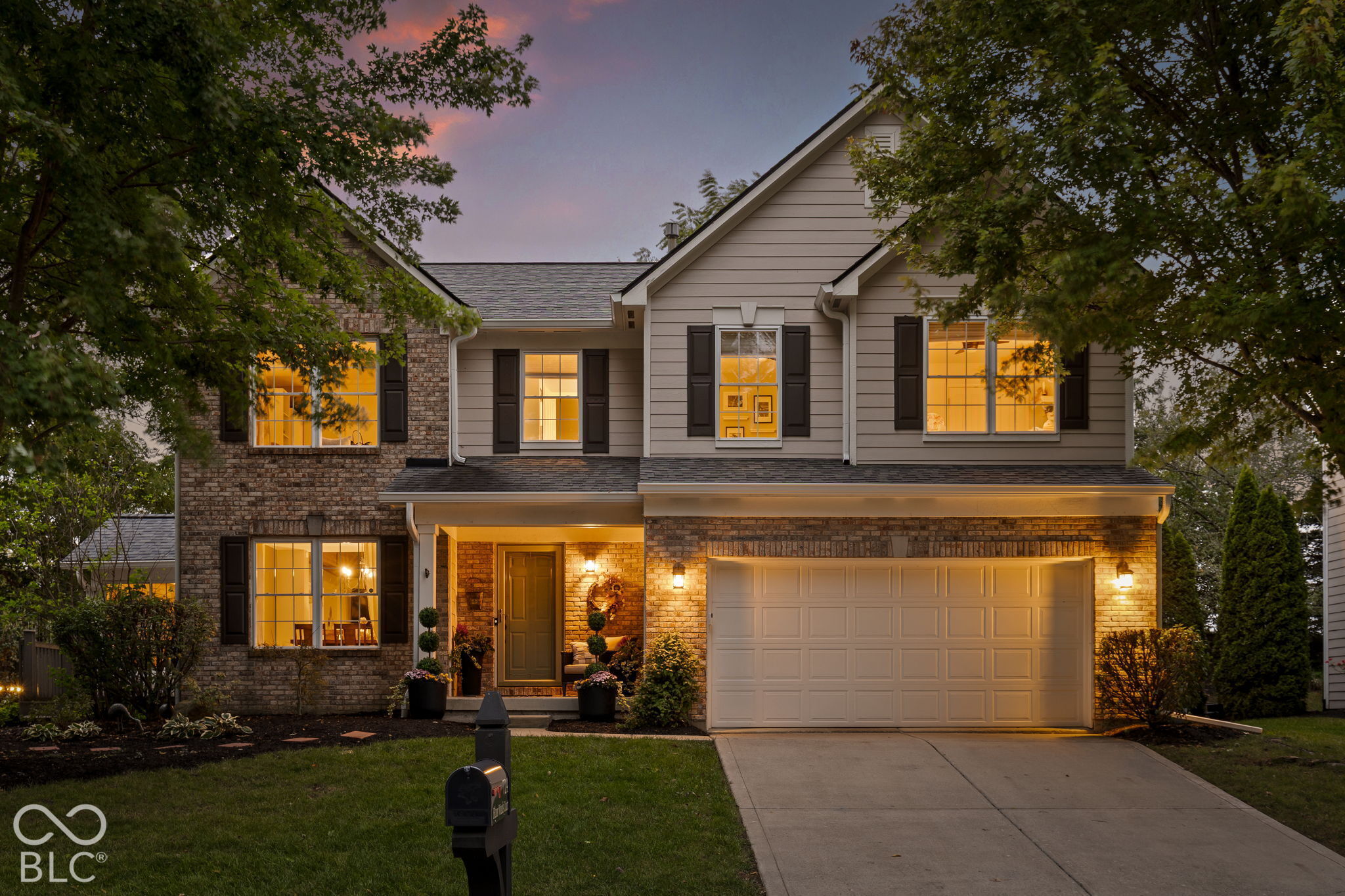
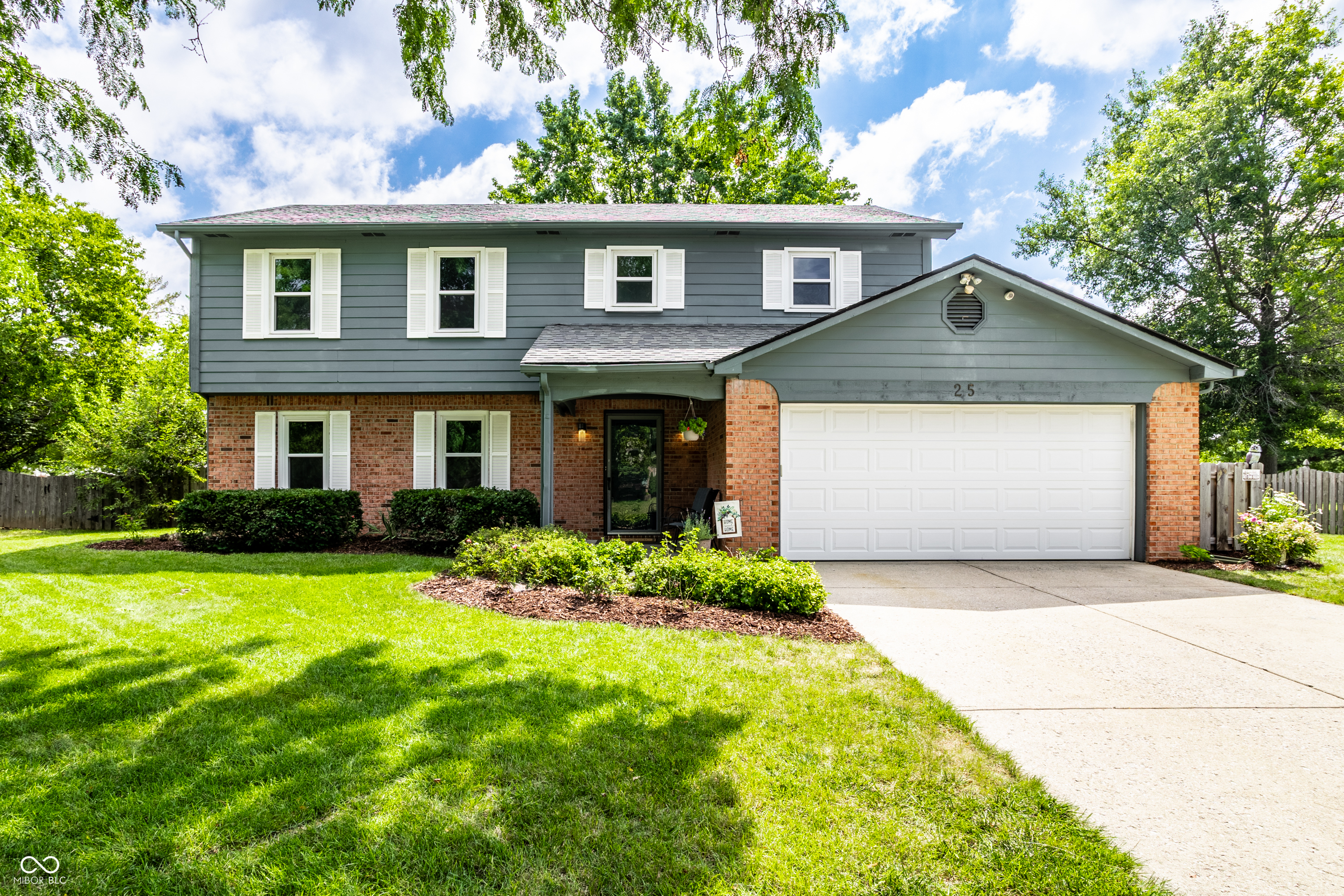
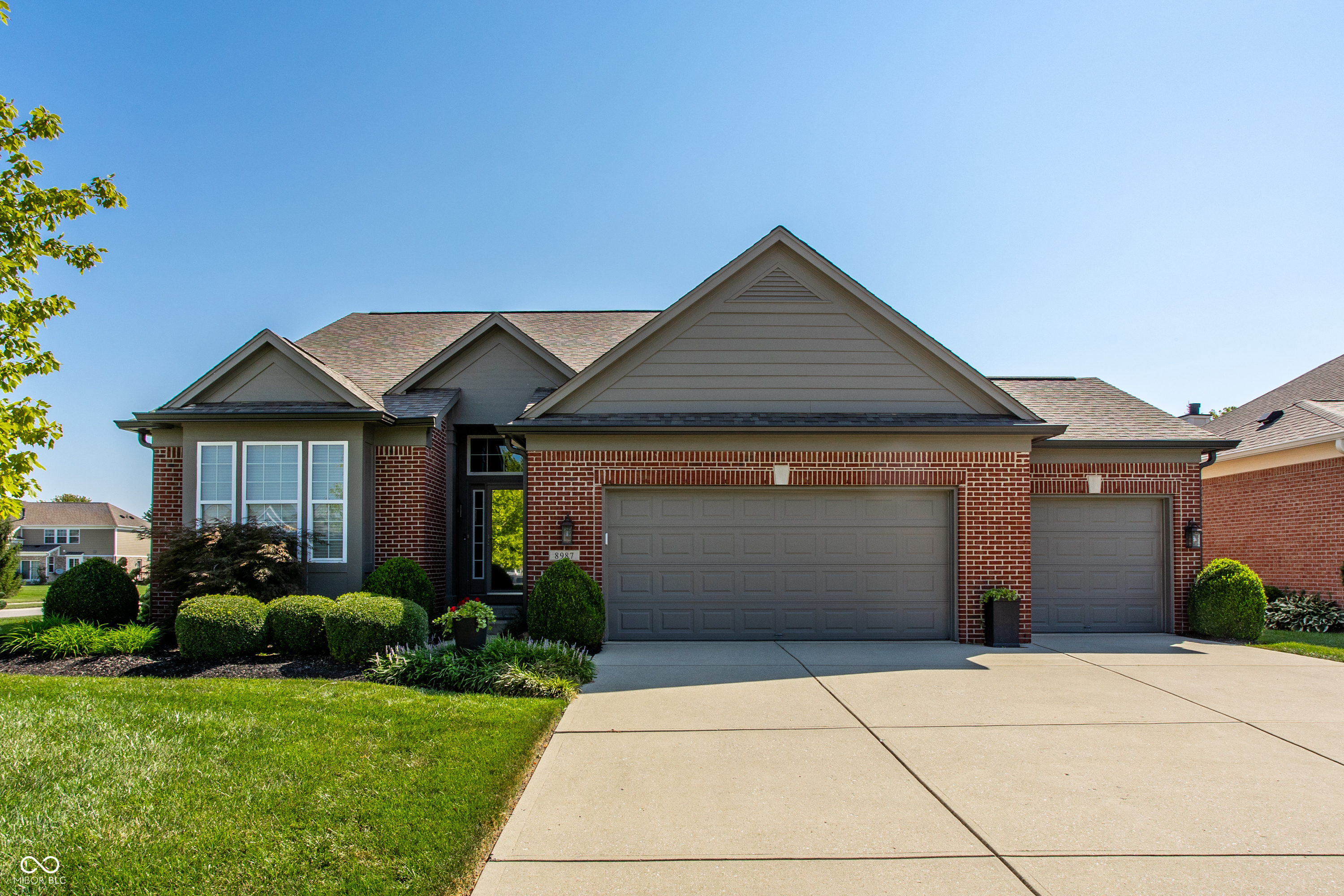
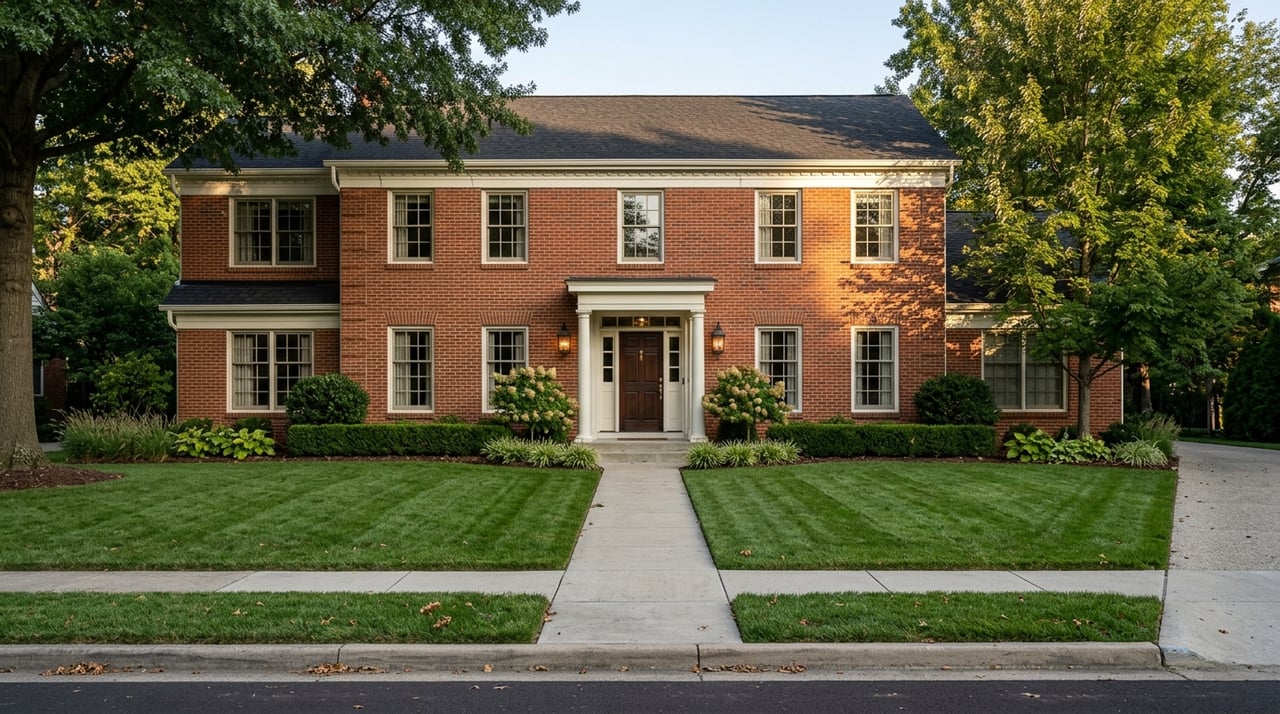
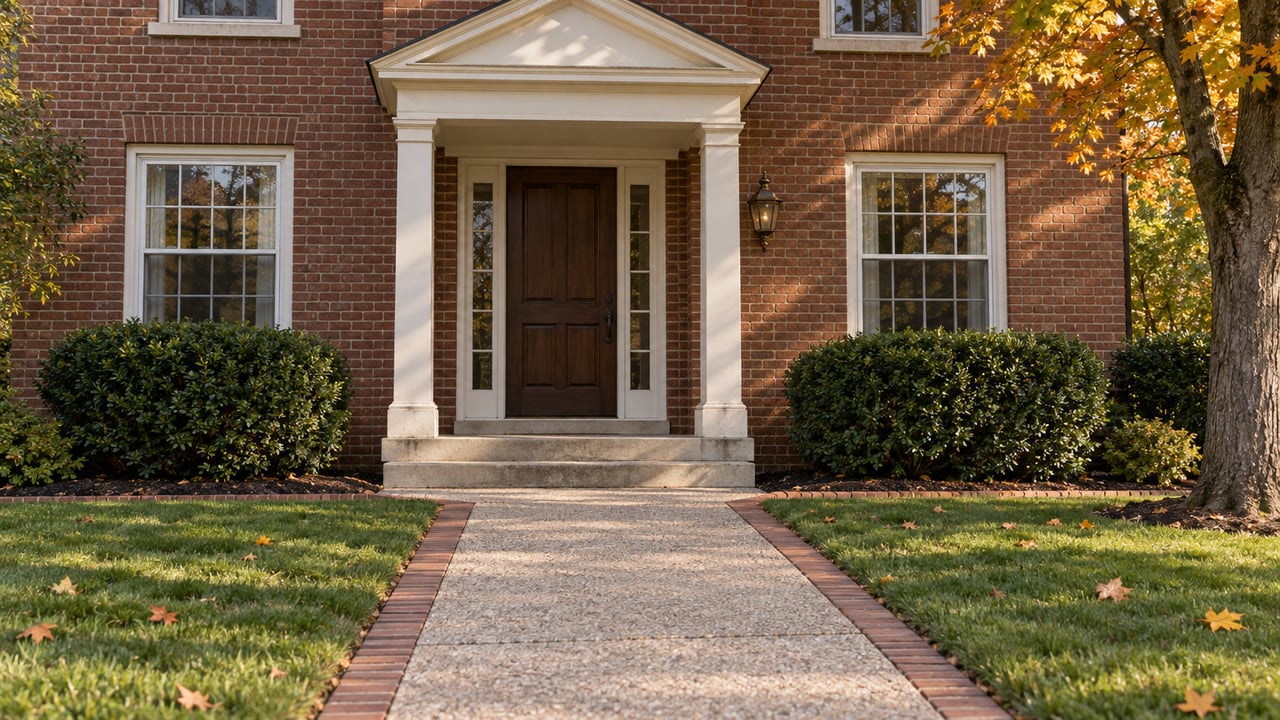
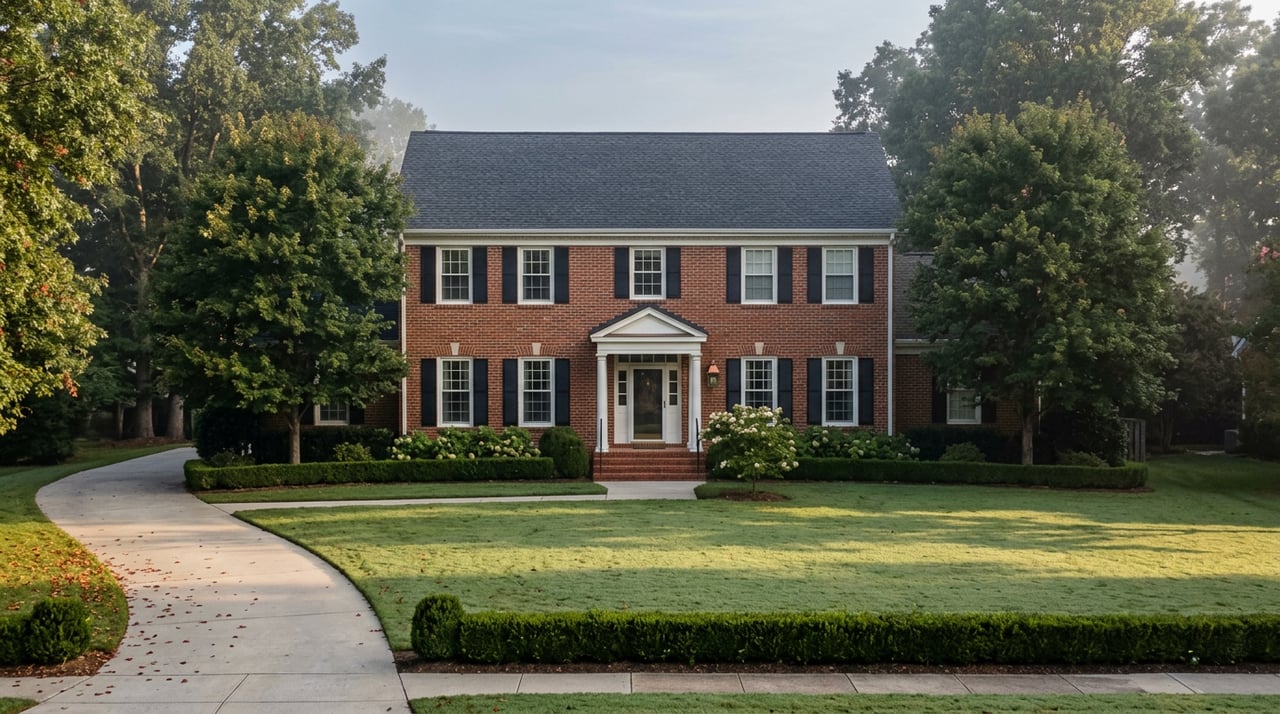
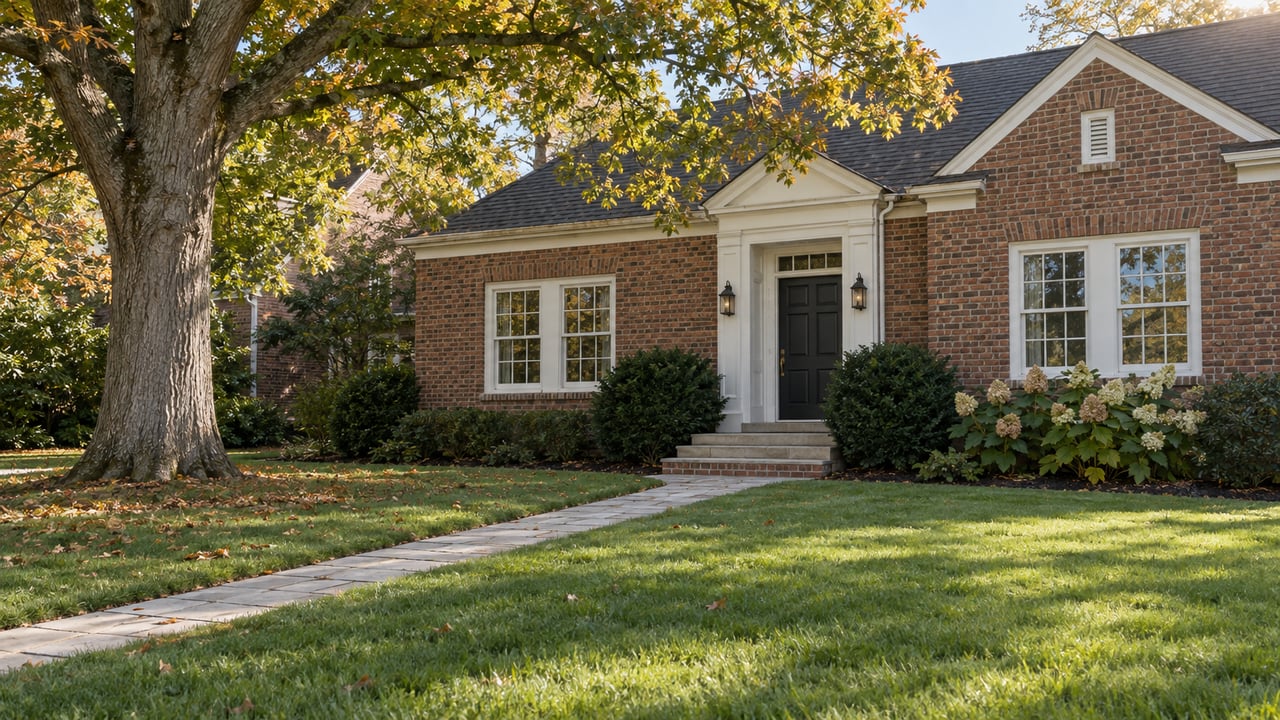
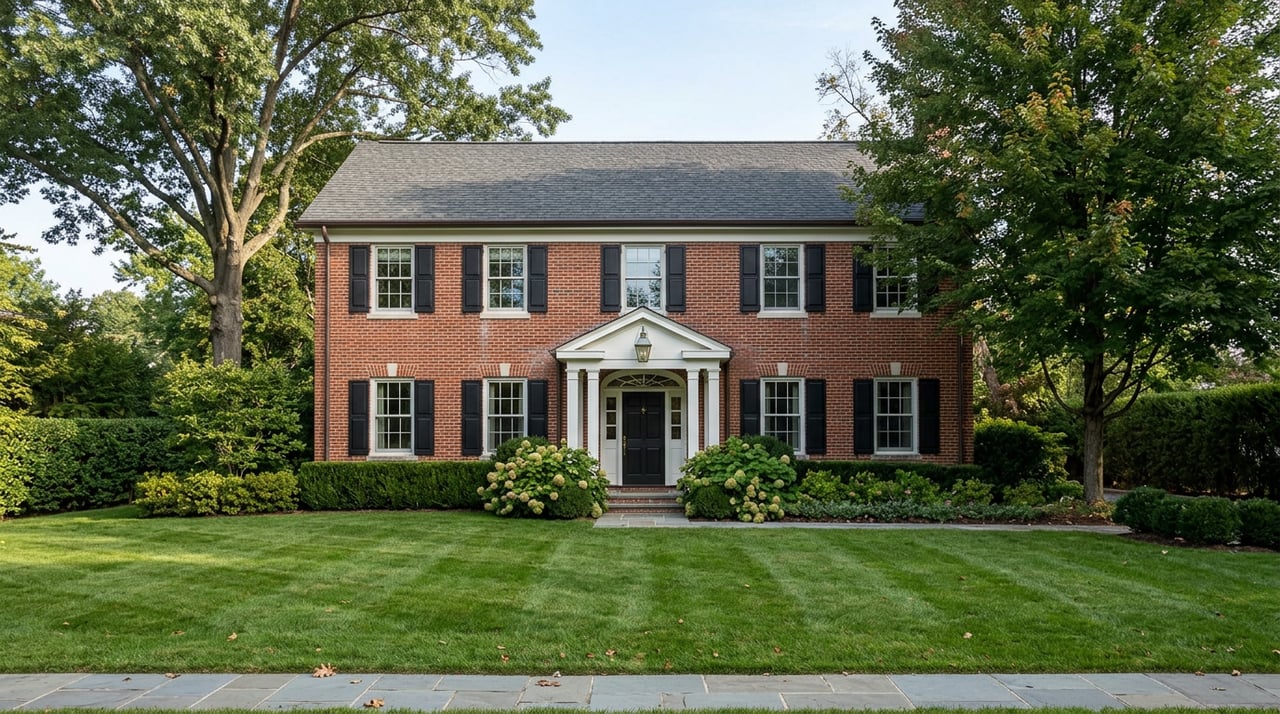
Zionsville offers top-ranked schools, large wooded lots, and a walkable brick-street village — small-town character within 20 minutes of downtown Indianapolis.
Zionsville, IN Housing Market Trends
The Zionsville housing market remains one of the premier suburban real estate destinations in the Greater Indianapolis area, characterized by steady price appreciation and premium valuations. Home values reflect strong demand driven by top-rated public schools, historic brick-street village charm, and expanded upscale inventory in master-planned communities. Buyers navigate a market where typical single-family homes routinely trade between $700,000 and $800,000, while high-end developments and golf community estates regularly command multi-million dollar closing prices.
Properties in Zionsville sell quickly and routinely experience competitive bidding, with homes staying on the market for a median of under 3 weeks. Strong demand allows sellers to achieve nearly full asking price on average, while nearly 30% of properties sell above list price due to multiple offers. Well-priced homes in high-demand neighborhoods, particularly walkable historic areas and modern luxury builds, frequently go pending in under 5 to 7 days with appraisal gap guarantees and escalator provisions.
Inventory constraints remain a defining operational factor in Zionsville, with available active listings frequently remaining low relative to regional buyer demand. This structural scarcity pushes a significant share of transactions into off-market pocket sales, private network listings, or early-stage custom construction projects. Additionally, while lower-tier condo and townhome options exist near the town's perimeter, the vast majority of local transactional volume is concentrated in larger single-family lots and custom suburban developments, insulating the market from broader macroeconomic volatility.
Contact us today for expert local advice, private tours, and guidance tailored to your goals. Whether you're navigating your first home purchase or upgrading to your ideal Zionsville property, we’ll help you move with confidence in one of Indiana's most sought-after markets.
Property taxes in Zionsville are assessed based on the property's gross market value minus statutory deductions, such as the Indiana Homestead Supplement for primary residences. Indiana caps homestead property taxes at 1% of the assessed value, though voter-approved local school referendum levies—like those supporting Zionsville Community Schools—are billed in addition to this base cap. Homeowners receive their property tax bills twice a year, with payments traditionally due in May and November.
The Town of Zionsville Planning & Building Department requires an Improvement Location Permit (ILP) for structural modifications, room additions, deck builds, electrical system upgrades, and major accessory structures. Homeowners or their licensed contractors must submit site plans and architectural drawings to verify compliance with local zoning codes and building standards prior to beginning construction. Permits remain valid for one year from issuance, and necessary building inspections must be scheduled as work progresses.
Most residential subdivisions in Zionsville are managed by Homeowners Associations (HOAs) governed by individual Covenants, Conditions, and Restrictions (CC&Rs). HOA Architectural Review Committees (ARCs) strictly regulate exterior modifications, including paint color schemes, roofing materials, fence installations, and landscaping choices. Obtaining municipal building permits from the Town of Zionsville does not override or substitute for HOA design approvals.
Public school assignments in Zionsville are strictly dictated by boundary maps established by the Zionsville Community Schools (ZCS) district rather than city mailing addresses alone. Because some outer Zionsville postal addresses spill over into neighboring municipal or county boundaries (such as Whitestown or Pike Township), geographic location determines attendance. Buyers verify designated elementary, middle, and high schools directly through the ZCS district portal using specific parcel ID numbers.
Property setback regulations dictate how close home structures, additions, detached garages, or sheds can be built relative to front, side, and rear property lines. Zionsville’s local zoning ordinances specify distinct setback margins based on neighborhood zoning classifications, such as historic village residential zones versus suburban master-planned districts. If a planned structural improvement violates established lot line boundaries, the property owner must petition the Zionsville Board of Zoning Appeals (BZA) for a formal variance before building.
Residential utility services in Zionsville are provided through a mix of public infrastructure and private service providers depending on the property's location. Water and sanitary sewer services are provided by the Town of Zionsville or regional providers, while electricity and natural gas are supplied by regional utility companies like Duke Energy and CenterPoint Energy. During property transfers or new construction completions, utility accounts require direct coordination between buyers, builders, and service operators to transfer meters and establish billing schedules.
Inventory in Zionsville stays tight, and the difference between Village charm, a wooded estate lot, and a newer subdivision comes down to details that are easy to miss online. If you have questions about school boundaries, lot sizes, or what’s coming available, The Wilson Team can help you sort through it.

Zionsville covers a lot of ground for a town its size — brick-lined streets and century-old homes in the Village, five-acre wooded lots out toward the county line, and newer family subdivisions in between. Our Zionsville neighborhood guide lays out what each area offers, from lot sizes and price ranges to commute times and school assignments. Browse it before you start scheduling tours.