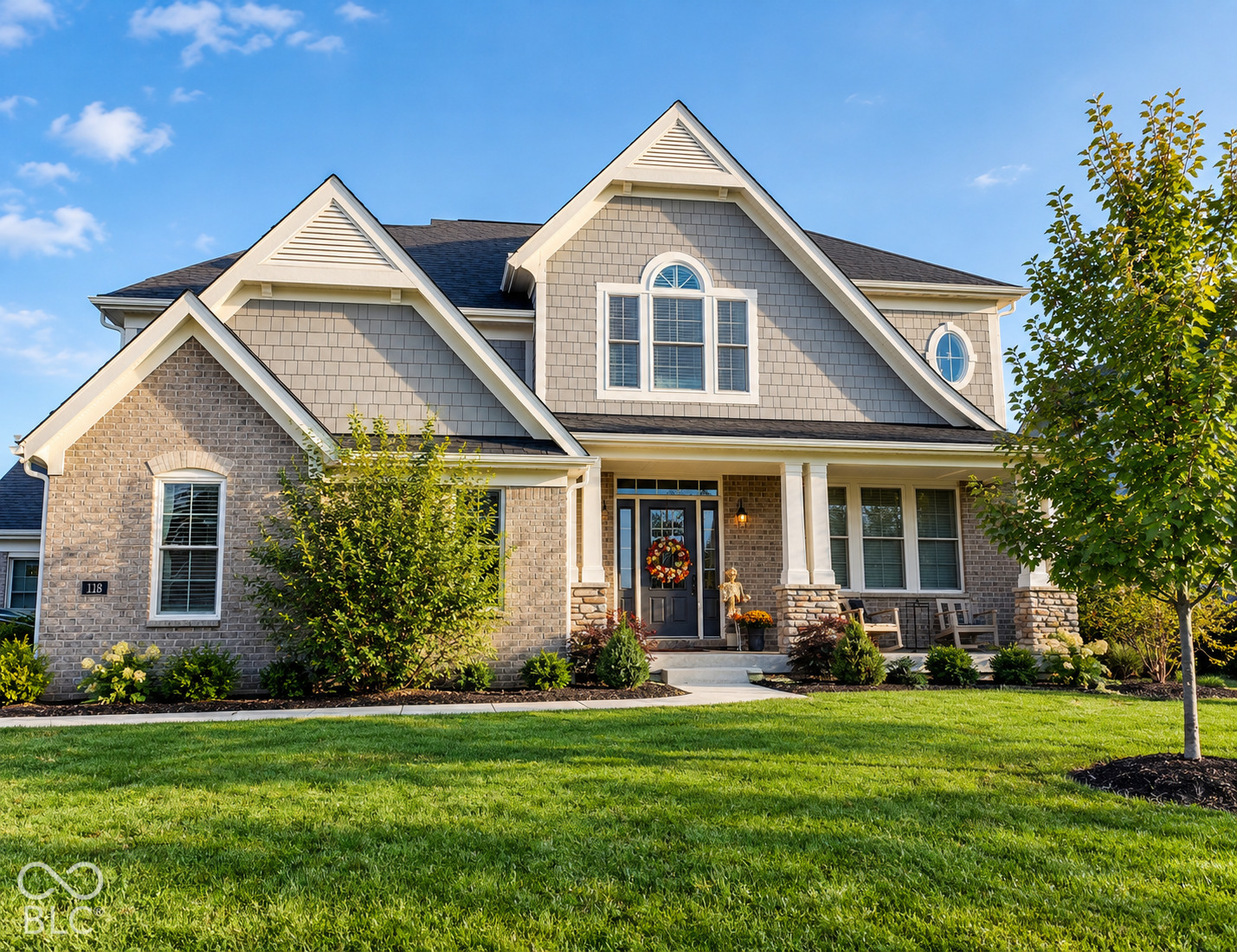
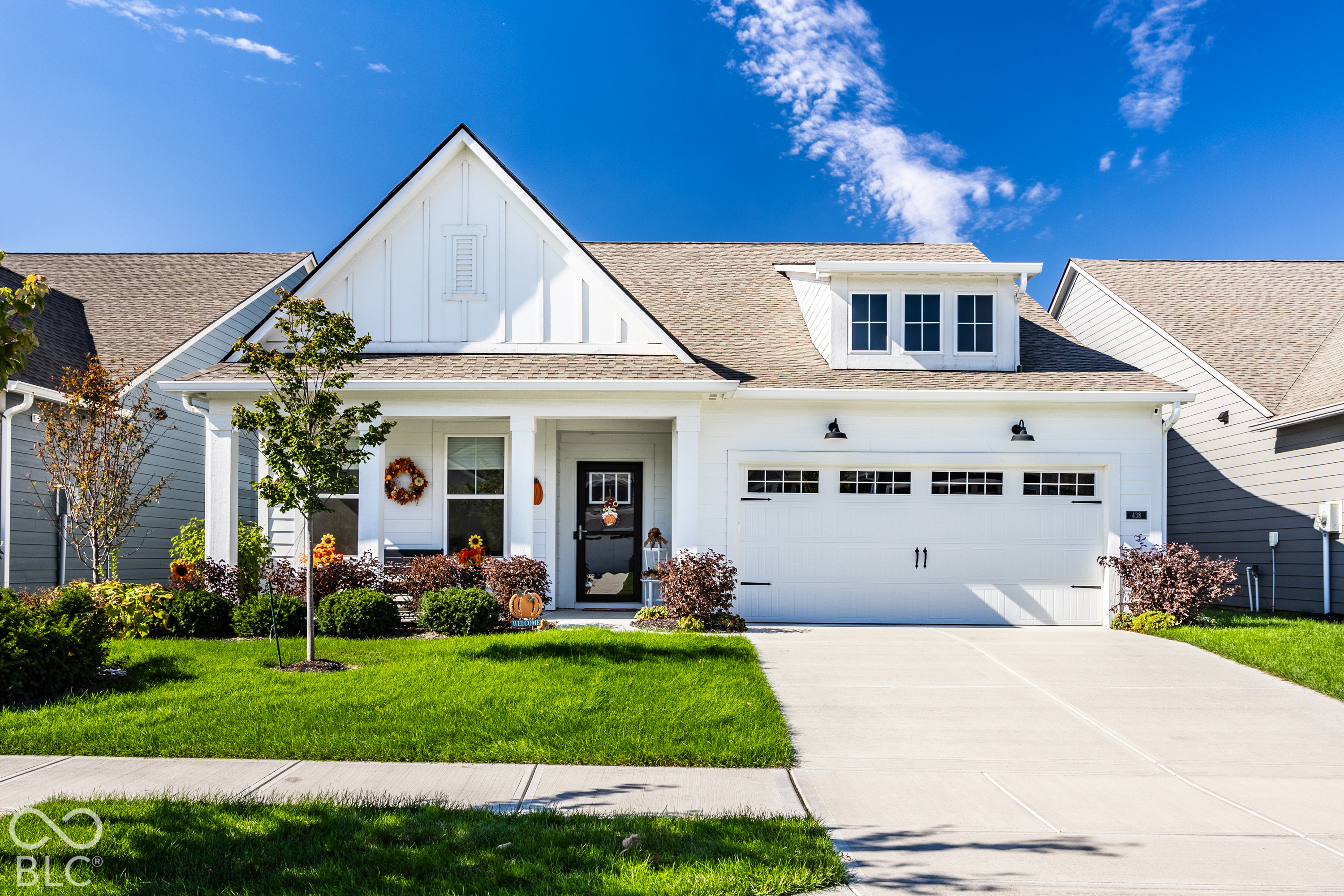
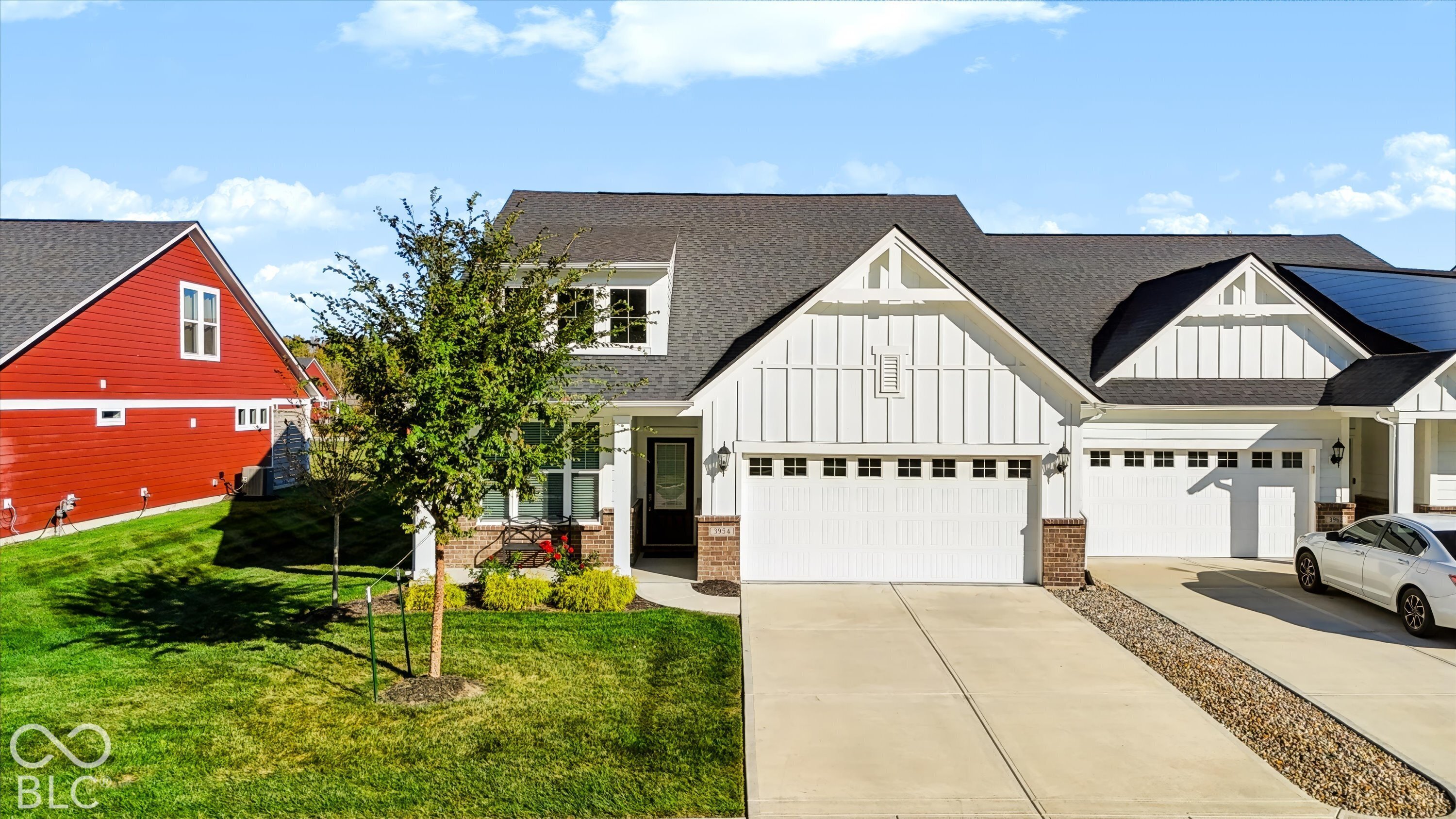
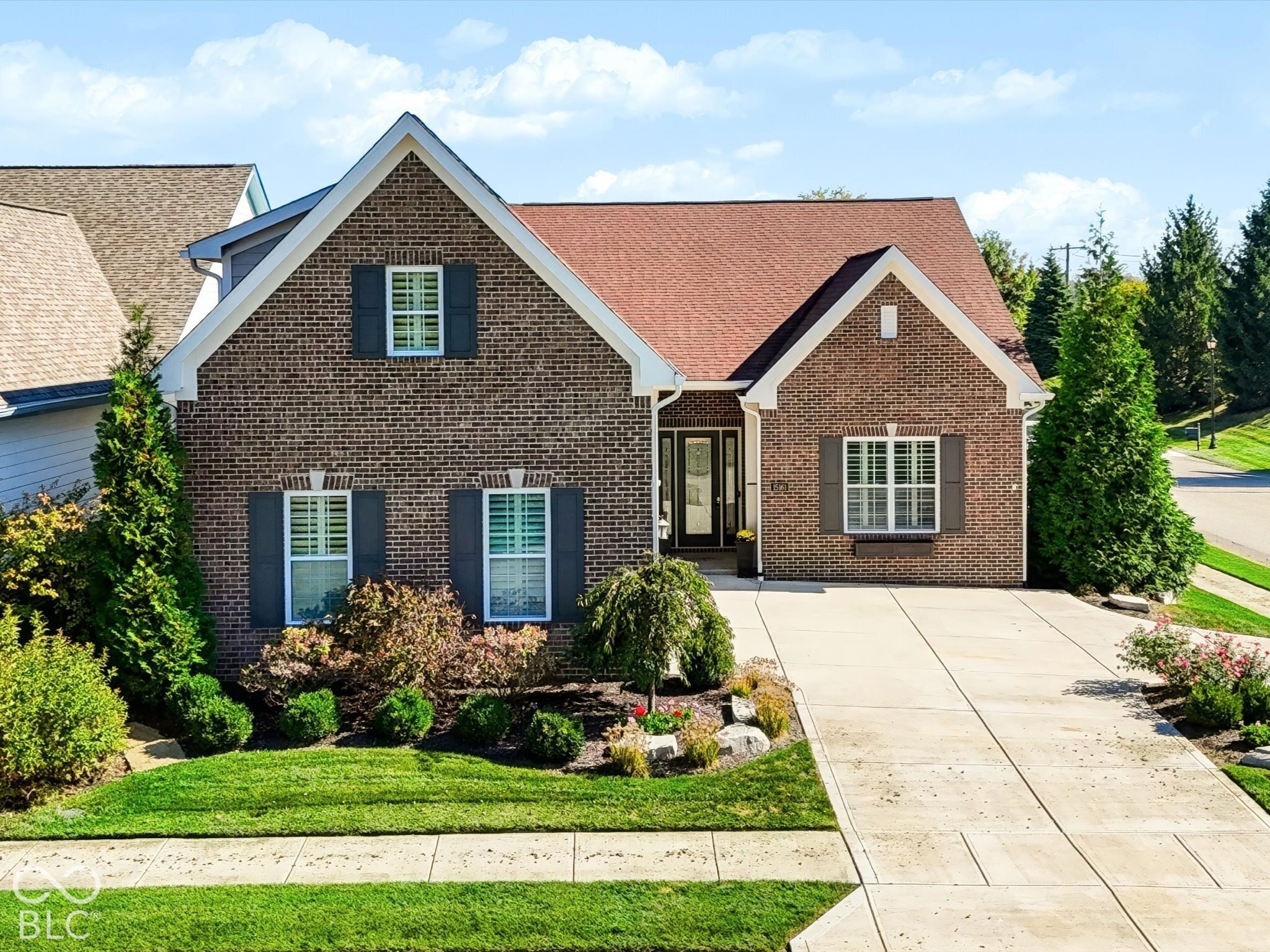
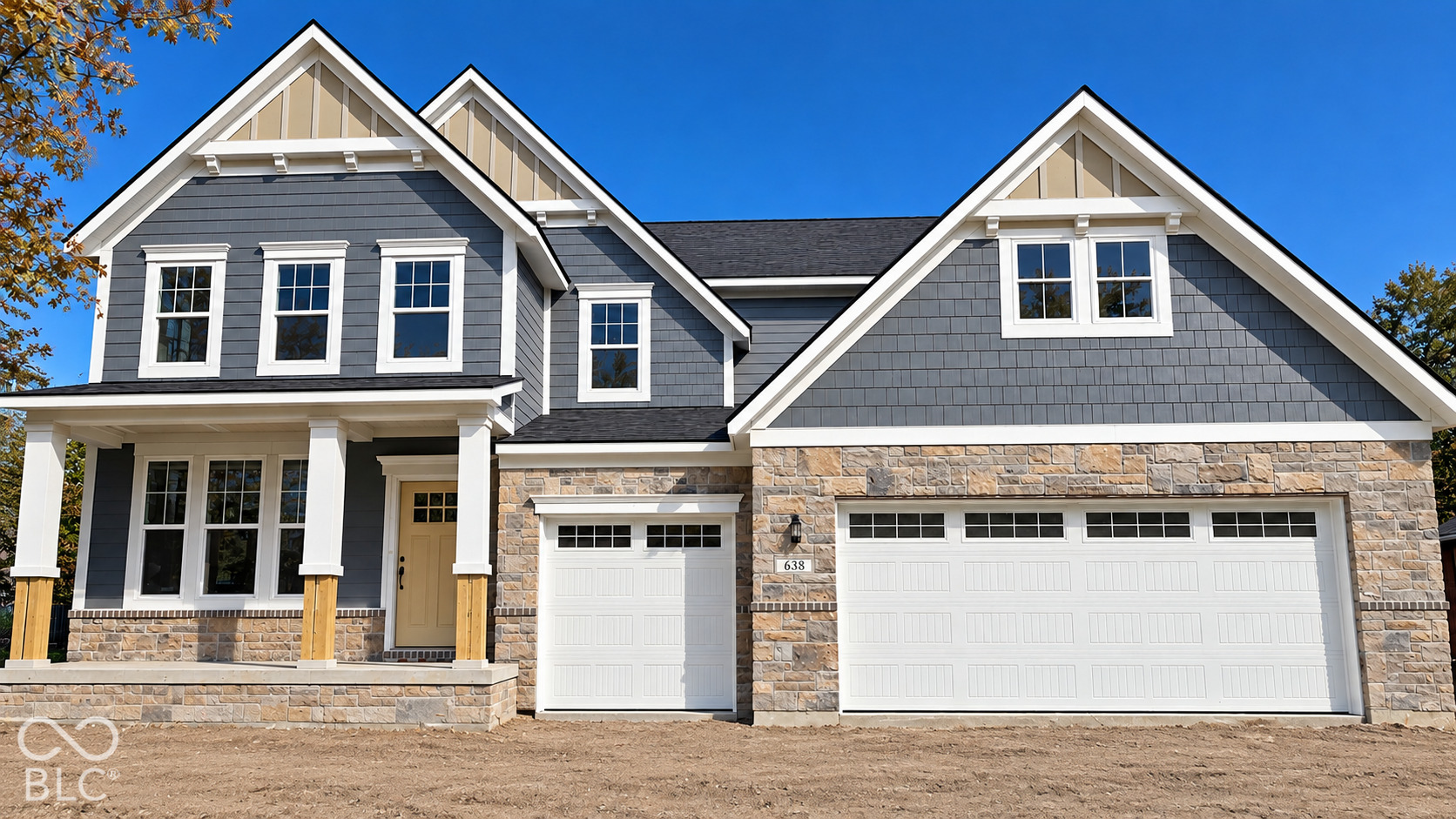
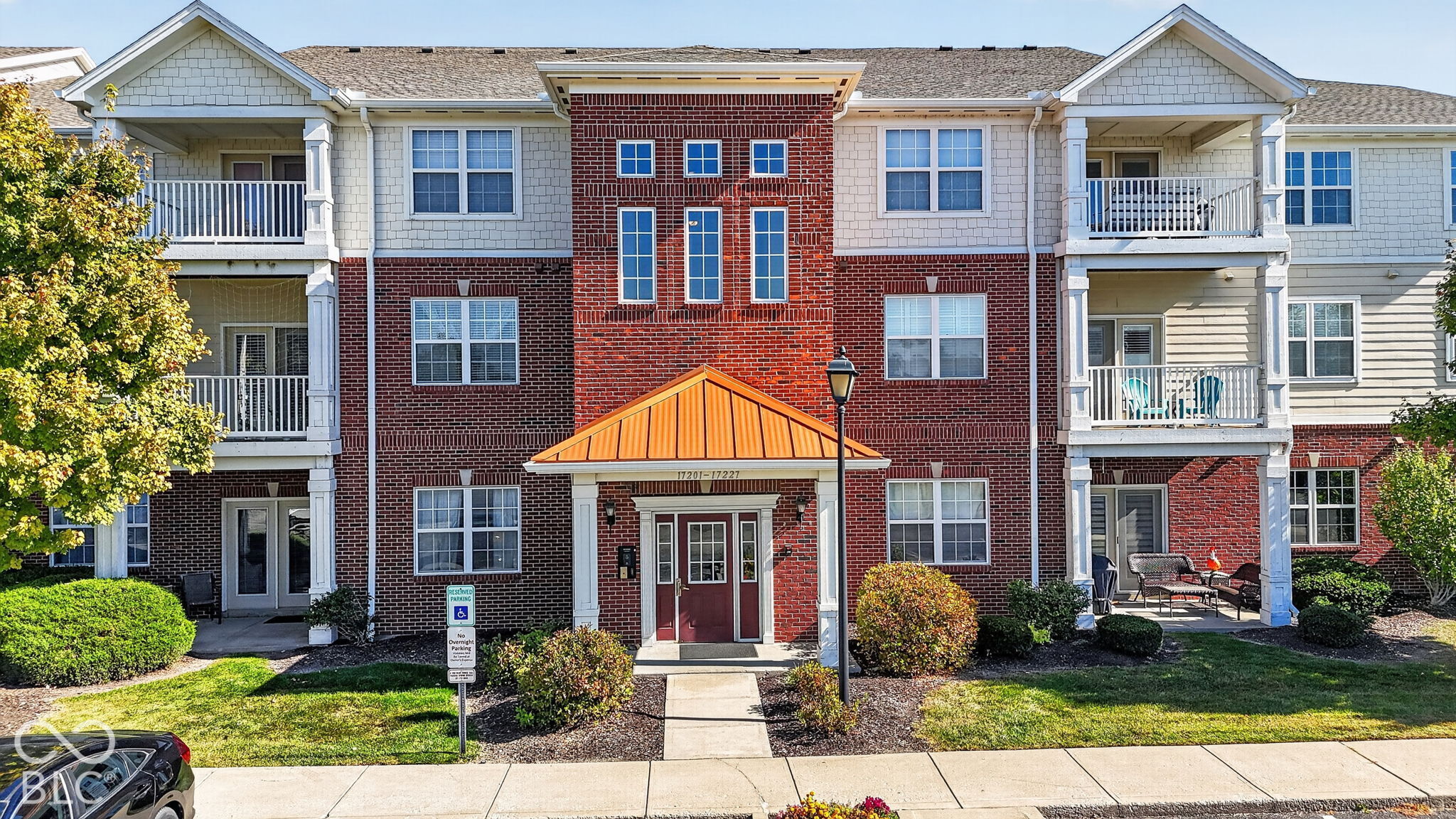
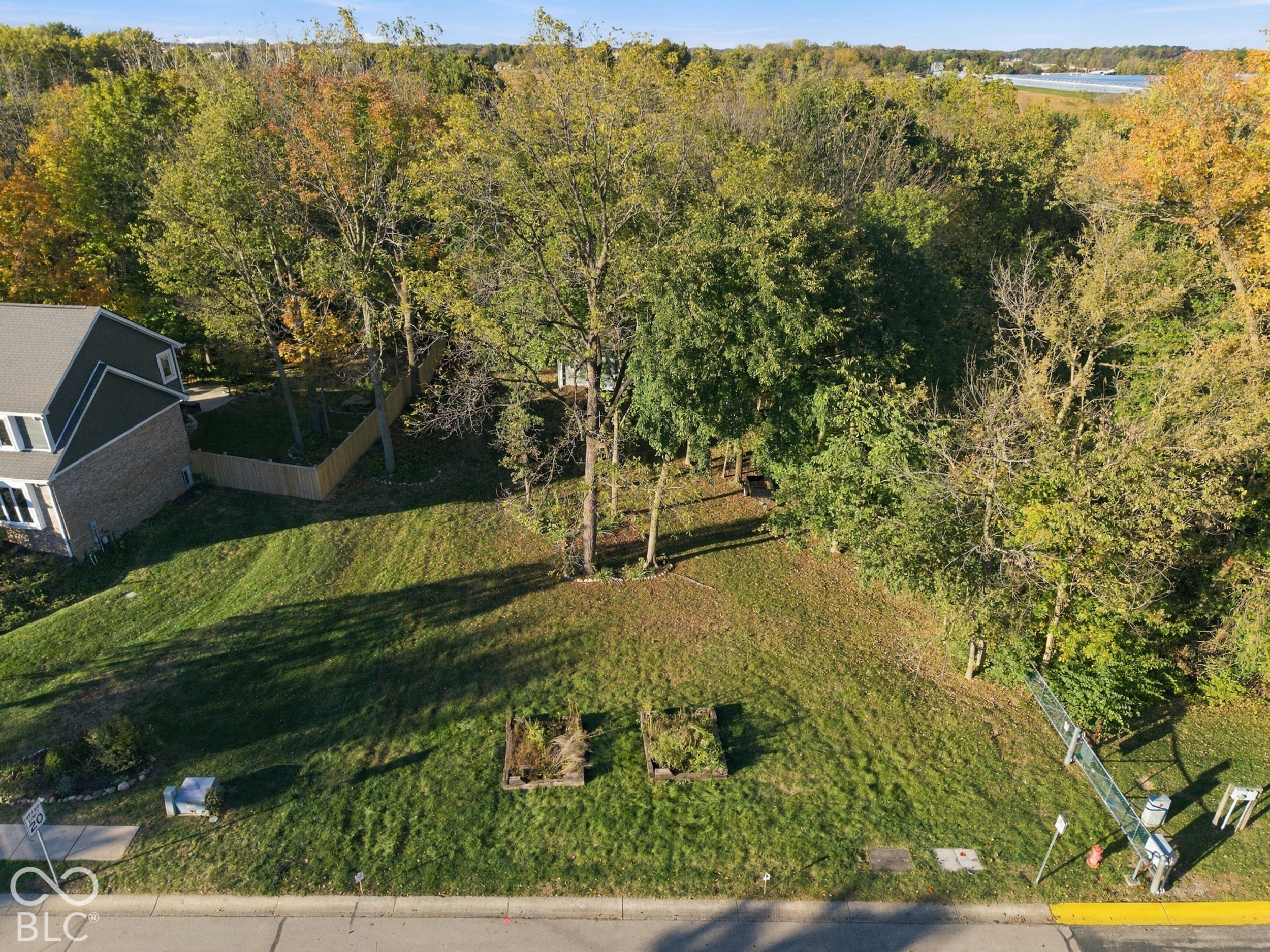
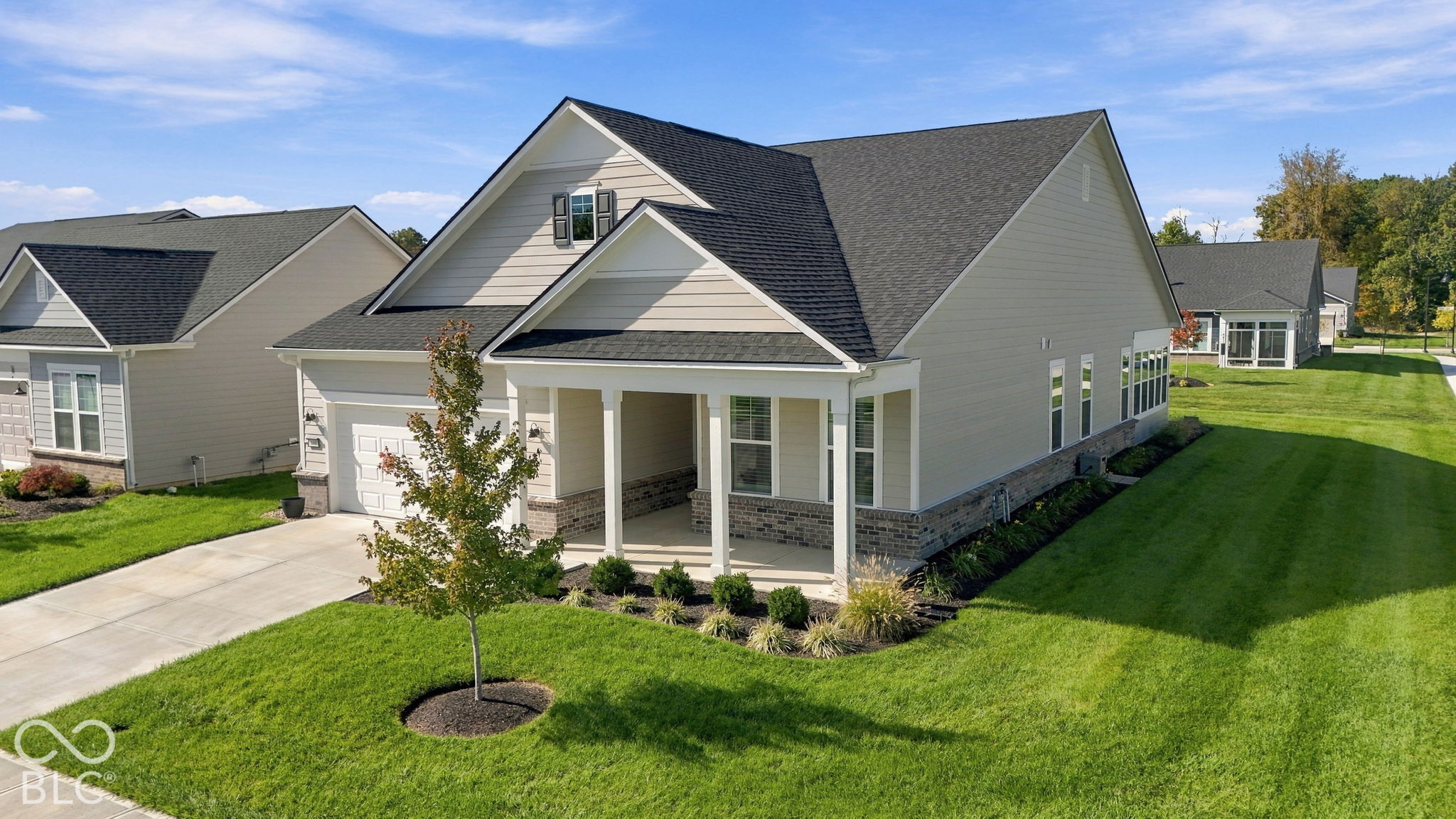
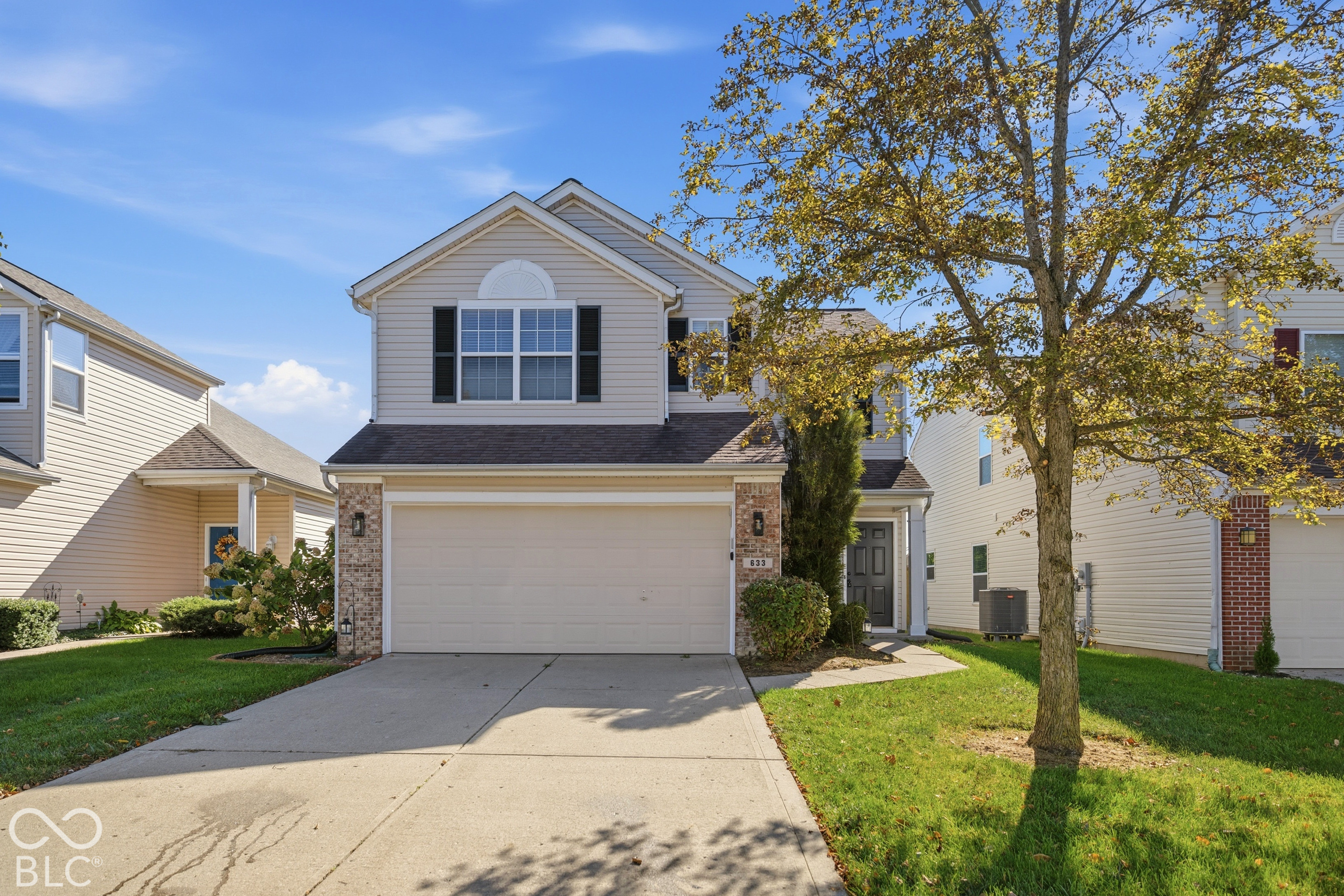
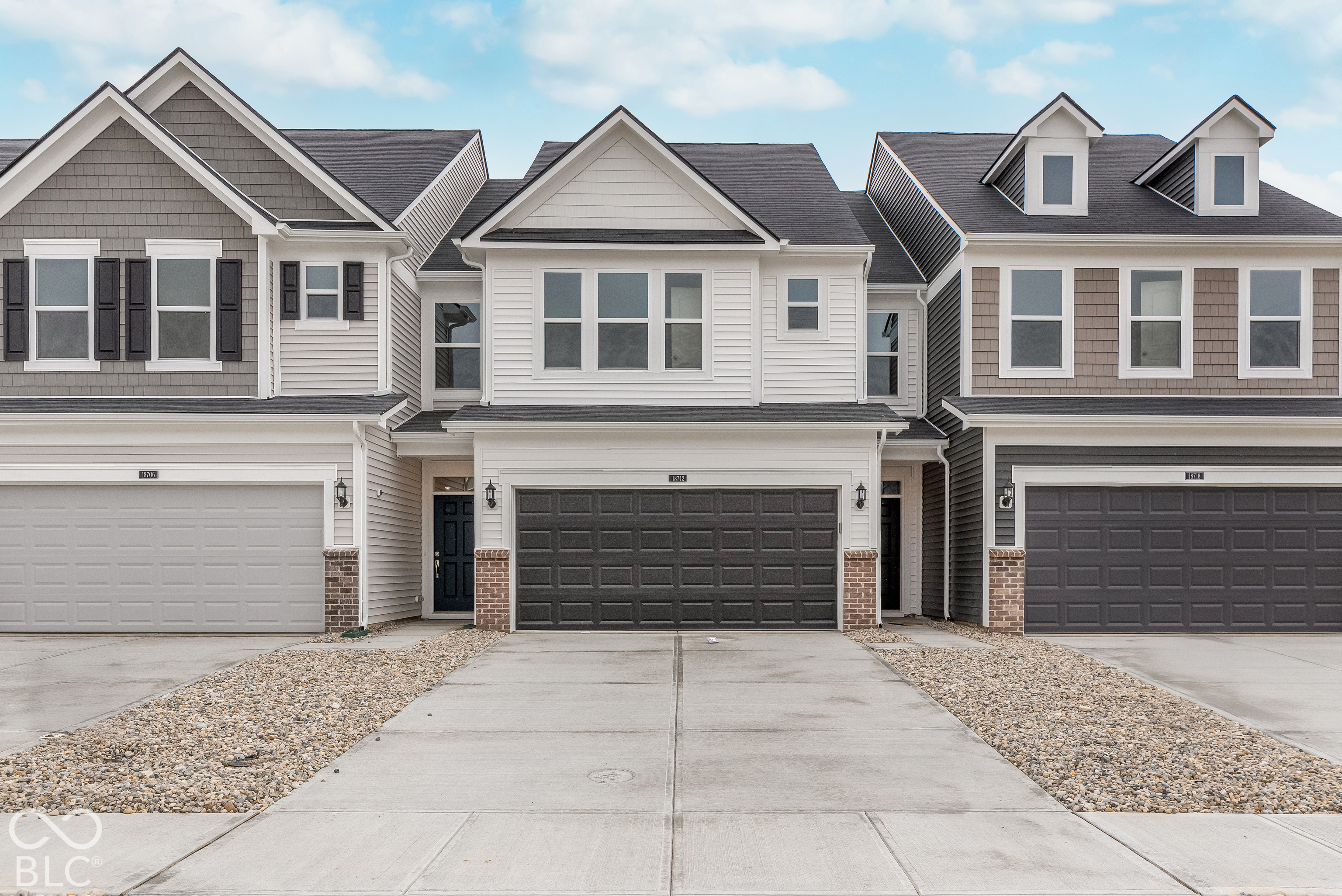
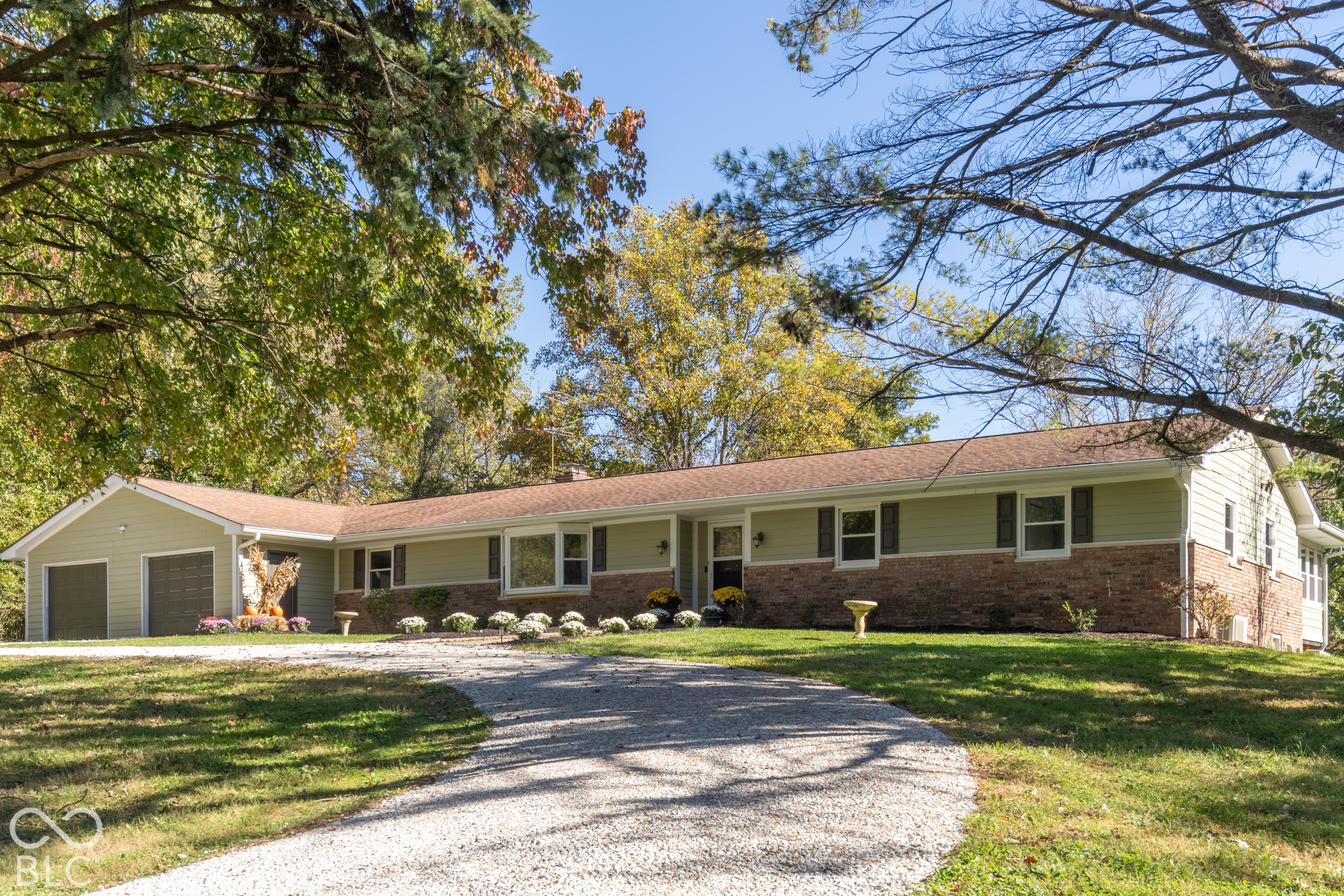
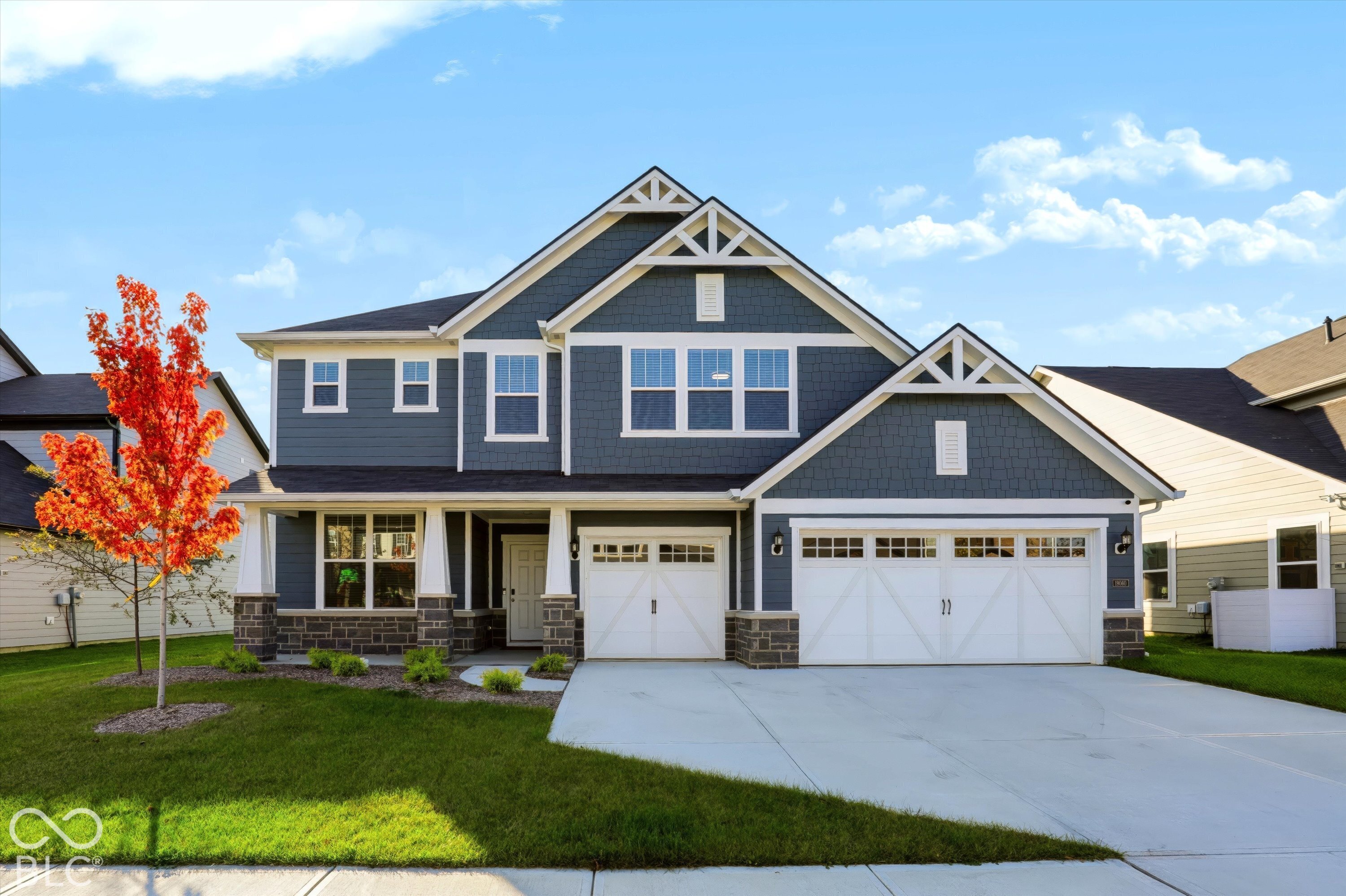
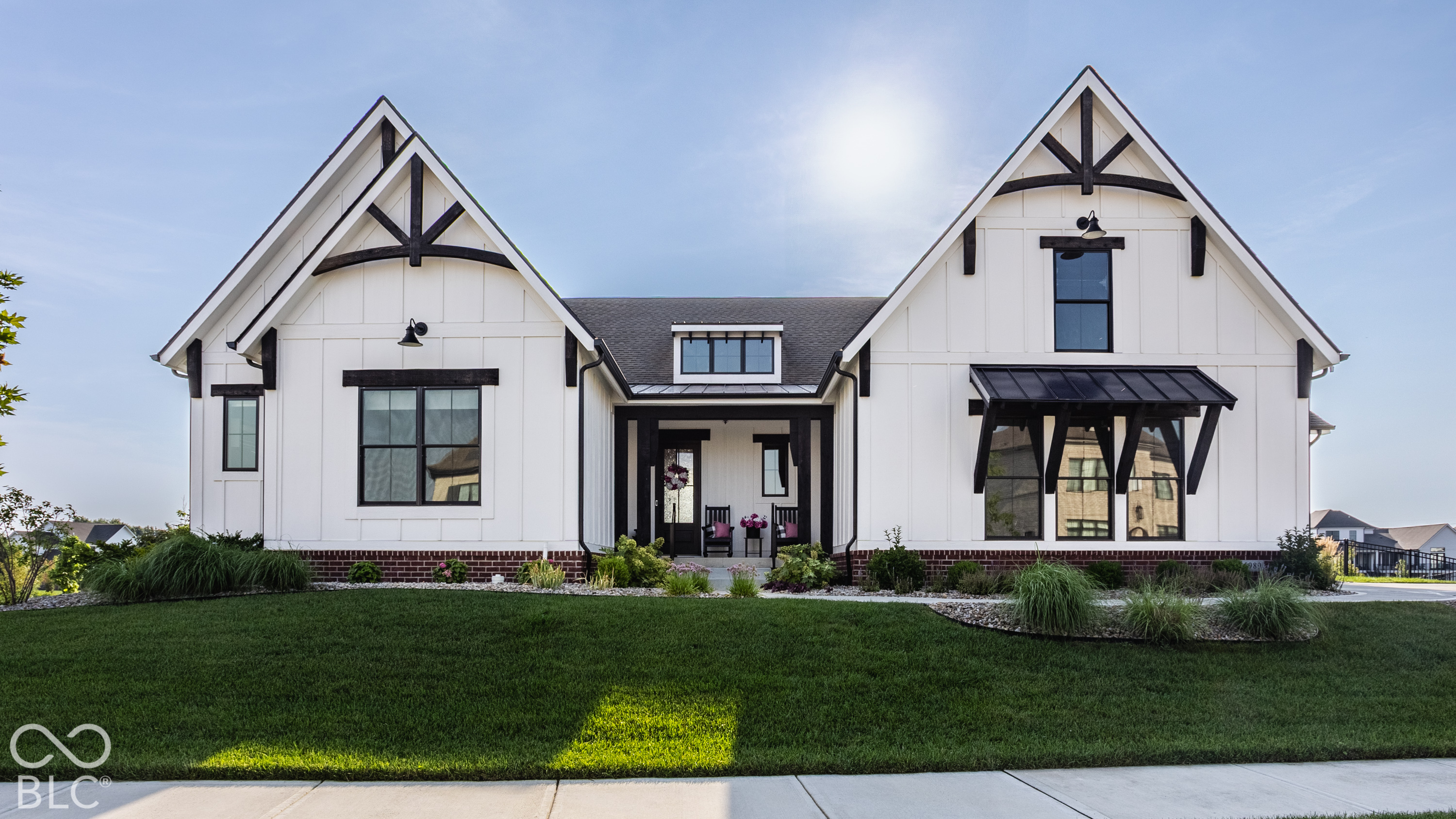
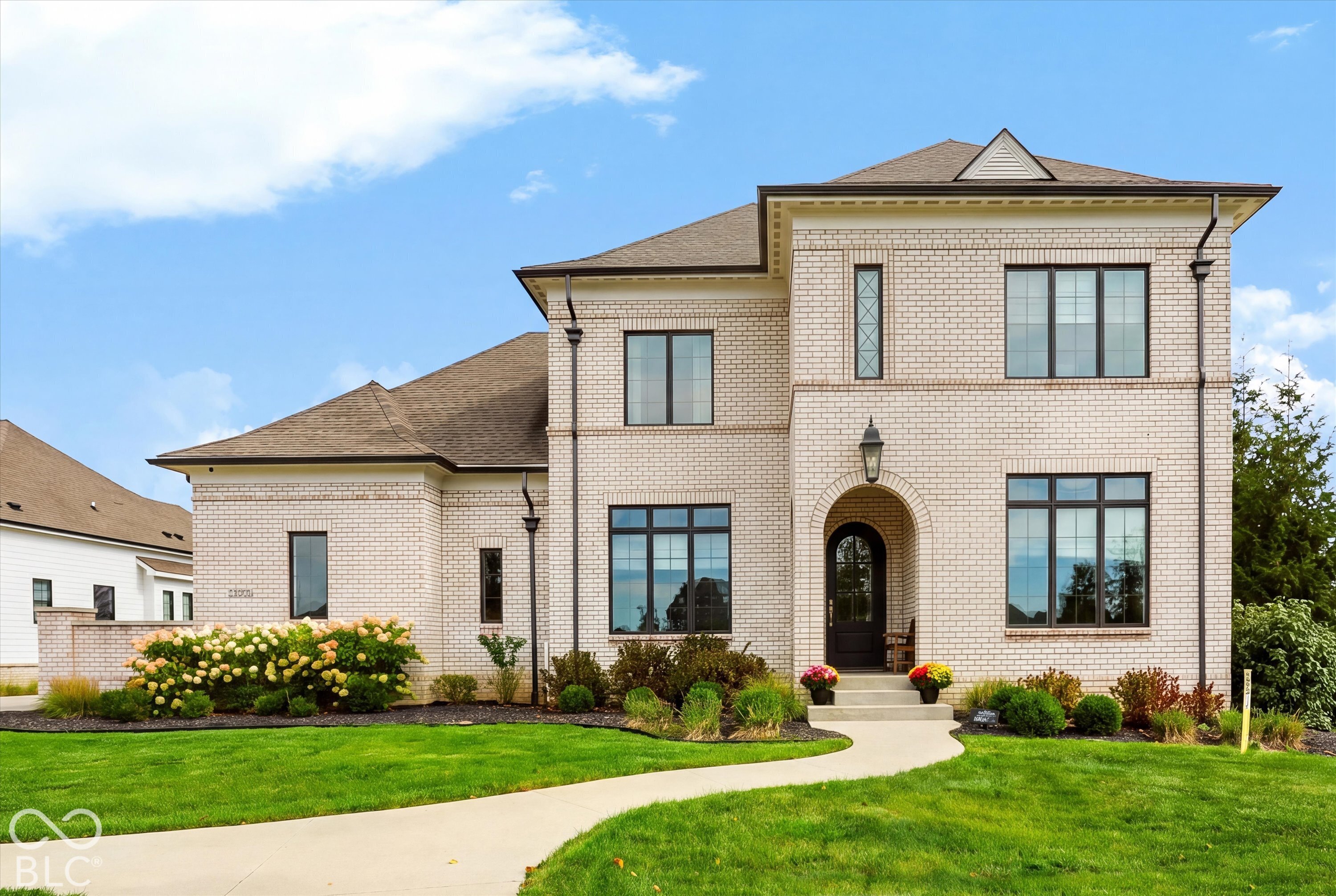
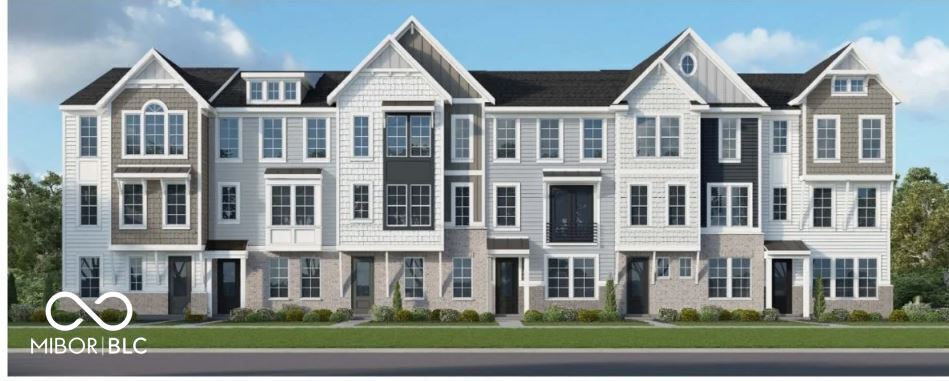
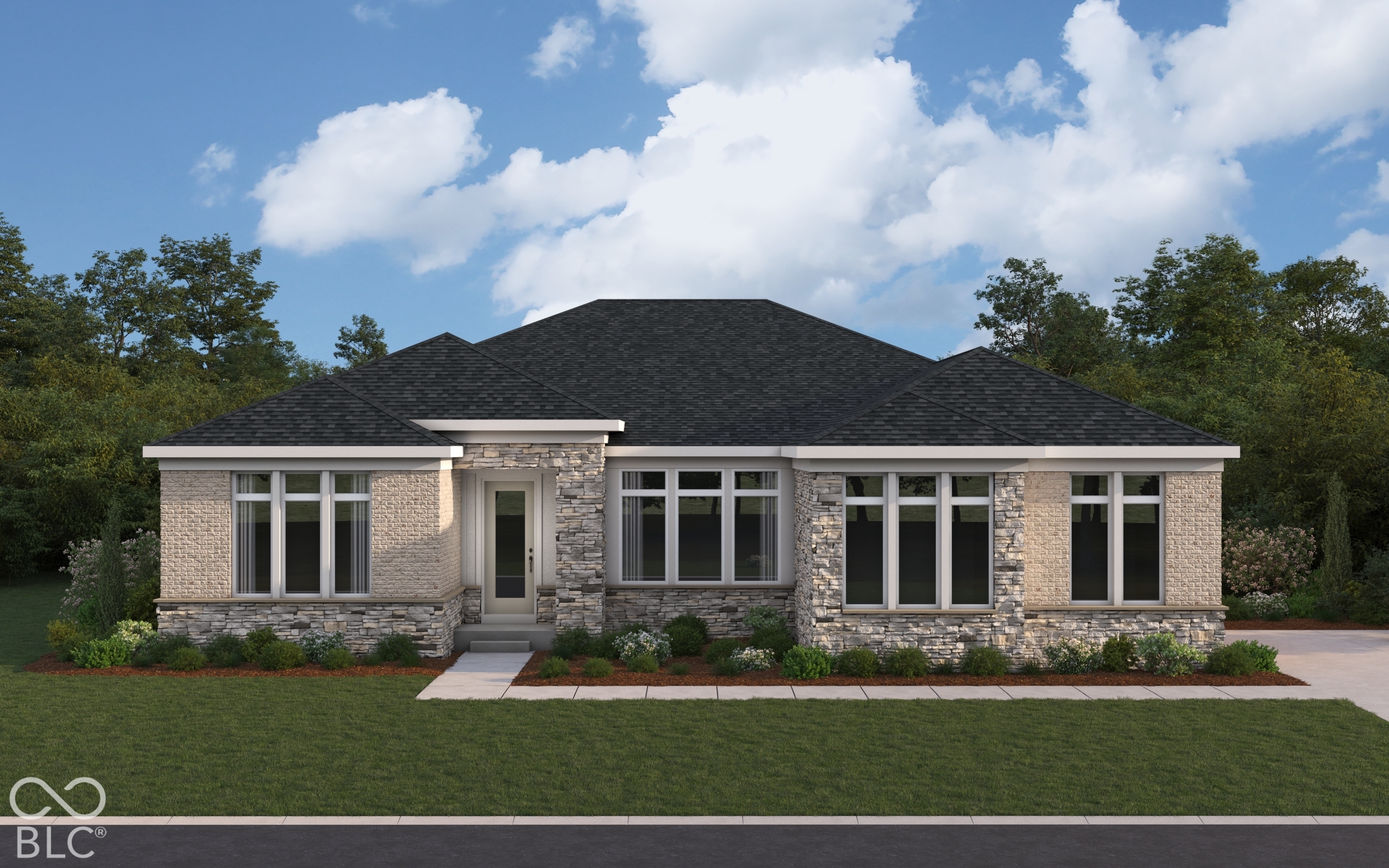
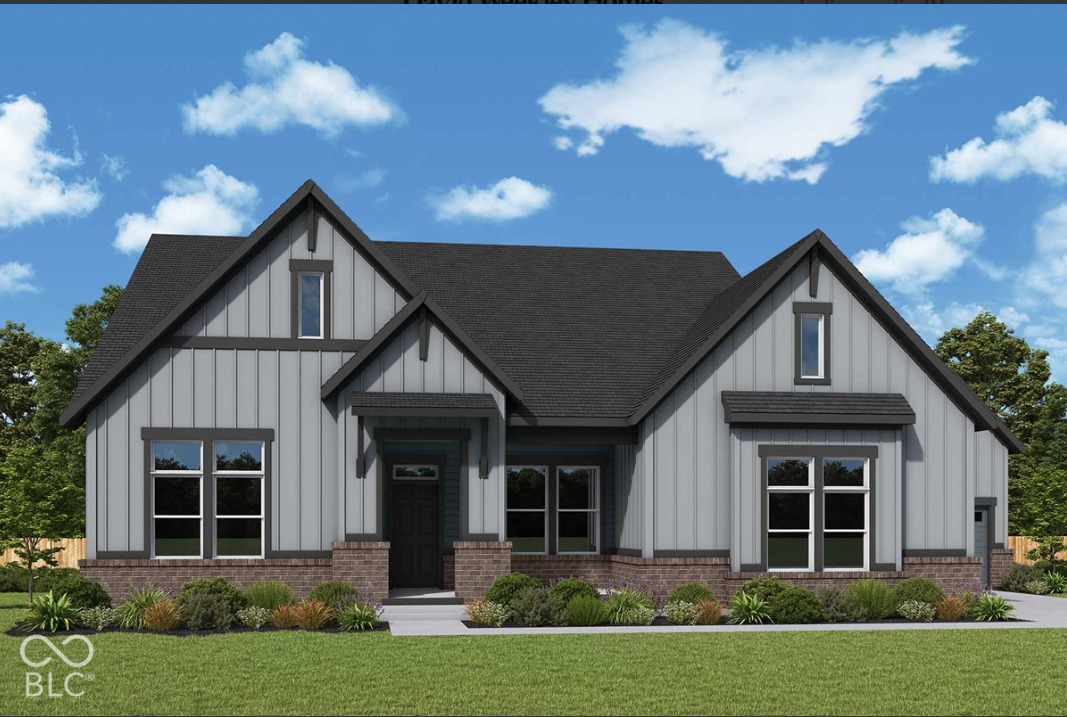
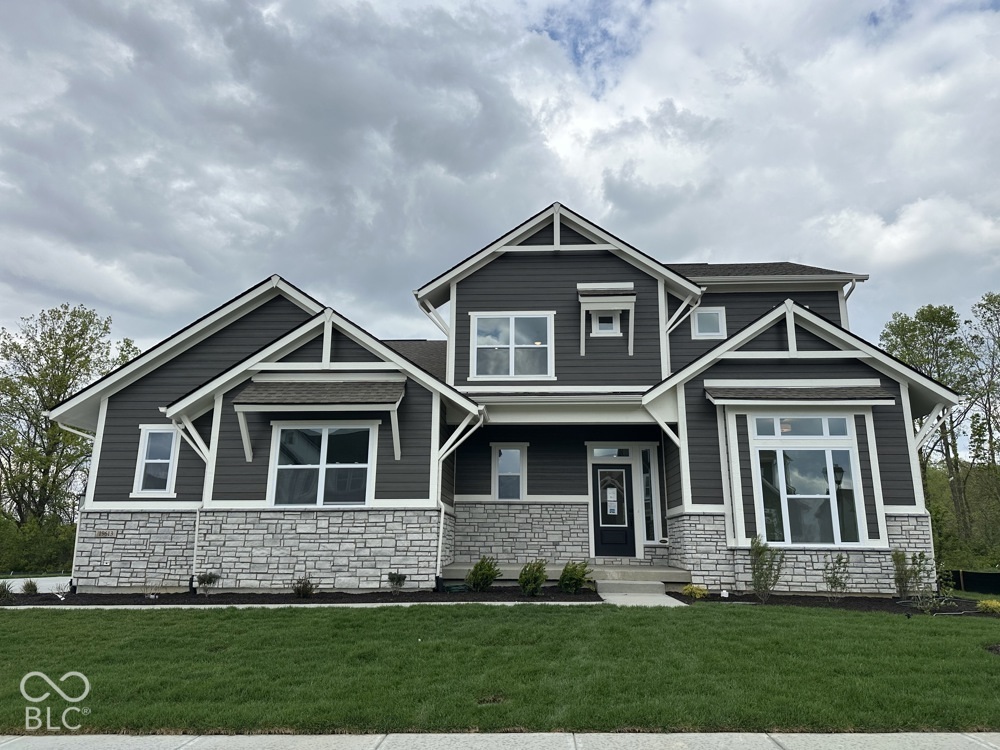
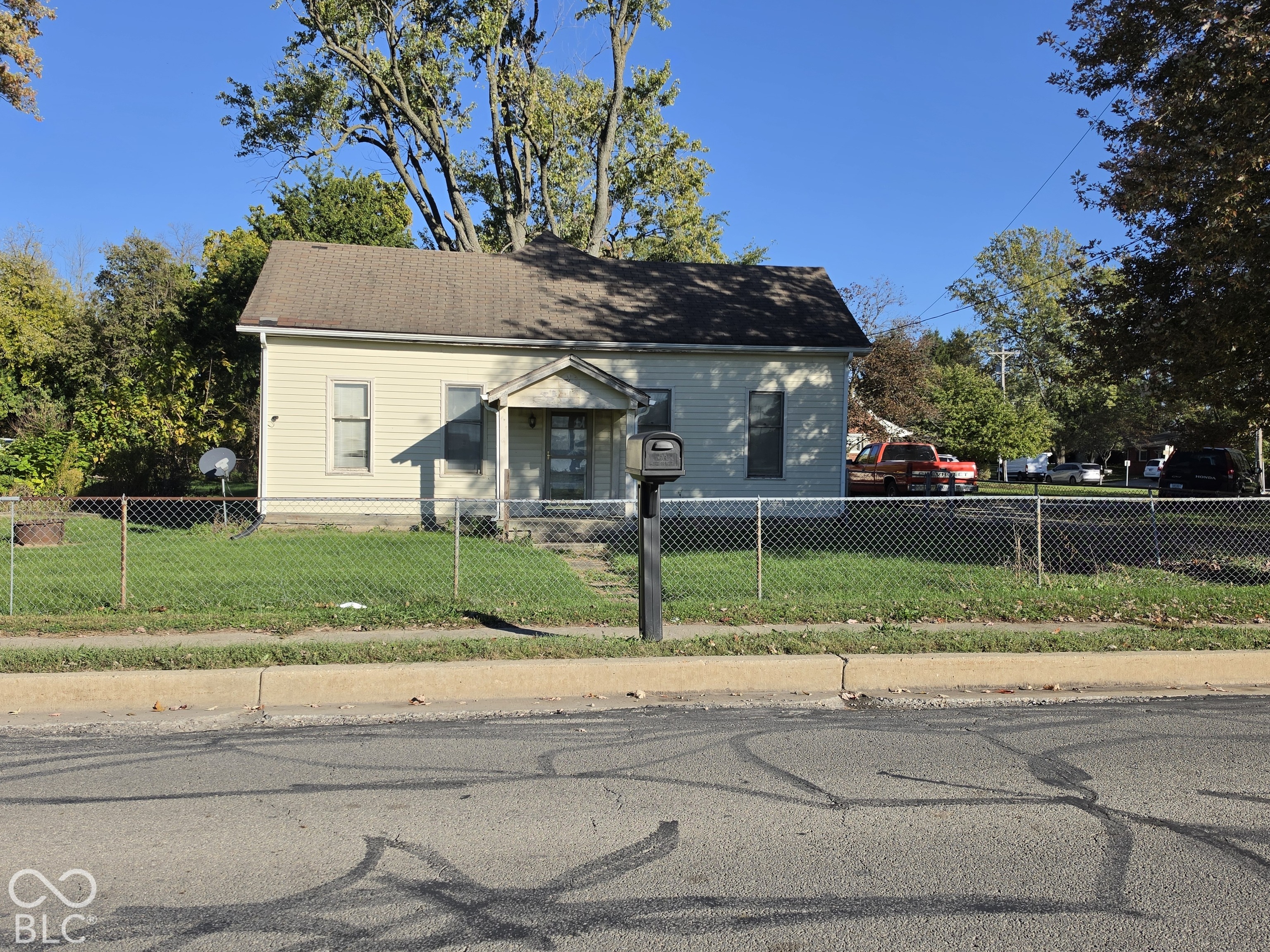
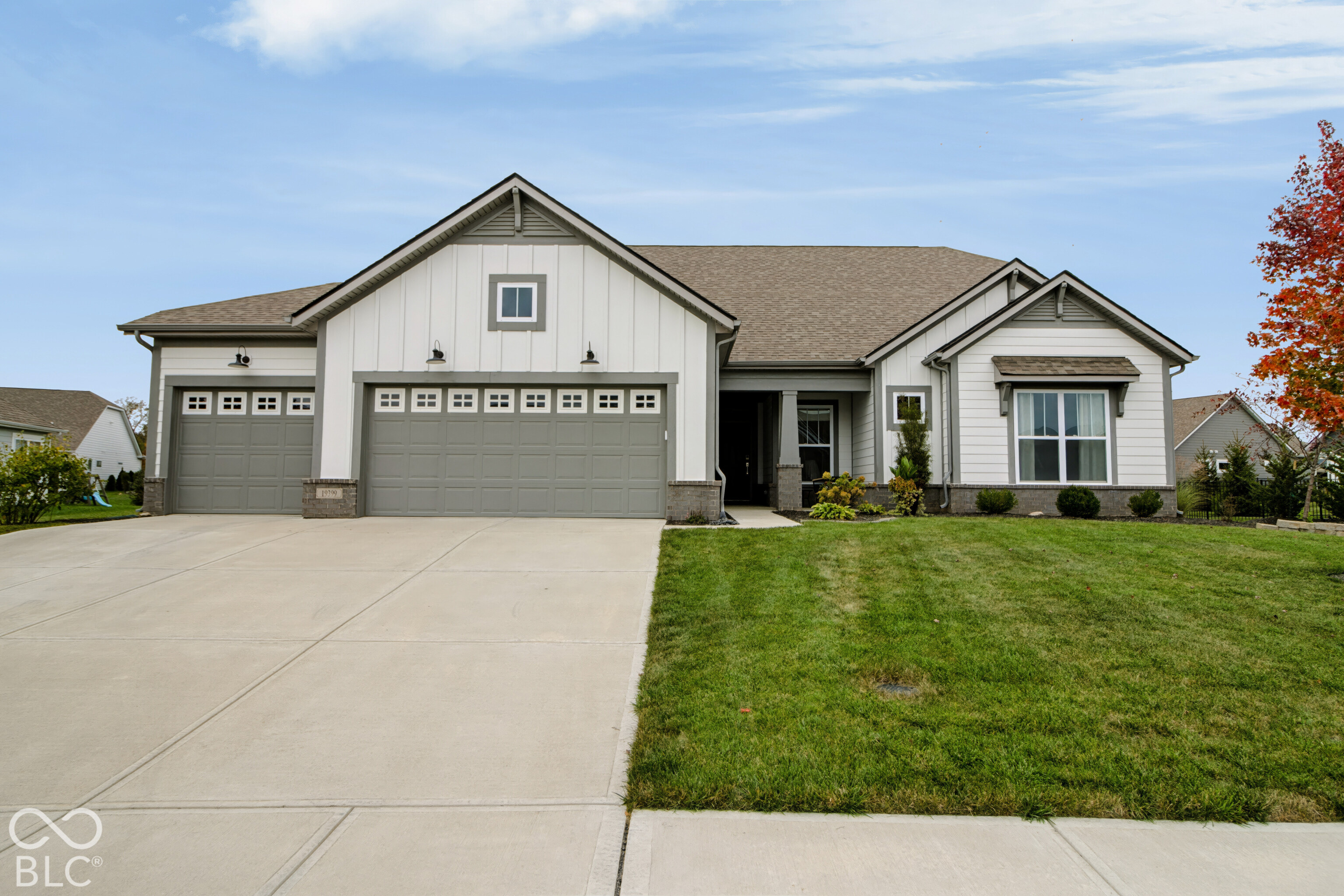
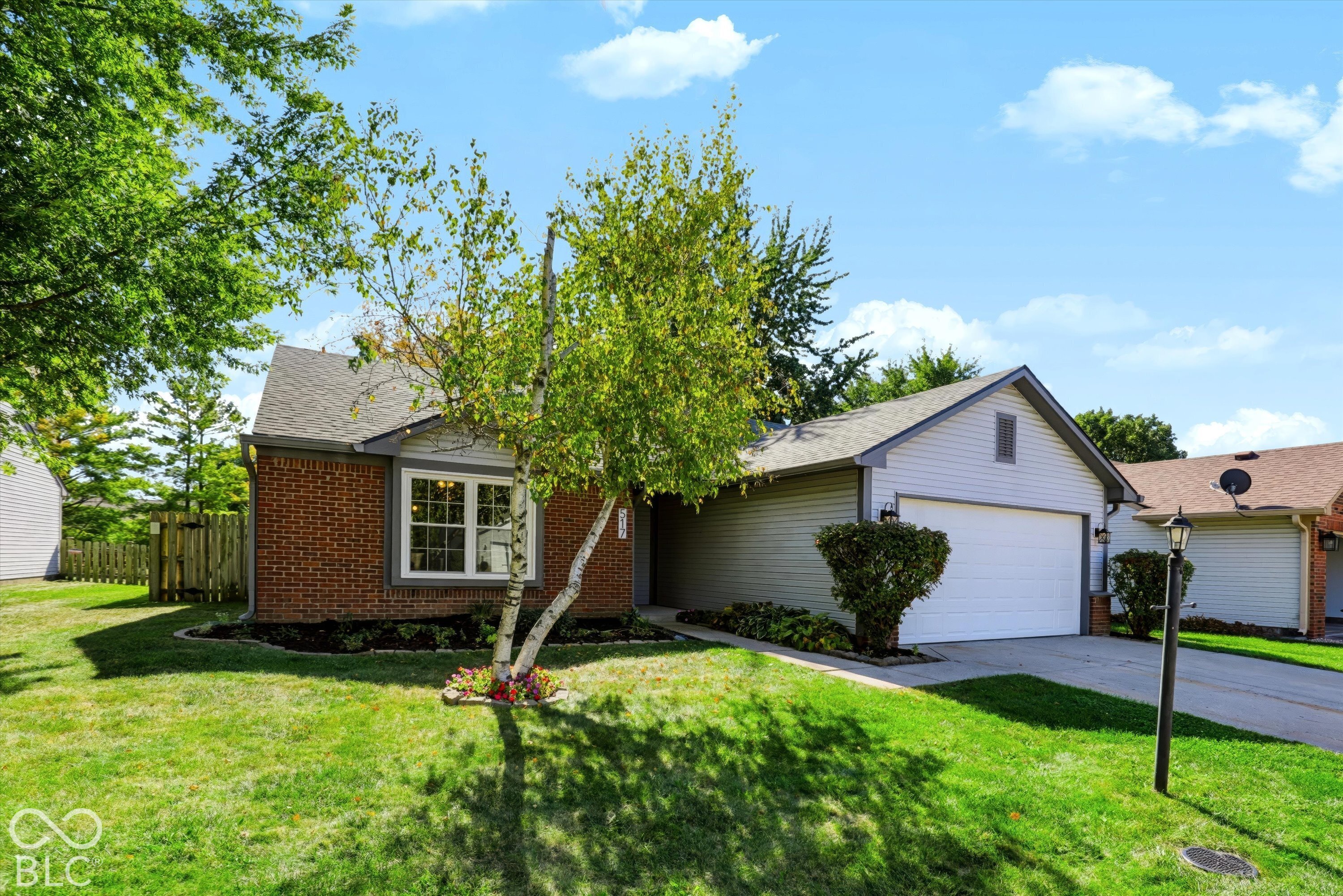
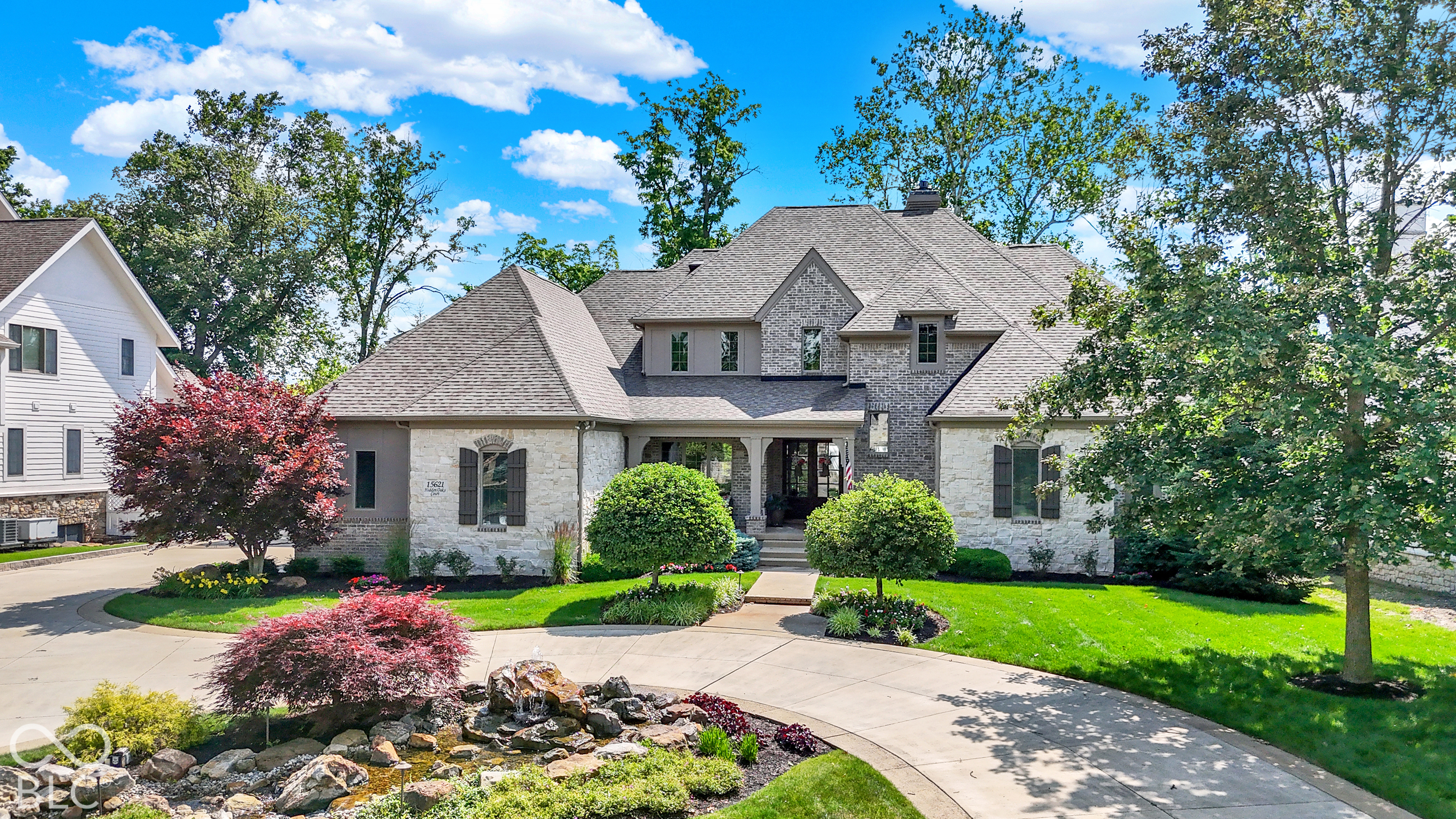
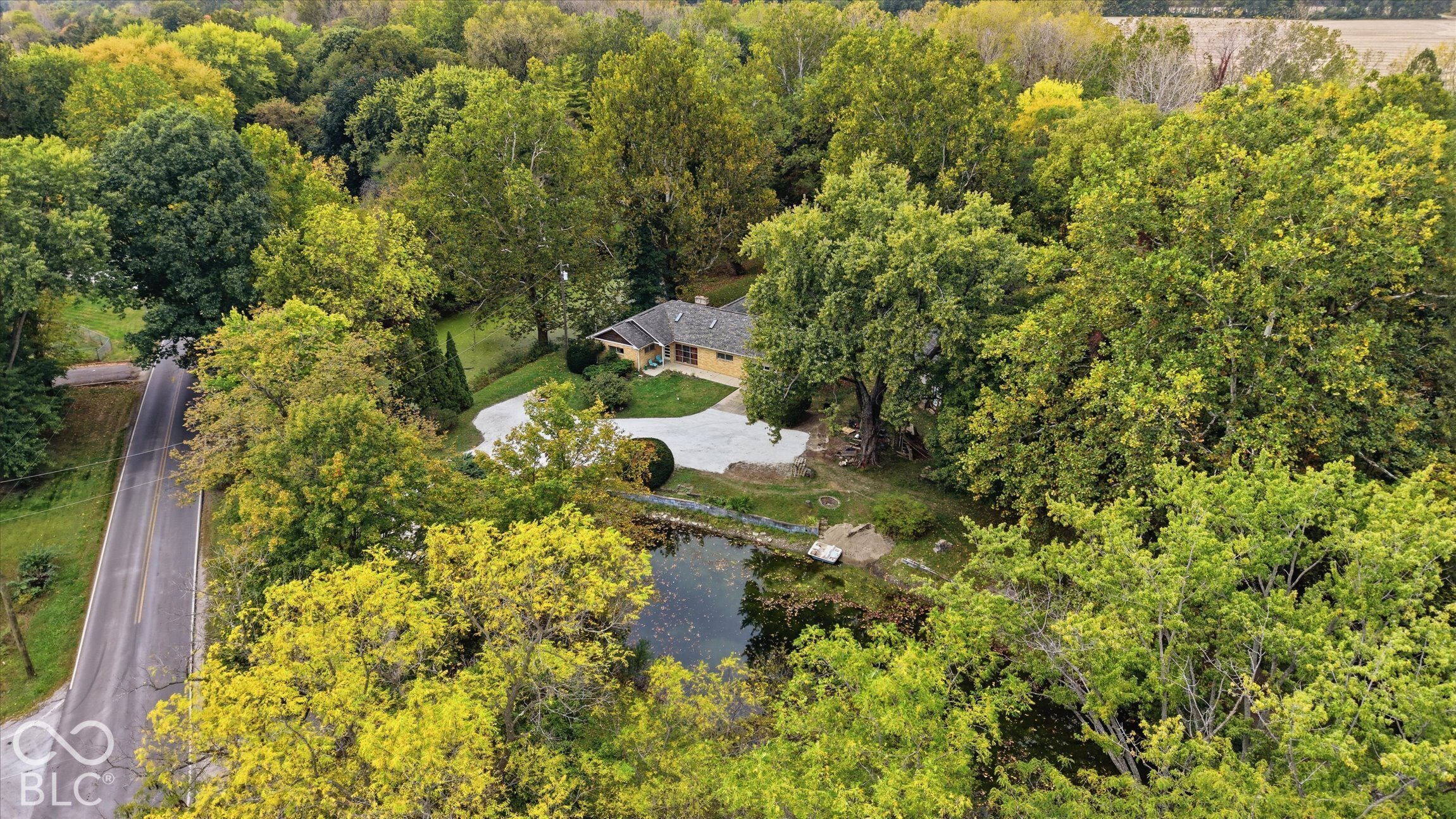
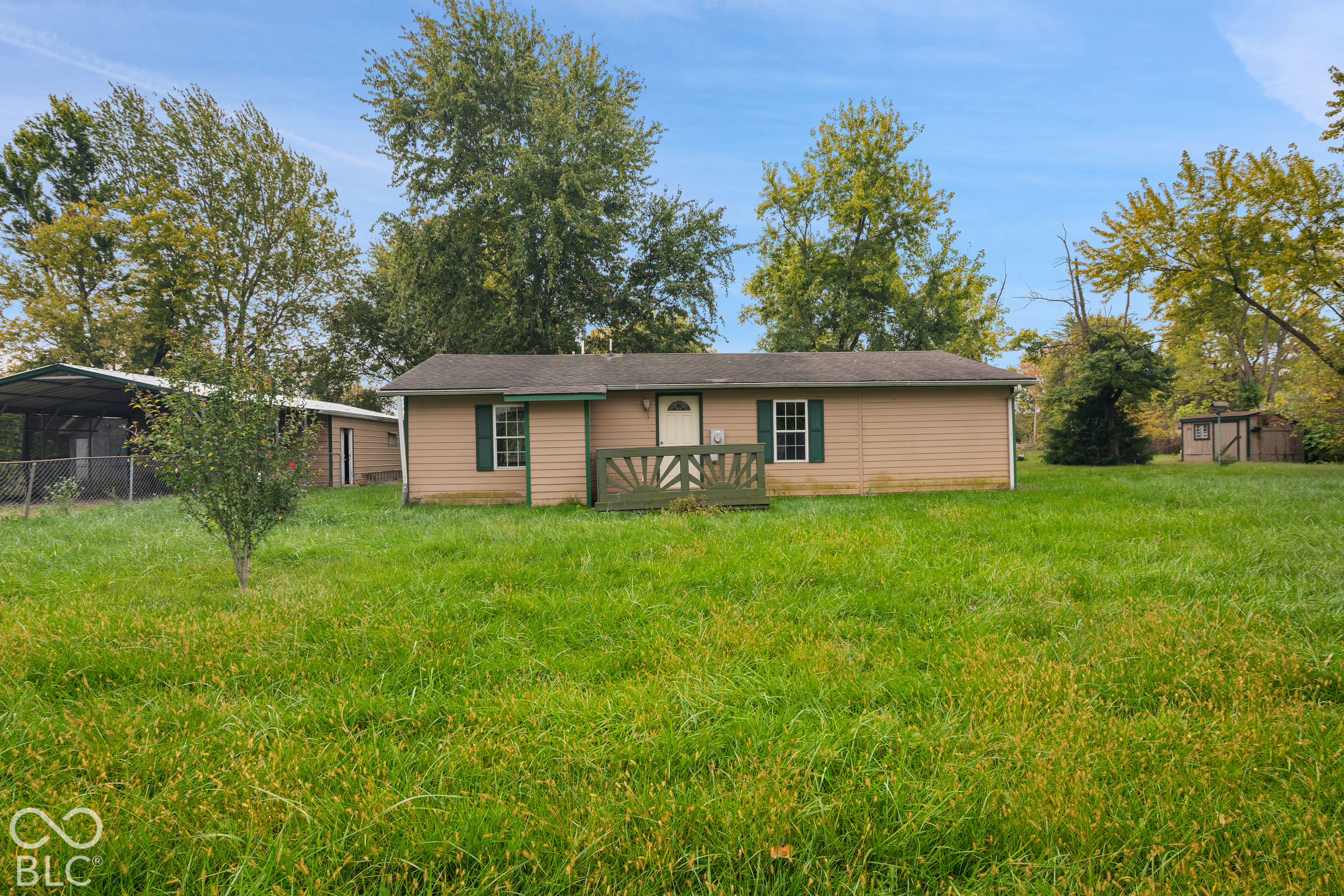
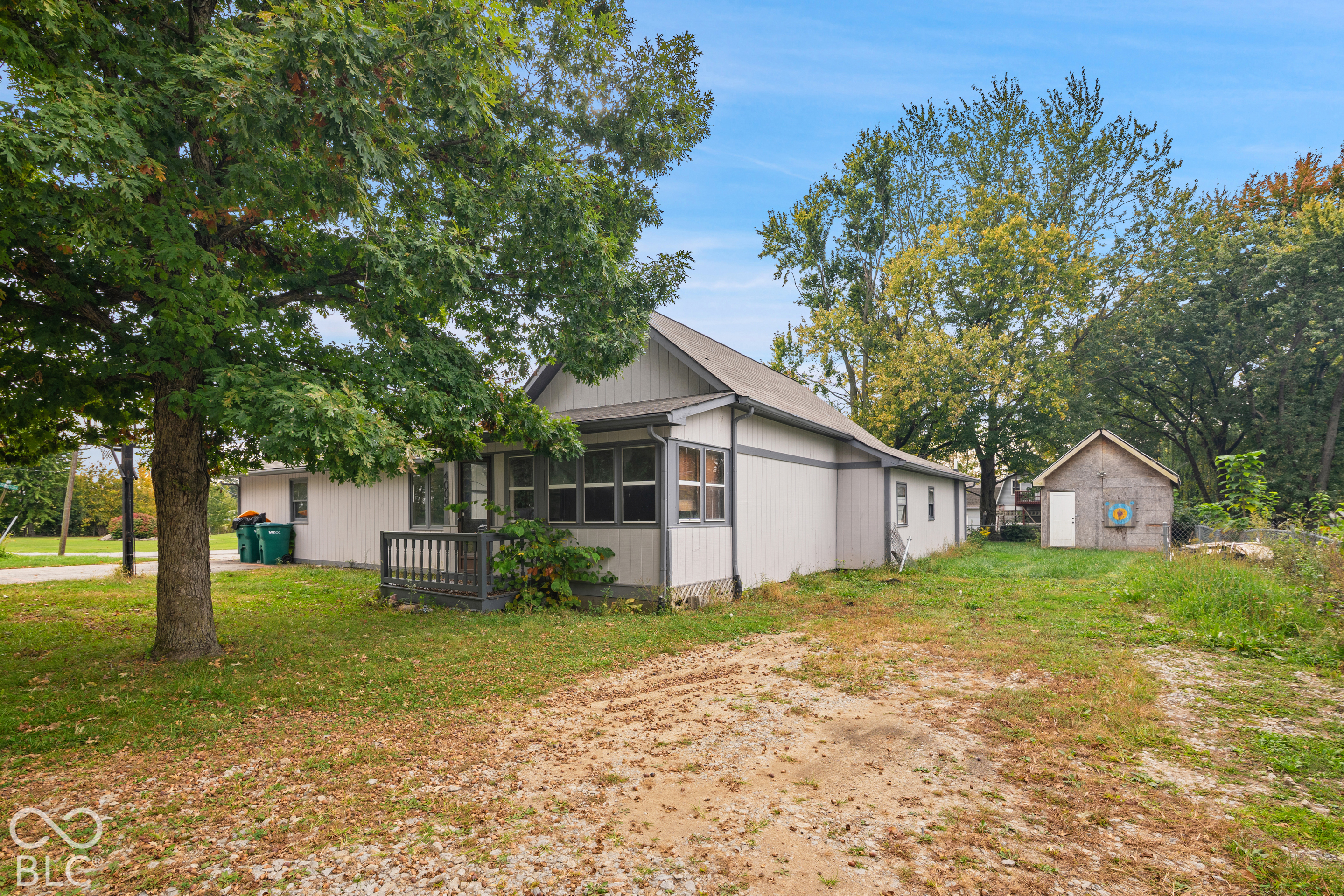
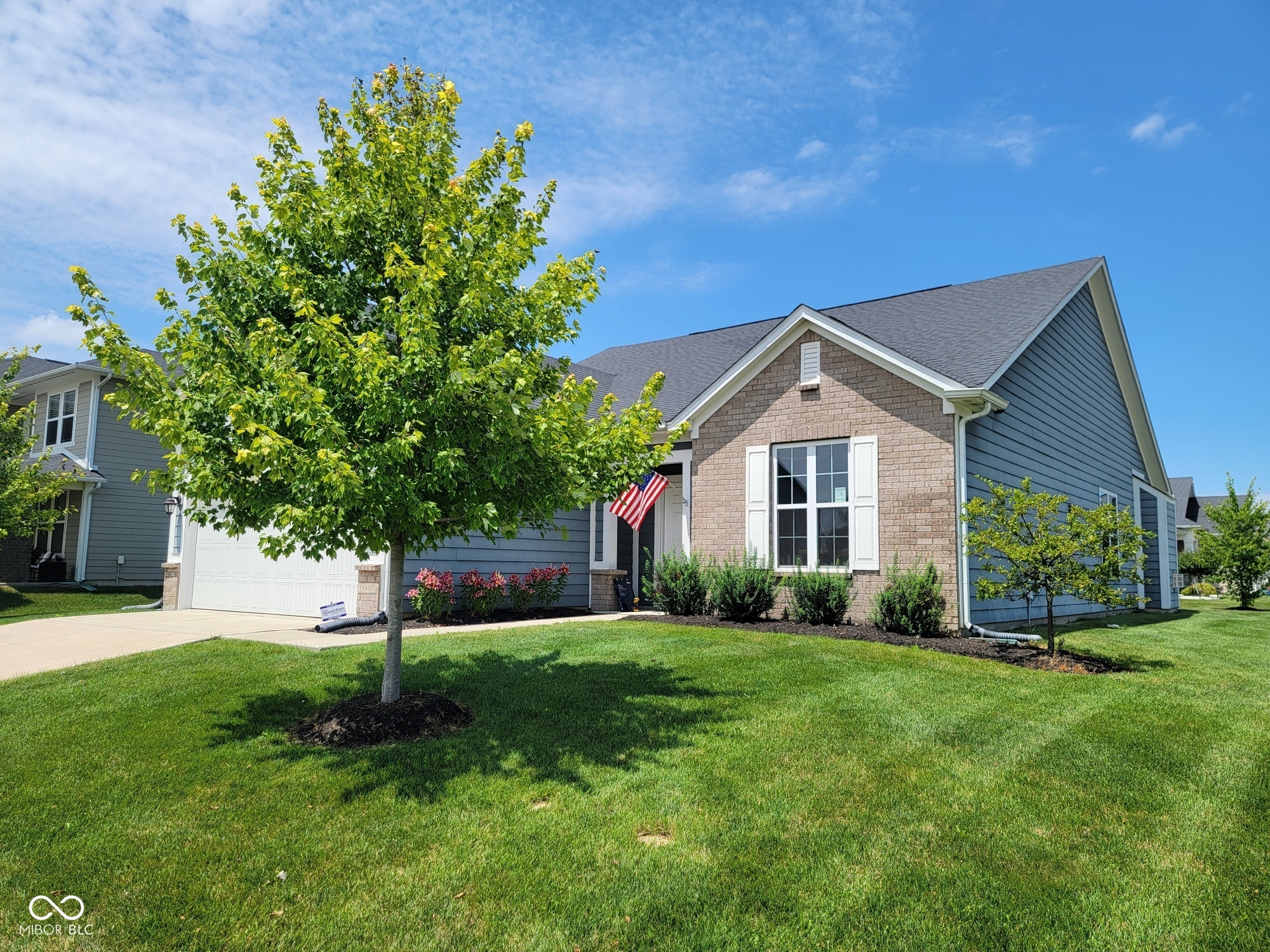
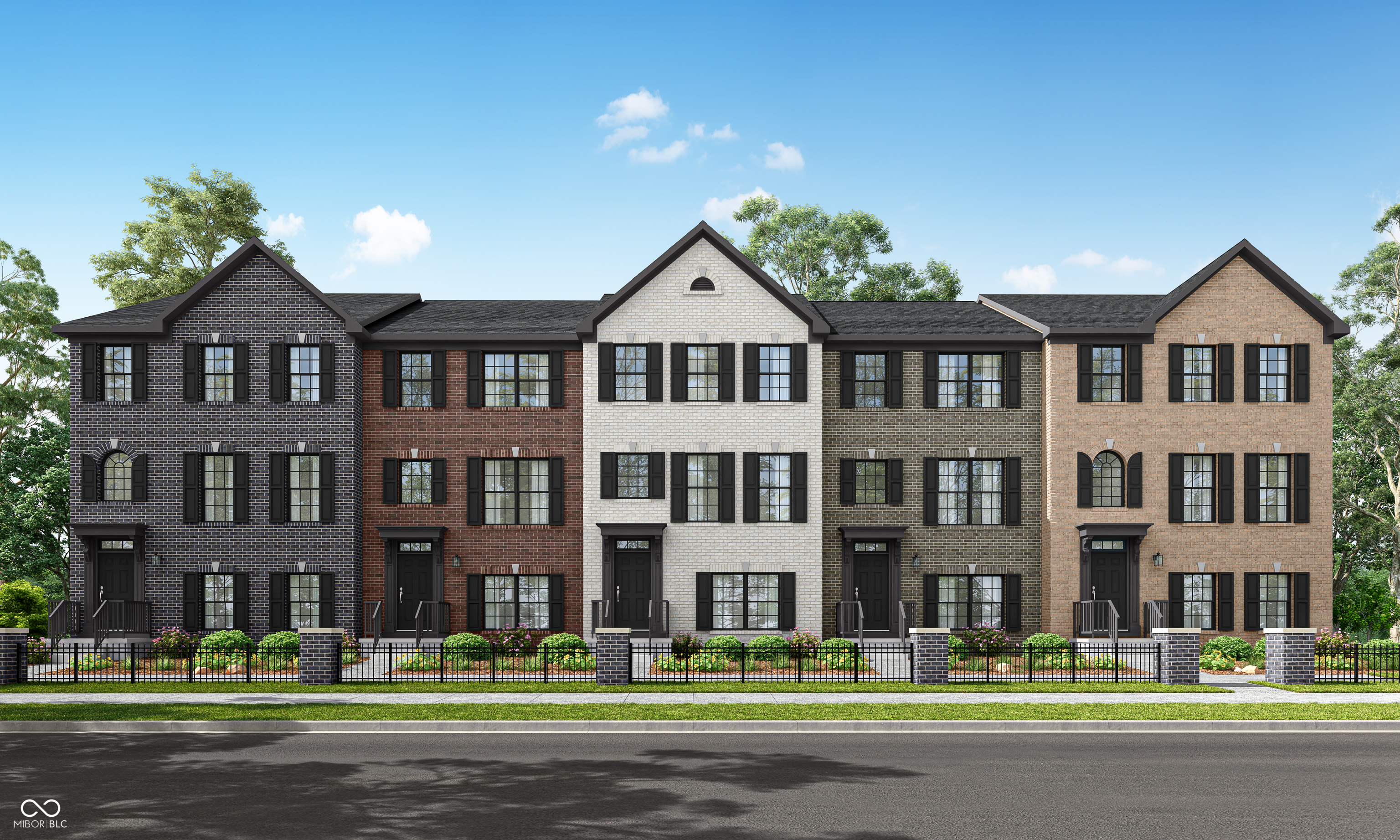
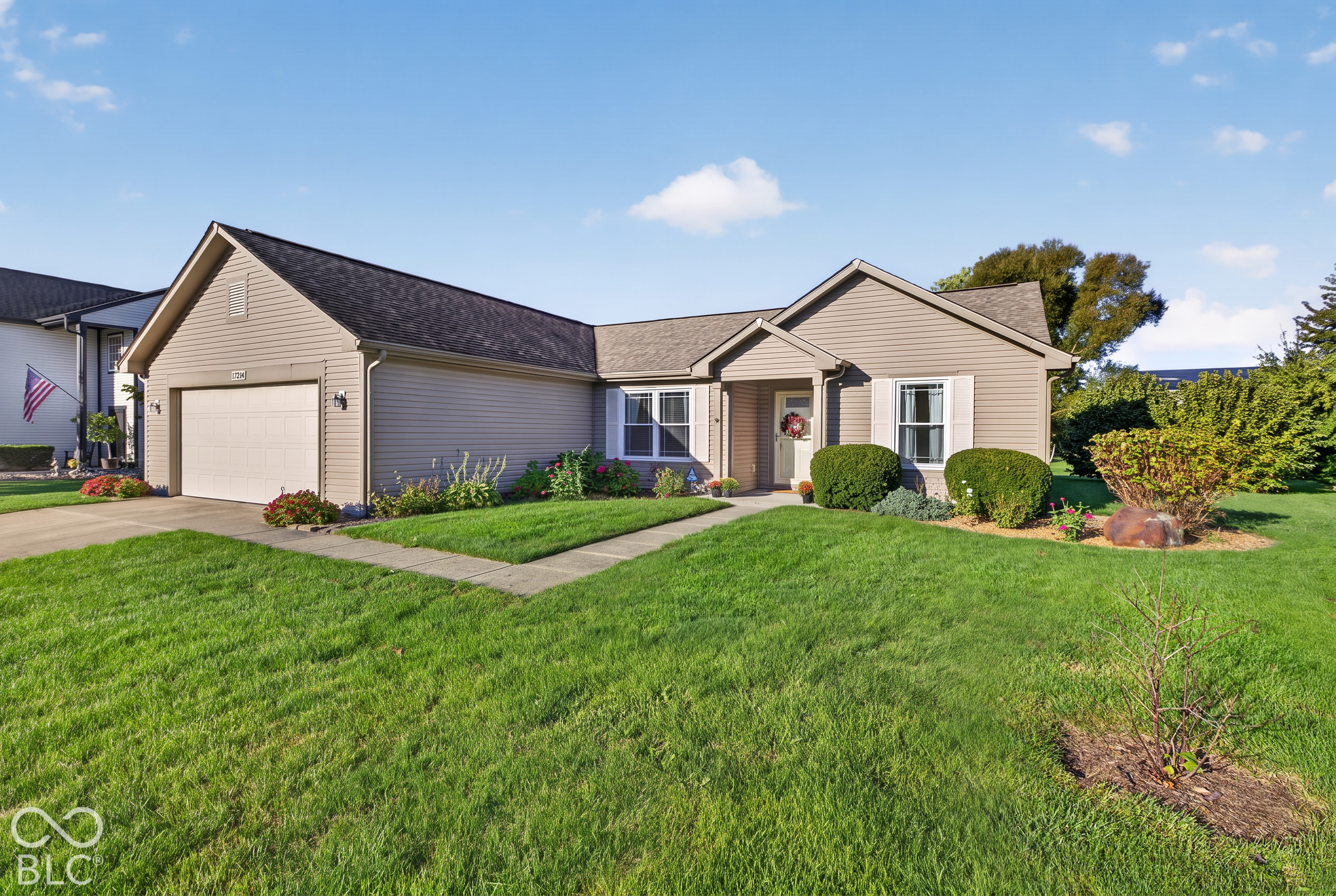
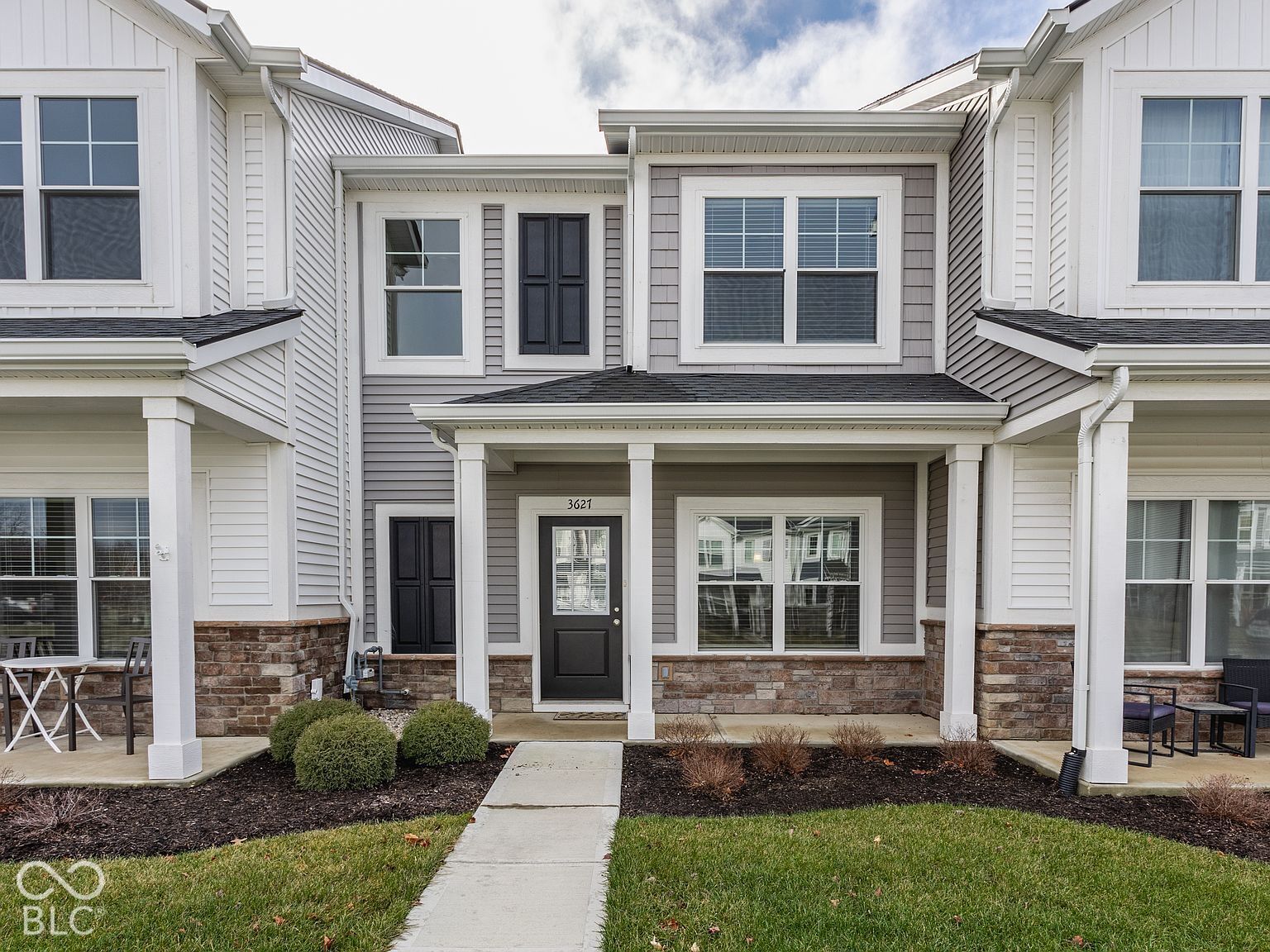
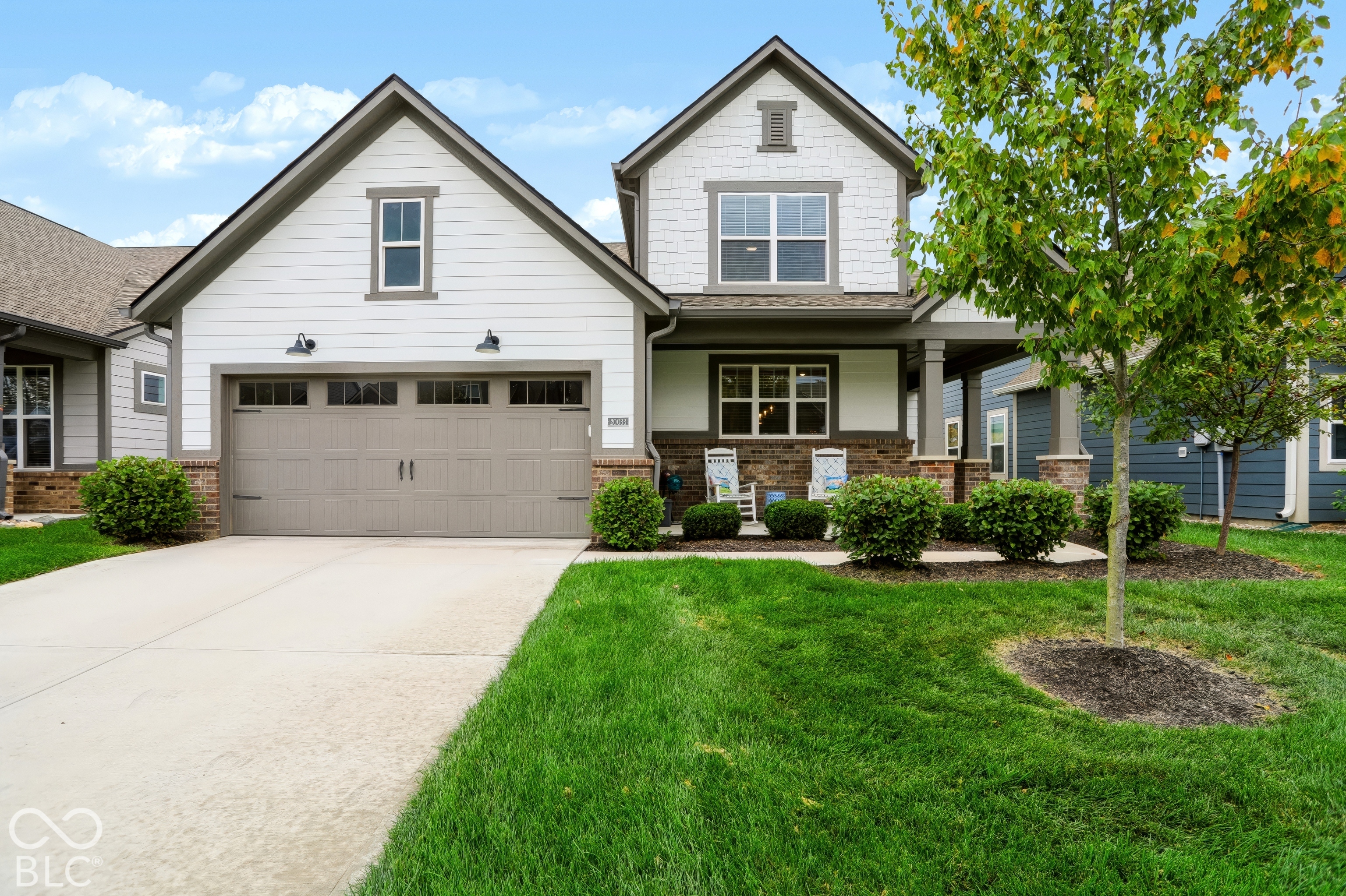
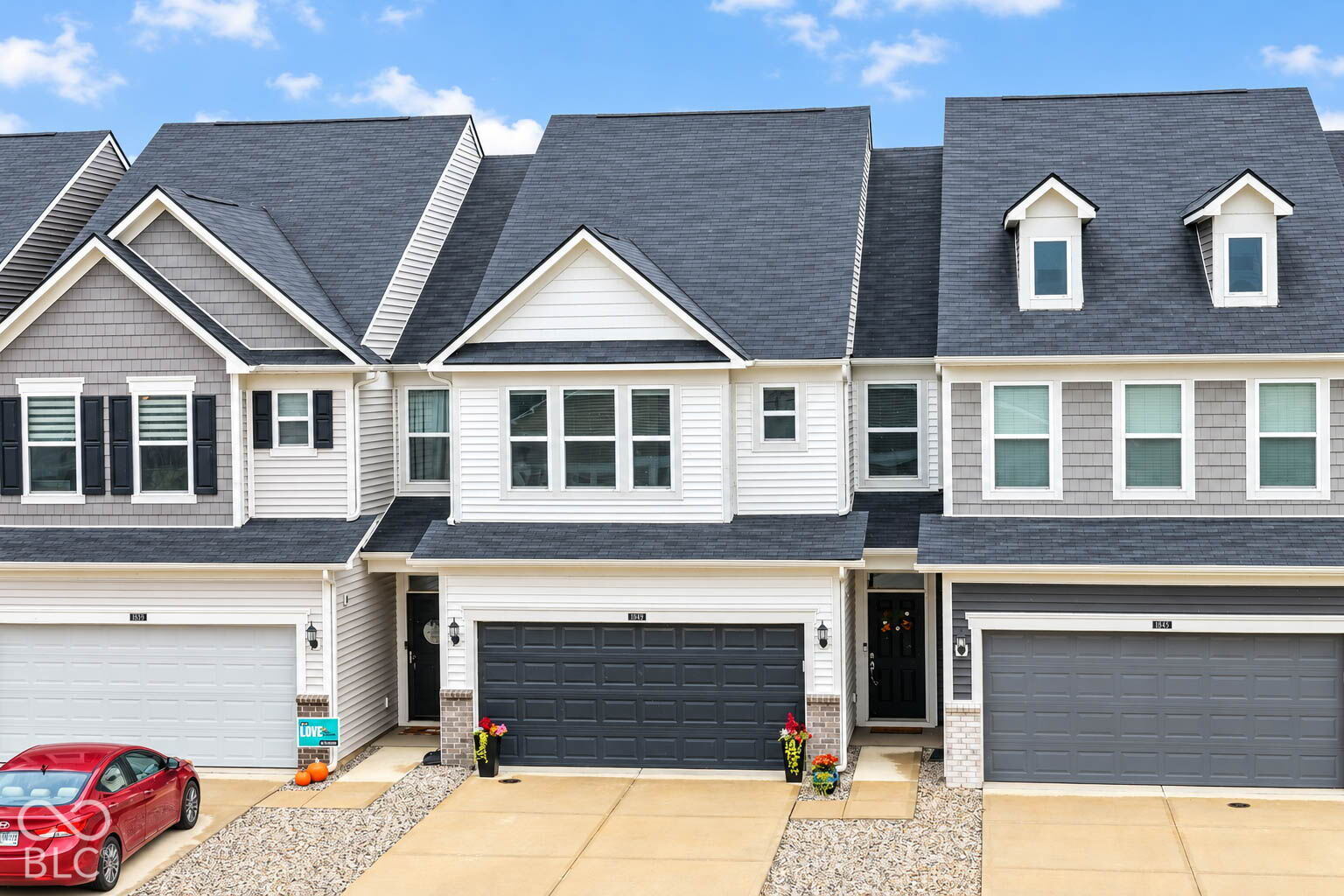
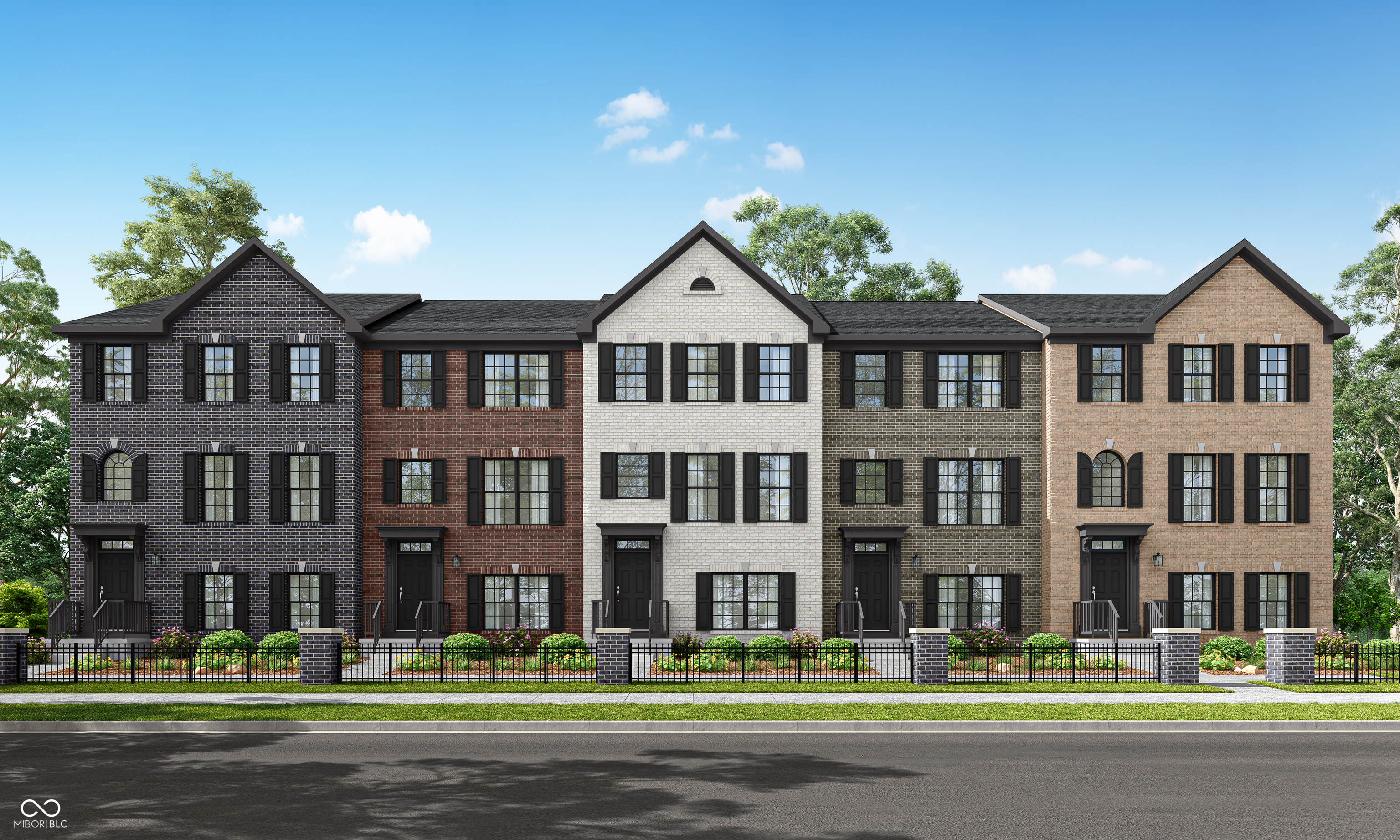
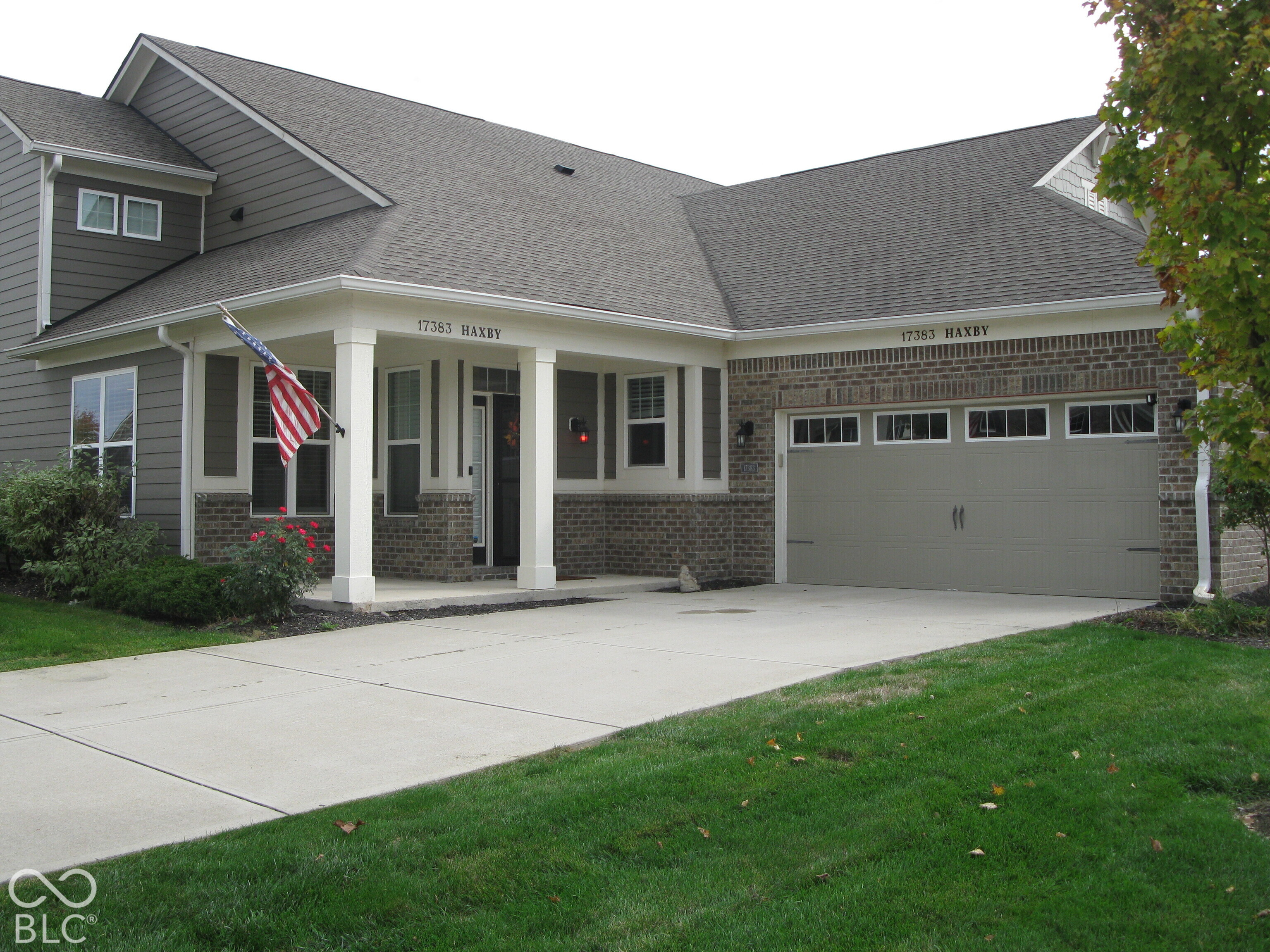
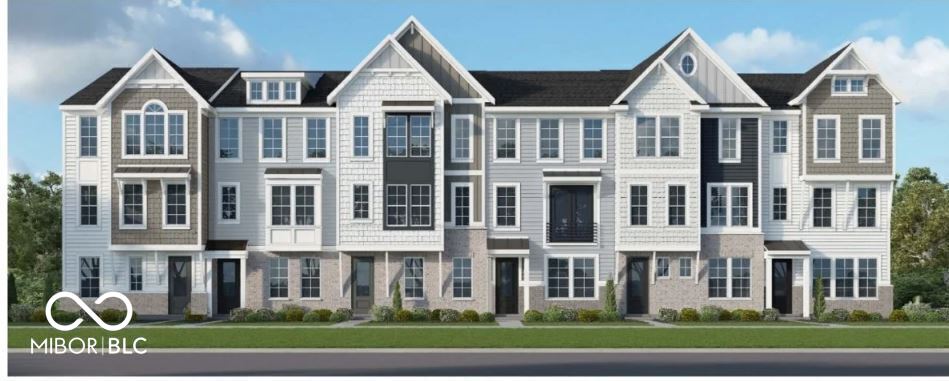
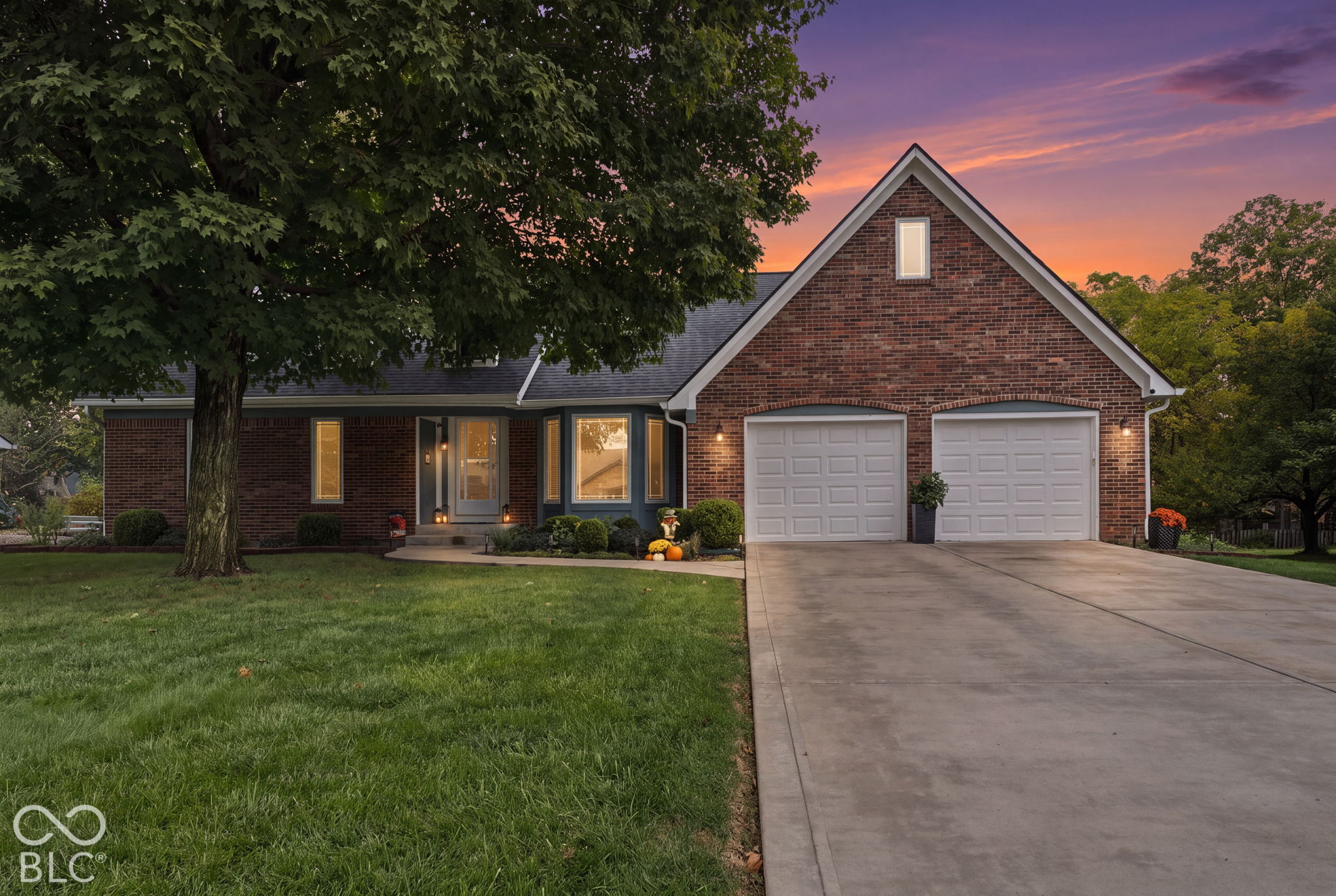
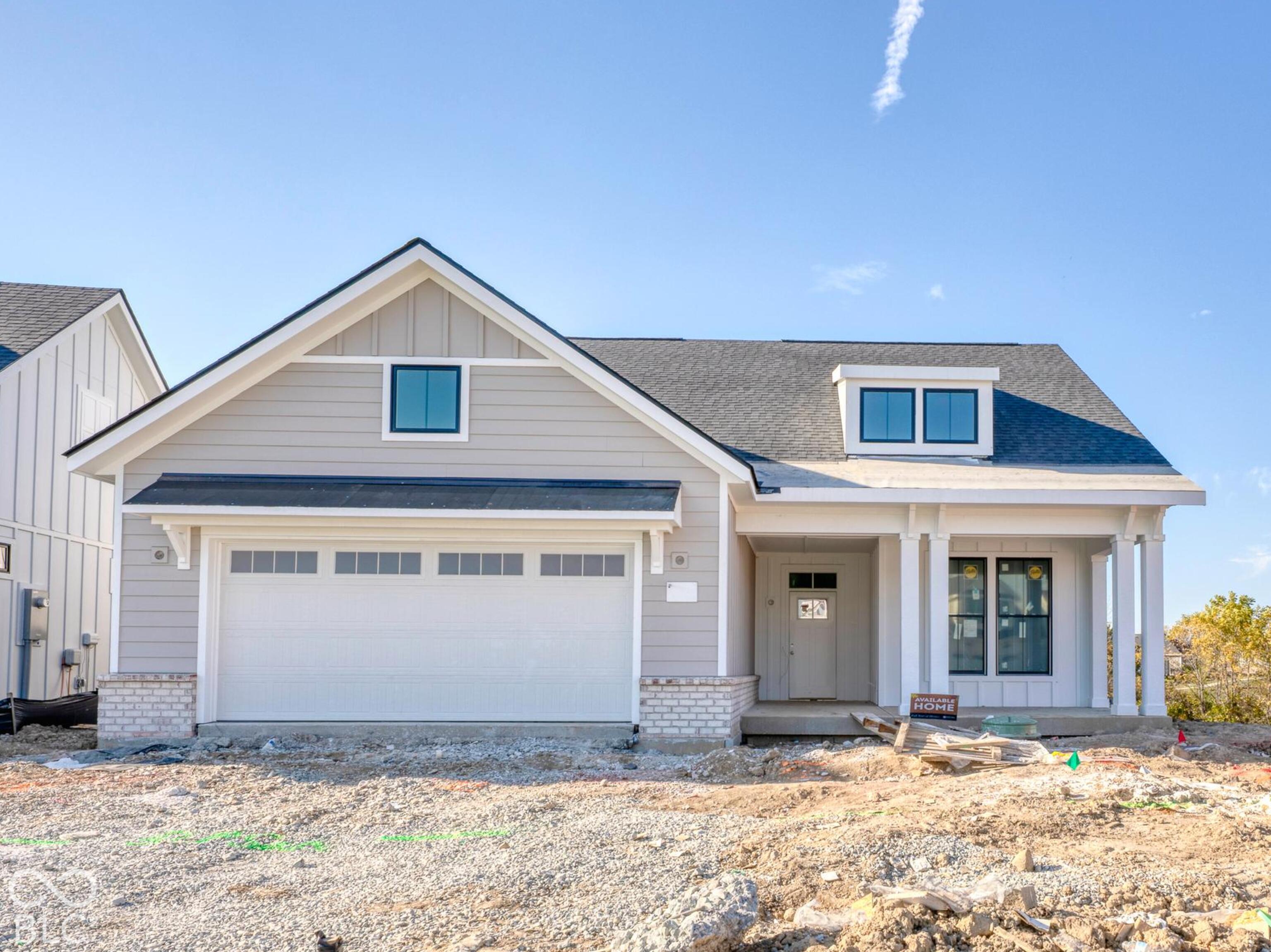
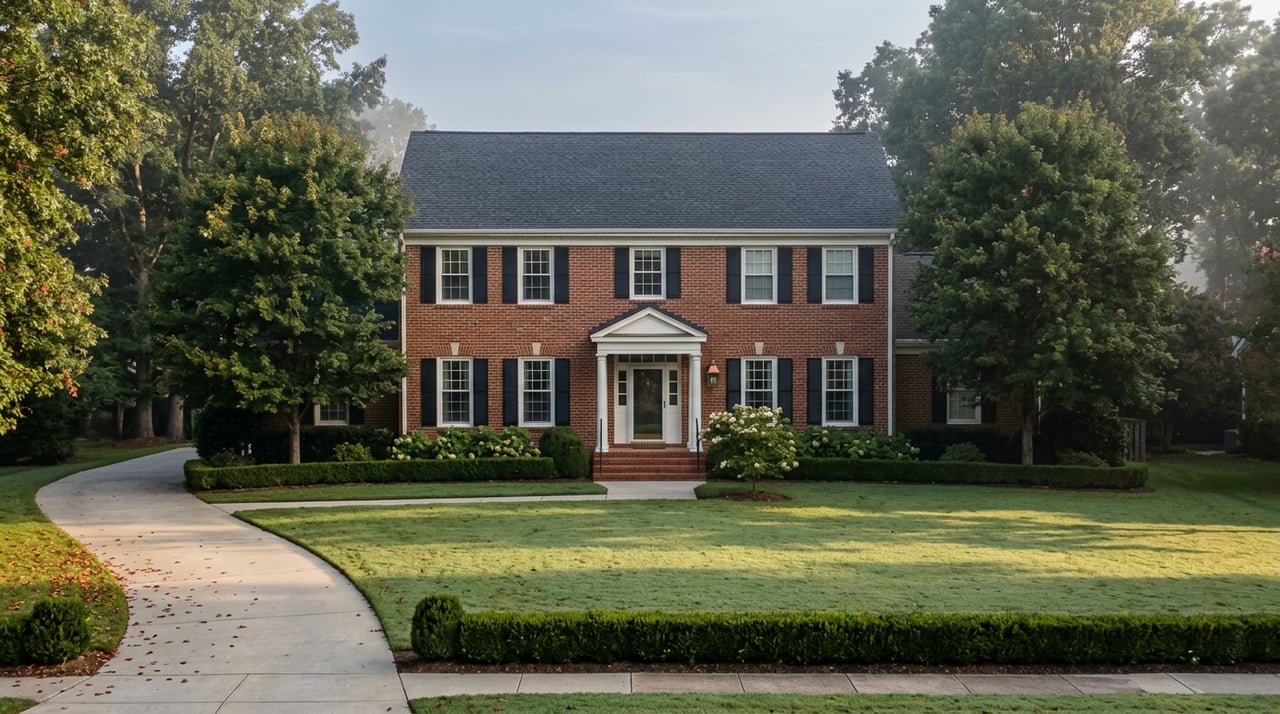
Westfield pairs top-rated Westfield-Washington schools and new construction with Grand Park and Monon Trail access, all at prices below neighboring Carmel and Zionsville.
Westfield, IN Housing Market Trends
The Westfield, IN housing market remains a highly sought-after suburban destination within the Greater Indianapolis area, experiencing steady price growth. Home values continue to rise, with the median sale price hovering near $519,000—representing a year-over-year increase of roughly 7%. Transaction activity remains robust, backed by strong local demand and ongoing residential development that keeps new listings flowing into the suburban Hamilton County pipeline.
Westfield ranks as a "very competitive" market, holding a competitiveness score of 71 out of 100. Properties move swiftly, spending a median of just 16 to 17 days on the market before going pending. Buyers frequently face competitive bidding, with roughly 20% of homes selling above list price and the overall sale-to-list price ratio lingering near 99.4%, indicating that sellers command near-asking prices on average.
Westfield's sustained real estate momentum is heavily fueled by its rapid population growth—up over 12% in recent years—and strong local economic drivers. Families and professionals are continually drawn to the city due to top-rated Westfield Washington Schools, low local tax rates, and major recreational hubs like the 400-acre Grand Park Sports Campus. High median household incomes (exceeding $100,000) also support buyer purchasing power despite higher baseline property values compared to regional averages.
Contact us today for expert local advice, private tours, and guidance tailored to your goals. Whether you're navigating your first home purchase or upgrading to your ideal Westfield property, we’ll help you move with confidence in one of Indiana's most sought-after markets.
Indiana limits residential property taxes through a statewide constitutional cap, which caps primary residence property taxes at 1% of a home's gross assessed value. Westfield homeowners can significantly reduce their taxable property value by filing for the Homestead Standard Deduction and Supplemental Homestead Deduction on their primary residence. Property taxes are billed in arrears and paid in two equal installments each year, typically managed through a buyer's mortgage escrow account.
Most newer master-planned communities in Westfield operate under mandatory HOAs that strictly regulate property aesthetics, landscaping standards, and architectural modifications. Architectural Review Committees must approve any proposed exterior changes, including fence installations, shed additions, or painted trim colors. Prospective buyers must carefully review the association’s covenants, conditions, and restrictions (CC&Rs) prior to closing to ensure planned property uses or rental plans comply with local neighborhood rules.
Lenders only mandate flood insurance if a property sits within a federally designated Special Flood Hazard Area (SFHA) mapped by FEMA. While central Indiana is not coastal, localized flooding can occur near low-lying terrain or waterways like Cool Creek during heavy spring rainstorms. Buyers purchasing near local floodplains or drainage corridors should evaluate flood maps early in the purchase process to determine if specialized coverage is required.
Alongside a standard general home inspection, buyers in Hamilton County should strongly consider adding a dedicated radon test. Westfield is designated as a Zone 1 area by the EPA, meaning homes in the region have a higher statistical probability of elevated radon gas levels. Sewer scope inspections are also increasingly recommended for both older homes and new construction to verify the structural integrity of underground utility lines.
Short-term rental permissions depend heavily on specific local zoning classifications and individual neighborhood HOA covenants. The City of Westfield requires operators to follow municipal zoning ordinances, health standards, and local tax registration guidelines before hosting guests. Furthermore, many single-family subdivisions in Westfield explicitly prohibit lease terms shorter than 30 to 120 days within their community bylaws.
Homebuyers in Indiana typically pay between 2% and 4% of the total purchase price in buyer-side closing costs, separate from their initial down payment. These expenses generally cover lender origination fees, home appraisal charges, title search and policy costs, and initial escrow funding for property taxes and homeowners insurance. Buyers and sellers can negotiate closing cost credits during purchase contract negotiations to help offset these out-of-pocket settlement fees.
Westfield moves fast, and new sections open up in Chatham Hills, Harmony, and Viking Meadows before they ever hit the wider market. If you have questions about builders, school boundaries, or which neighborhoods hold their value, The Wilson Team knows this corner of Hamilton County well.
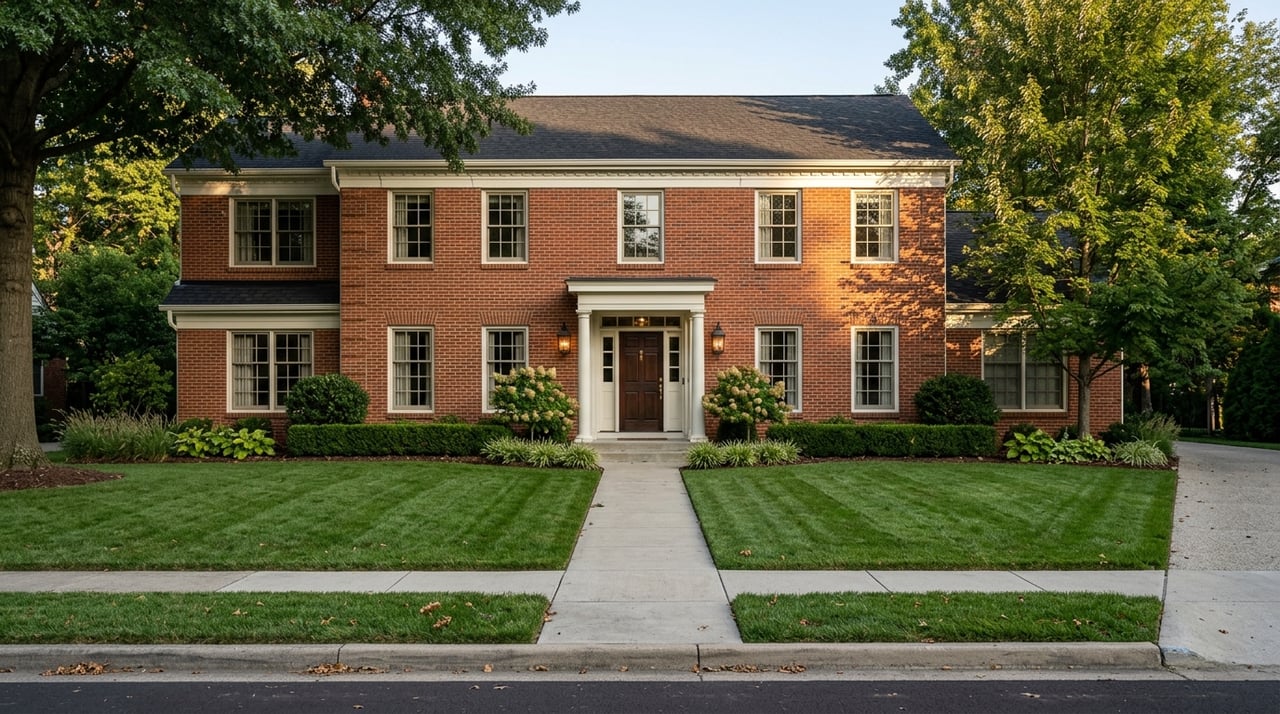
Westfield has grown quickly enough that two neighborhoods a mile apart can feel like different towns — a golf-course community with clubhouse amenities on one side of Ditch Road, a quiet 1990s subdivision with mature trees on the other. Our Westfield neighborhood guide walks through what sets each one apart, from price ranges and builders to how close you are to Grand Park and the Monon Trail. Take a look before you start touring.