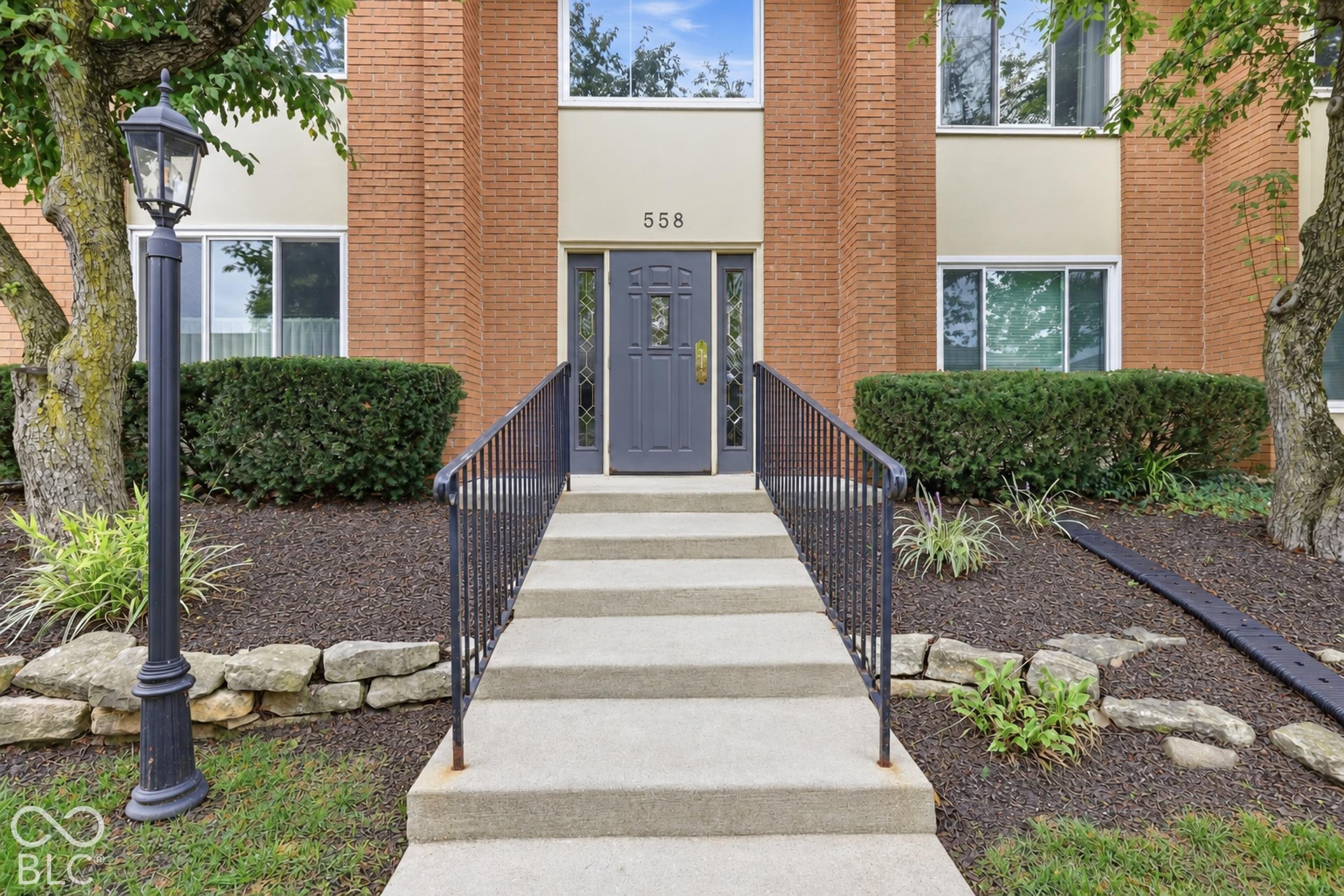
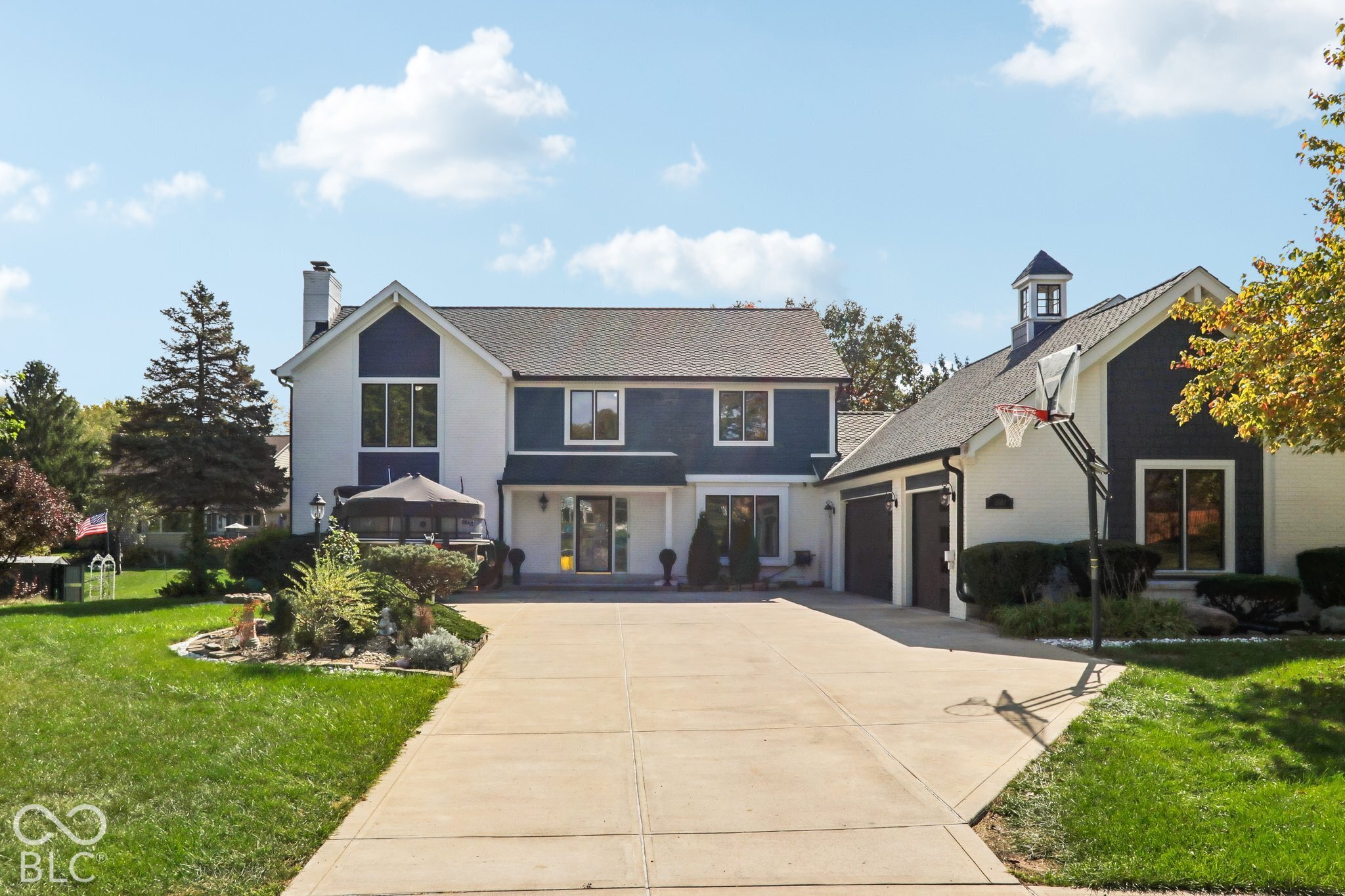
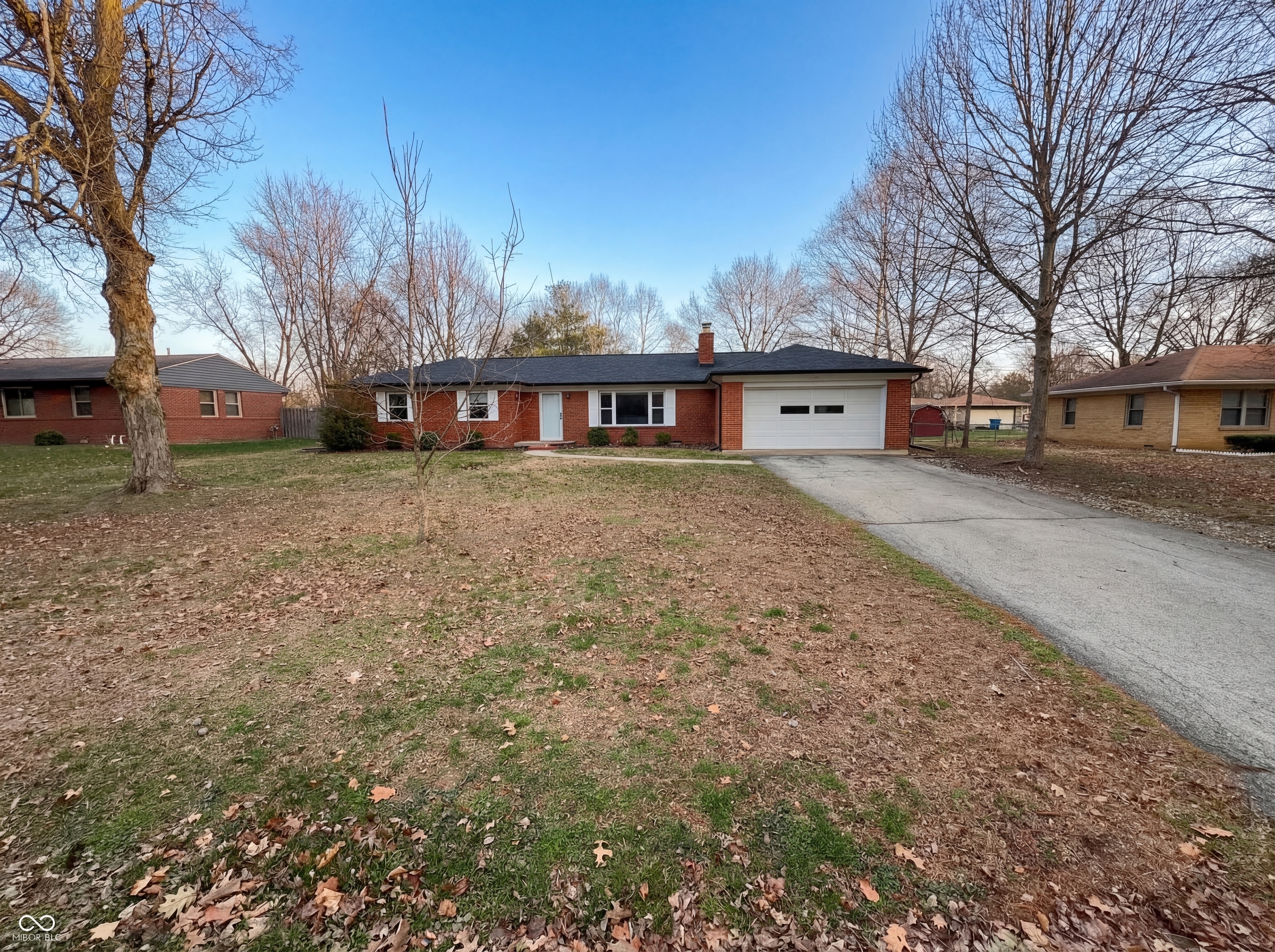
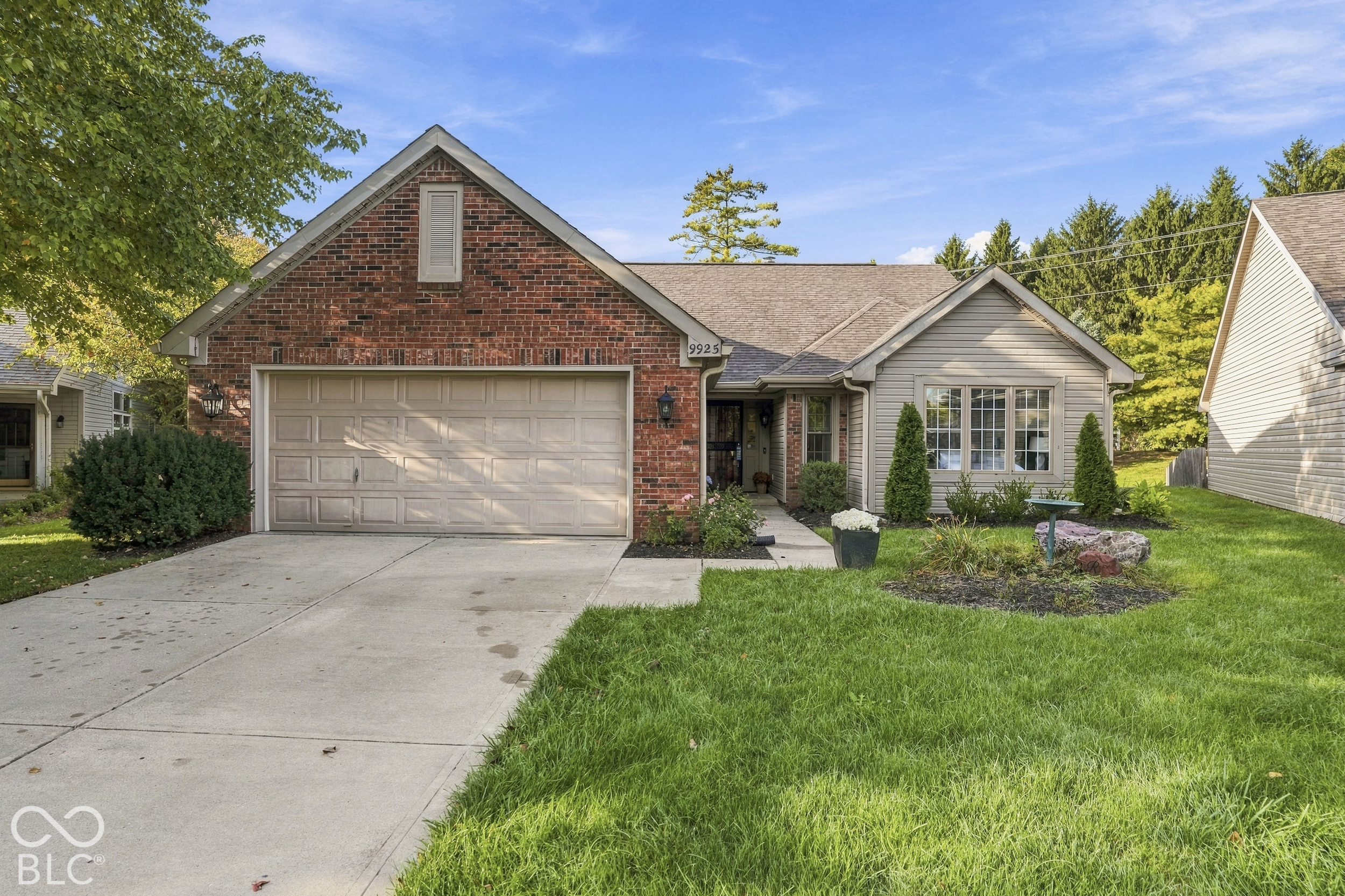
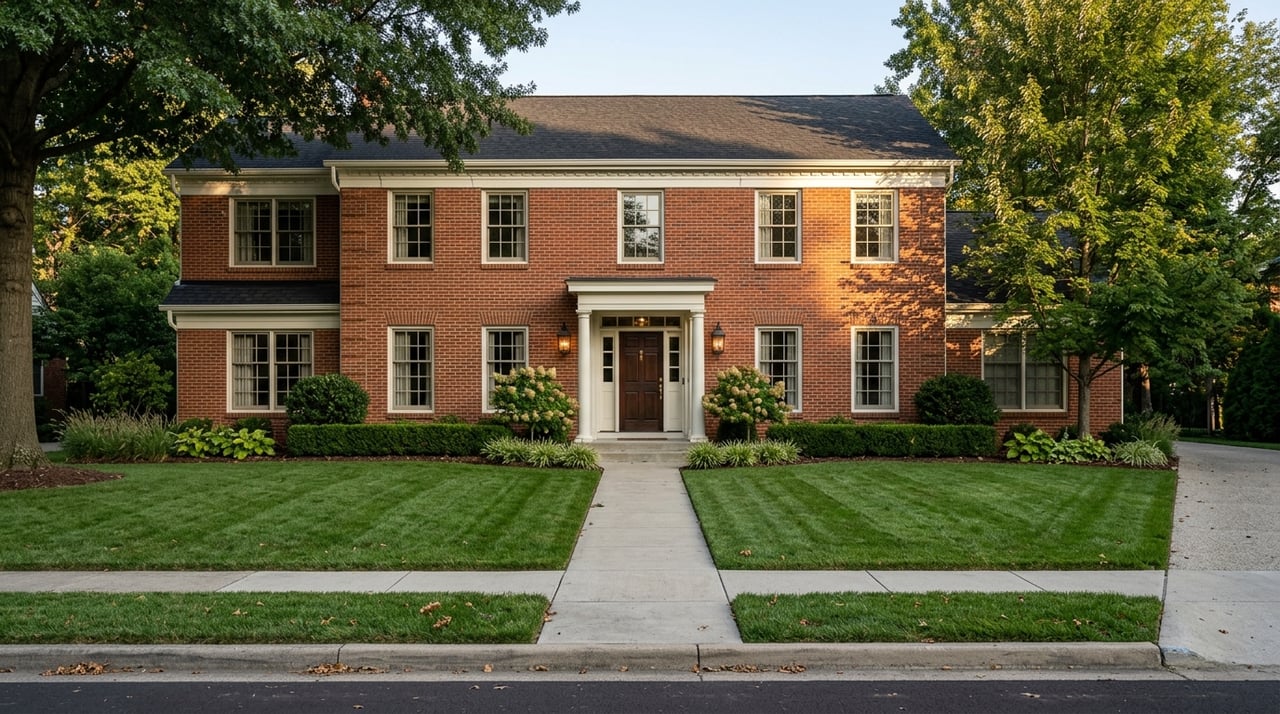
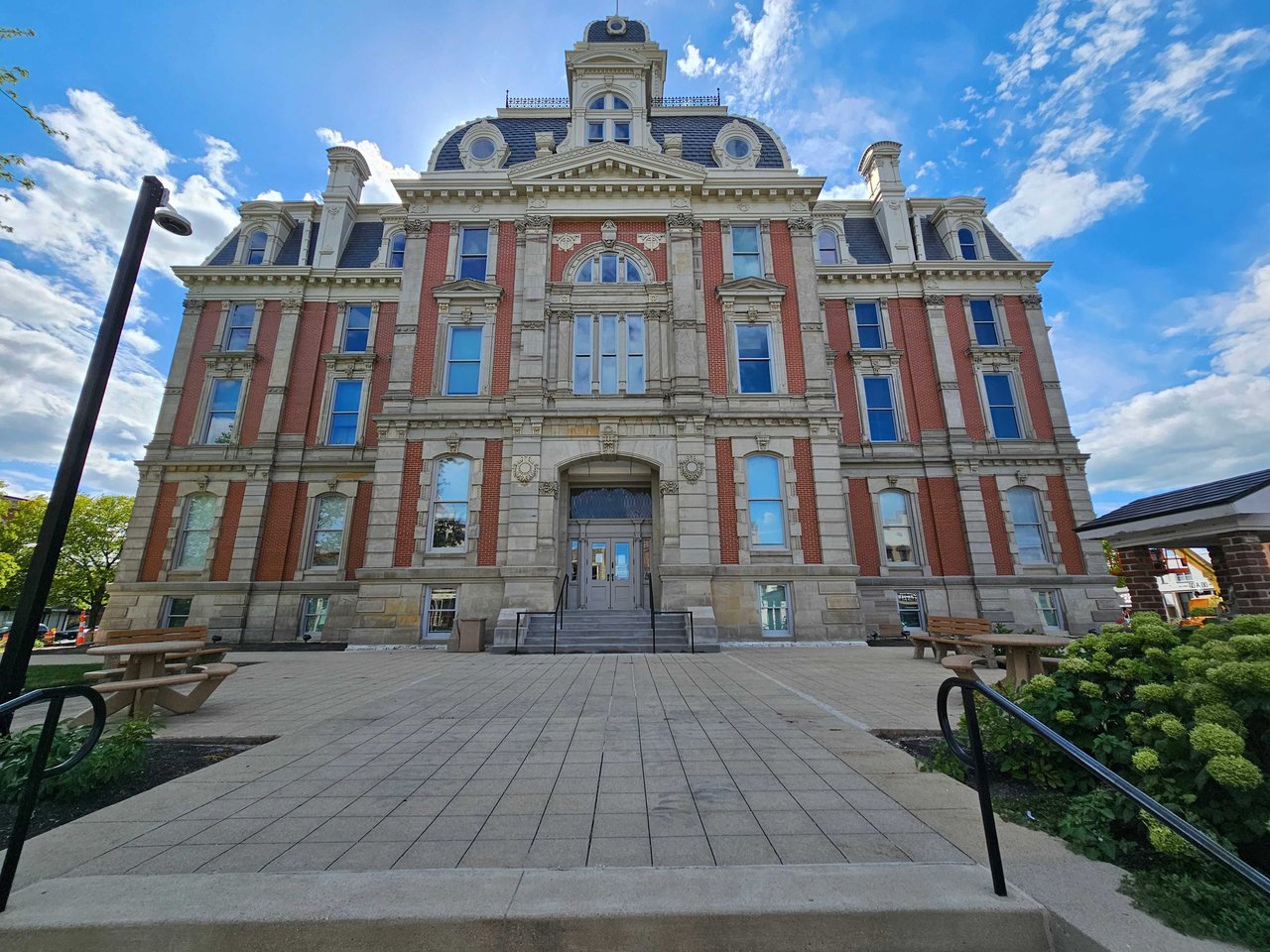
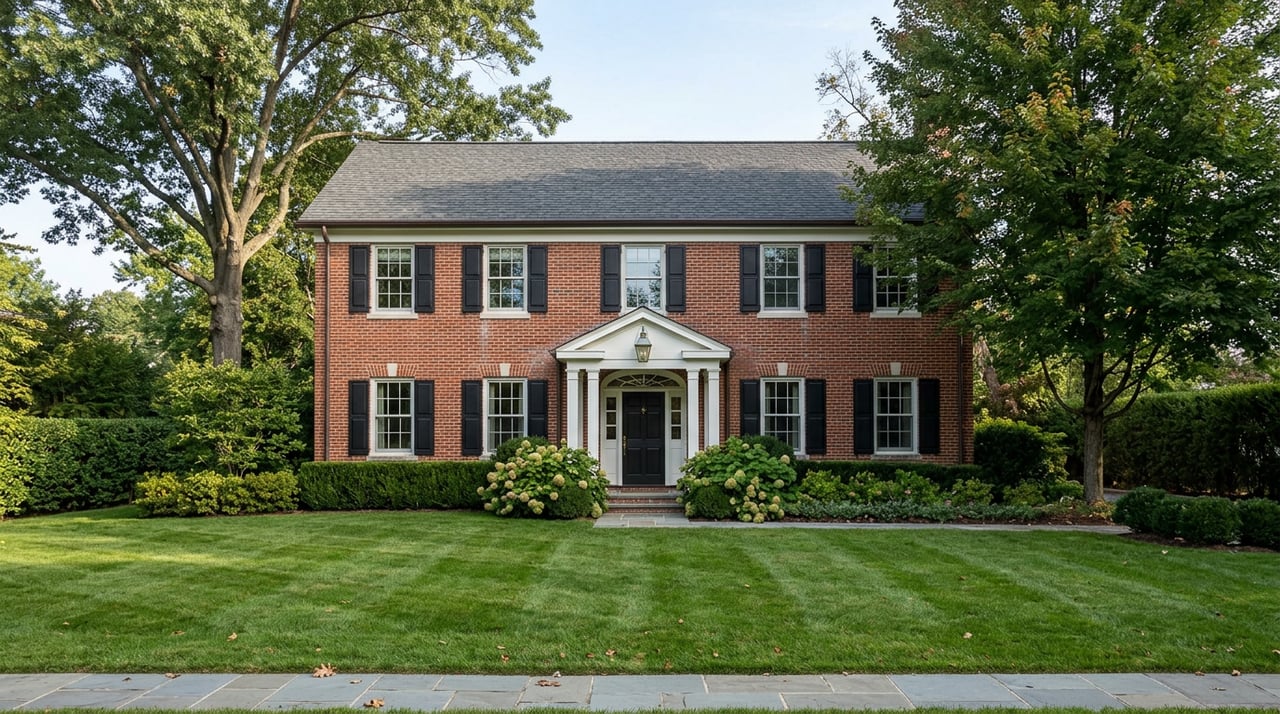
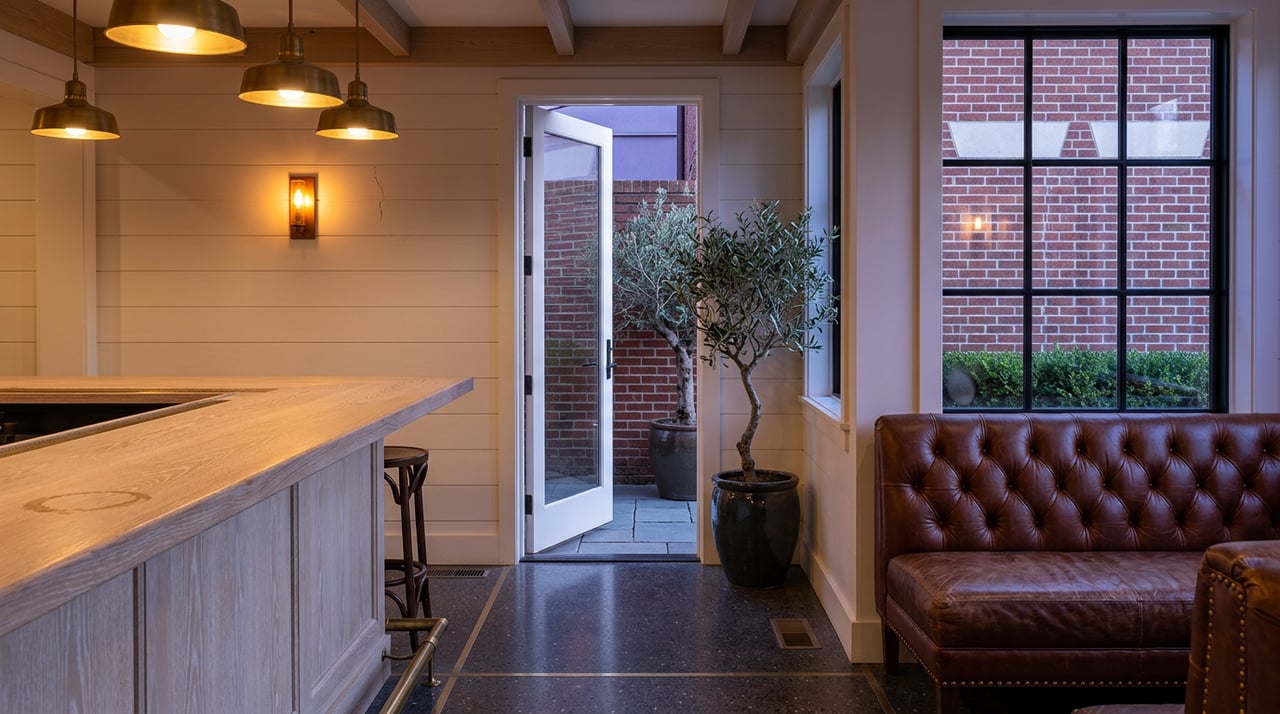
Carmel delivers nationally ranked schools, a walkable arts district, and nearly 200 miles of trails and bike paths — the reason it keeps landing on “best places to live” lists.
Carmel, IN Housing Market Trends
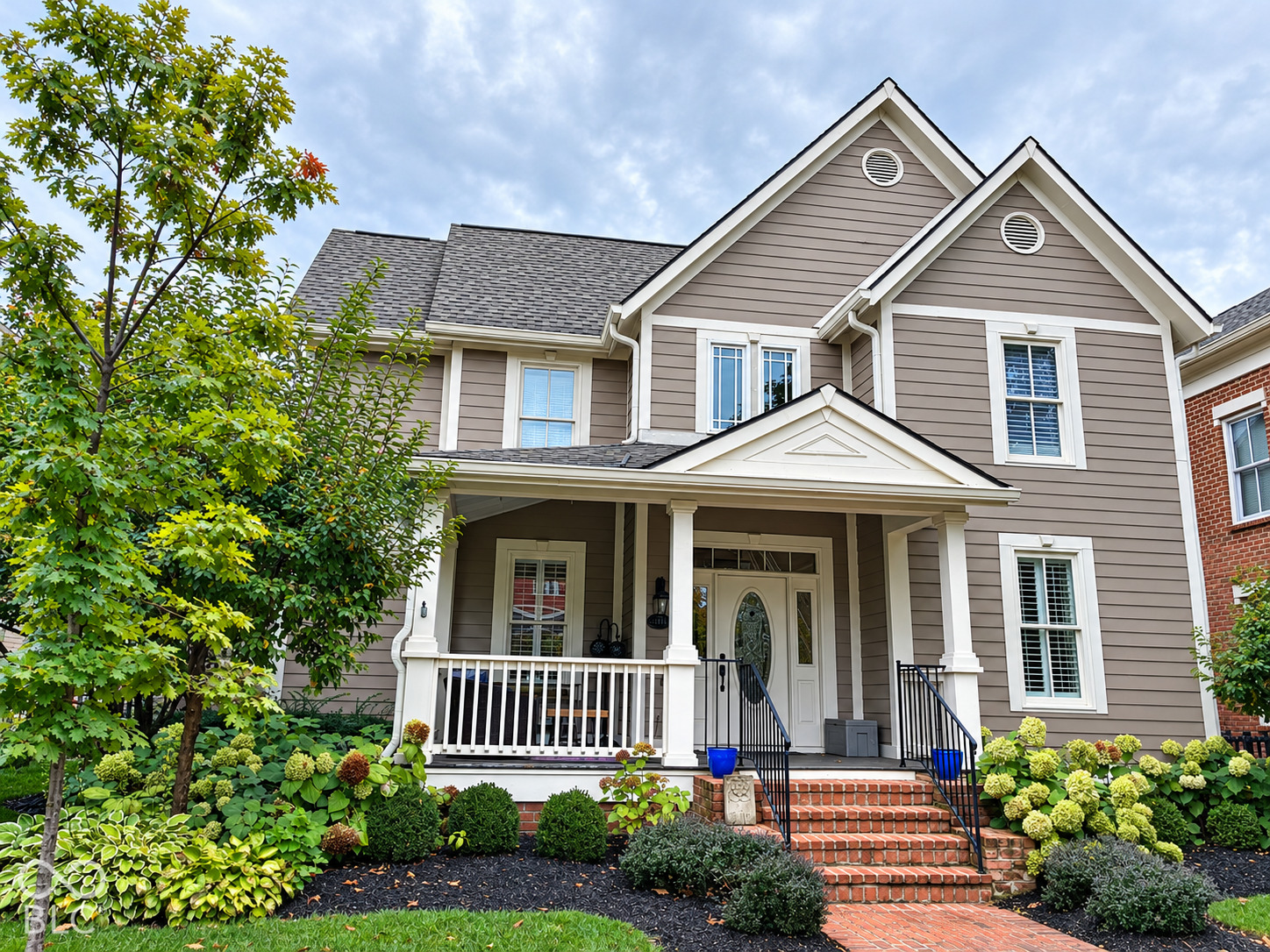
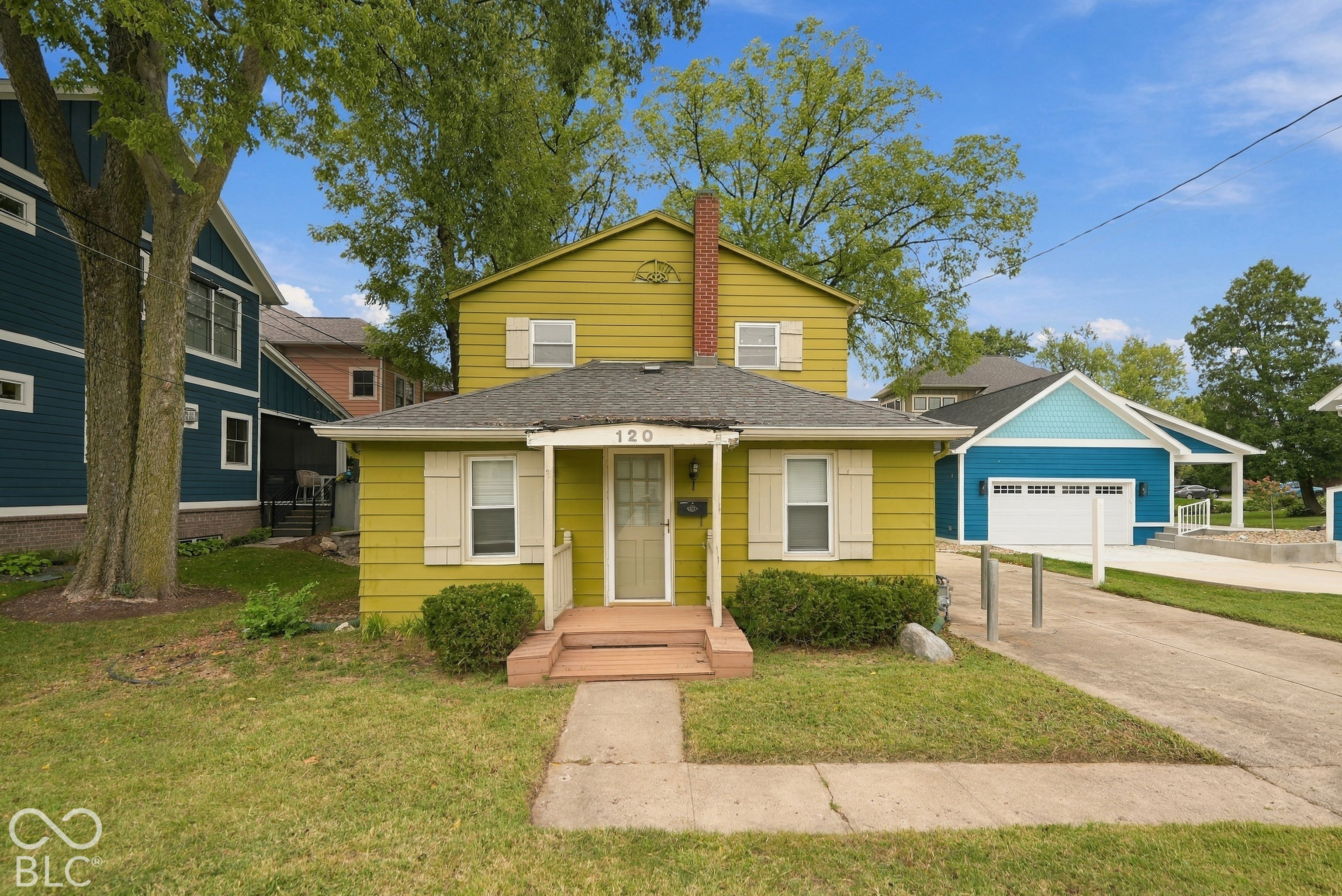
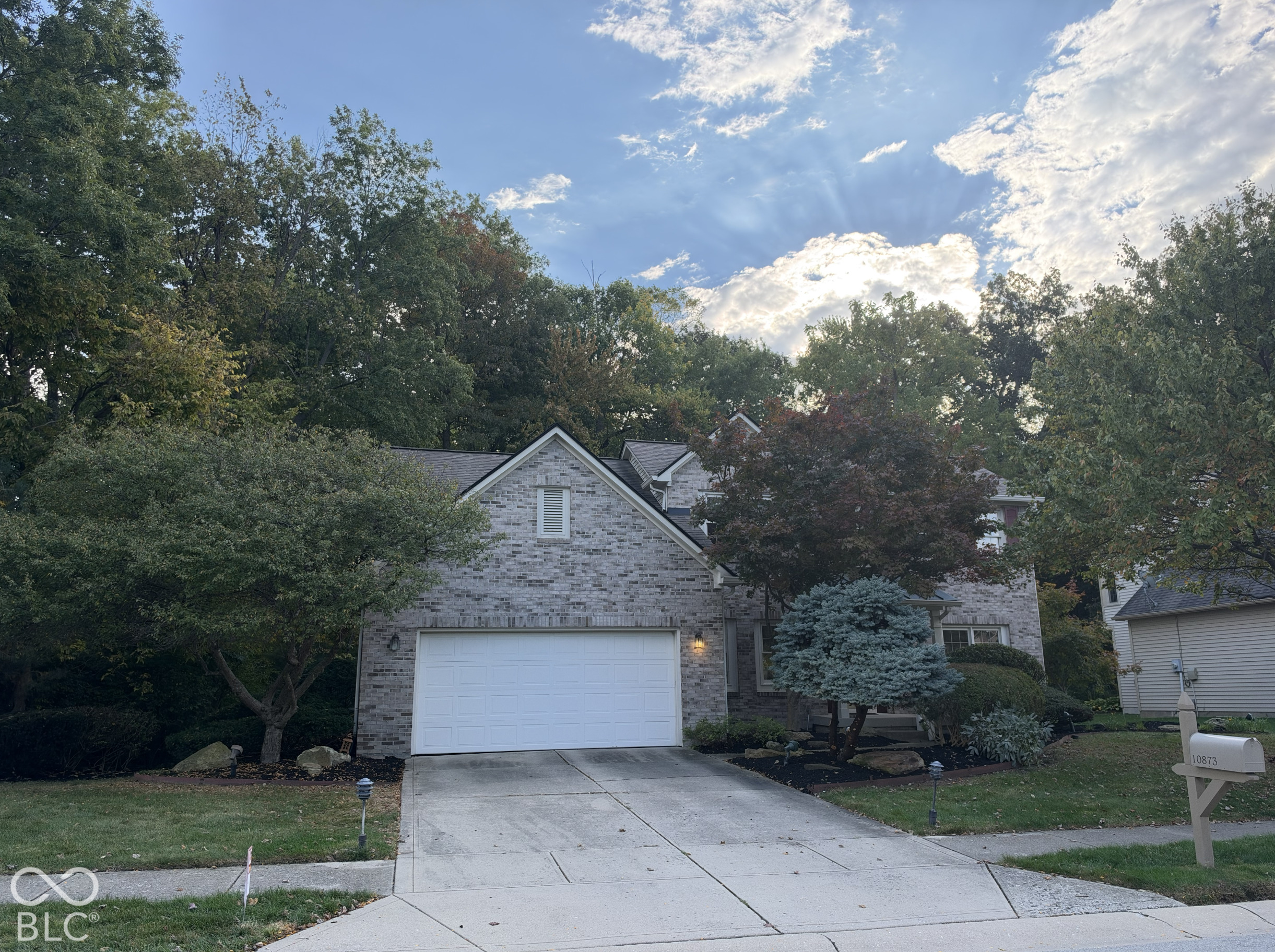
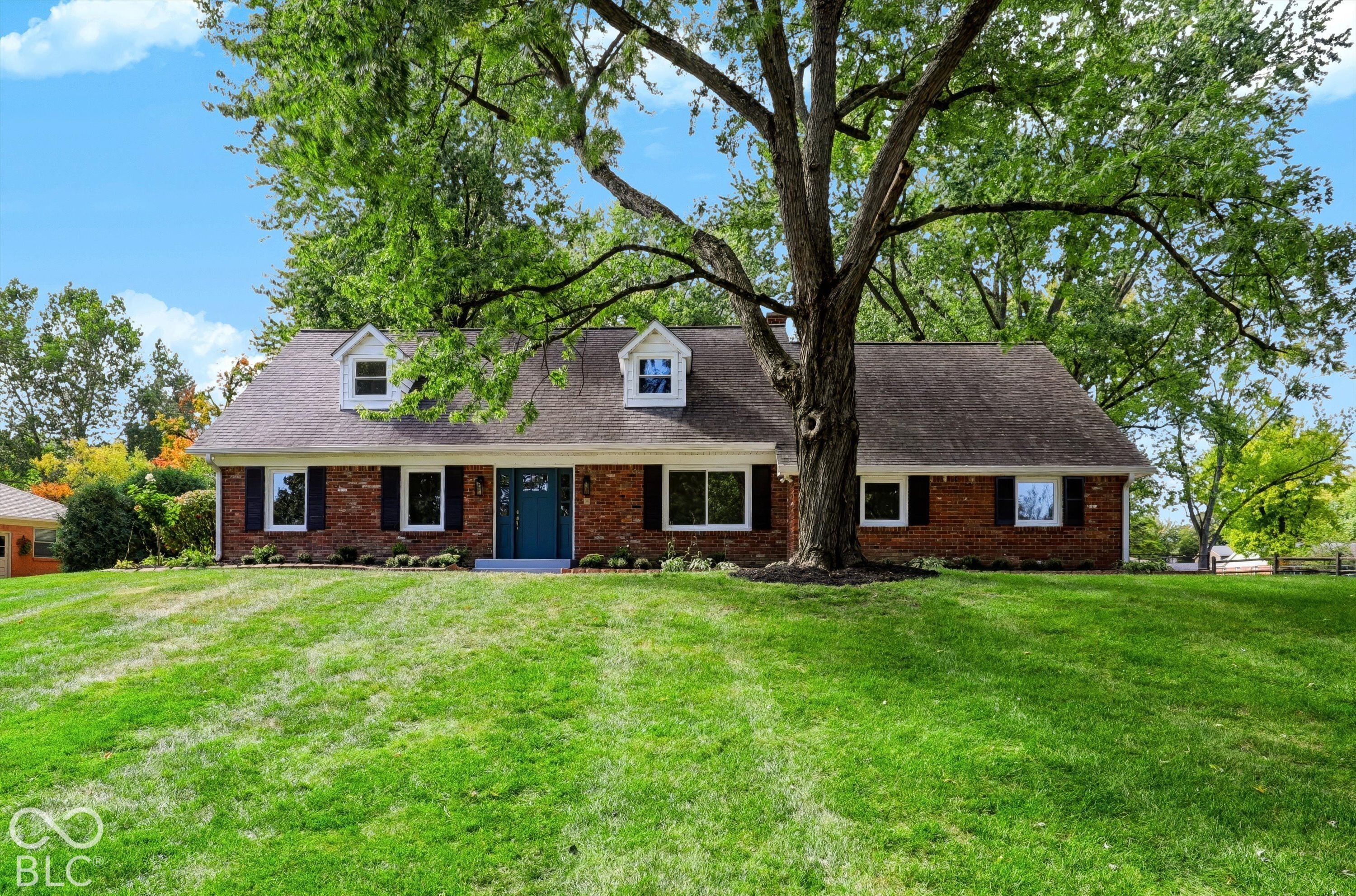
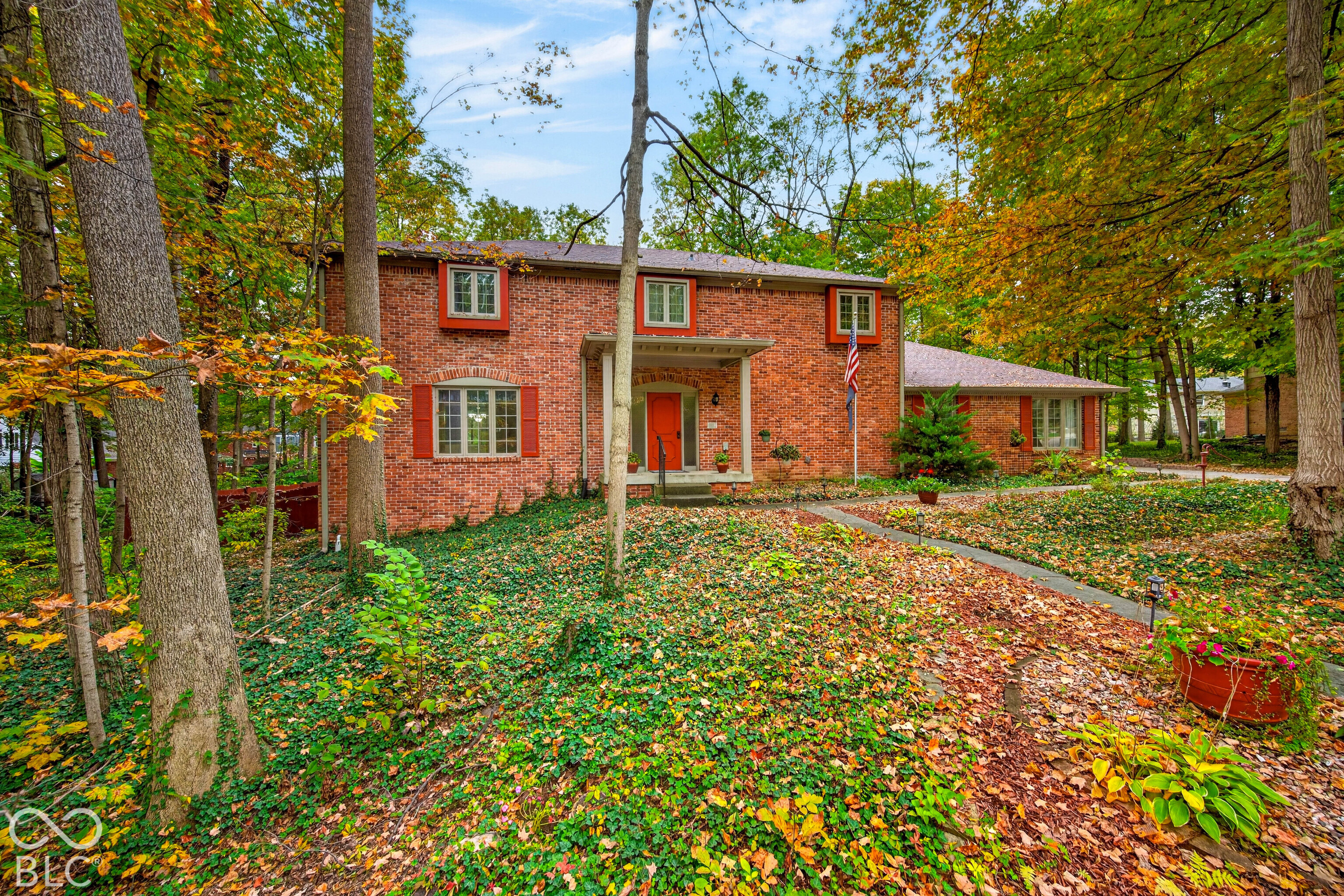
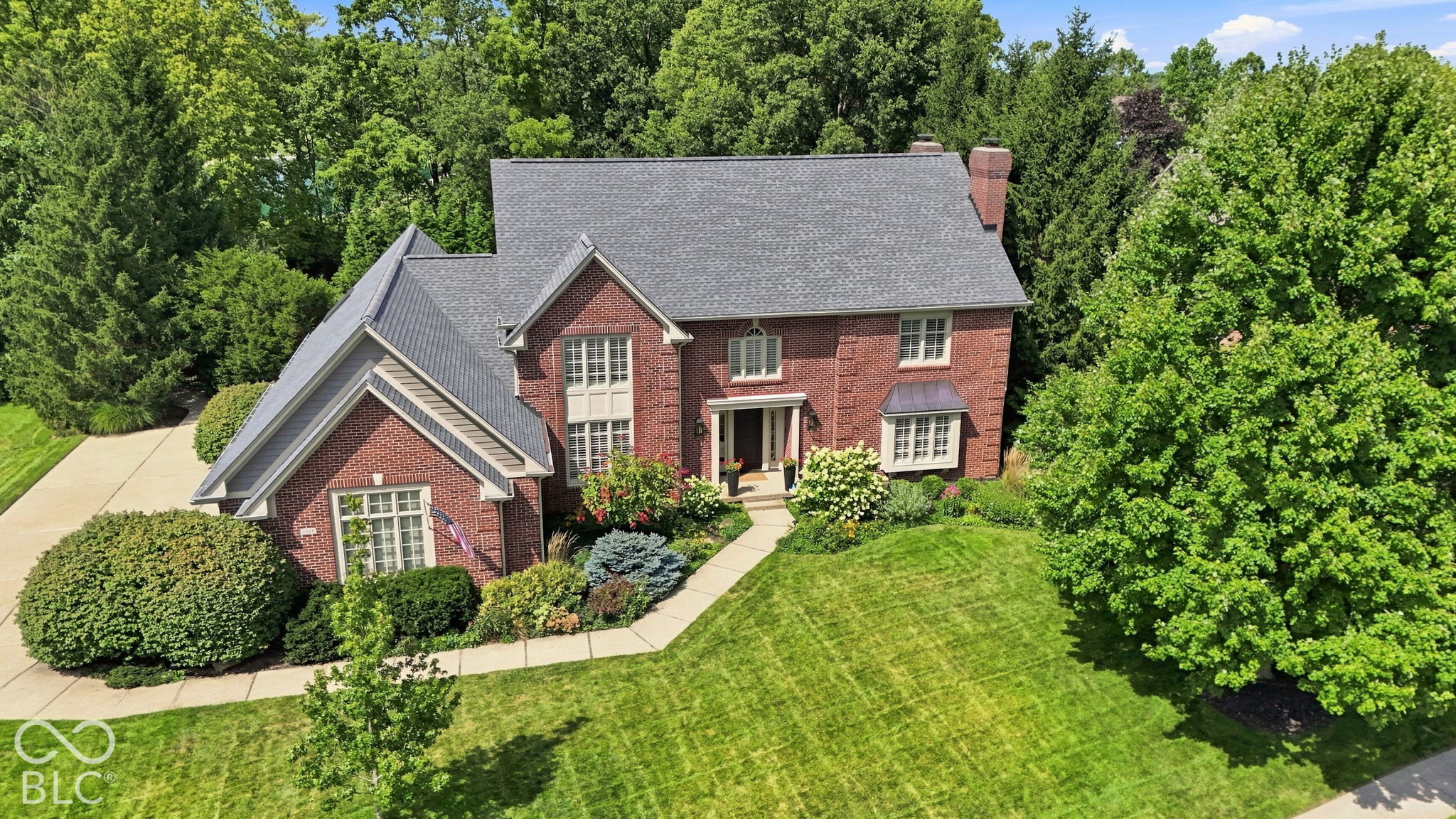
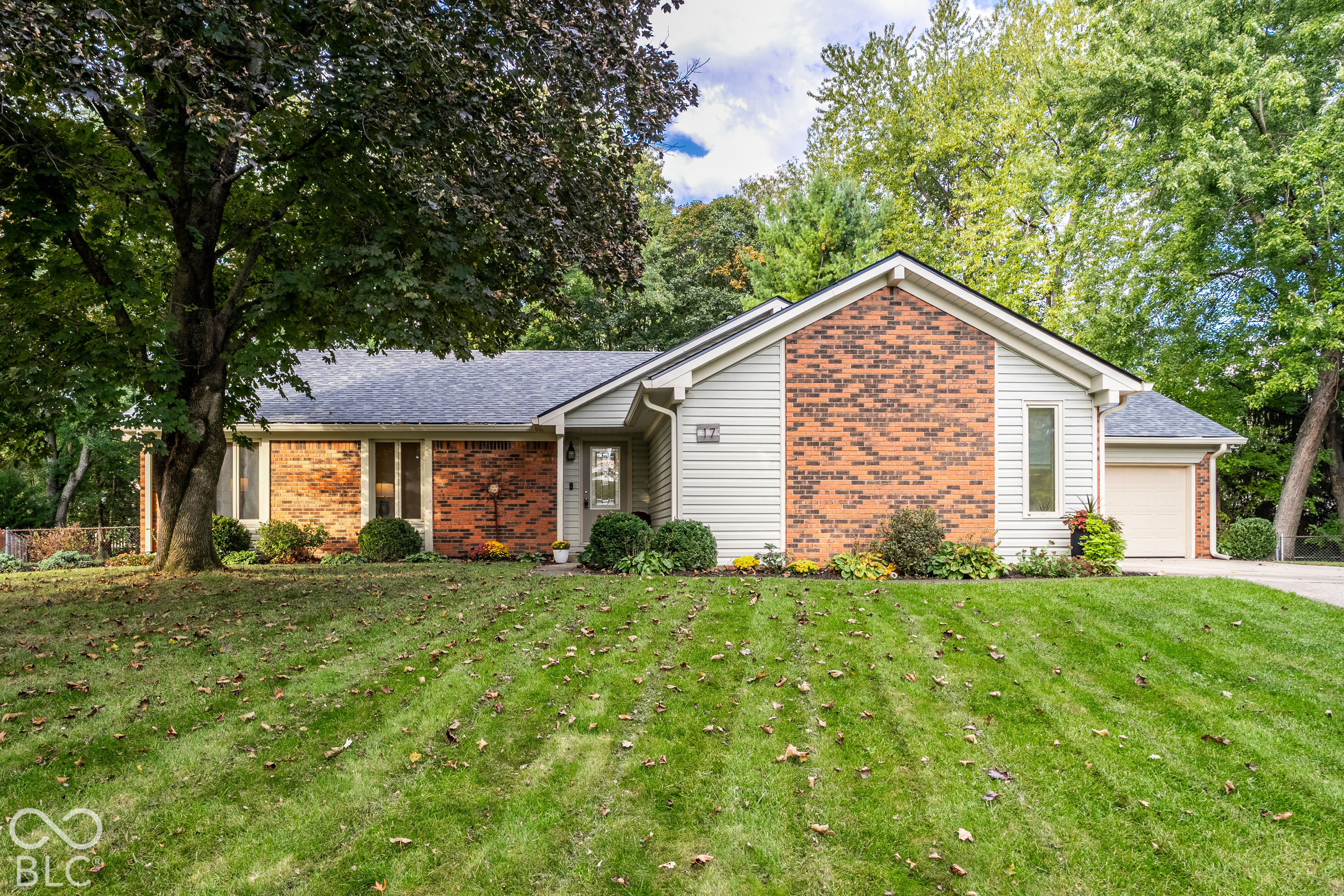
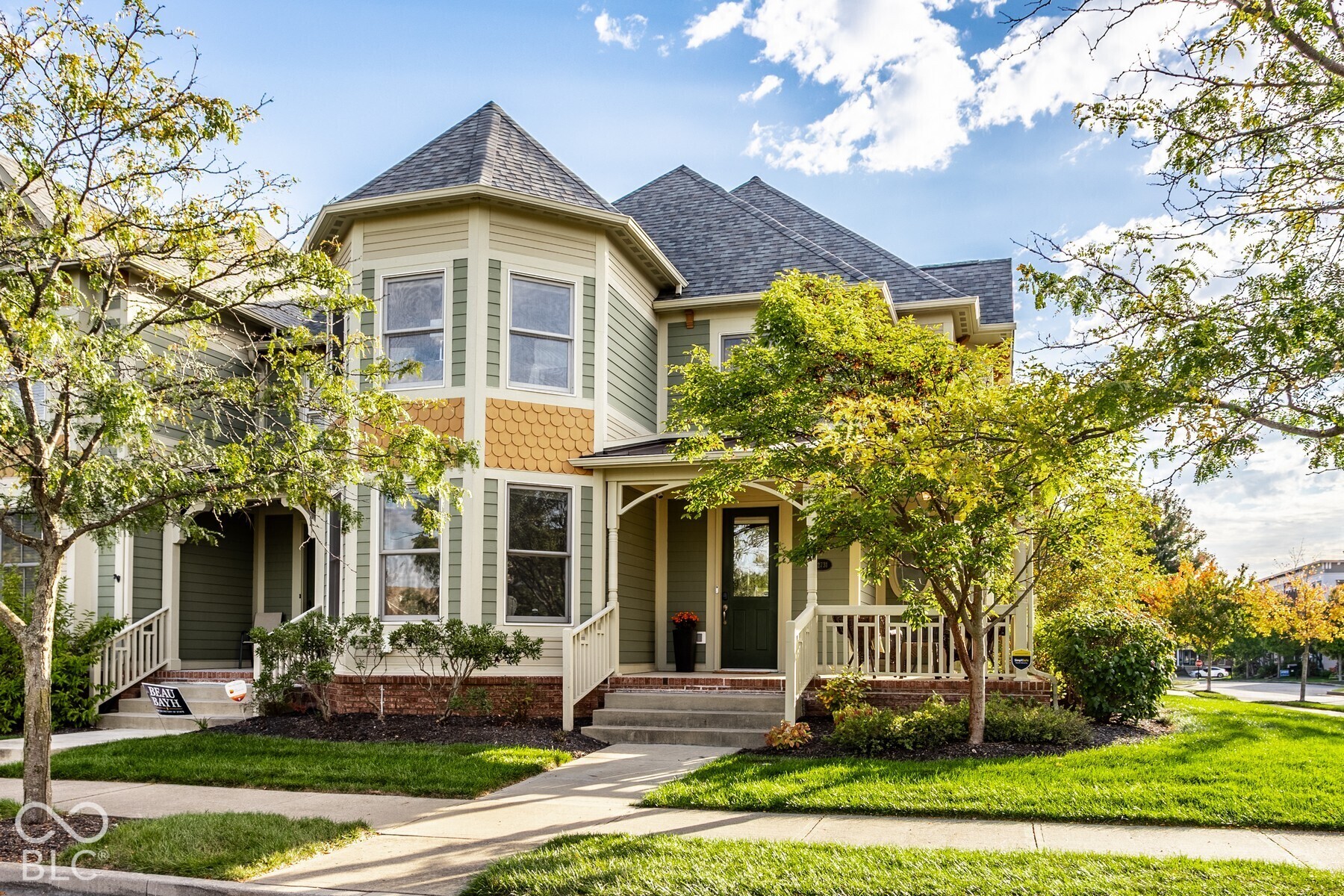
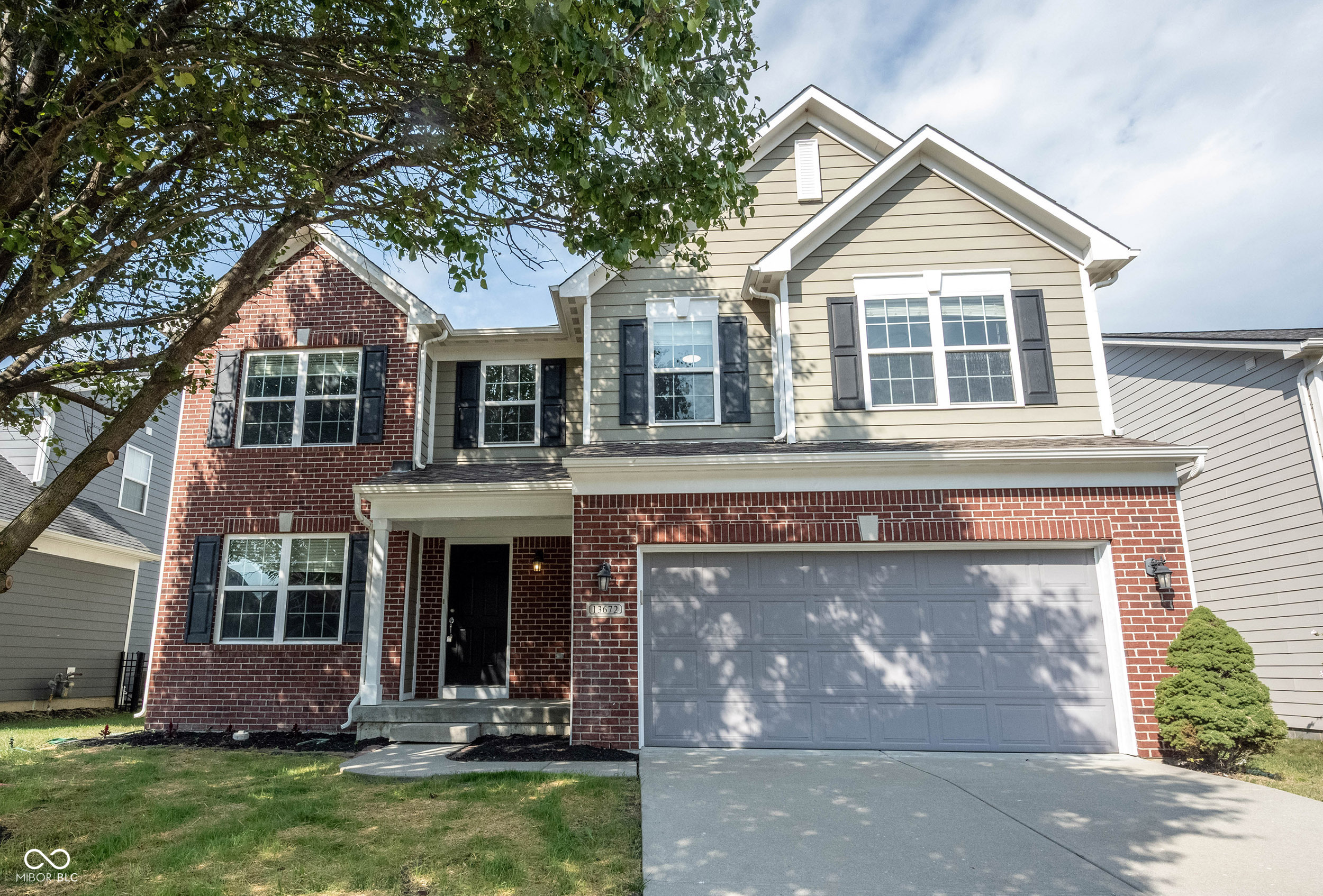
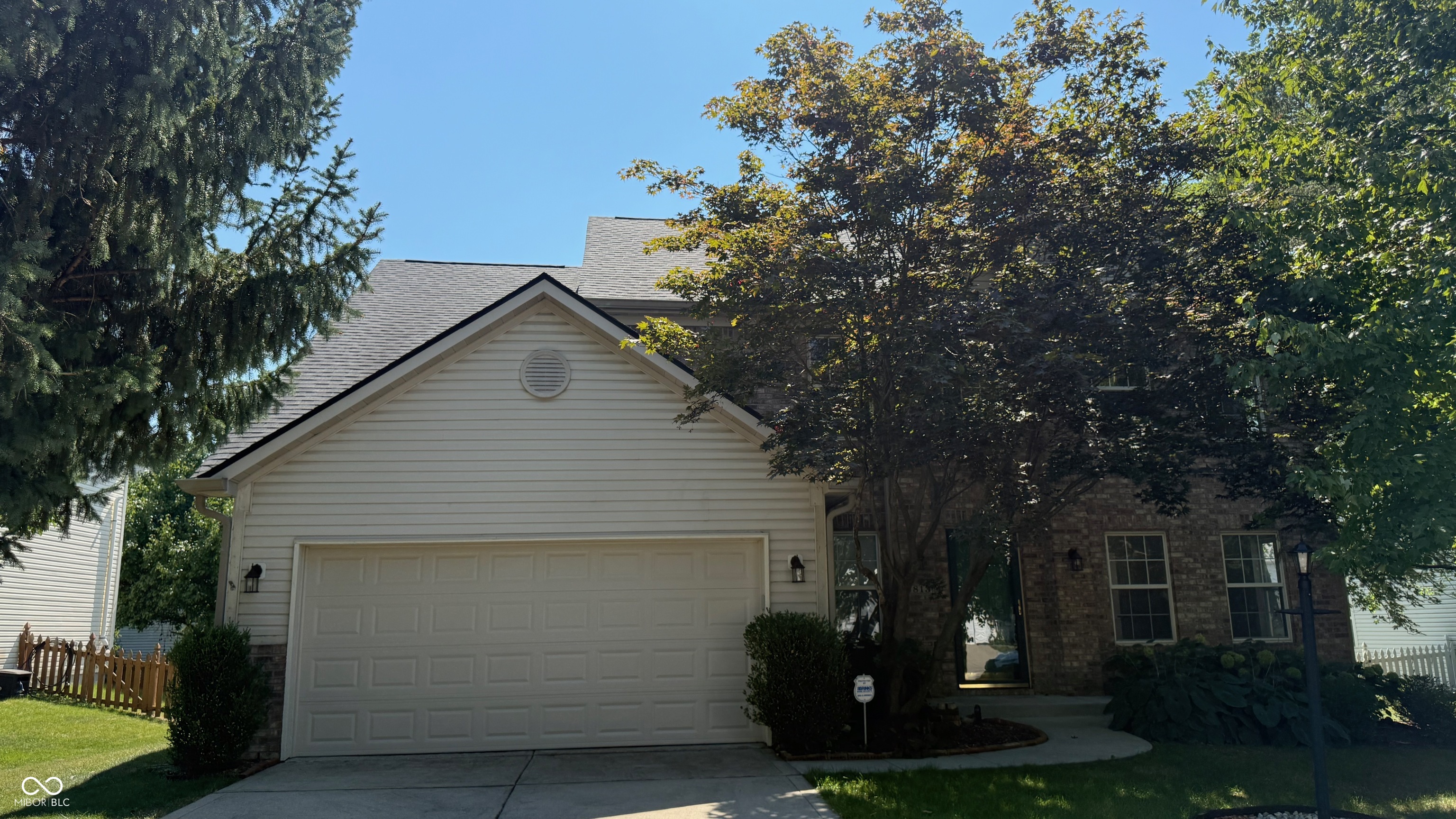
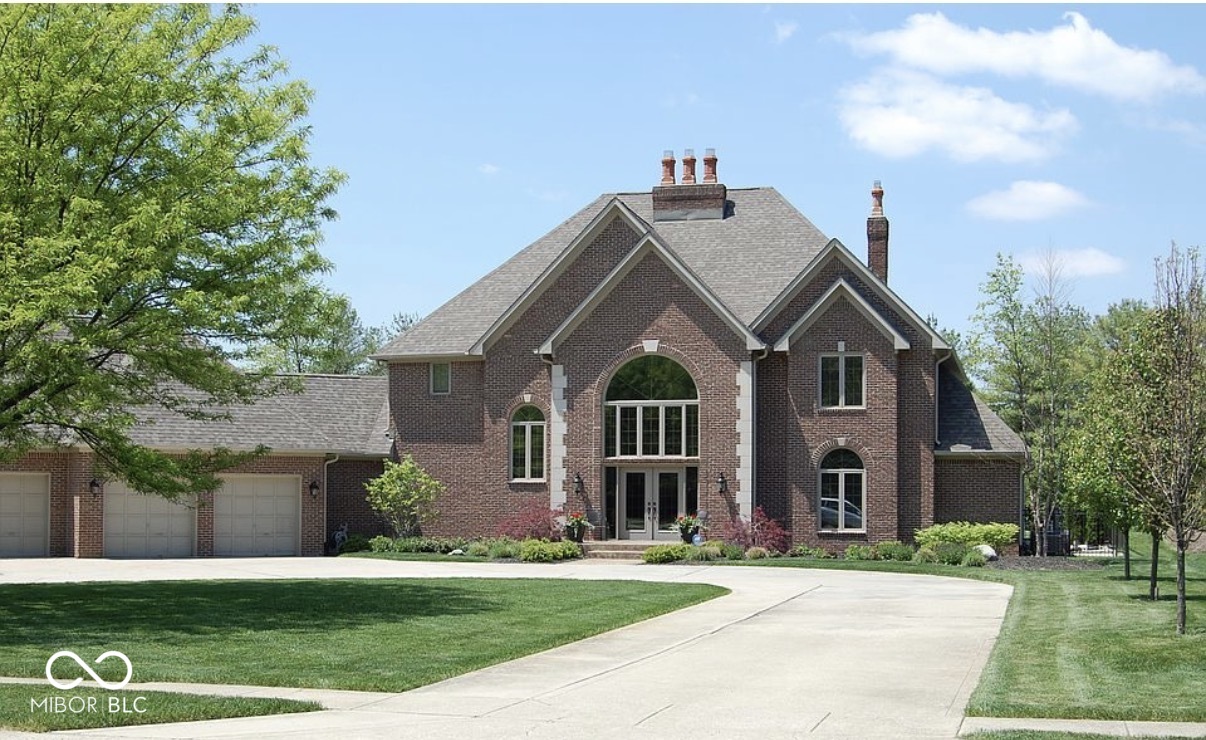
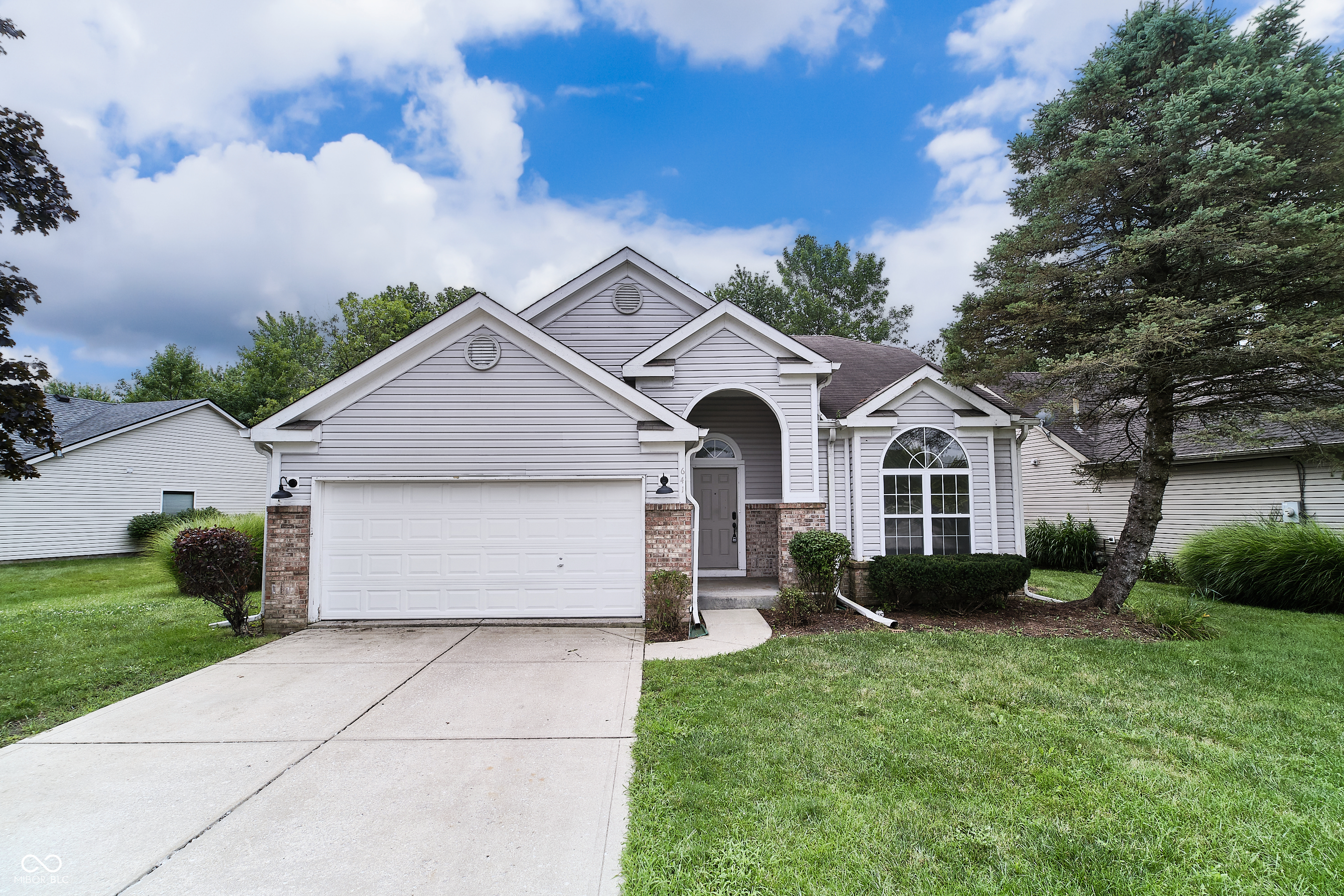
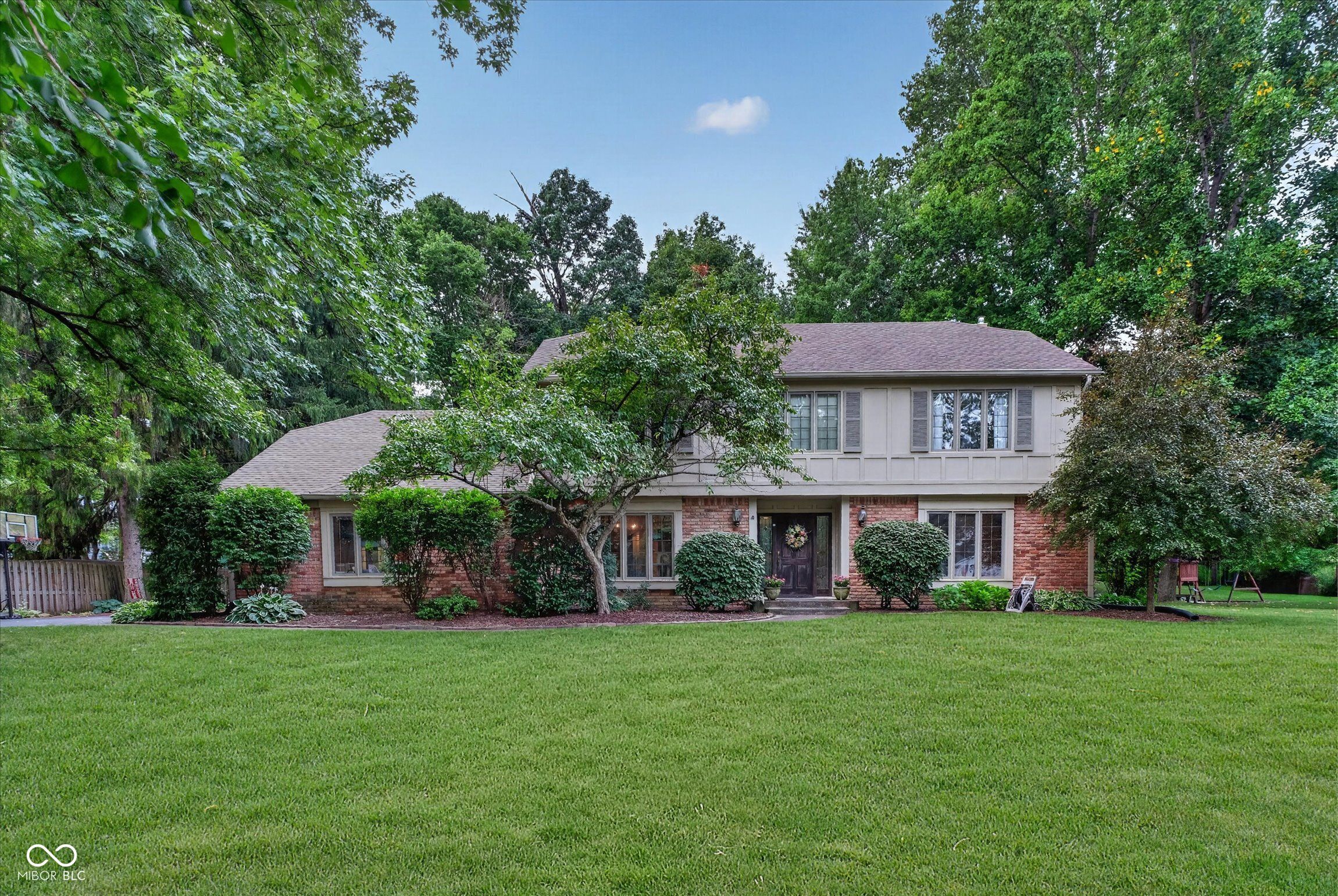
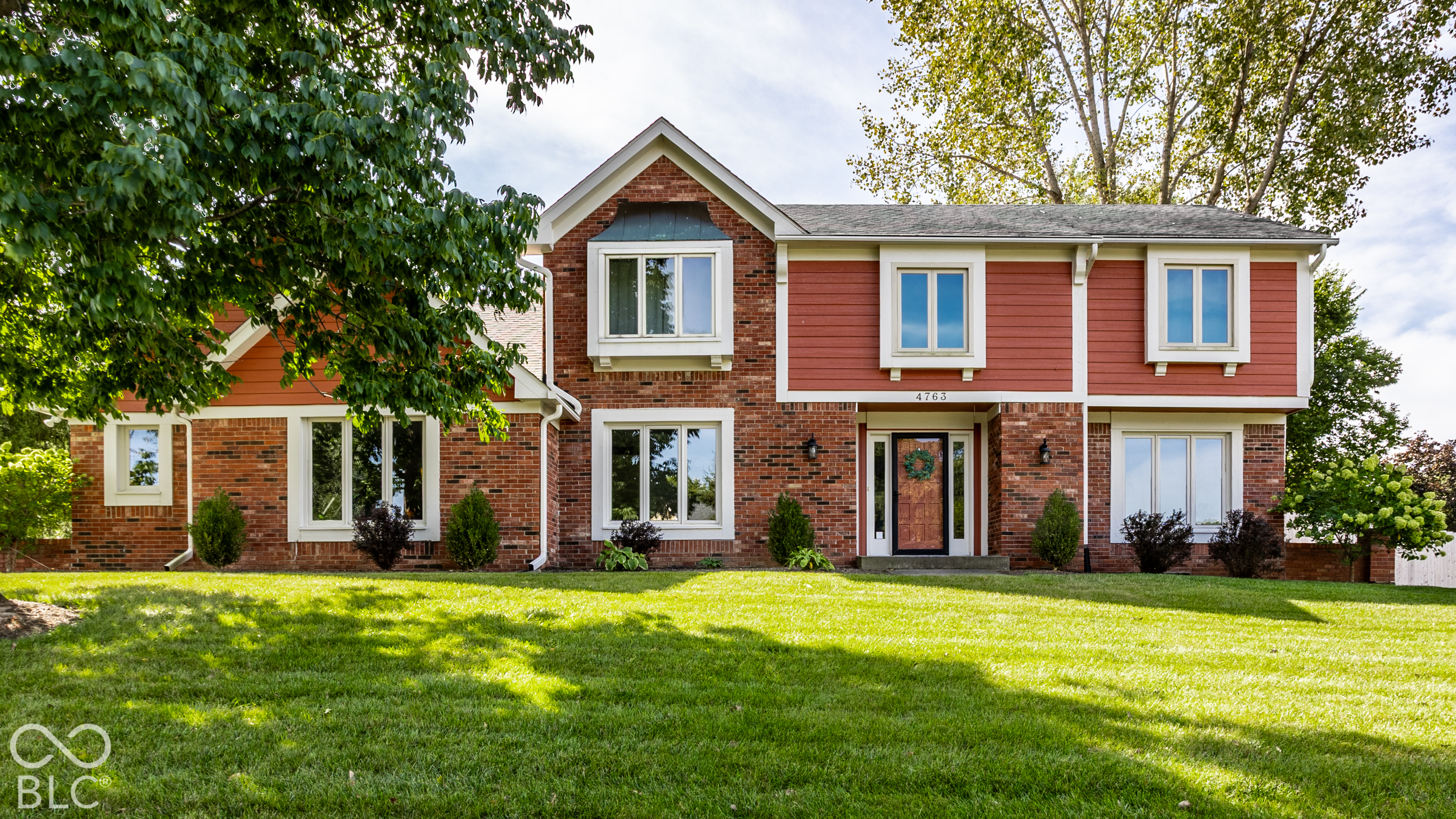
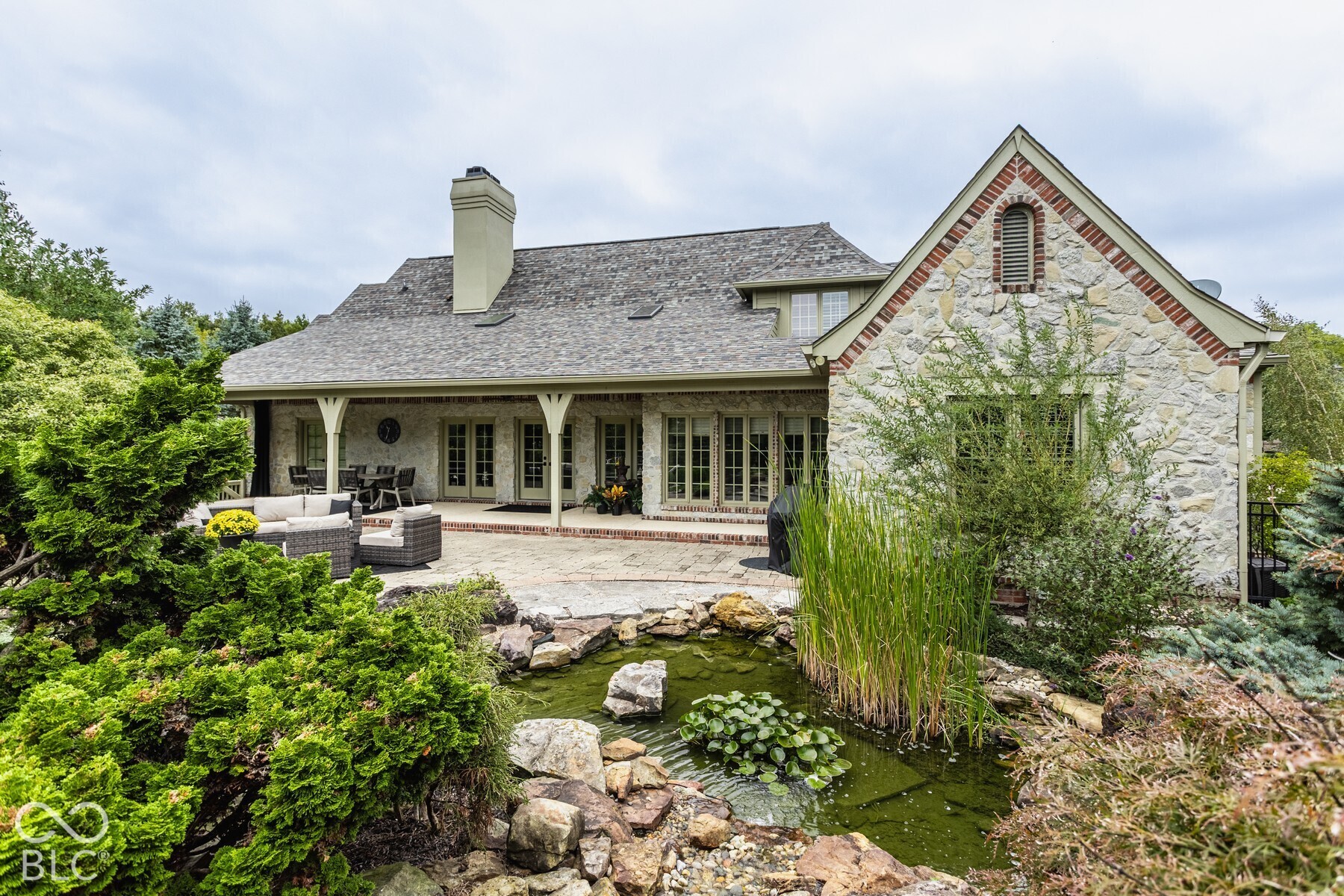
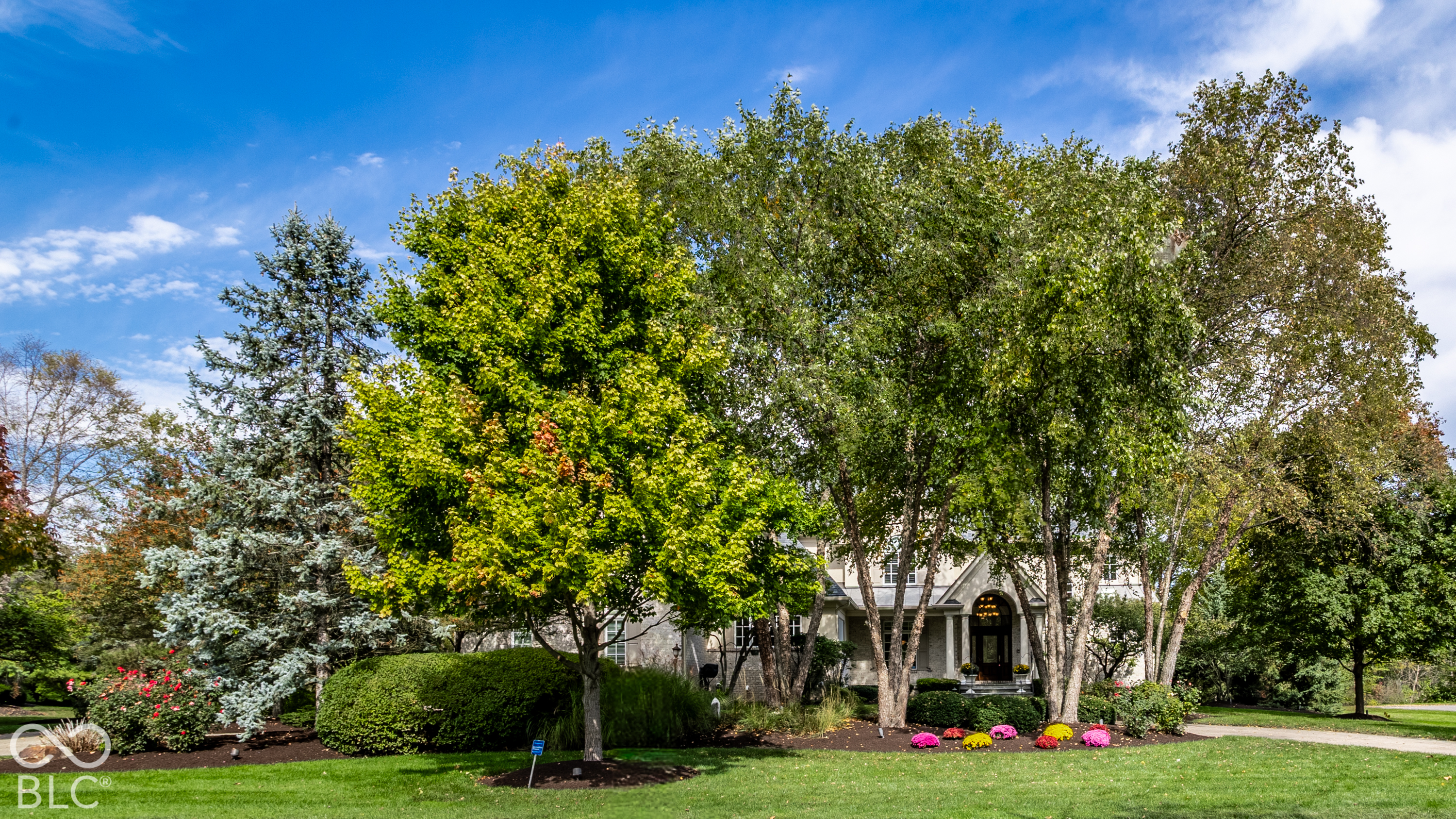
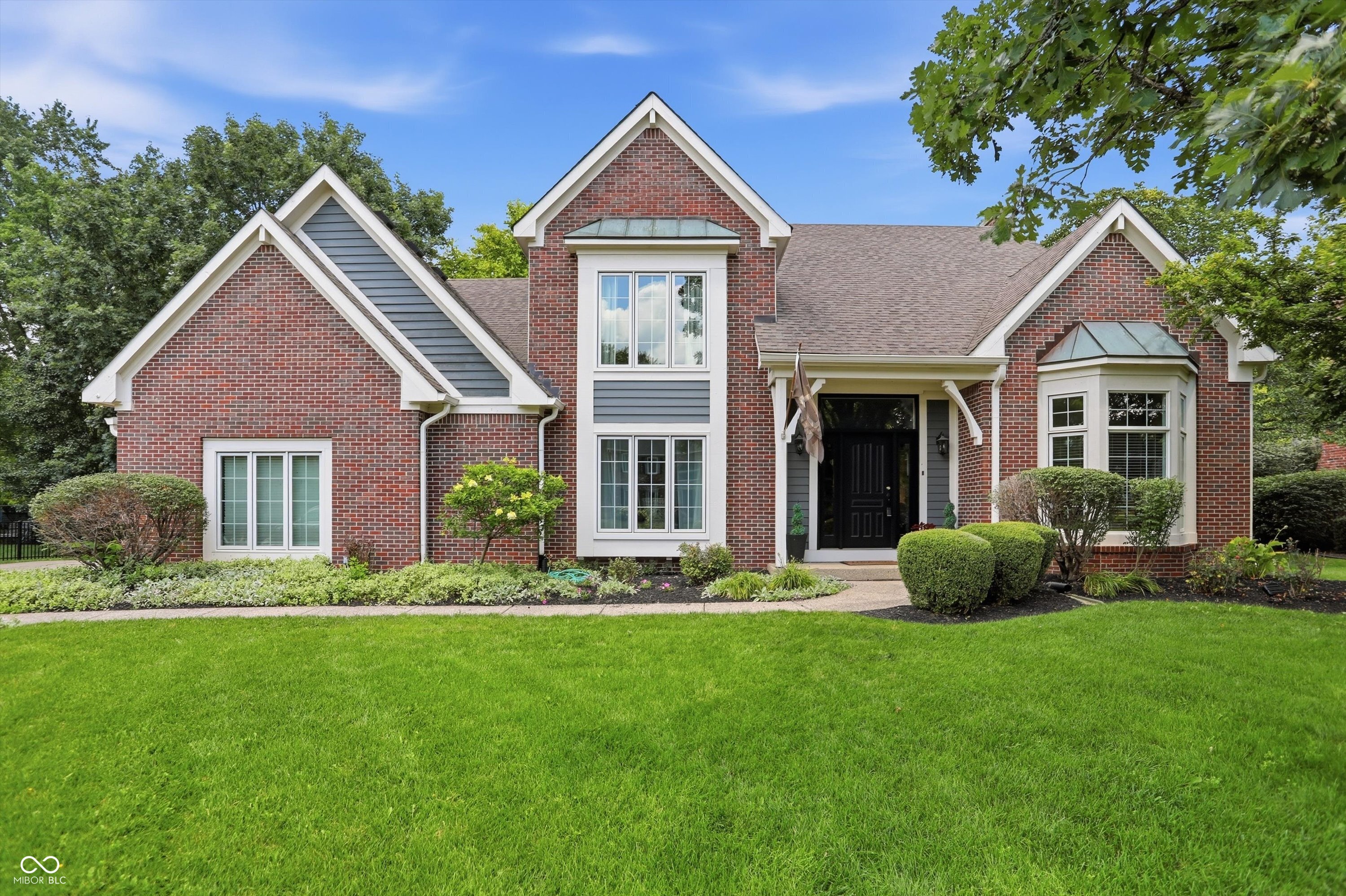
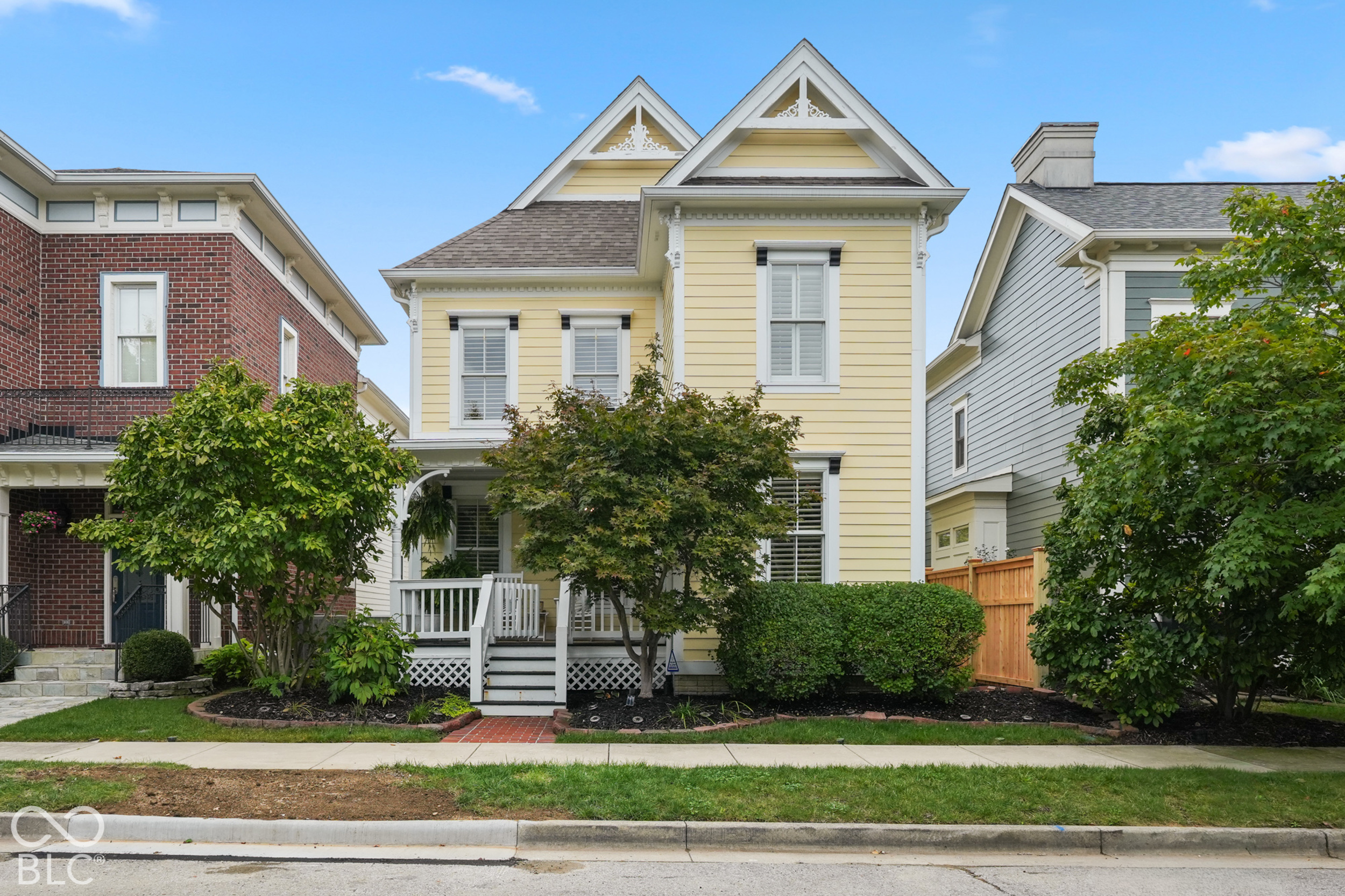
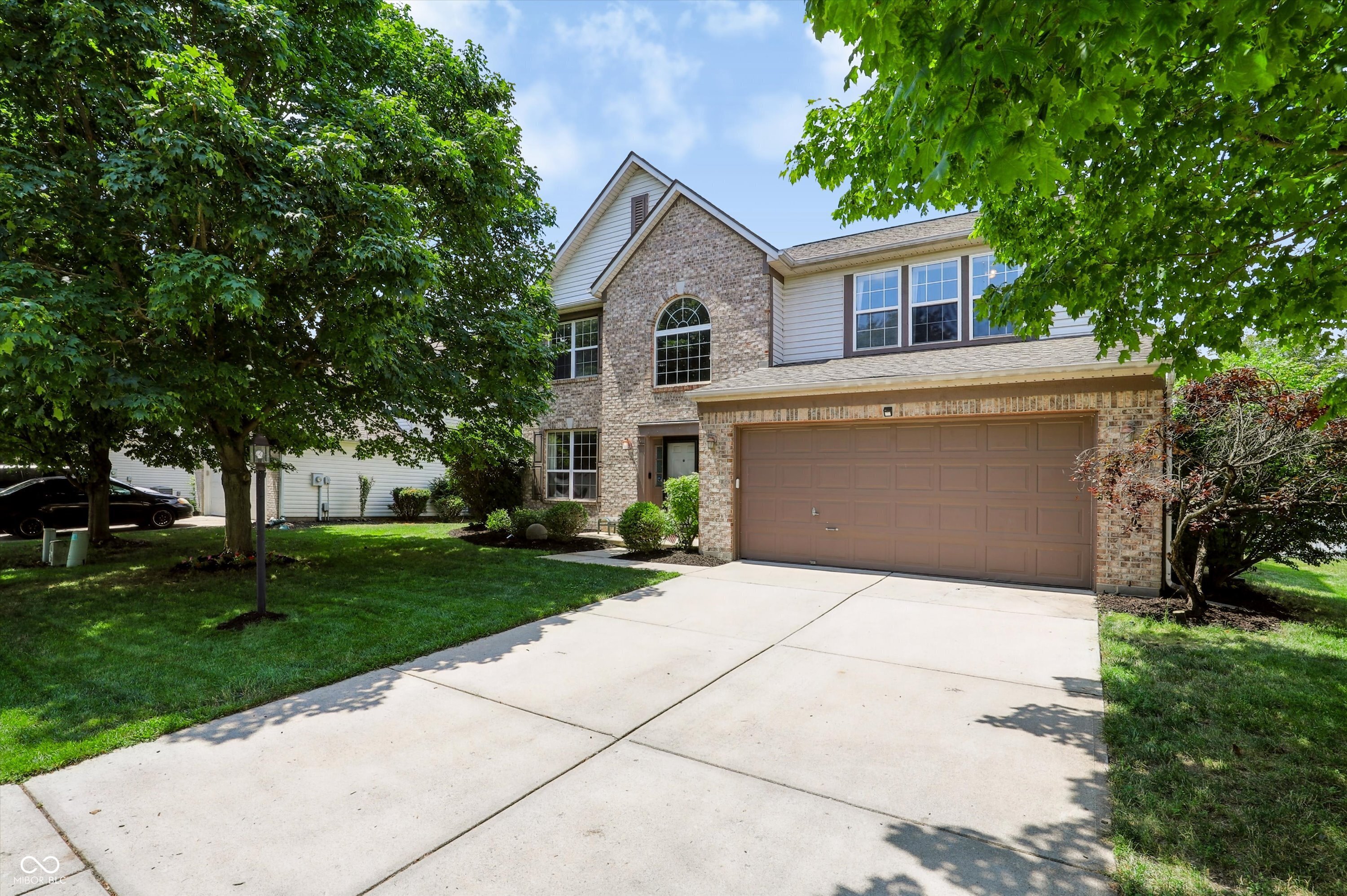
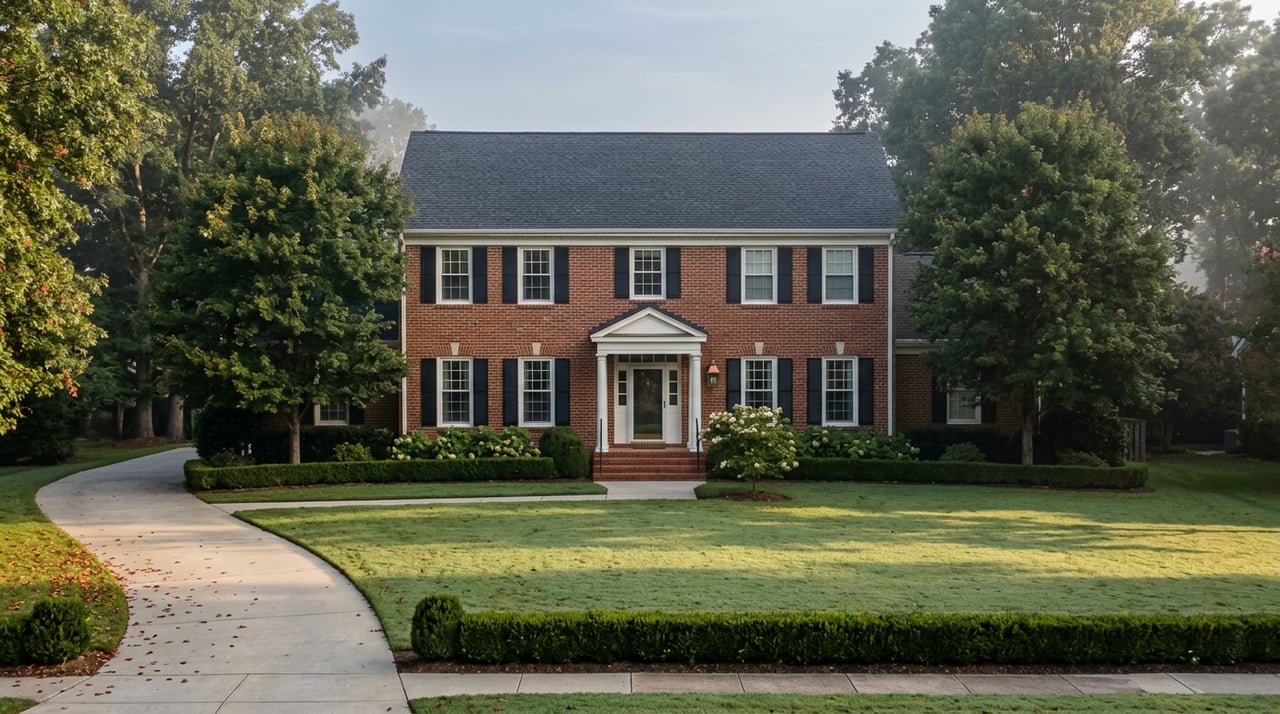
Carmel stands out as one of the premier and most robust housing markets in central Indiana, backed by a strong economy, world-class public infrastructure, and consistently top-ranked public schools. Single-family homes typically command valuations well near $600,000, with luxury developments, golf course estates, and modern urban builds routinely stretching into multi-million dollar price tags. Buyers are attracted by the city's master-planned design, extensive roundabouts, walkable Arts & Design District, and central lifestyle amenities like City Center and the Monon Trail.
The housing market in Carmel operates at a very competitive pace, with well-priced homes moving into pending status in just around 10 days. Homes average multiple offers per listing, enabling sellers to capture essentially 100% of their asking price on average. Roughly one-third of all homes sell above list price, particularly in prime subdivisions and walkable central pockets where aggressive bidding, escalation clauses, and contingency waivers remain common practice.
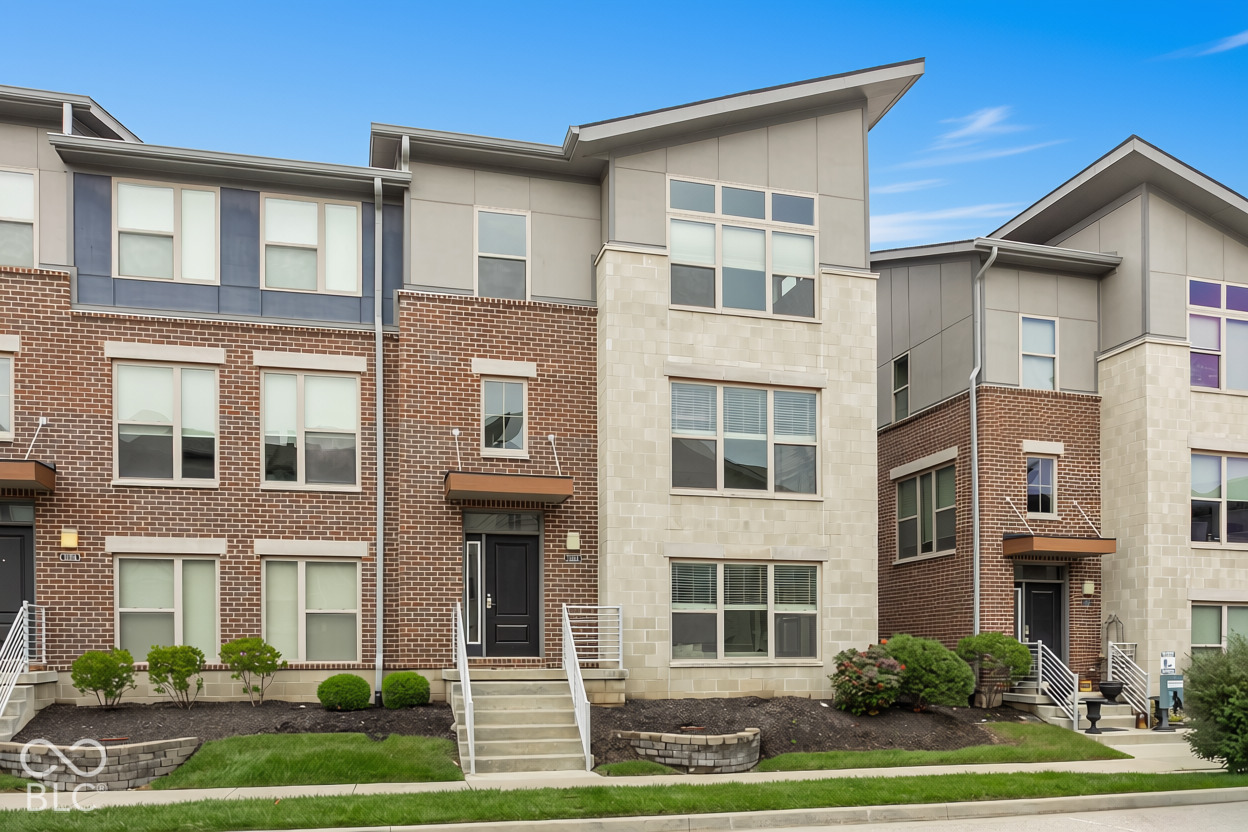
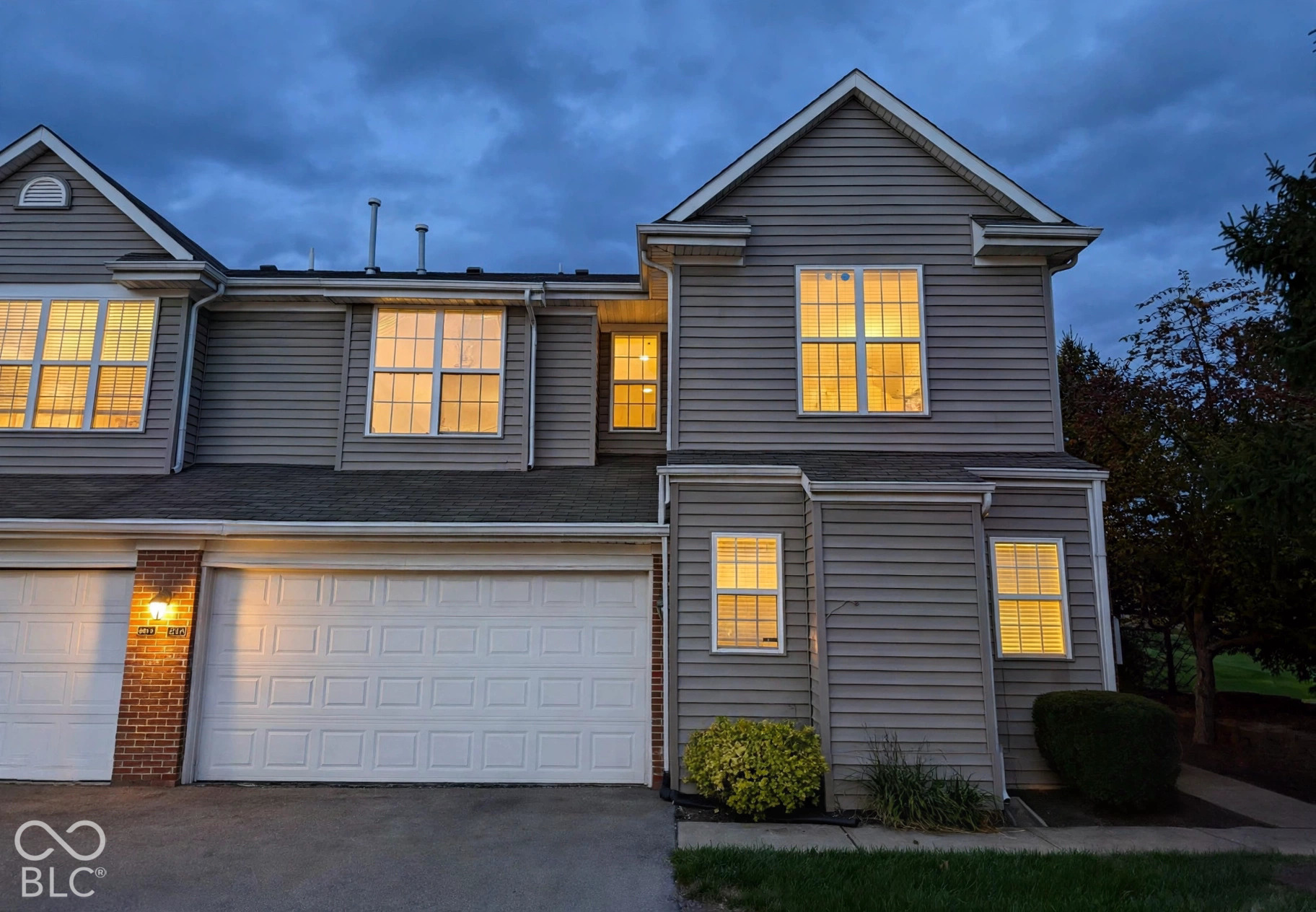
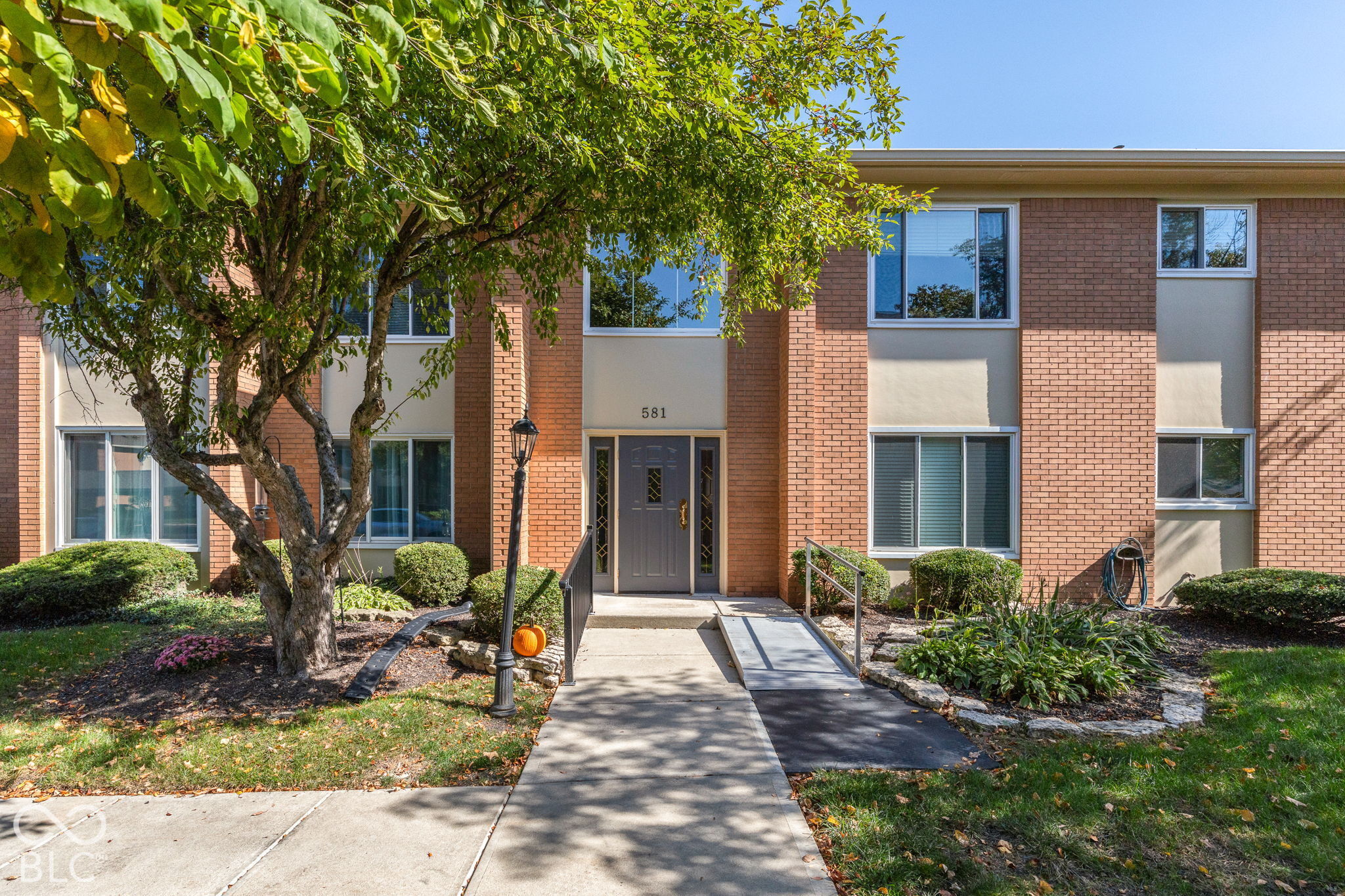
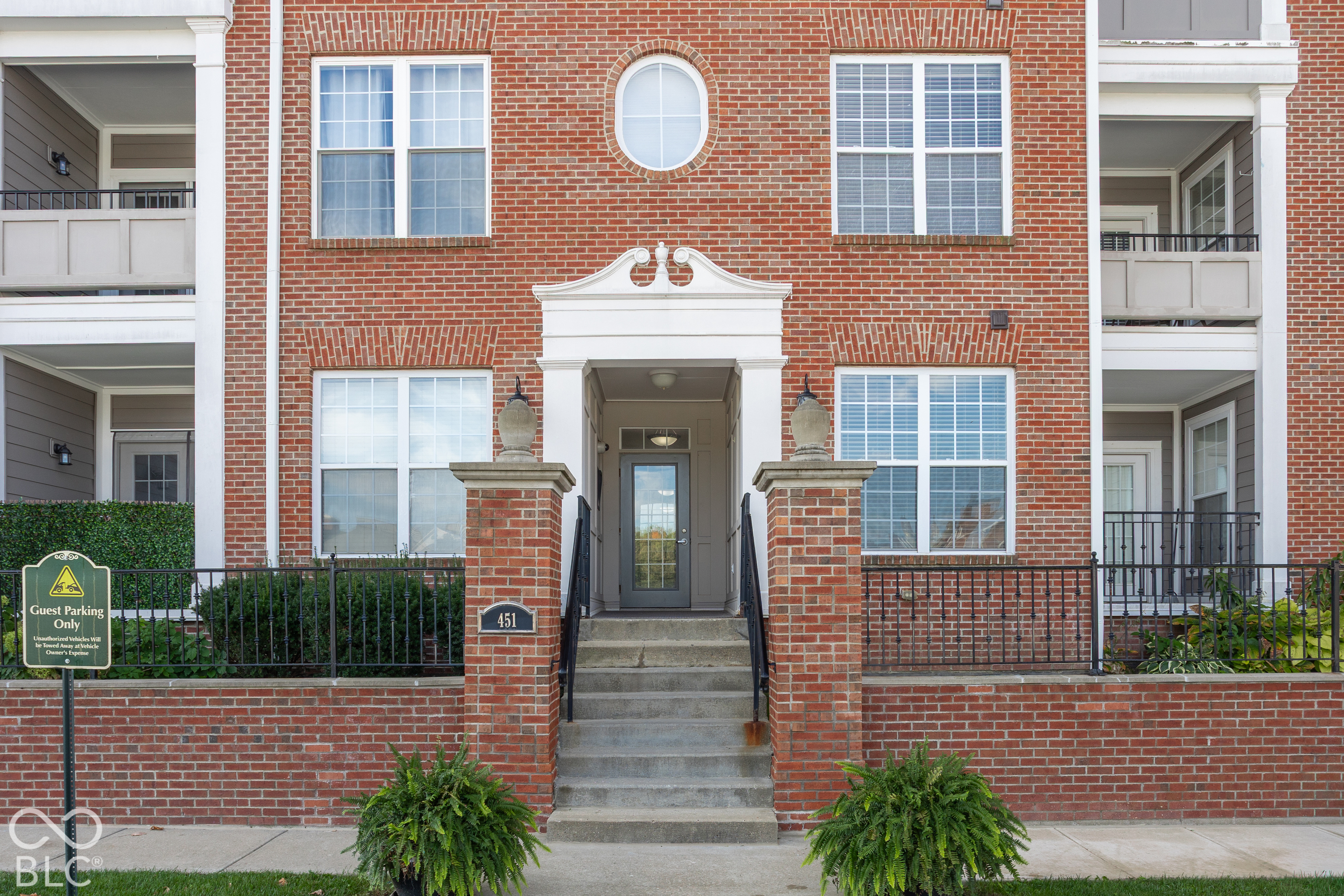
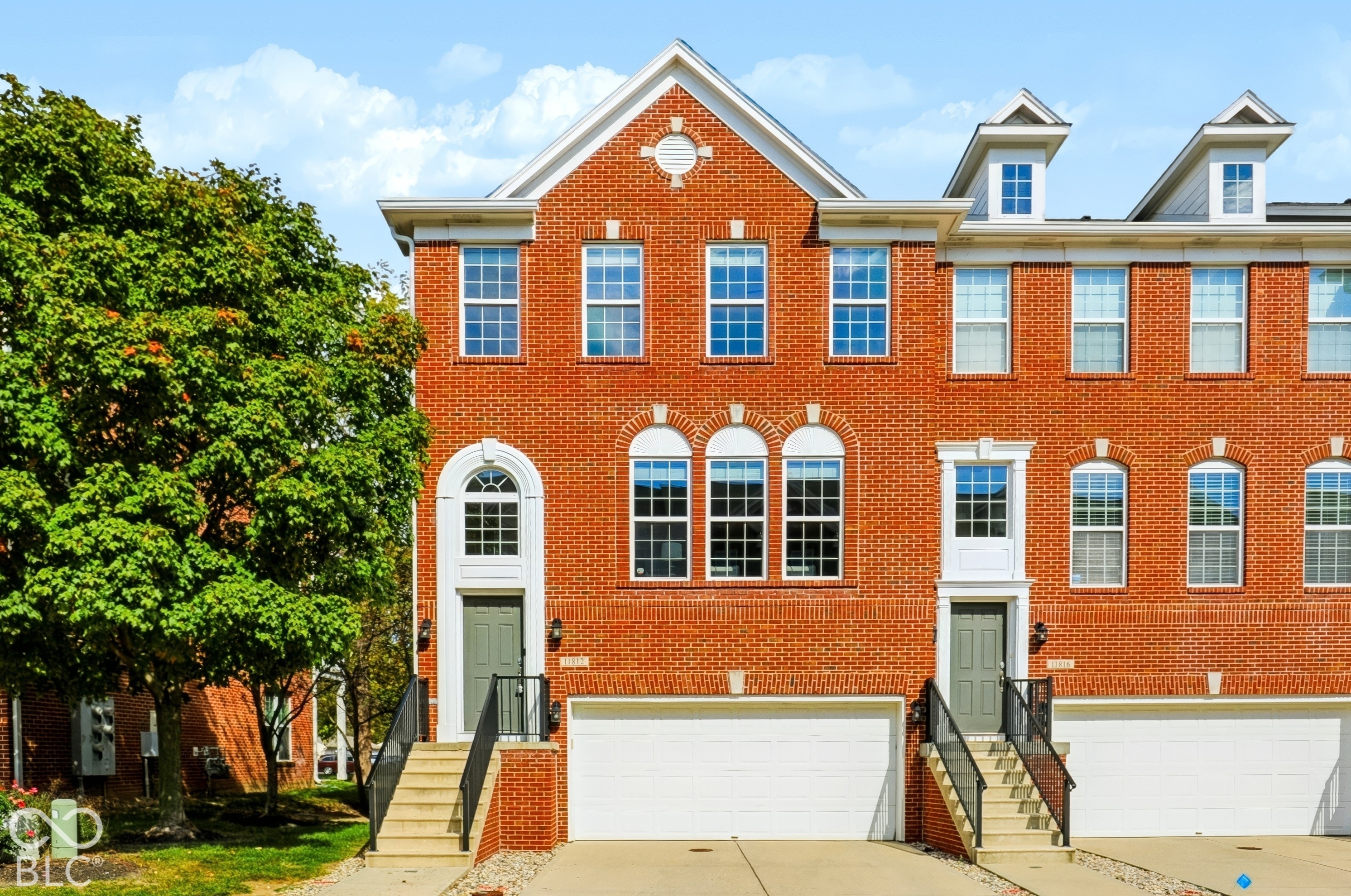
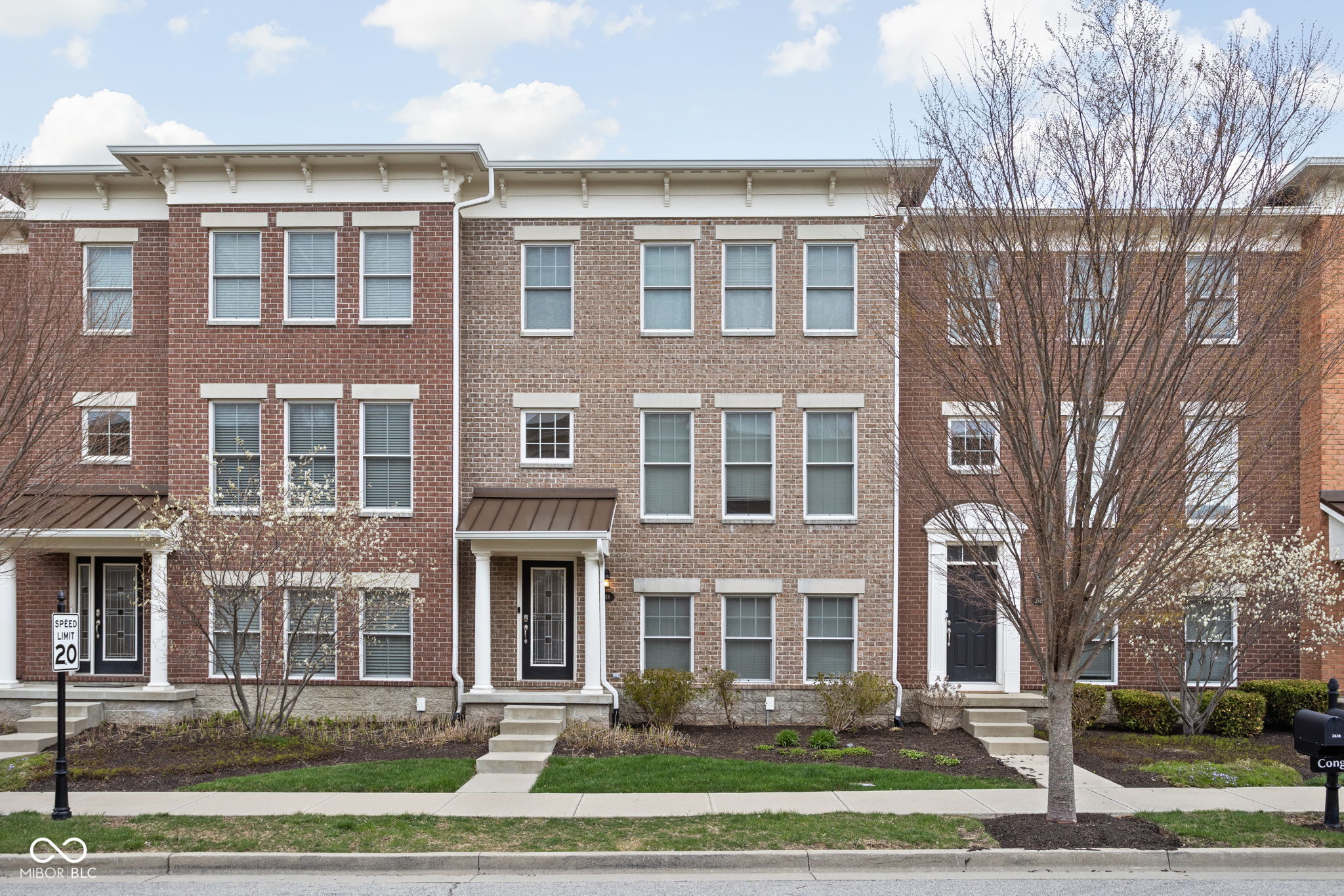
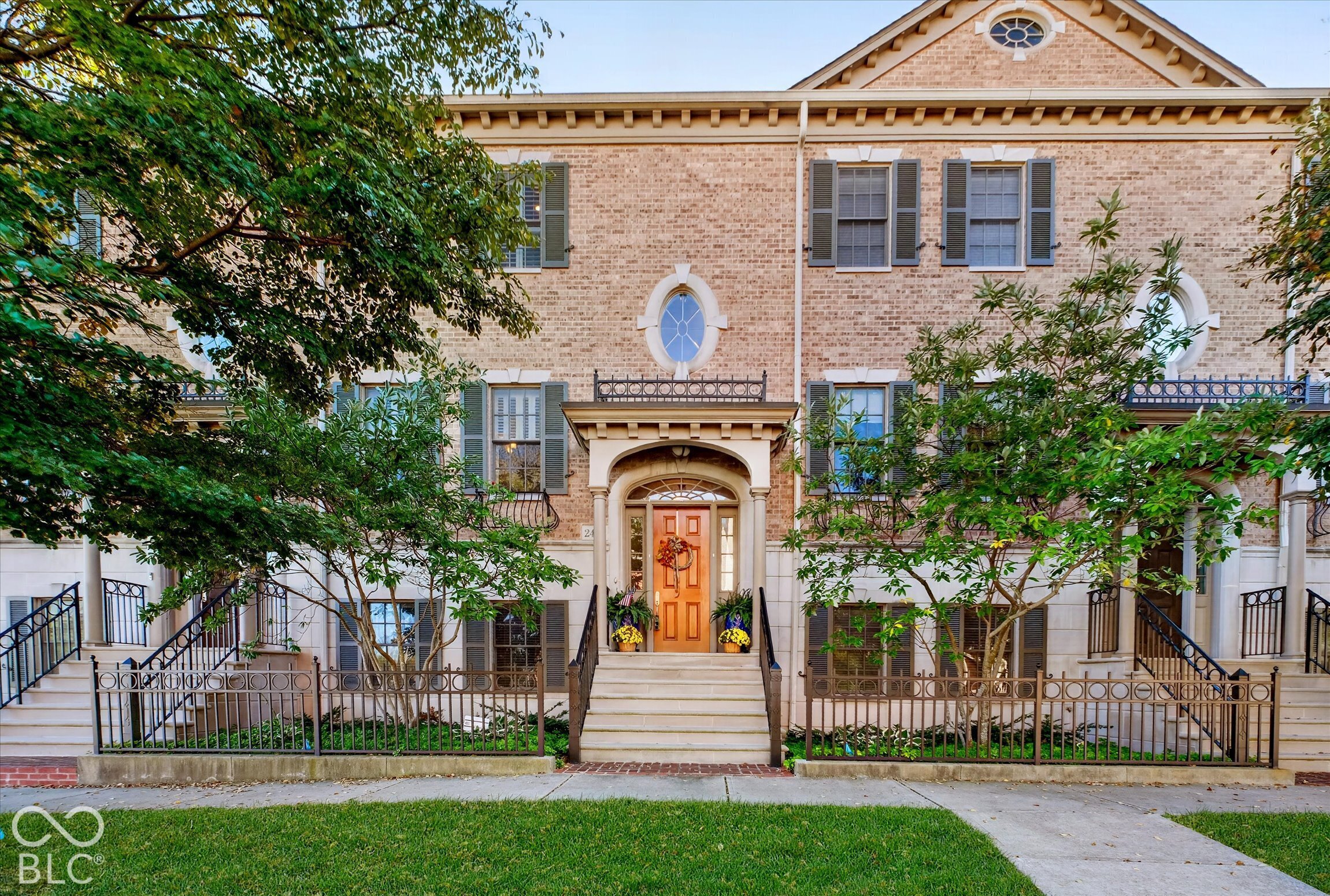
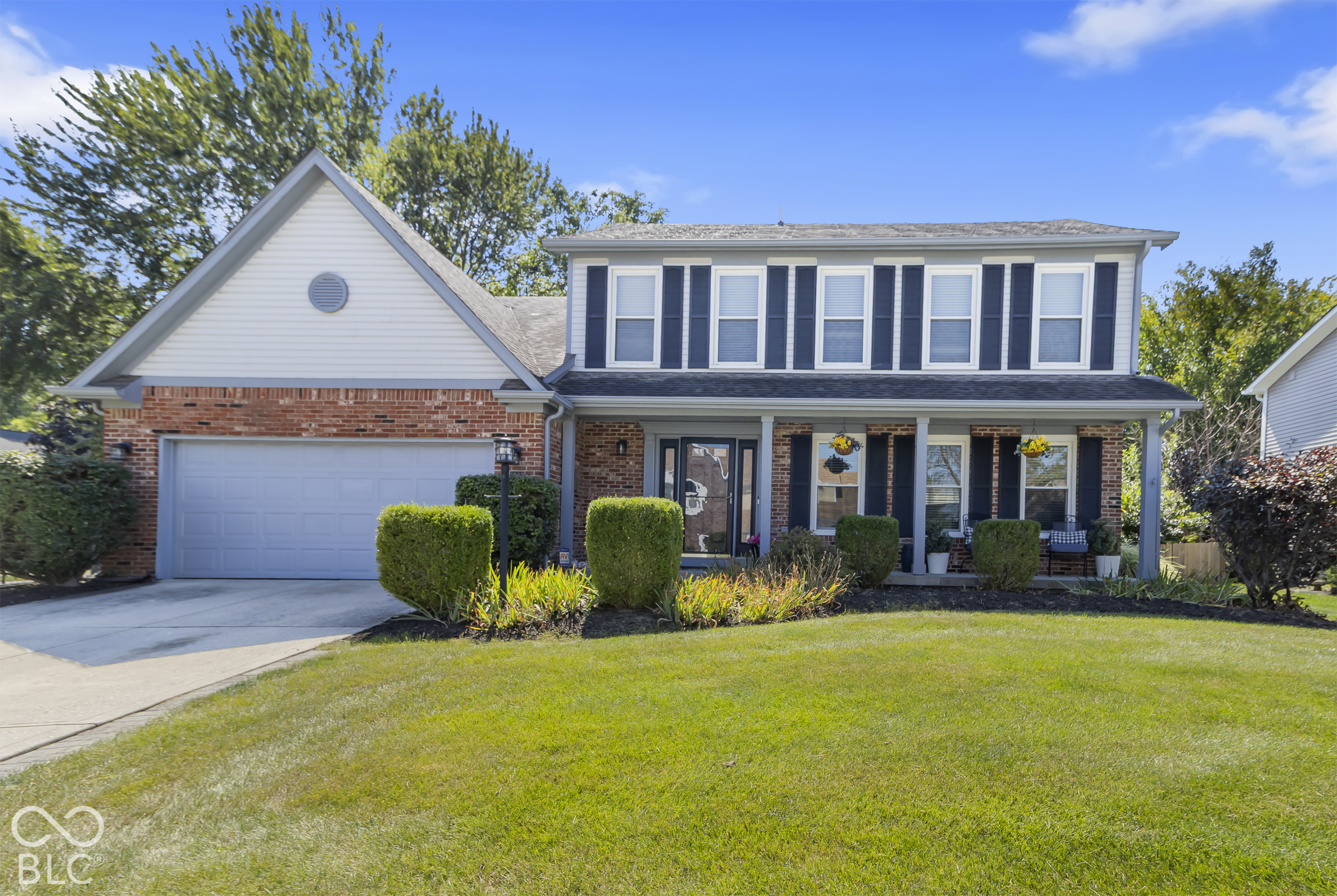
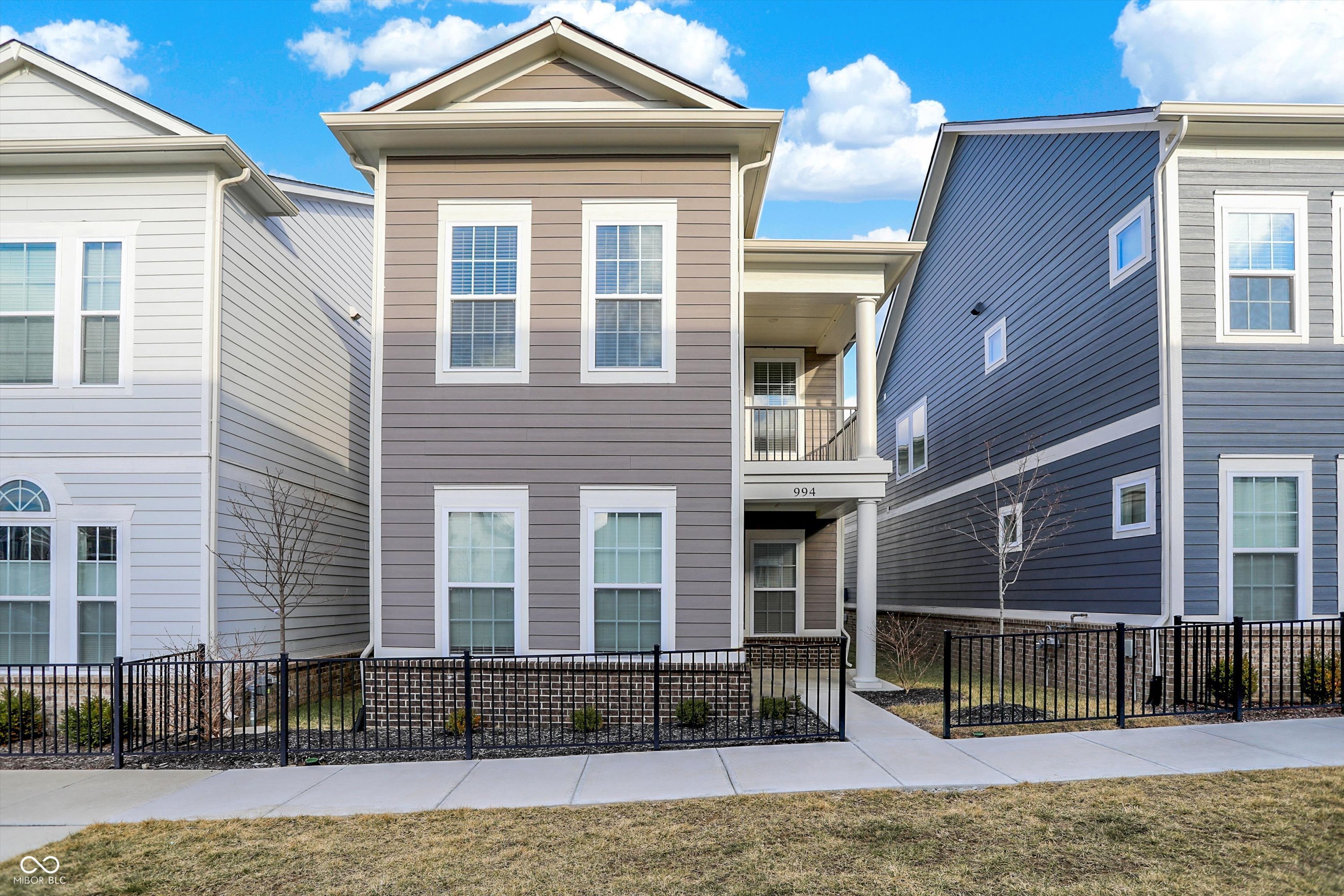
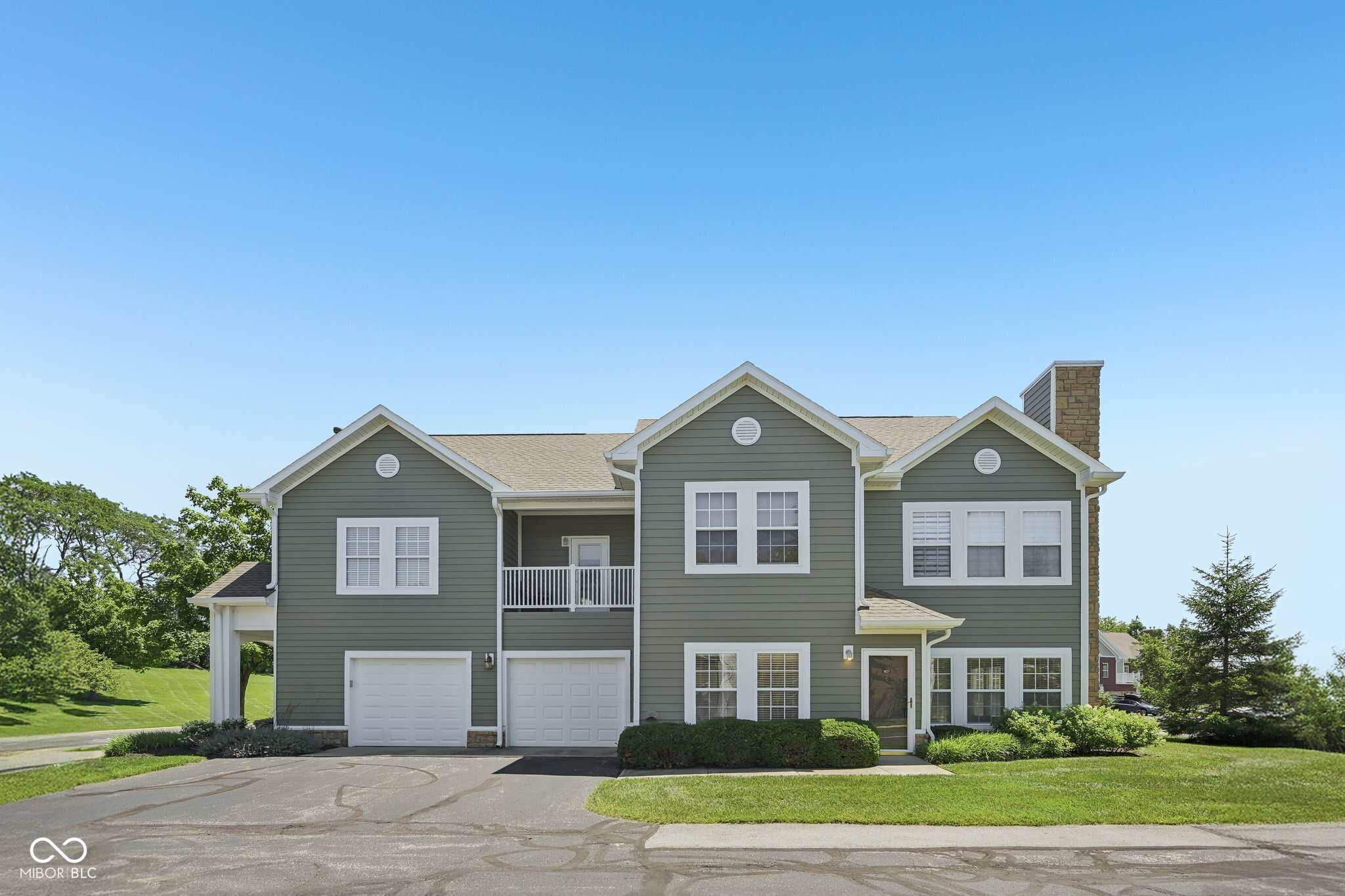
Low inventory relative to strong buyer demand continues to be a driving force in Carmel, keeping pricing resilient against broader national fluctuations. A growing portion of high-end activity occurs in private luxury networks or through custom infill builds as older properties in established neighborhoods are renovated or replaced. Furthermore, while sprawling single-family suburban lots make up the majority of transaction volume, high-density luxury townhomes and condos near Carmel City Center and Midtown provide diverse housing options for active adults and young professionals seeking low-maintenance living.
Contact us today for expert local advice, private tours, and guidance tailored to your goals. Whether you're navigating your first home purchase or upgrading to your ideal Carmel property, we’ll help you move with confidence in one of Indiana's most sought-after markets.
Property taxes in Carmel are assessed by the Hamilton County Assessor based on a home's gross market value minus statutory deductions like the Indiana Homestead Exemption. While Indiana caps owner-occupied residential property taxes at 1% of gross assessed value, local voter-approved referendum levies—such as those for Carmel Clay Schools—are added on top of the baseline cap. Taxes in Hamilton County are billed annually in arrears and paid in two equal installments due in May and November.
The City of Carmel Department of Community Services requires an Improvement Location Permit (ILP) along with trade-specific permits for structural additions, major electrical, plumbing, or mechanical overhauls. Property owners or licensed contractors must submit detailed architectural construction drawings and site plans through the city's ProjectDox online portal before starting work. Once issued, necessary municipal building inspections must be scheduled and passed at distinct construction milestones.
Most residential neighborhoods in Carmel are subject to Homeowners Association (HOA) Covenants, Conditions, and Restrictions (CC&Rs) enforced by an Architectural Review Committee (ARC). These committees tightly regulate visible exterior modifications including exterior paint schemes, roofing materials, fence design, and outbuildings. Obtaining a mandatory municipal permit from the City of Carmel does not bypass or satisfy the separate requirement for written HOA architectural approval.
School assignments in Carmel are determined strictly by boundary lines drawn by Carmel Clay Schools rather than city mailing addresses alone. Certain peripheral Carmel postal addresses extend into neighboring townships or counties, which places those specific parcels outside the main school district boundary. Buyers confirm elementary, middle, and high school assignments by checking specific parcel ID numbers on the official Carmel Clay Schools boundary system.
Setback regulations established under the Carmel Unified Development Ordinance (UDO) define how close any physical structure can be placed to front, side, and rear property lines. Specific distance requirements vary widely based on whether a home is located in an established historic neighborhood, a standard suburban lot, or an urban overlay district. Building an addition or accessory structure that encroaches on official setbacks requires a formal variance approval from the Carmel Board of Zoning Appeals.
Public utility services in Carmel are coordinated across municipal utility departments and regional private service providers depending on the exact location. Water and trash collection services are primarily operated through Carmel Utilities, whereas electricity and natural gas are supplied by regional providers like Duke Energy and CenterPoint Energy. Homeowners must contact each utility provider directly ahead of closing to set up service transfers, complete safety inspections, and register account billing.
Carmel homes move quickly, and the right fit depends on details that don’t show up in a listing — school boundaries, HOA rules, how close you really are to the Monon. If you have questions about a specific neighborhood or want to know what your budget gets you here, The Wilson Team is happy to walk you through it.
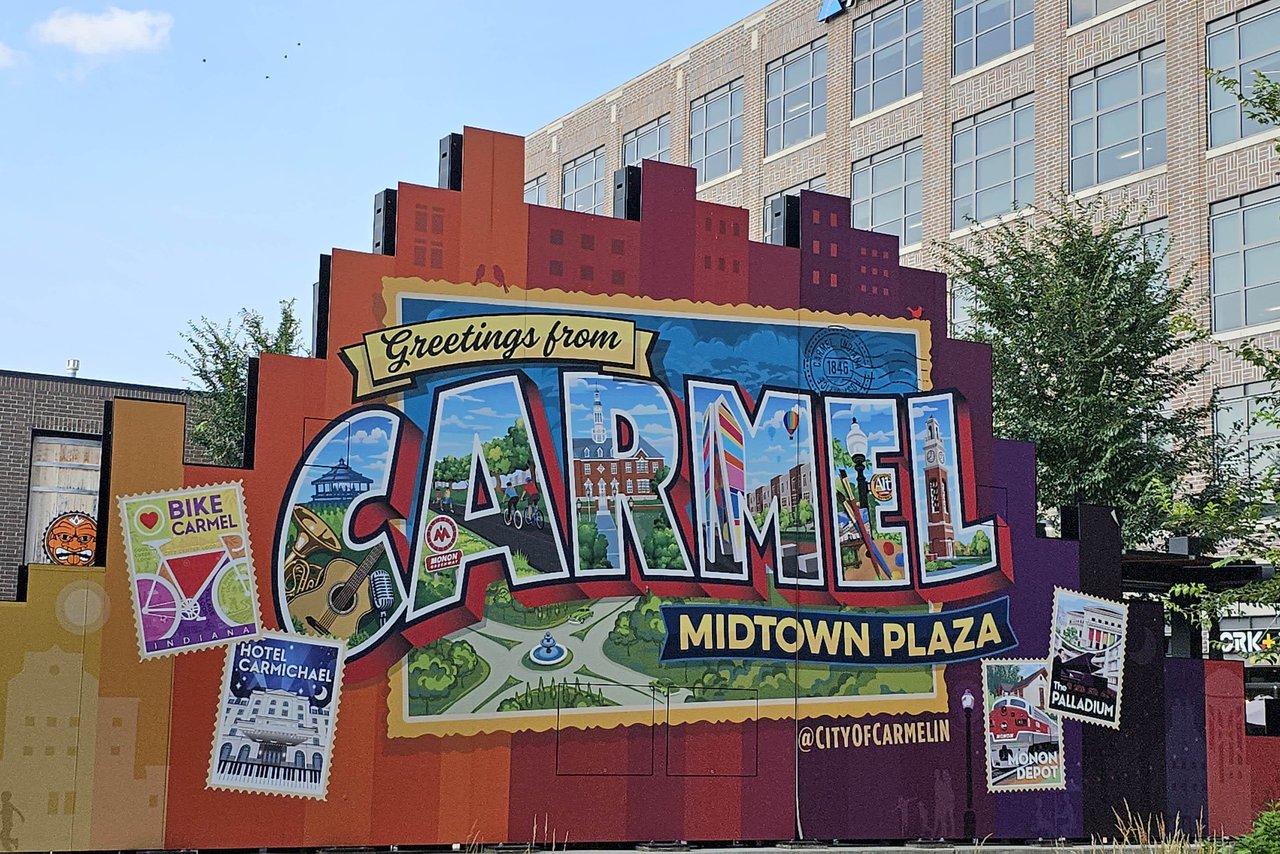
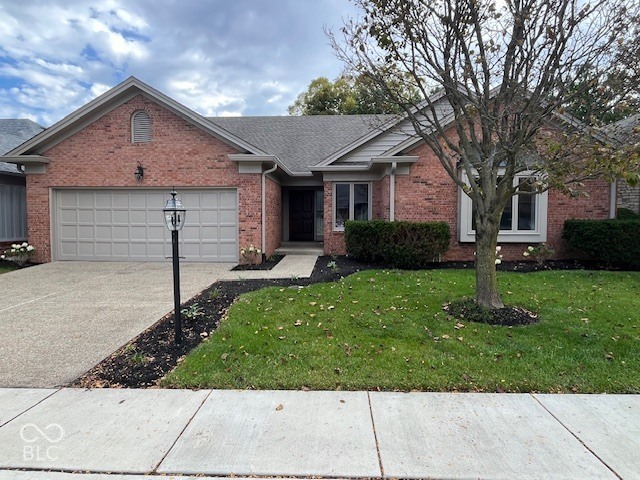
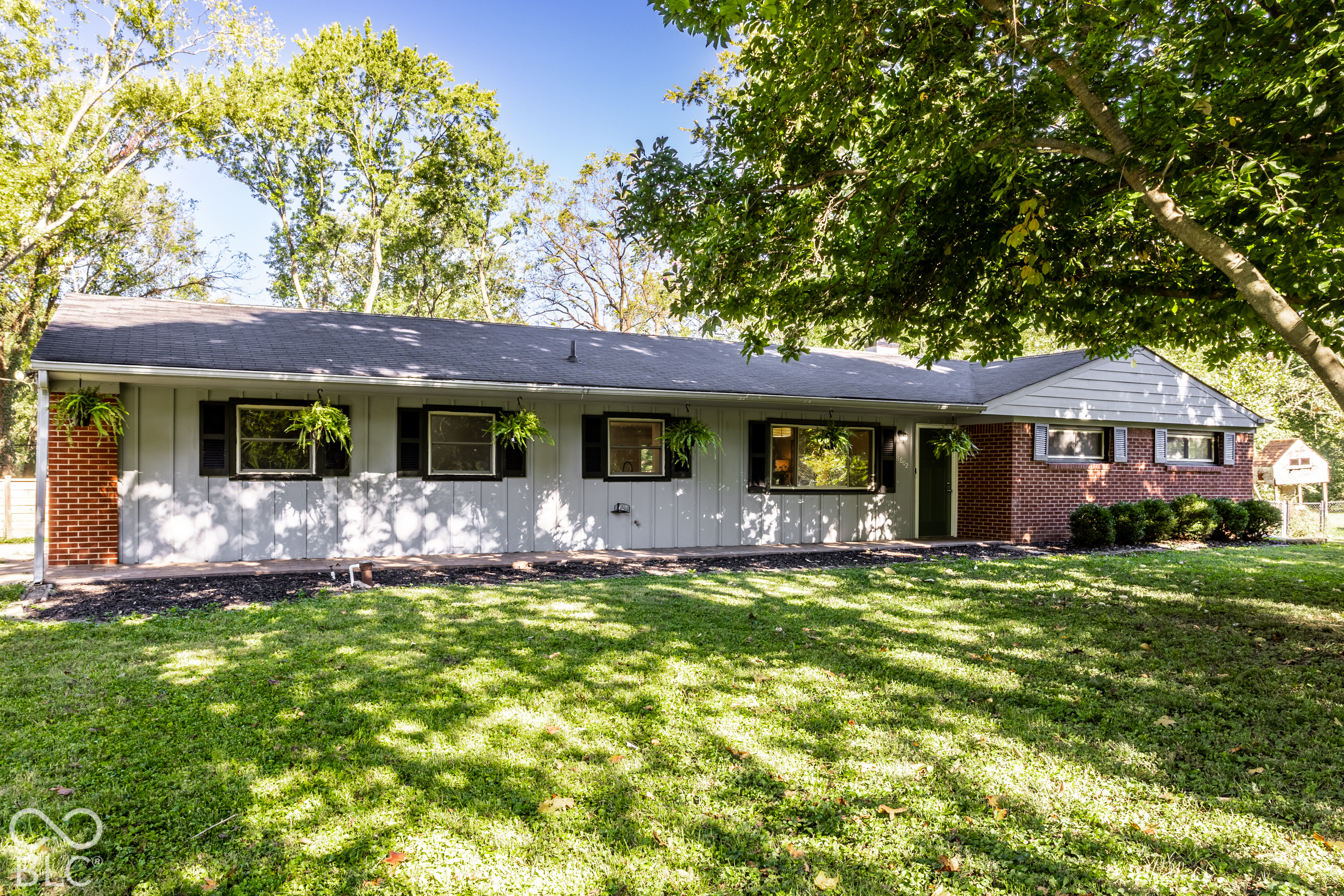
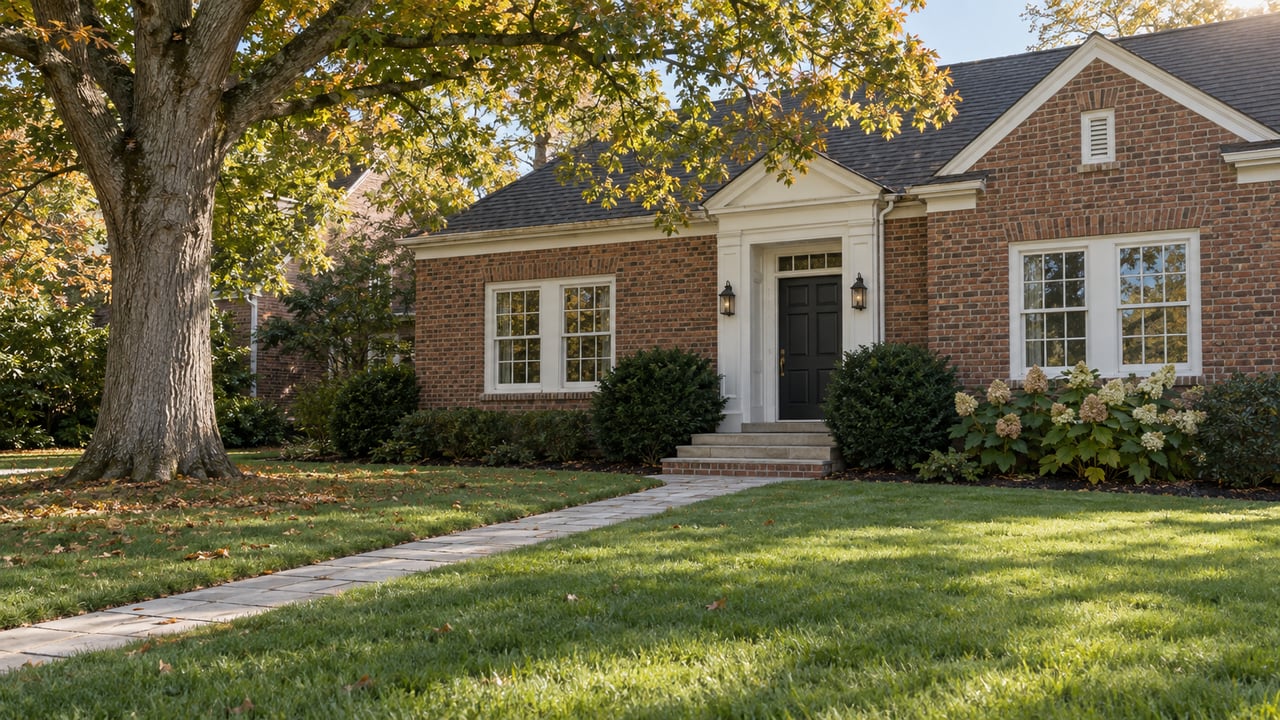
Carmel covers a lot of ground, and the experience of living here shifts block by block — a custom home backing up to the Monon feels nothing like a Village of WestClay townhome or an established ranch near Keystone. Our Carmel neighborhood guide lays out what distinguishes each area, from architecture and price ranges to school assignments and walkability. Browse the guide below to narrow things down before you start scheduling tours.