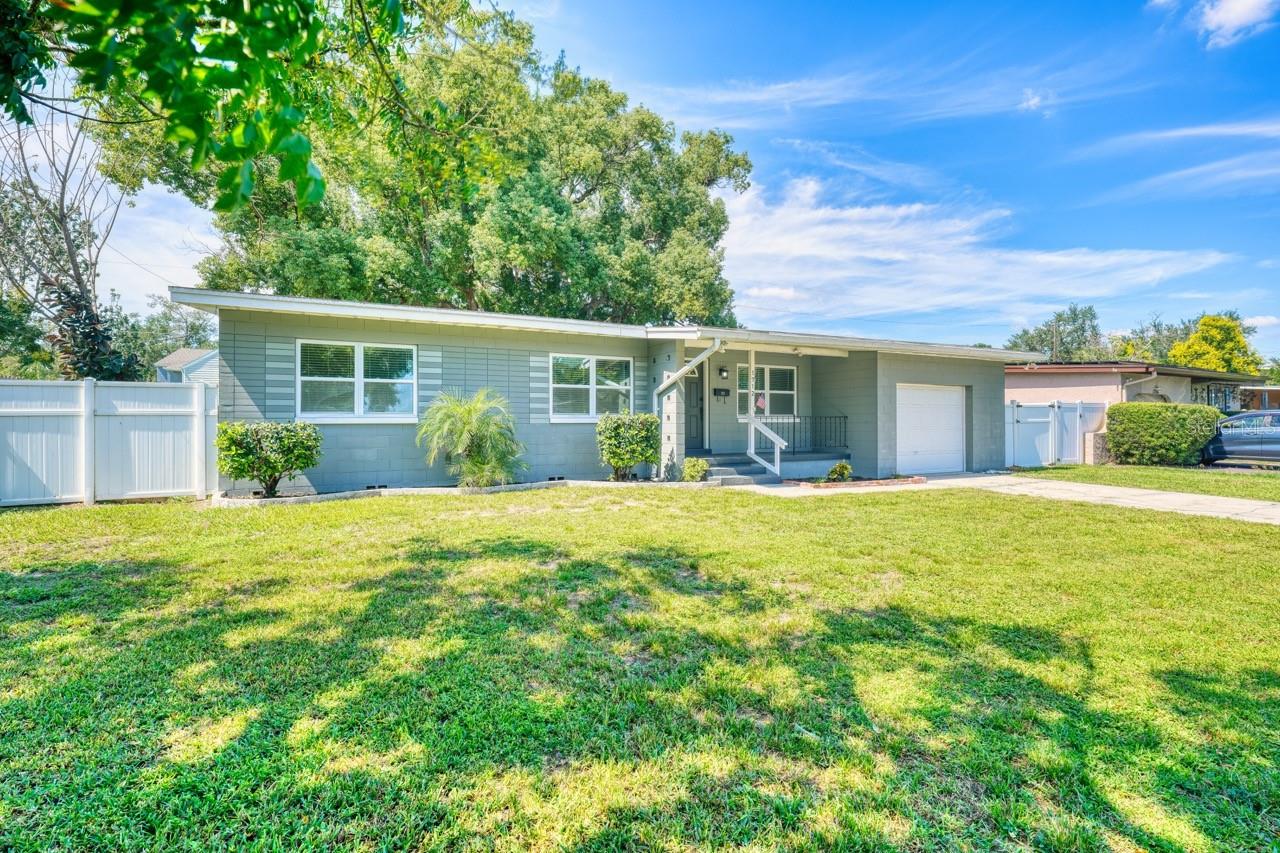
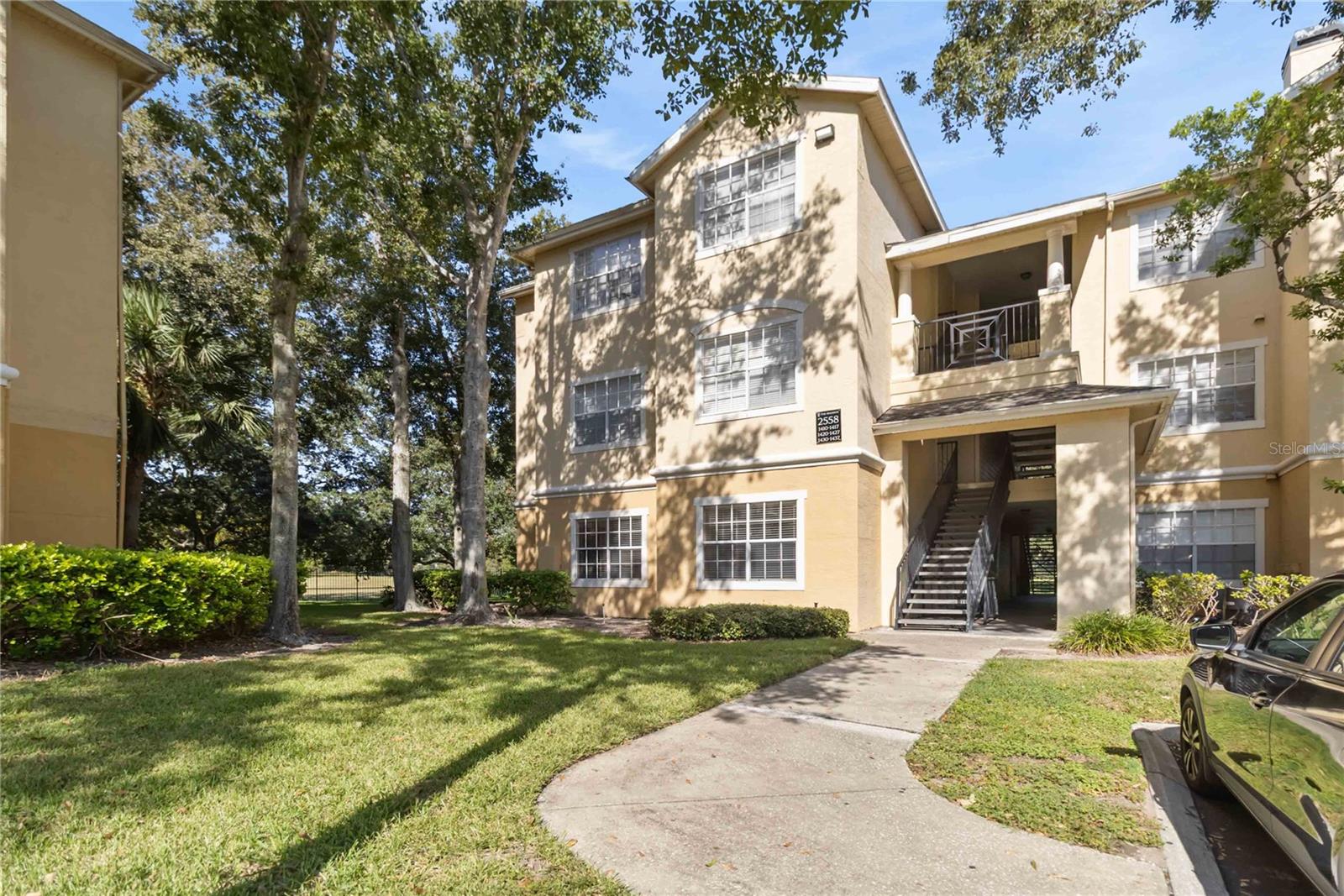
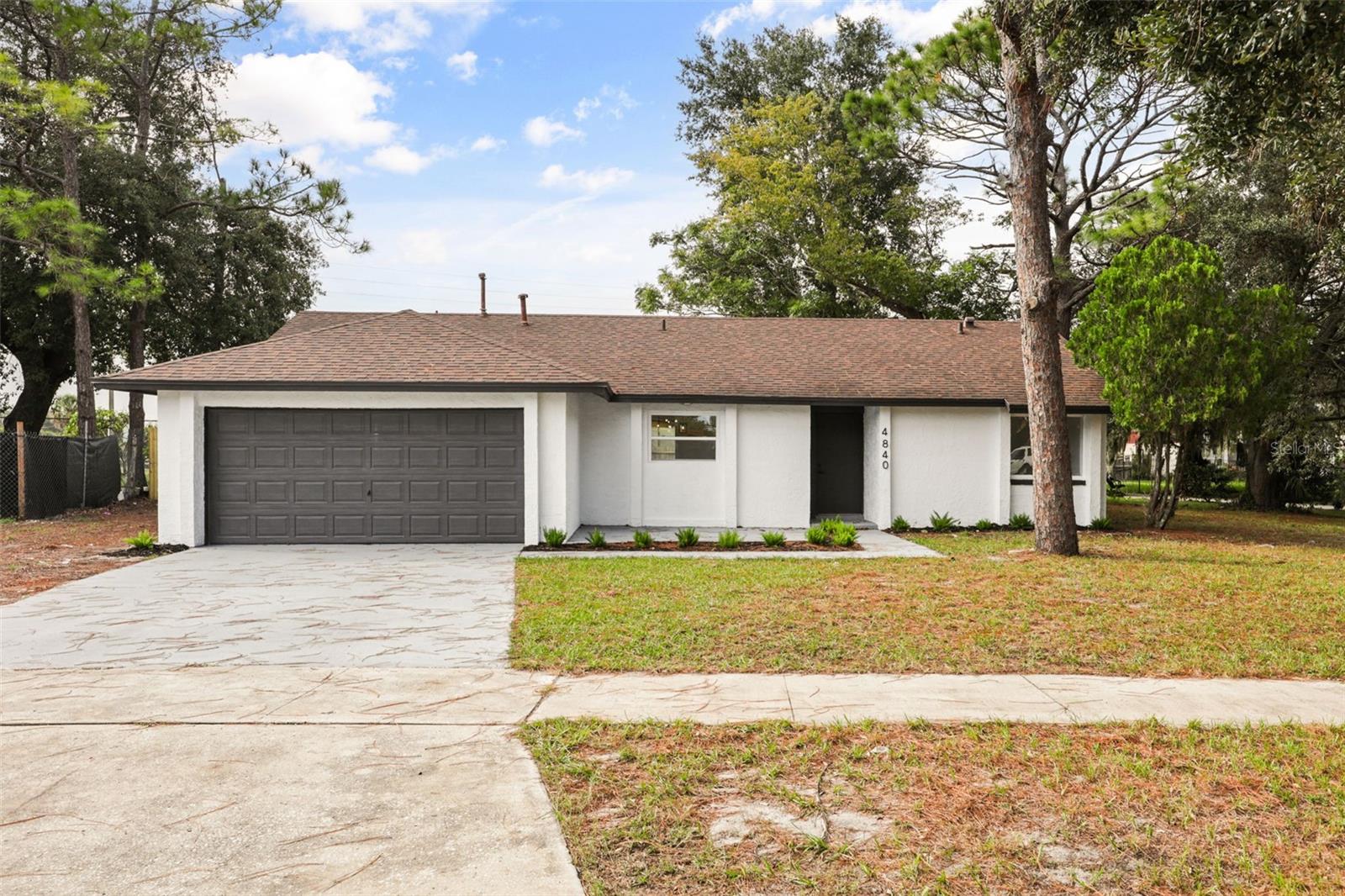
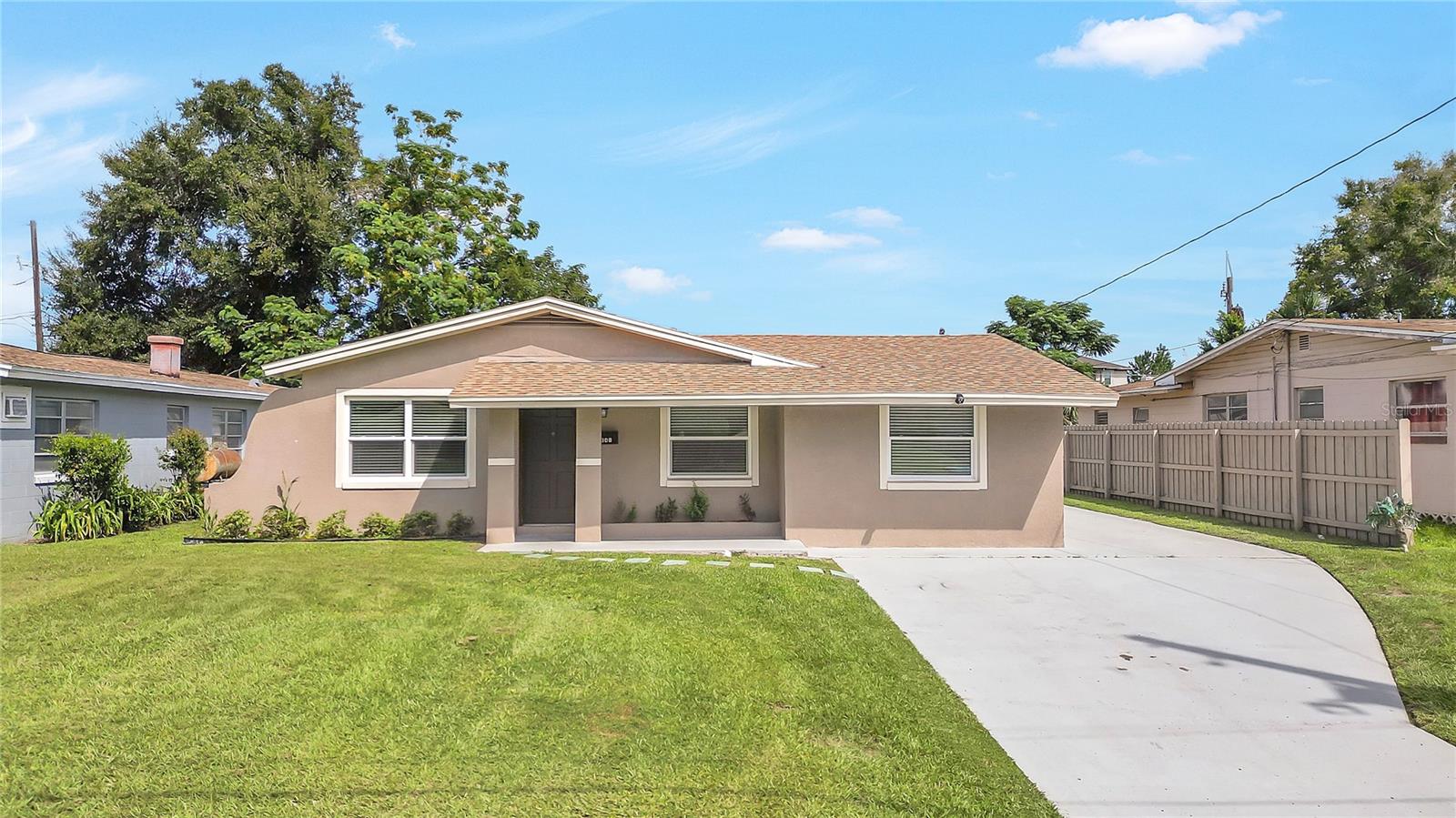
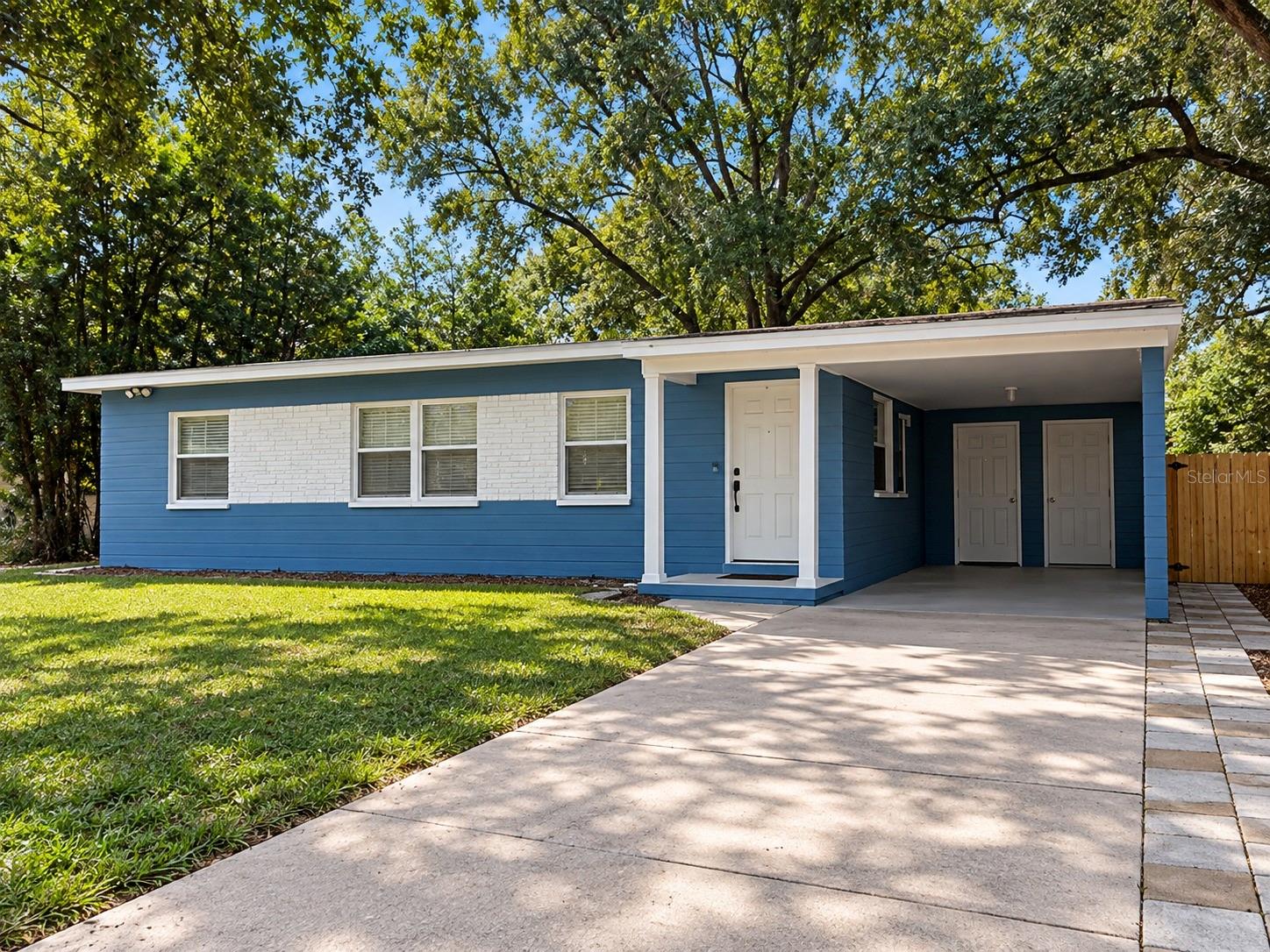
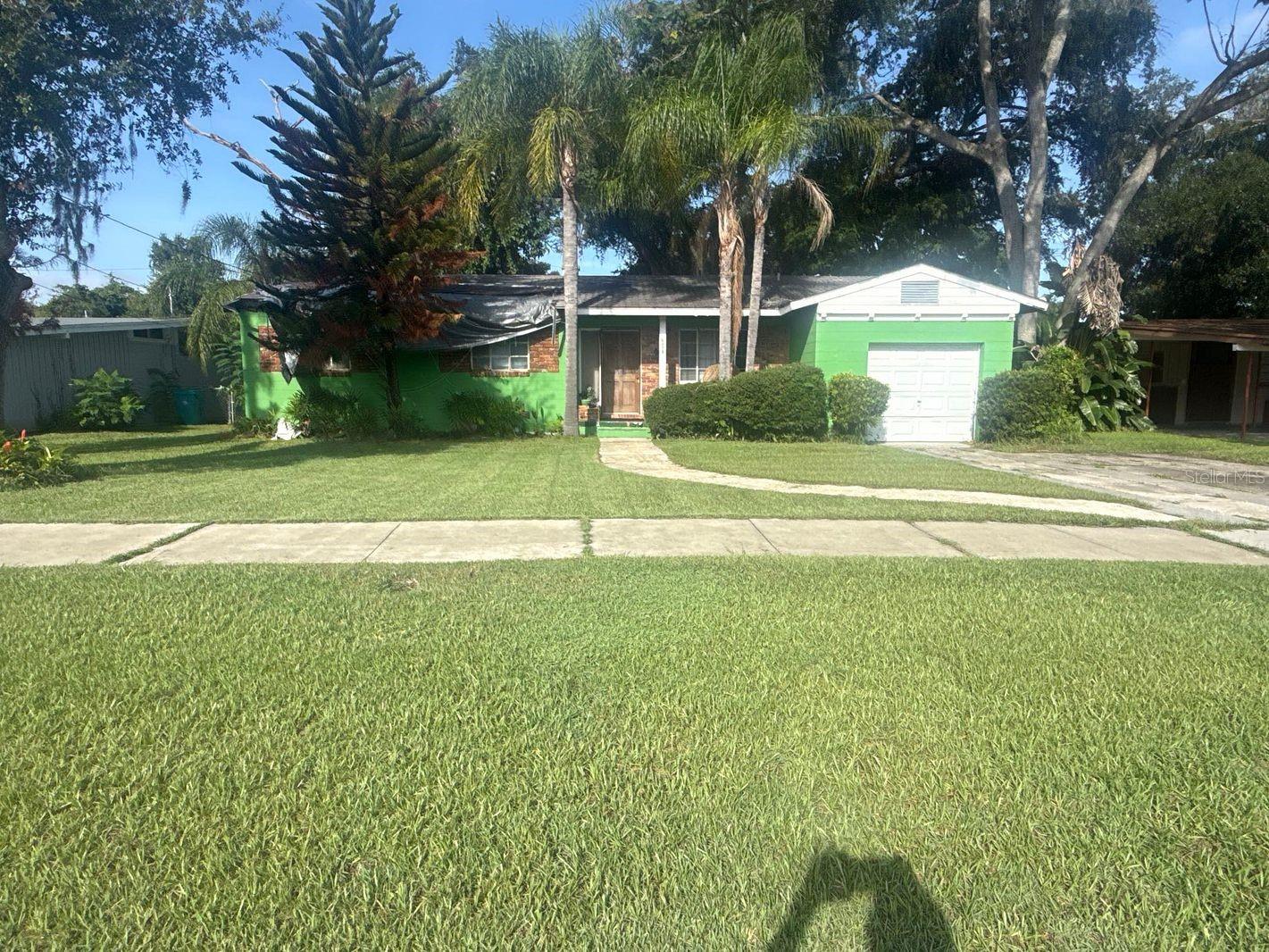
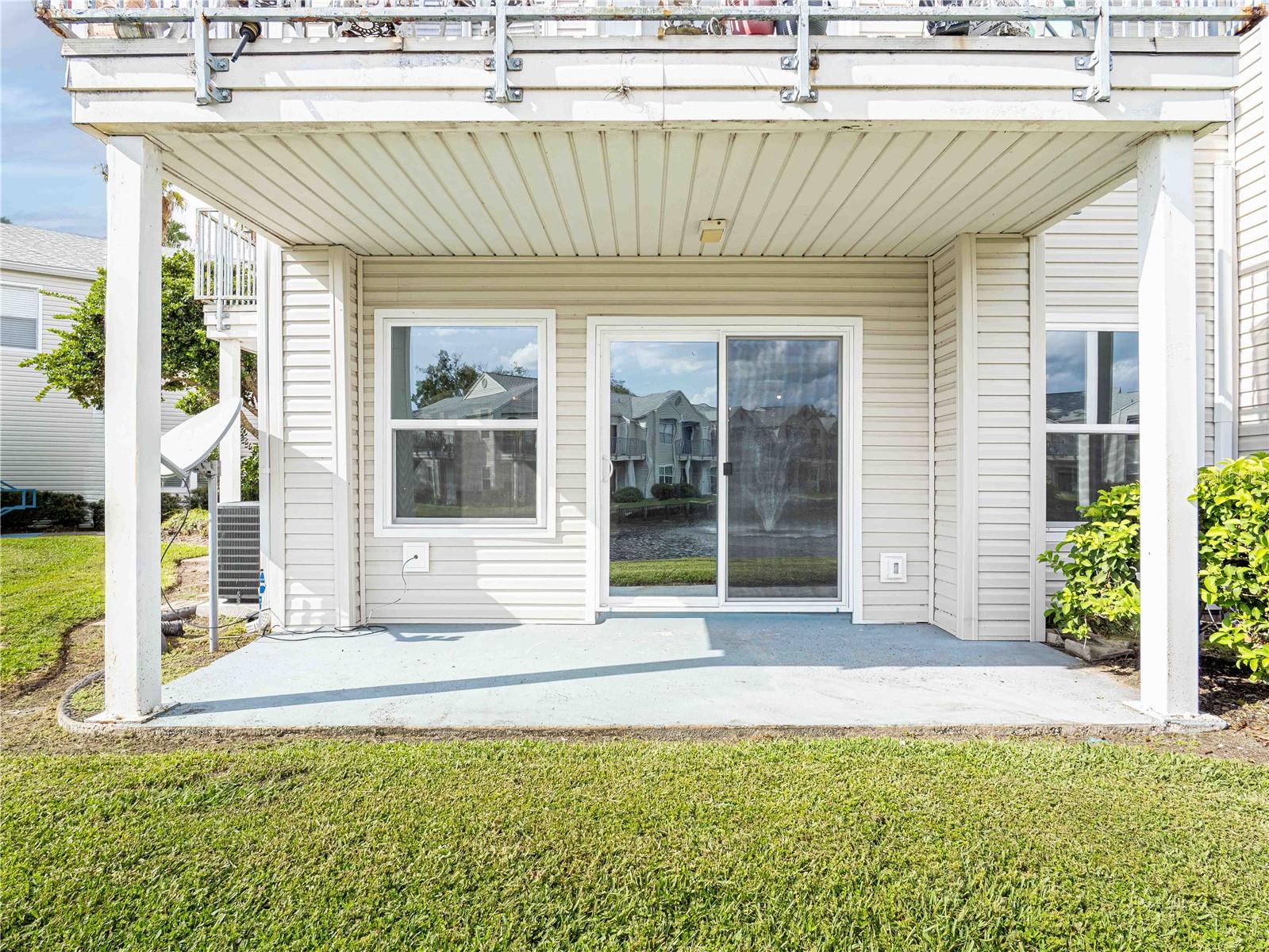
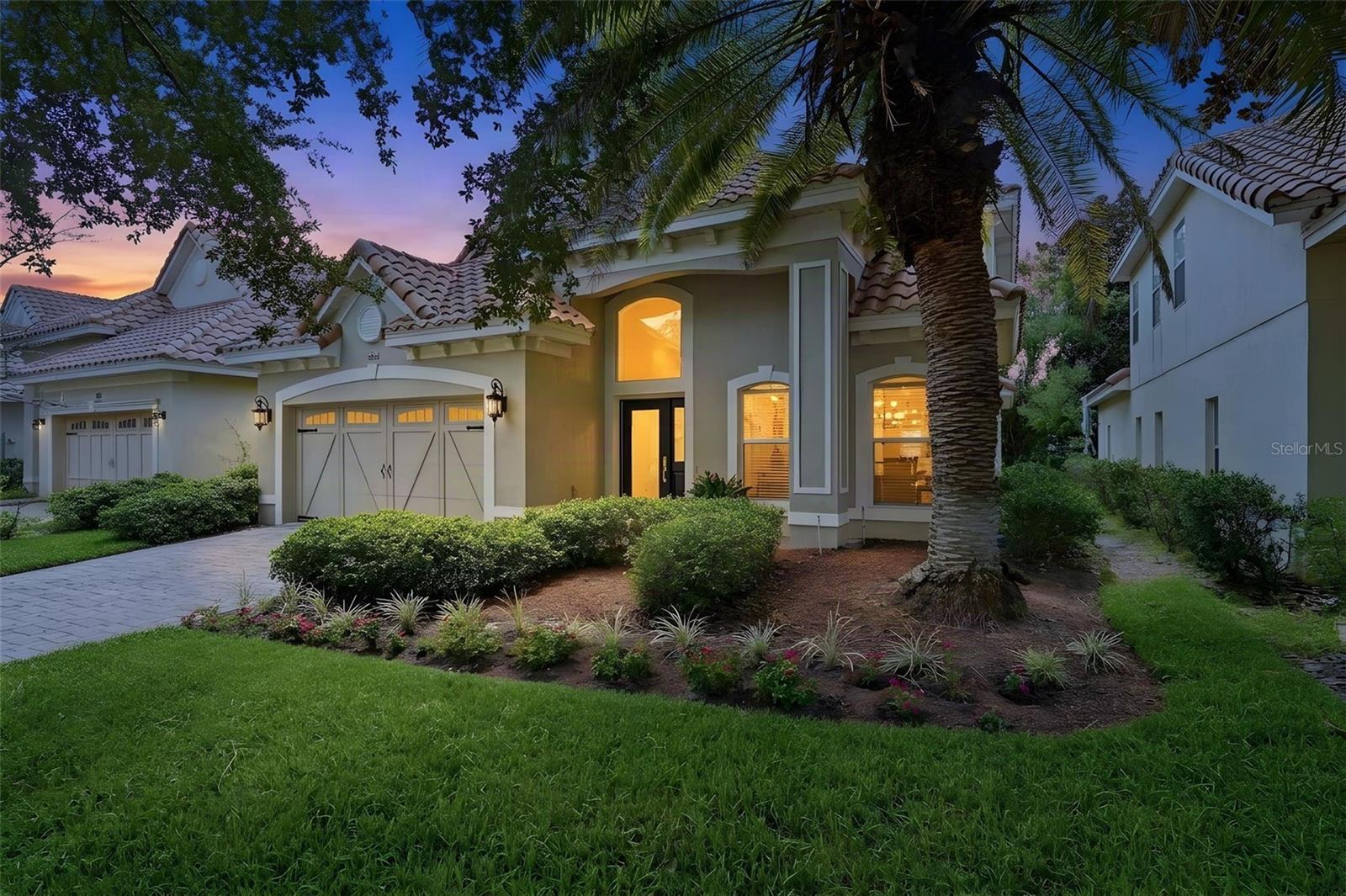
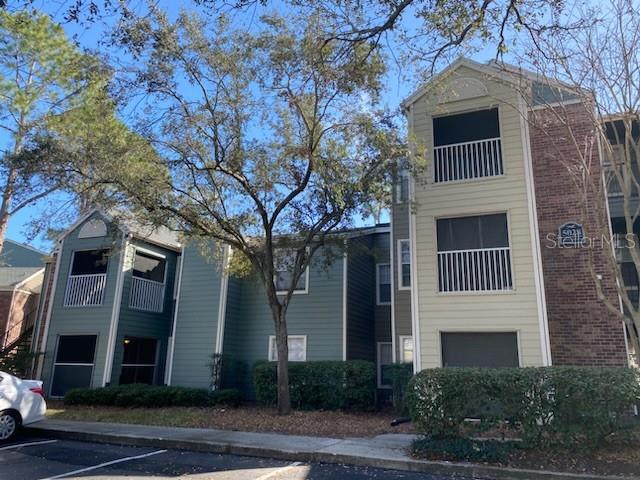
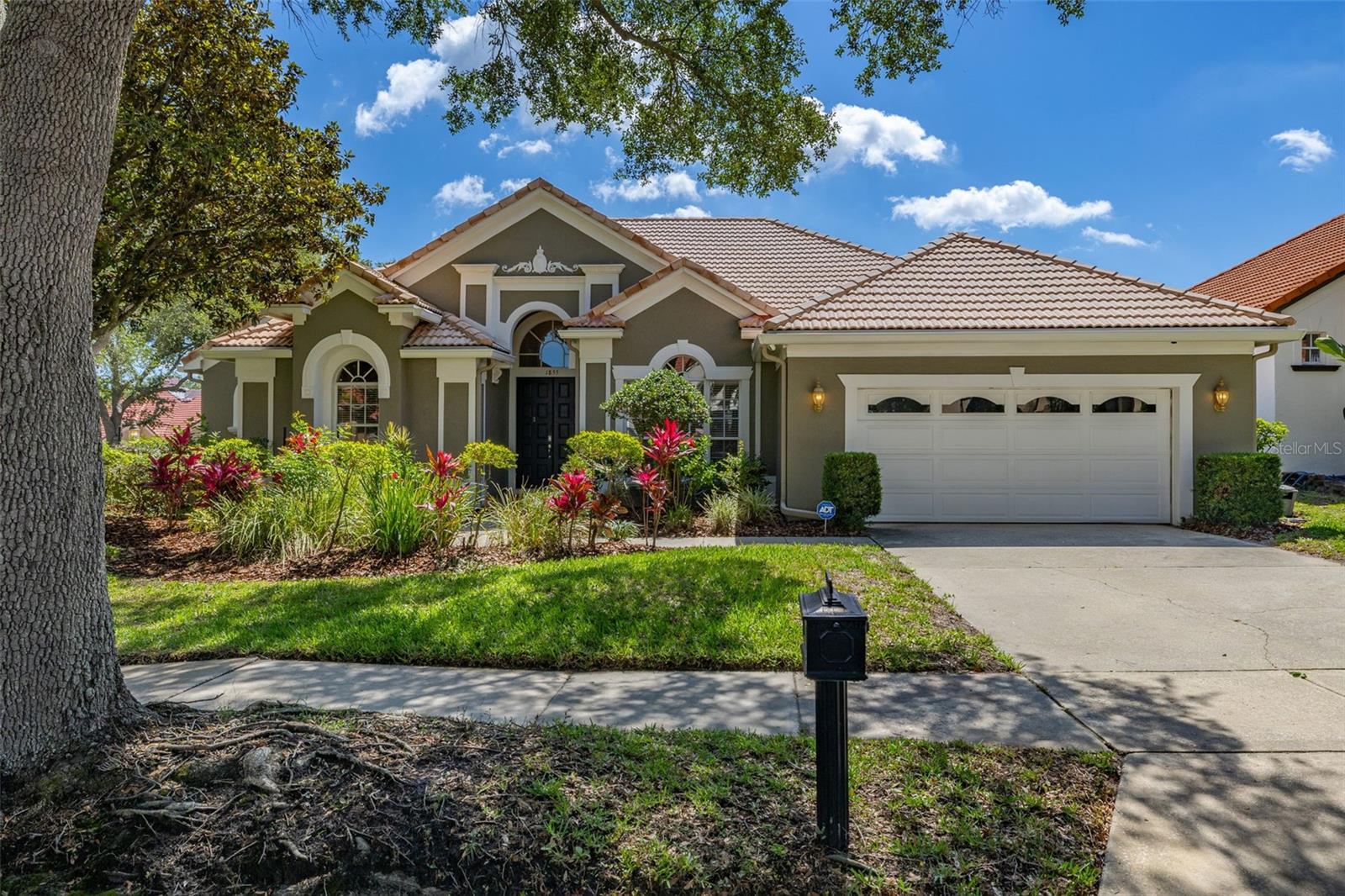
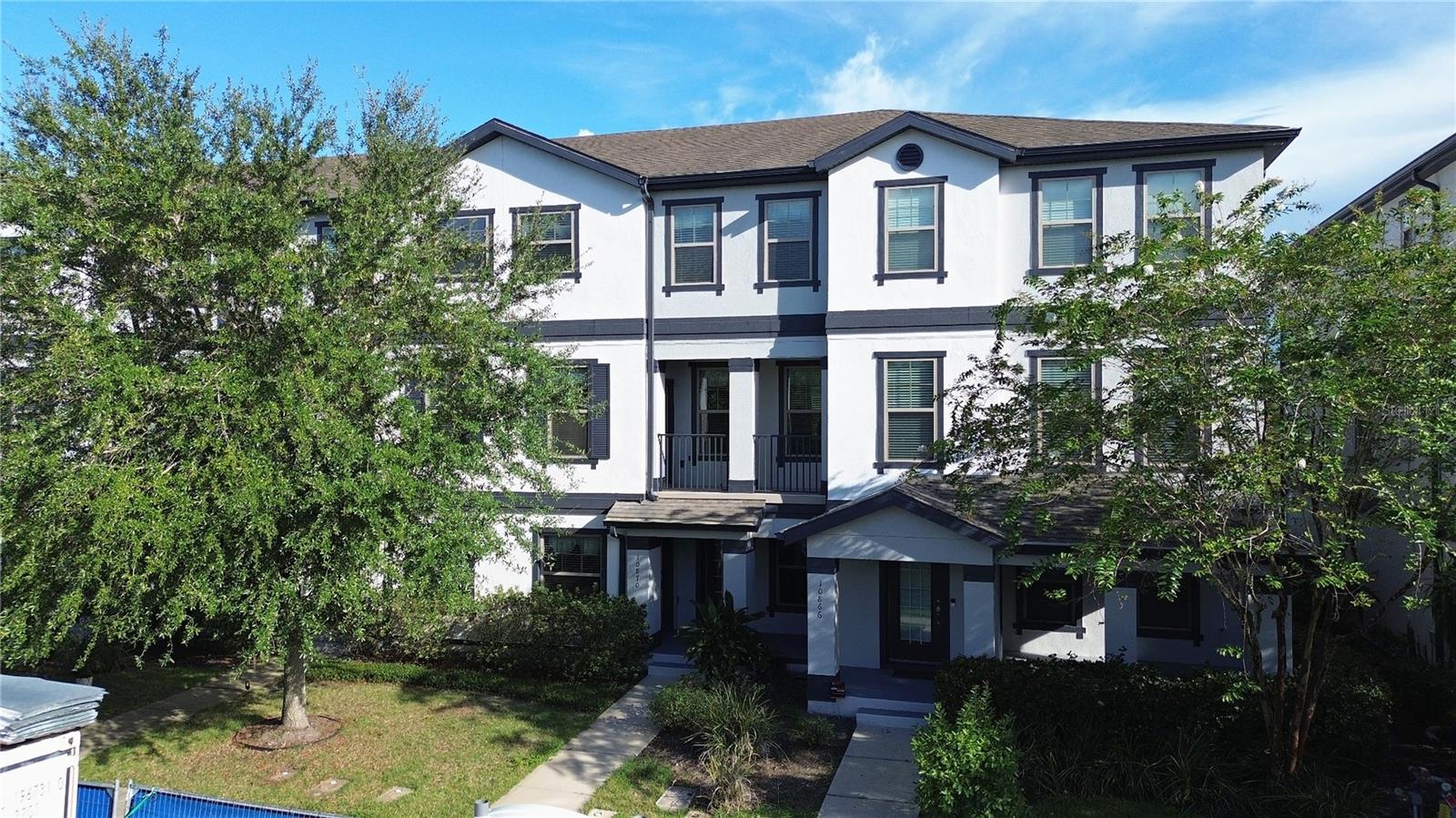
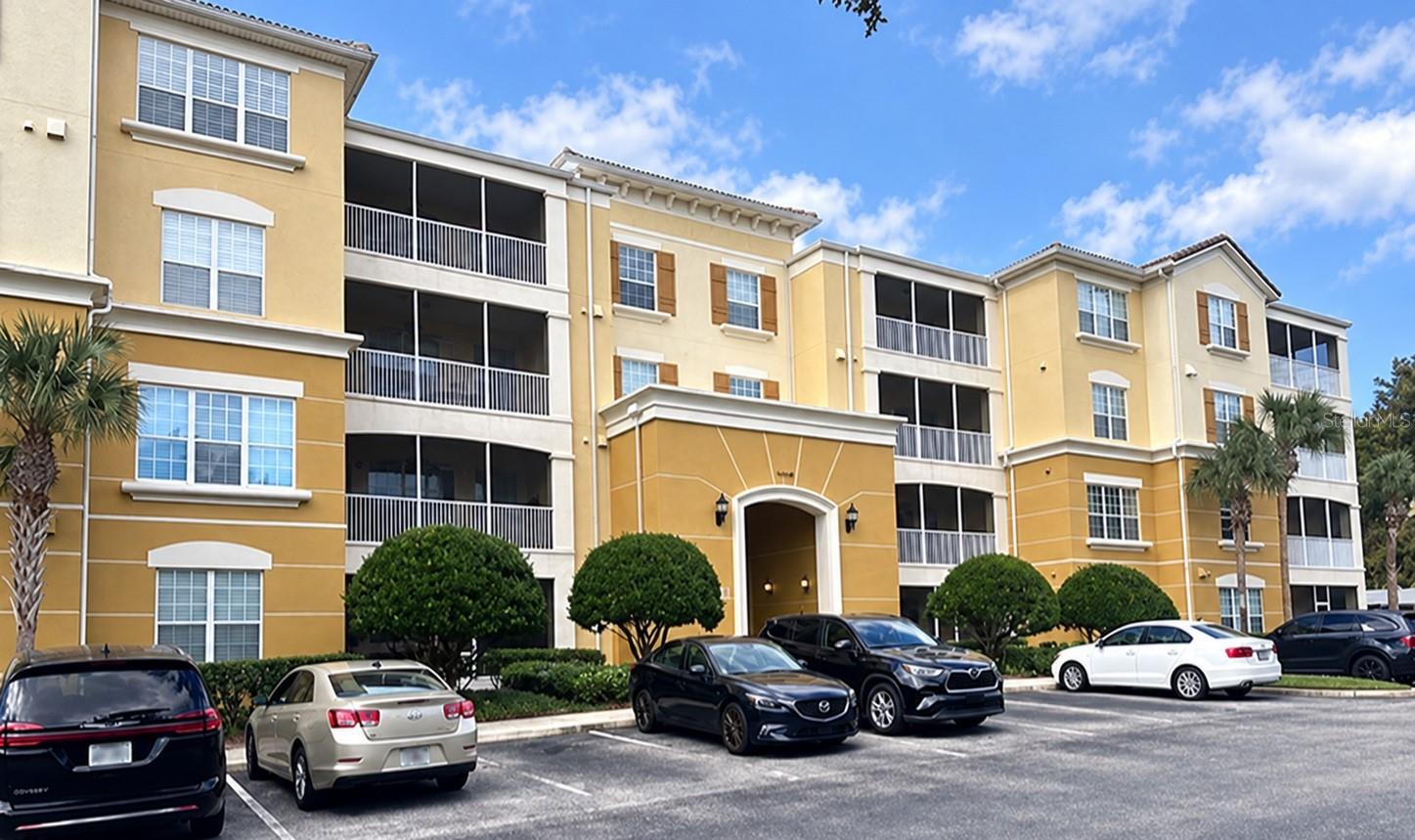
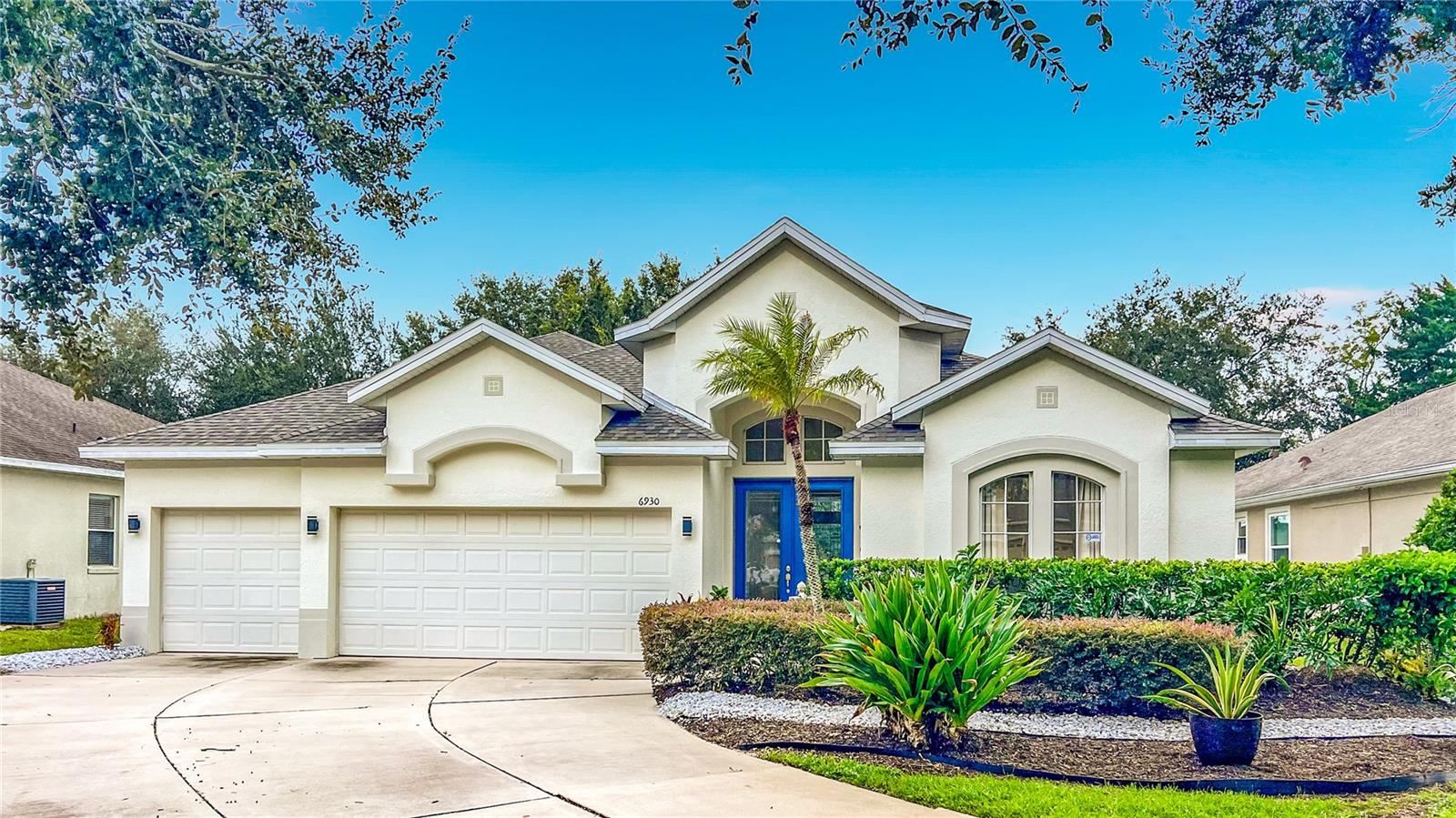
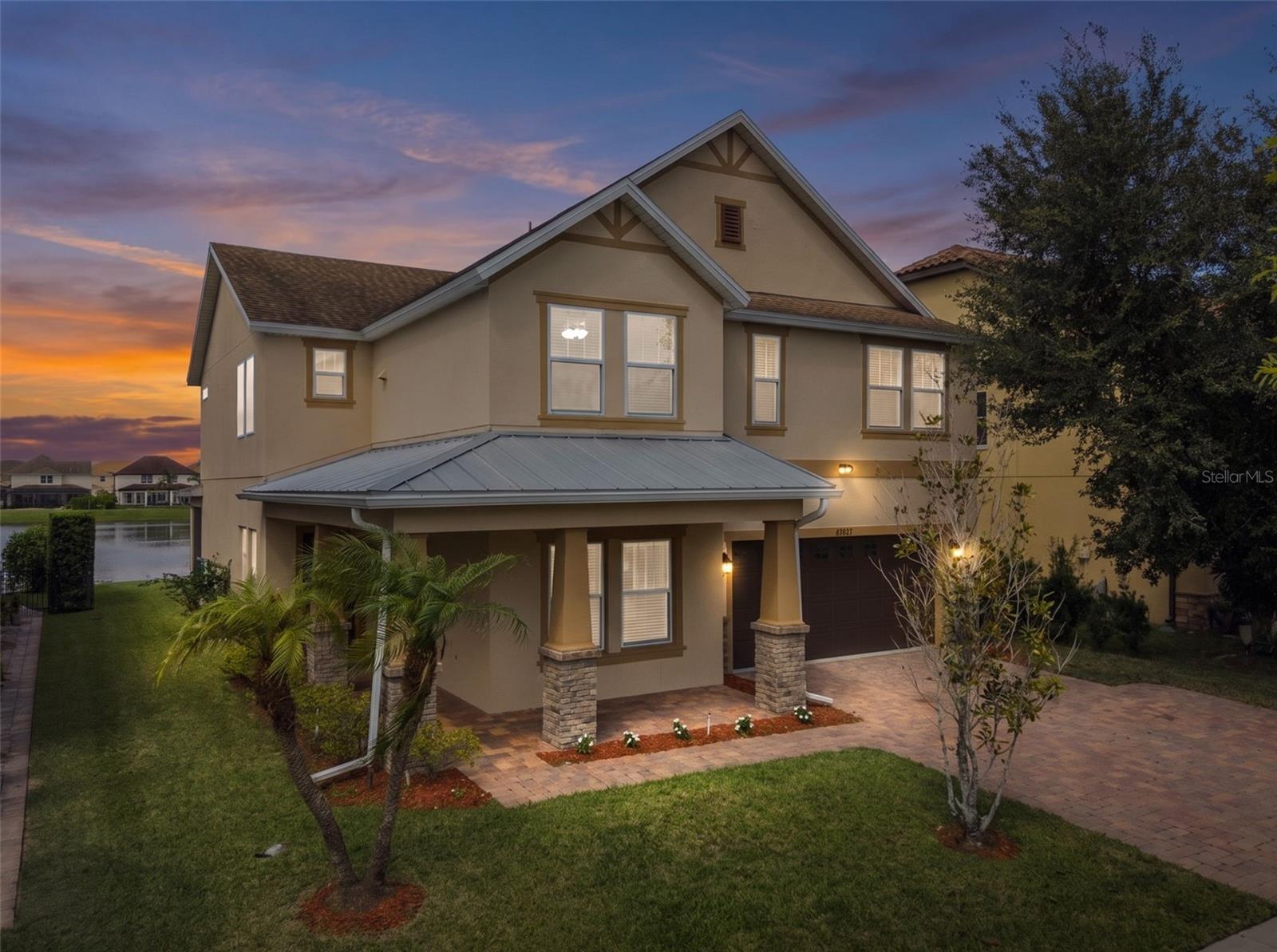
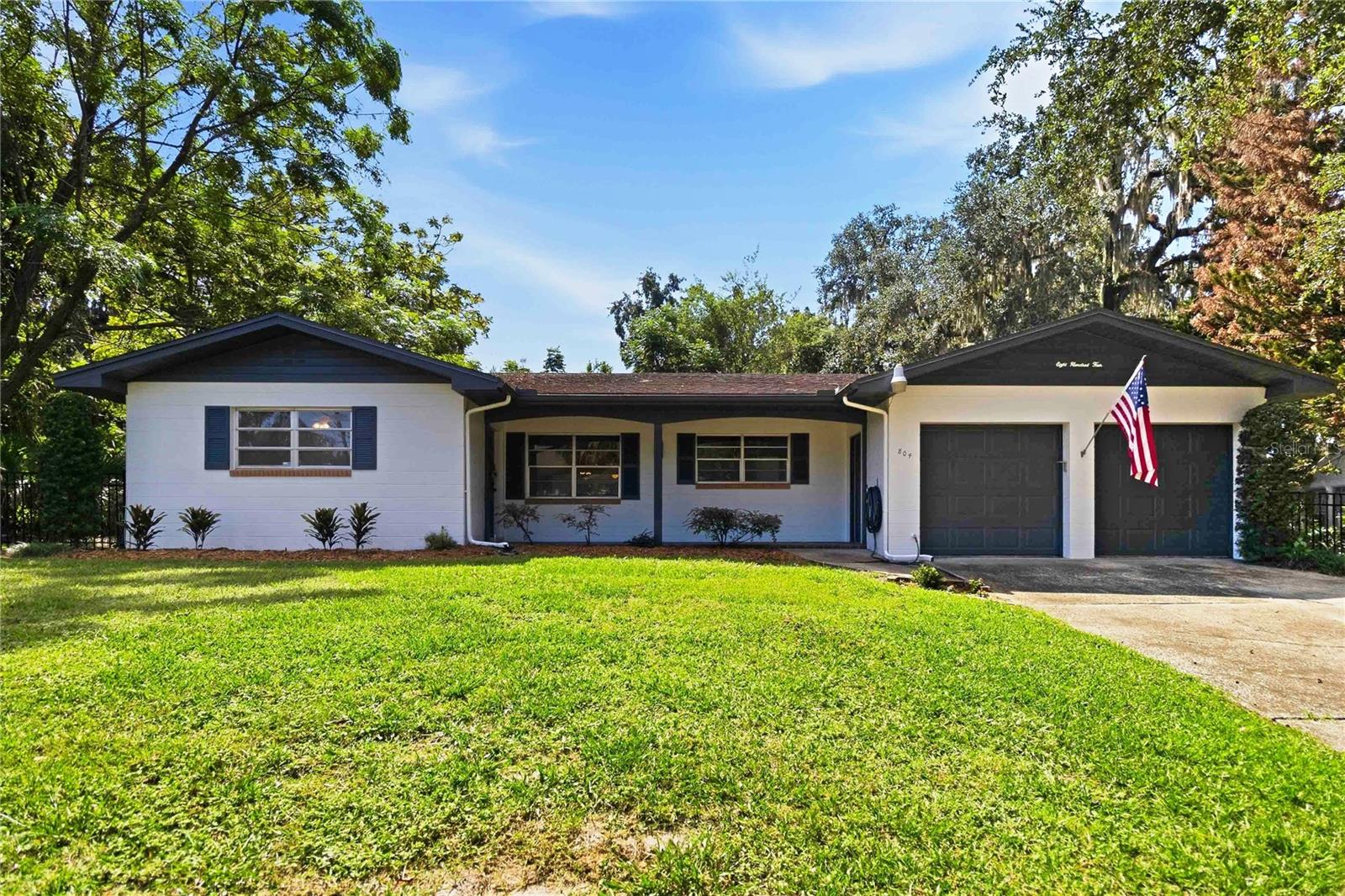
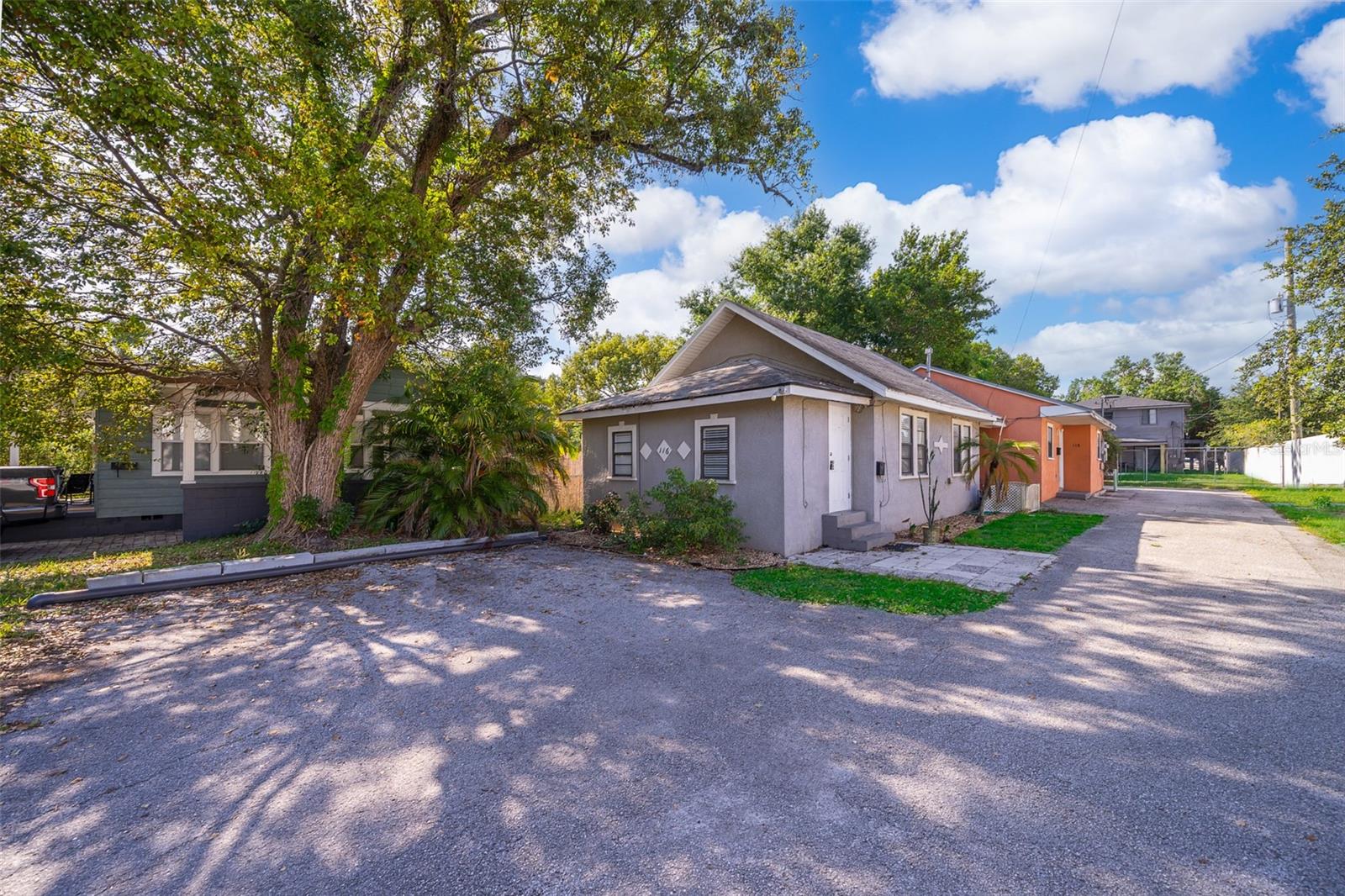
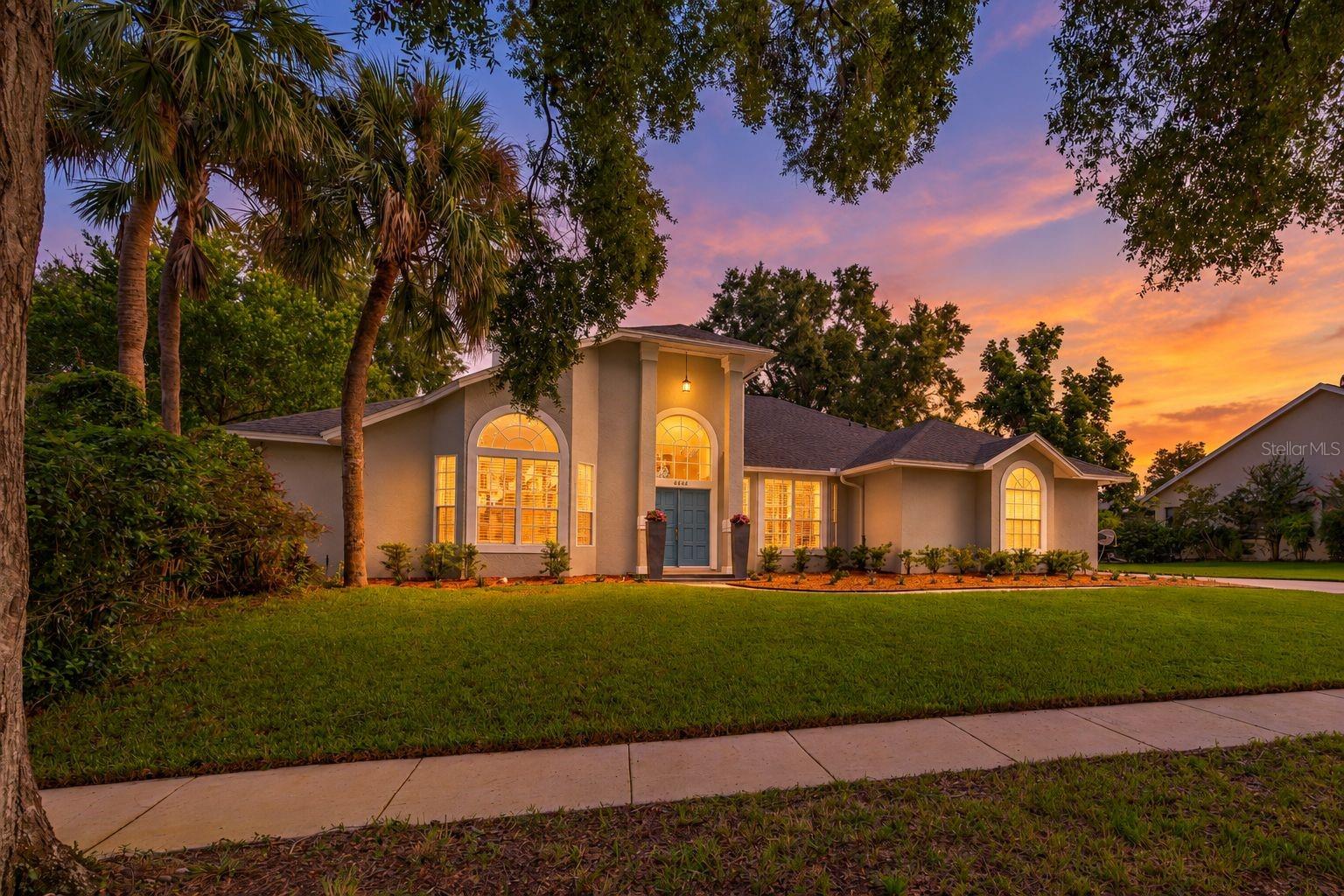
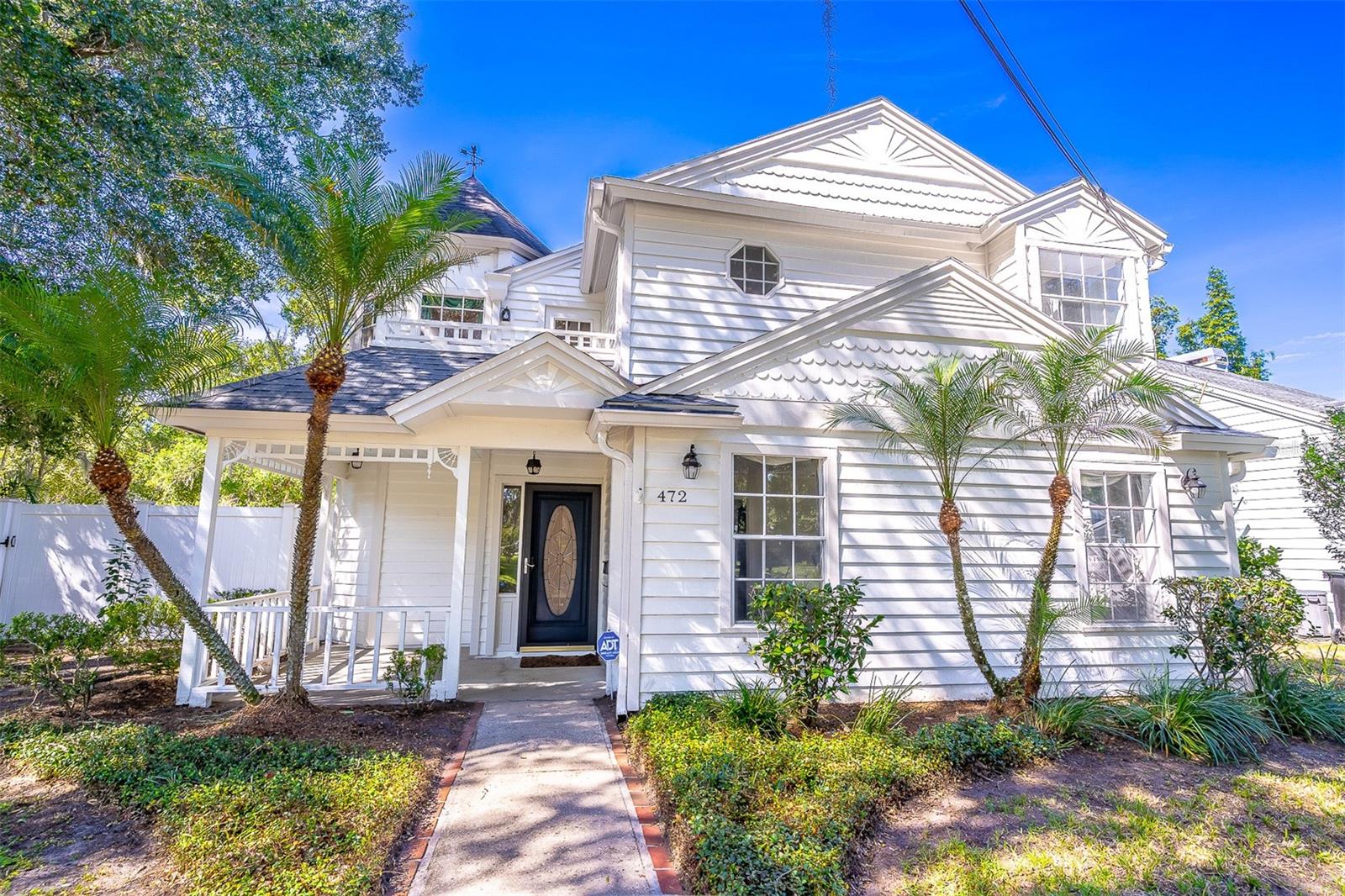
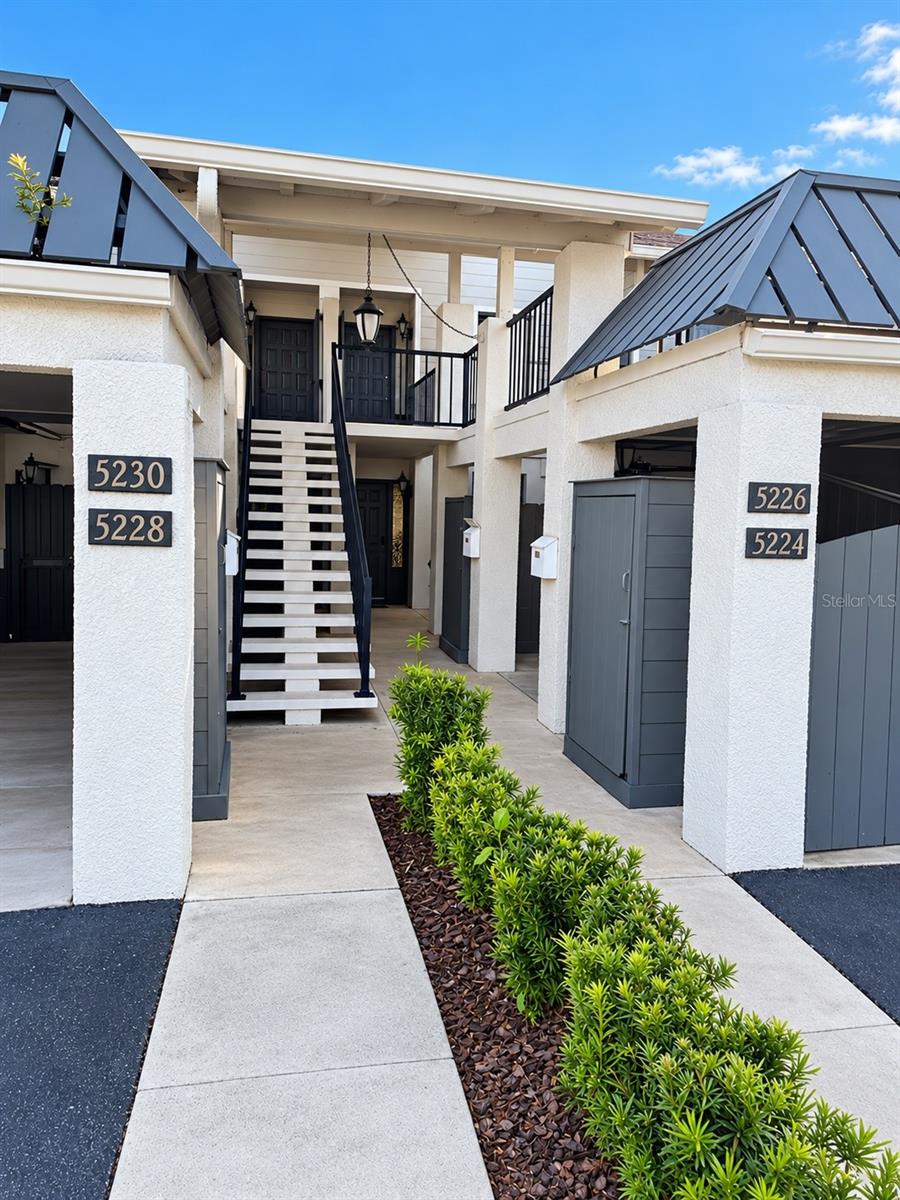
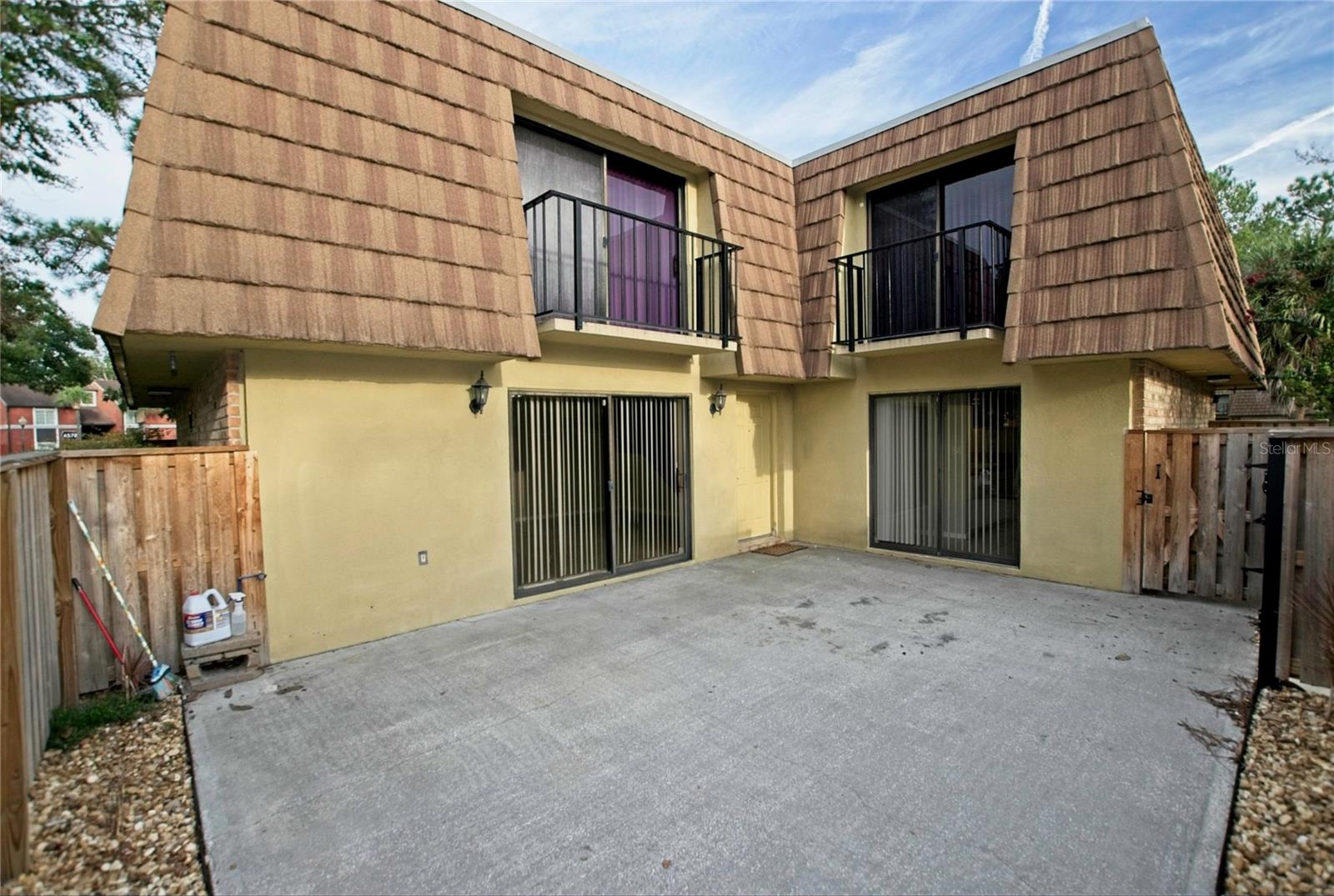
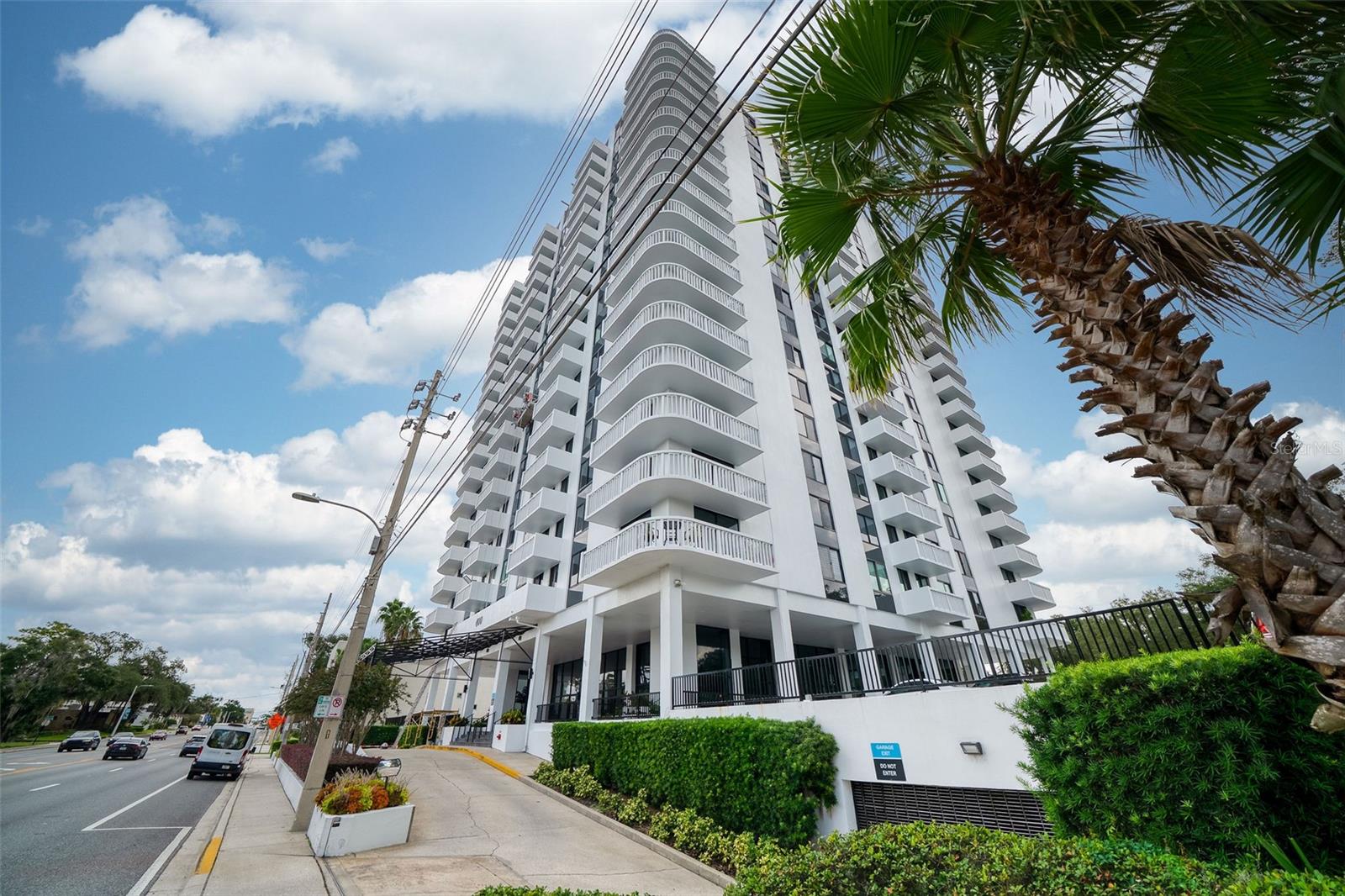
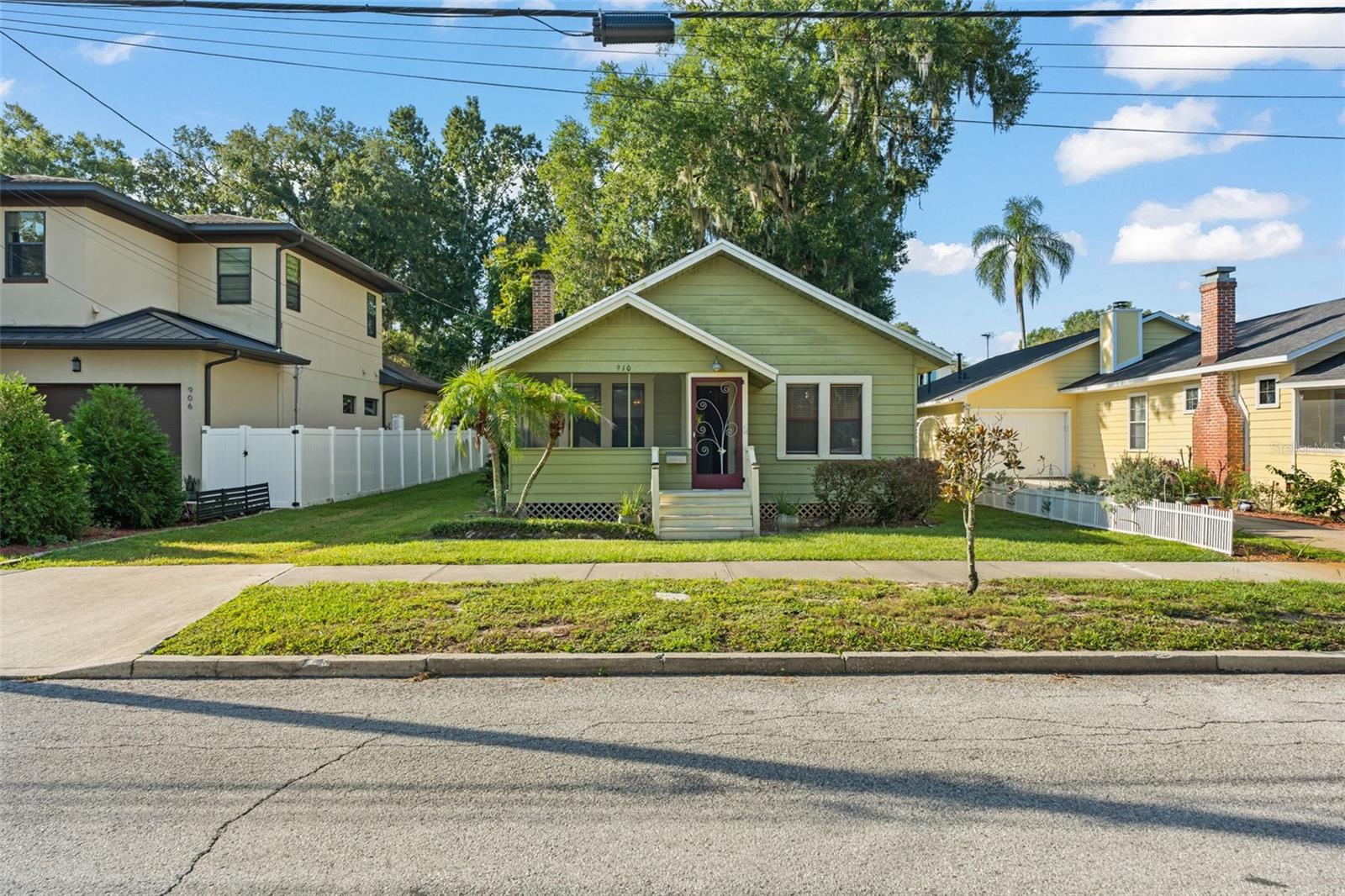
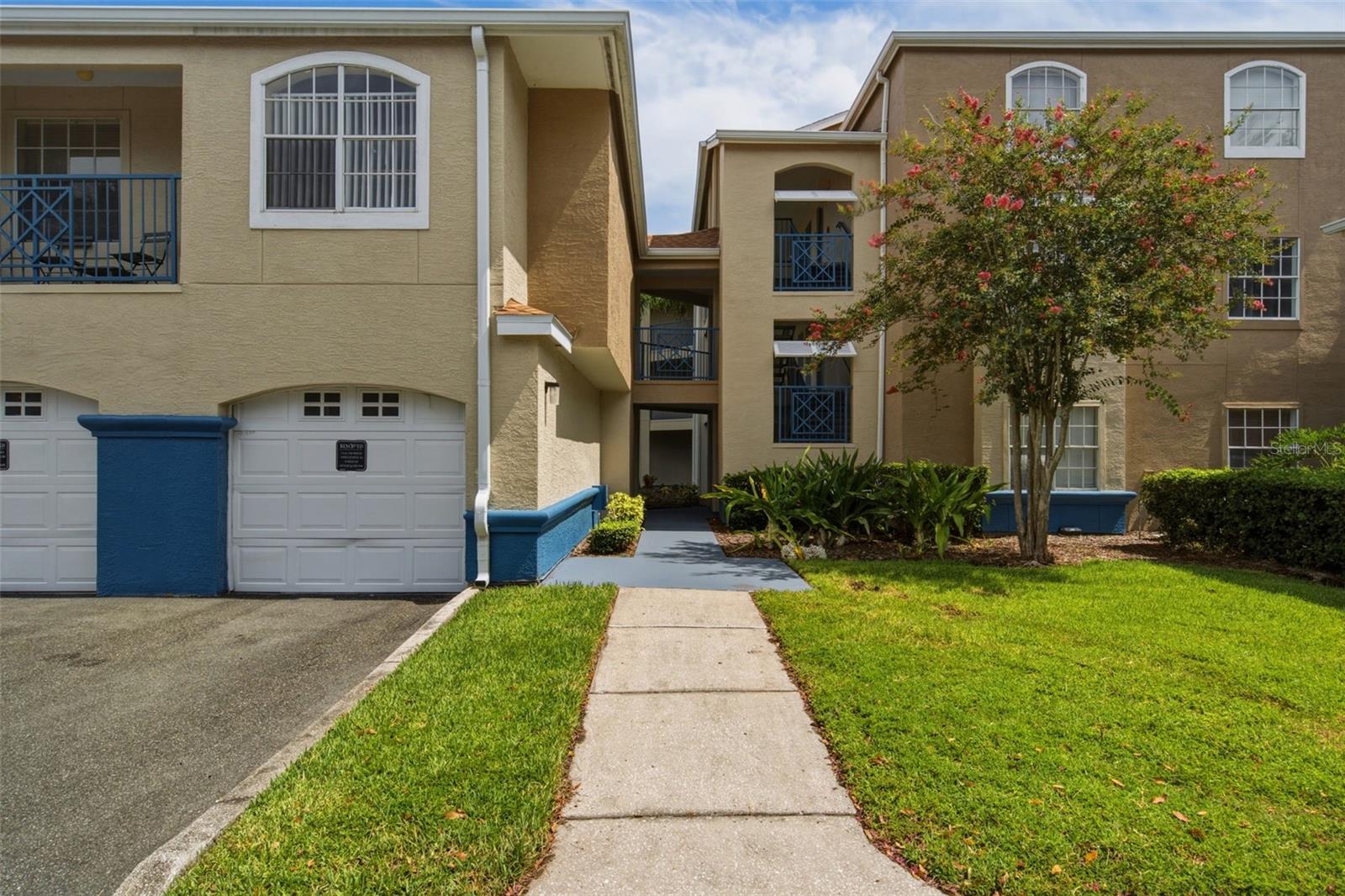
Orlando offers no state income tax, year-round sunshine, and a job market fueled by tourism, healthcare, and tech.
Orlando, FL Housing Market Trends
The Orlando, FL housing market is currently experiencing a period of normalization, shifting away from the rapid escalation seen in recent years toward a more balanced state. Home values have stabilized or adjusted slightly downward, with the overall median sale price hovering around $416,000—down roughly 2% to 4% year-over-year. Sales activity remains steady with around 1,100 closed transactions monthly, while a growing inventory of active listings gives buyers significantly more options than in previous seasons.
The market is considered "somewhat competitive," scoring a 47 out of 100 on standard competitiveness metrics. Homes typically receive around 2 offers on average and spend a median of 42 to 45 days on the market before selling. Bidding wars are increasingly rare, with only 11.5% of homes selling above list price, while the vast majority sell for roughly 3% below the original asking price.
Buyers in Orlando currently enjoy greater negotiating power, leading sellers to align their pricing expectations closer to fair market value right from the start. Beyond initial purchase prices, prospective homeowners in Central Florida must account for rising ongoing carrying costs, particularly elevated homeowners insurance premiums and HOA fees, which are playing a larger role in total affordability calculations.
Contact us today for expert local advice, private tours, and guidance tailored to your goals. Whether you're navigating your first home purchase or upgrading to your ideal Orlando property, we’ll help you move with confidence in one of Florida's most sought-after markets.
Florida's property taxes are reassessed based on the purchase price in the calendar year following a sale, often resulting in a notable increase over the previous owner's tax bill. Florida residents can lower their taxable assessed value by up to $50,000 through the Homestead Exemption on their primary residence. Additionally, the state's "Save Our Homes" cap limits annual tax assessment increases on primary homes to 3% or the Consumer Price Index, whichever is lower.
A large portion of residential communities in the Orlando area are governed by HOAs, which enforce neighborhood design standards and land-use restrictions. These associations dictate rules on leasing permissions, short-term rentals, pet limits, and architectural changes. Beyond monthly or annual dues, prospective buyers must review HOA reserve funds and meeting minutes to avoid surprise "special assessments" for major capital repairs.
Flood insurance is strictly required by mortgage lenders if a property sits within a high-risk FEMA flood zone. Because Orlando experiences intense summer downpours and tropical storm systems, localized surface flooding can happen even outside designated high-risk zones. Many real estate advisors suggest carrying a basic flood policy even for moderate-risk areas, as standard homeowners policies explicitly exclude water damage caused by rising outdoor water.
A standard home inspection covers structural elements and systems, but local climate conditions make specialized secondary inspections essential. Buyers routinely add a Four-Point inspection—covering the roof, electrical panel, plumbing, and HVAC systems—to satisfy Florida homeowners insurance requirements. Termite inspections (WDO) and wind mitigation reports are also standard, as wind mitigation can significantly lower annual insurance premiums.
Short-term rental regulations vary widely depending on municipal zoning, county regulations, and specific HOA covenants. Unincorporated Osceola and Polk counties (near major theme parks) generally permit short-term vacation rentals, whereas the City of Orlando enforces strict zoning restrictions that usually require a primary resident to stay on-site during hostings. Buyers seeking investment properties must verify both local city/county codes and local community bylaws prior to submitting an offer.
In addition to the down payment, buyers should budget roughly 2% to 5% of the total purchase price for closing costs. Typical buyer-paid closing expenses include mortgage origination fees, appraisal charges, home inspection costs, title search fees, and lender insurance. Buyers also pre-pay an initial escrow cushion for upcoming real estate taxes and the first year of homeowners insurance.
Whether you're relocating, buying a second home, or looking for an investment property, having someone who knows the Orlando market makes the difference. Reach out with your questions about neighborhoods, pricing, or timing — The Wilson Team is happy to help you figure out your next step.
Orlando is less one city than a collection of distinct communities, each with its own character, price point, and reason people choose it — from the lakefront streets of Winter Park to the master-planned medical corridor of Lake Nona. Our Orlando neighborhood guide breaks down what it's actually like to live in each one, so you can narrow your search before you ever set foot in a showing. Start browsing below.