100,501 people live in Carmel, where the median age is 40.5 and the average individual income is $71,546. Data provided by the U.S. Census Bureau.
Total Population
Median Age
Population Density Population Density This is the number of people per square mile in a neighborhood.
Average individual Income
Carmel isn't just another suburb on the northern edge of Indianapolis—it's a city that has spent the last two decades deliberately engineering itself into one of the most desirable places to live in the Midwest. If you're considering a move here, what follows is everything you need to understand the market, the lifestyle, and how to buy smart in a place where good homes don't sit around waiting.
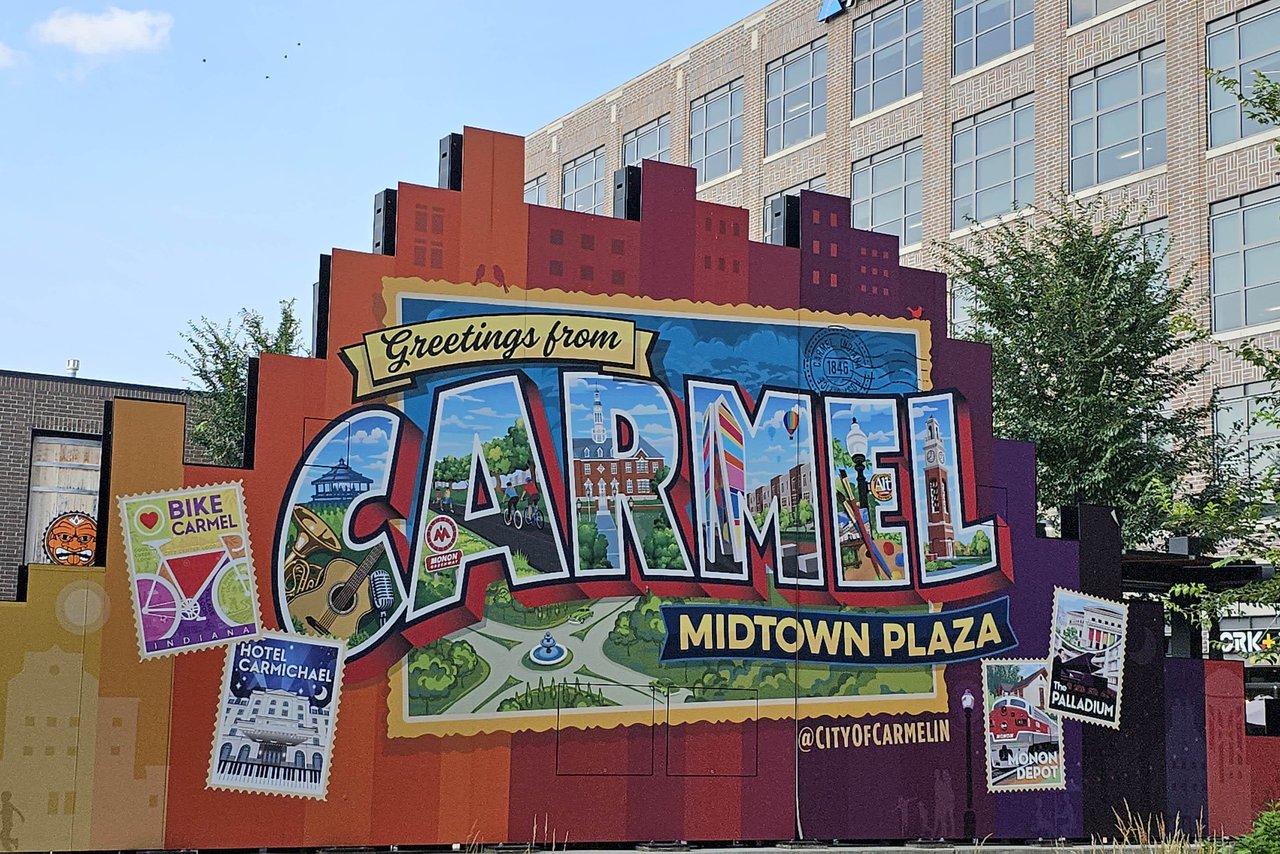
Carmel sits directly north of Indianapolis in Hamilton County, and it has earned its reputation as central Indiana's premier master-planned community. What makes it distinct is the way it balances two things that usually don't coexist: the calm, safety, and space of suburban living, and the walkable, culturally rich energy of a small city. The city is organized around several anchored districts—the Arts & Design District, Midtown Plaza, and the upscale Carmel City Center—all stitched together by the Monon Trail, a paved corridor that functions as the spine of daily life here.
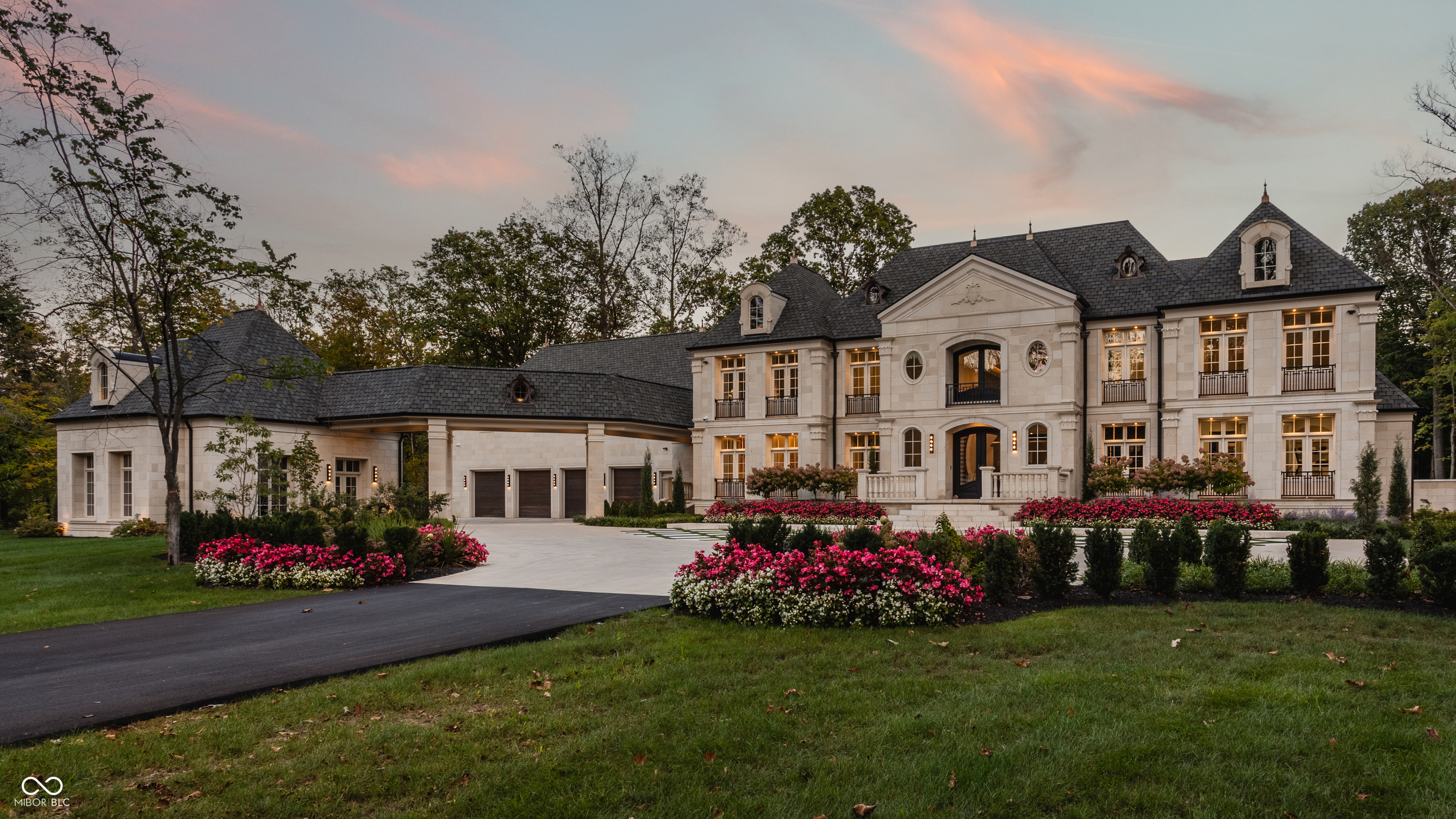
The people who land in Carmel tend to fall into a few recognizable groups. Families come for the Carmel Clay Schools and the deep network of parks. Professionals relocating from out of state are drawn by the safety, the corporate corridor along U.S. 31, and the simple fact that their money buys far more square footage here than it would on either coast. And empty nesters and luxury buyers gravitate toward the low-maintenance townhomes near downtown or the custom estates in communities like the Village of WestClay and the Bridgewater Club. It's a city that genuinely serves the full arc of a buyer's life, which is part of why people who move here often stay.
Carmel has remained one of the most competitive and resilient housing markets in the Midwest, and it consistently behaves like a seller's market. The inventory spans a wide range—from mid-tier suburban single-family homes to multi-million-dollar estates—and that breadth is part of what keeps the market healthy across economic cycles.
On pricing, the median list price generally lands between $550,000 and $650,000, with the exact figure shifting depending on how much luxury inventory is active in a given month. Home values have followed a steady upward path, posting year-over-year growth in the range of 4% to 5%. That's the kind of appreciation that signals a healthy, durable market rather than a speculative bubble.
The defining feature of the Carmel market, though, is how tight inventory stays. Here's what that looks like in practical terms:
Market Metric | Typical Performance |
|---|---|
Months of Supply | Under one month |
Sale-to-List Ratio | ~98.5% to 99.5% |
Median Days on Market | 7 to 25 days |
Looking ahead, the smart expectation is continued stable, normalized growth rather than dramatic swings. Demand here is structurally supported—fueled by the school district and a steady stream of corporate relocations—which insulates home values against major downturns. Well-priced single-family homes in established school zones will keep triggering fast, competitive offers. The one shift worth noting is that buyers have grown slightly more selective about property condition and accurate initial pricing, so sellers can no longer coast on the market alone.
Because Carmel is largely built out, new construction here looks different than it does in surrounding towns. The era of sprawling new subdivisions has given way to something more deliberate: strategic, high-end builds shaped by strict zoning and the city's serious commitment to architectural quality and walkability.
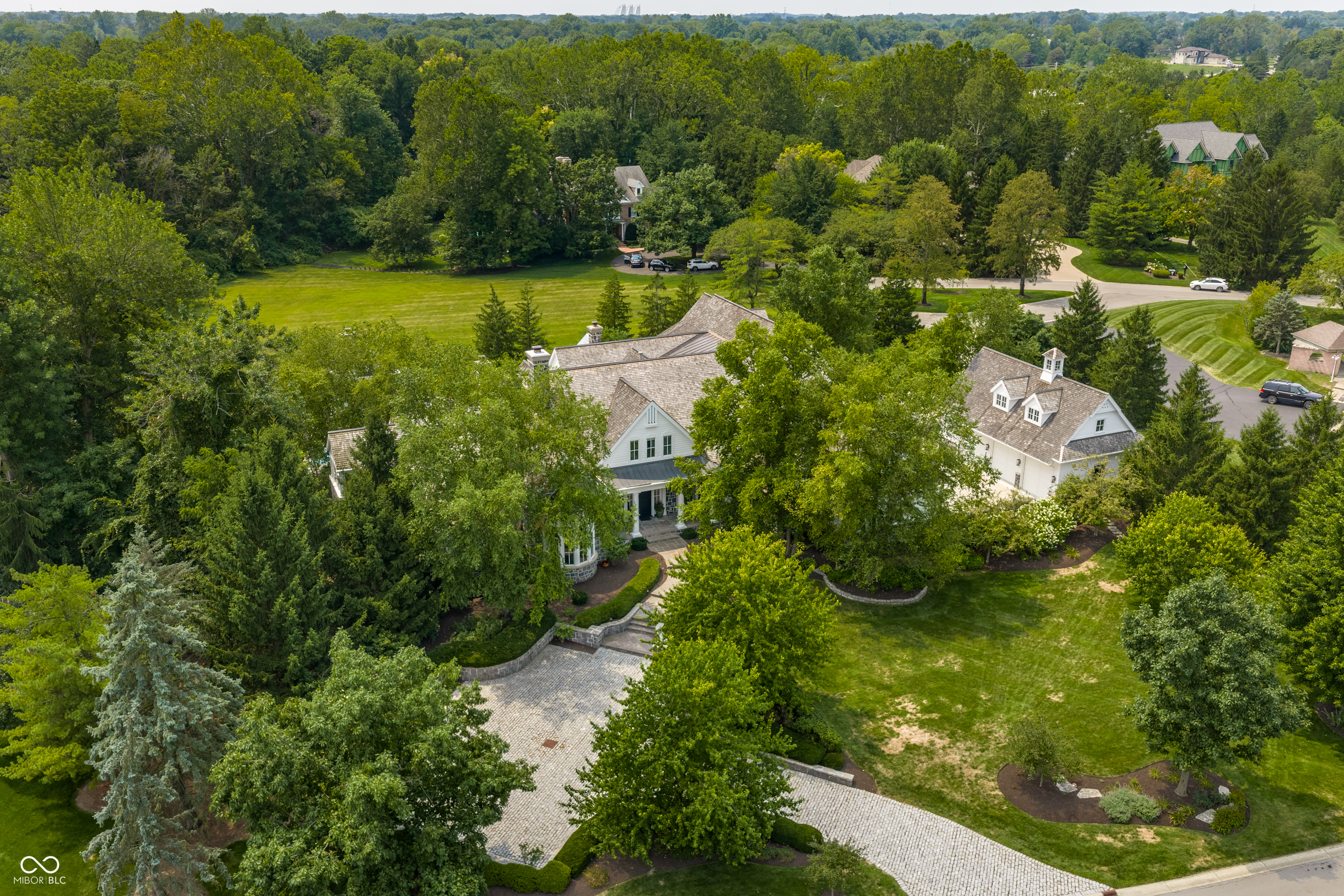
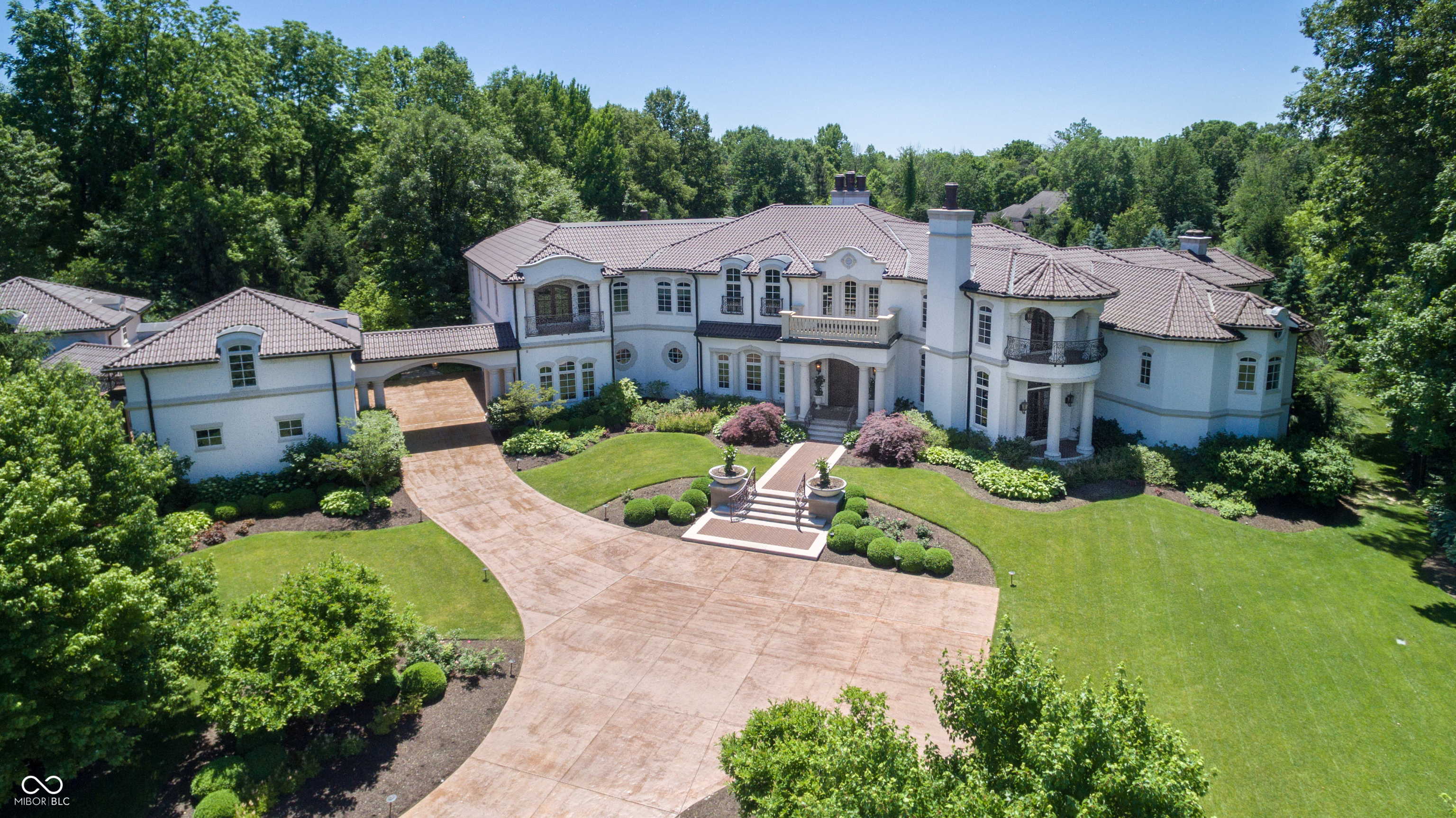
You'll generally encounter three flavors of new construction. The first is luxury infill and custom builds—homes replacing older structures in established neighborhoods, particularly near the Arts & Design District, often exceeding $1 million with genuinely bespoke craftsmanship. The second is low-maintenance luxury townhomes and brownstones, built to maximize proximity to the Monon Trail and downtown, frequently featuring multi-car garages and private rooftop terraces. The third is traditional master-planned neighborhoods, which still exist in pockets on the western and northern edges of the city, though they carry a premium compared to neighboring Westfield or Noblesville.
As for who's building, the landscape splits between national and local names. Toll Brothers and Taylor Morrison are active in the premium neighborhood and townhome space, building for move-up buyers and empty nesters. On the custom and regional side, names like Wedgewood Building Company, Old Town Design Group, and Gradison Design Build dominate the luxury infill and pocket-neighborhood markets—especially work that leans into the timeless, historically-minded architecture Carmel is known for. Knowing which builder fits your goals matters here, and it's one of the areas where local guidance saves real money and frustration.
Buying here rewards preparation and speed. With inventory consistently hovering at or below a one-month supply, turn-key single-family homes that are priced well frequently go under contract within 7 to 18 days. While the broader market settles around 98% to 99% of list price, the premier properties—those in high-demand school zones or steps from the Monon—routinely draw multiple offers and sell at or above asking.
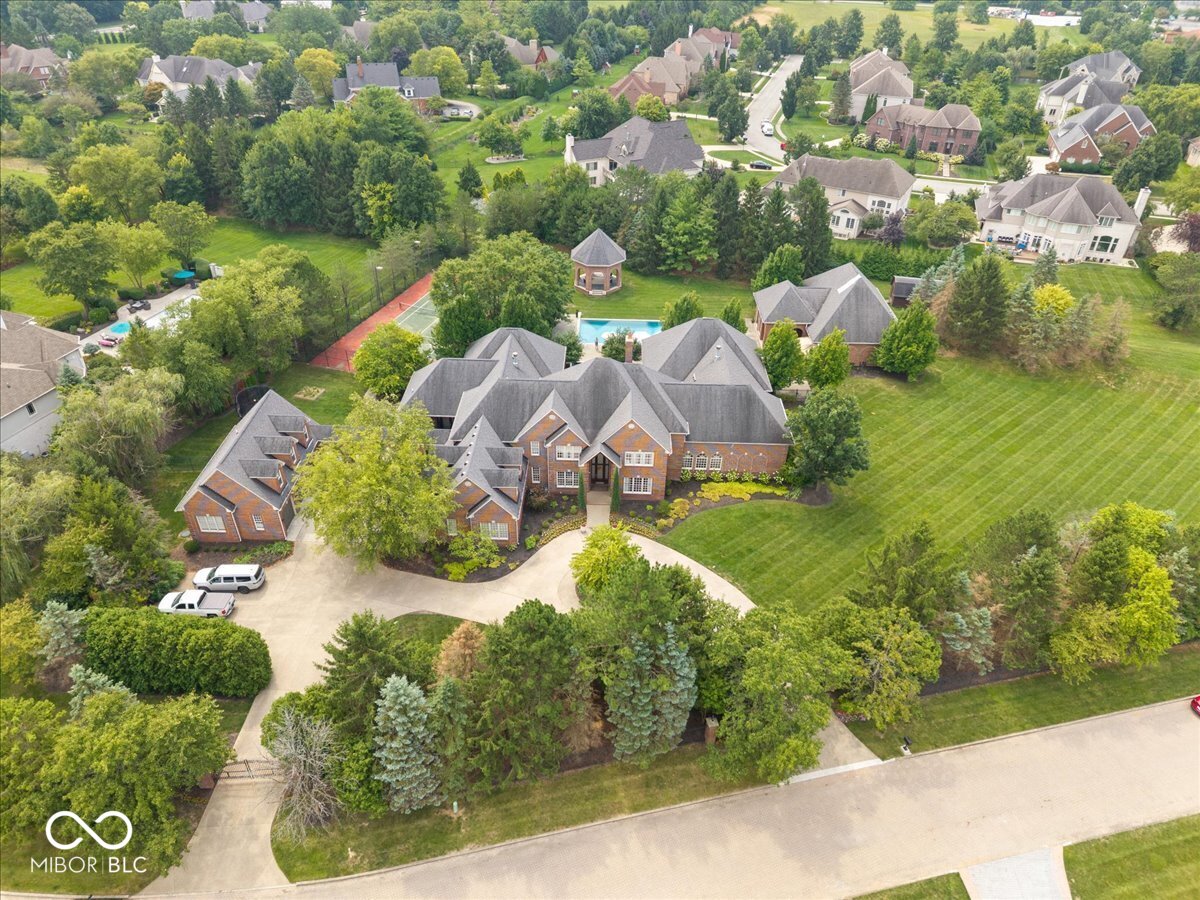
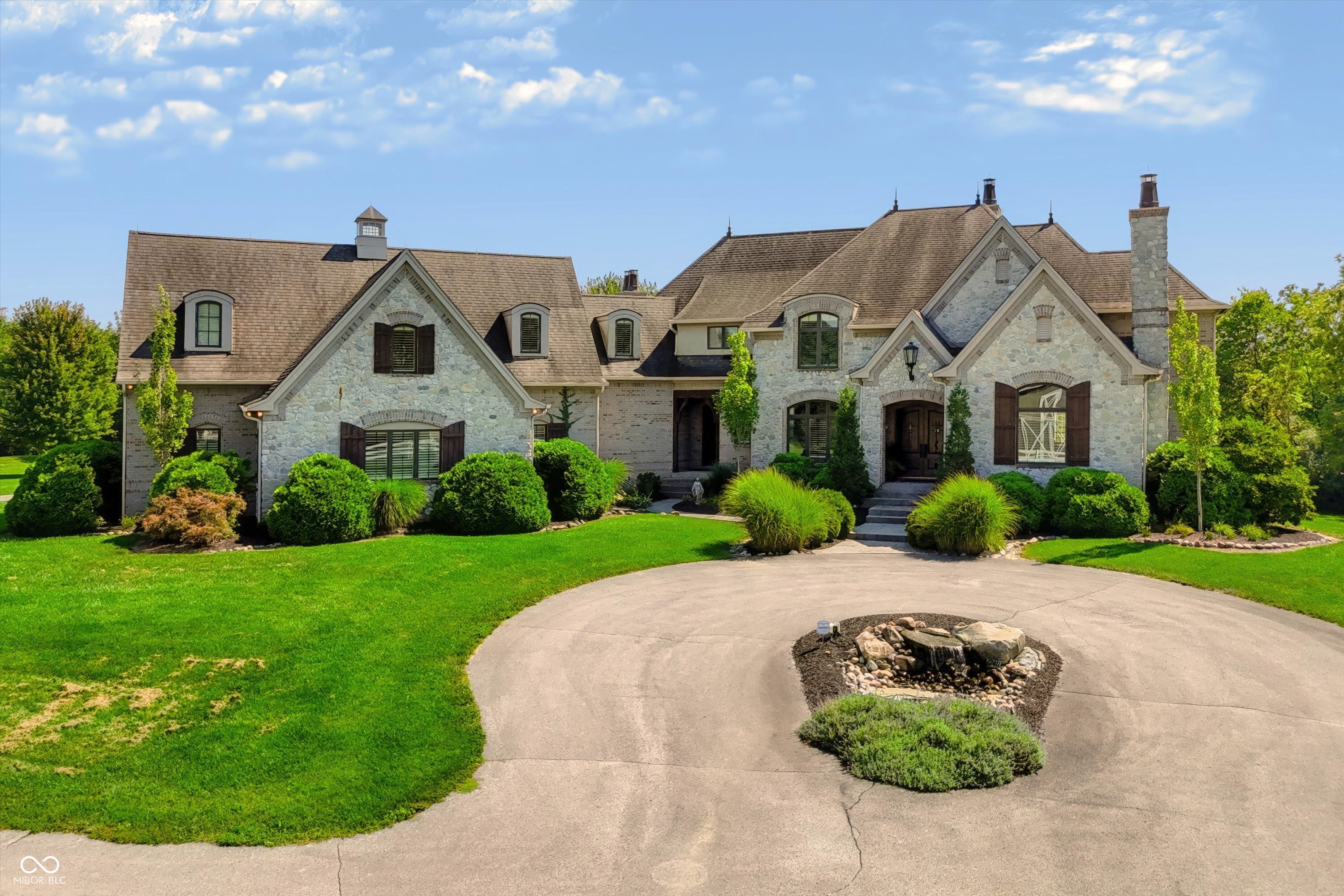
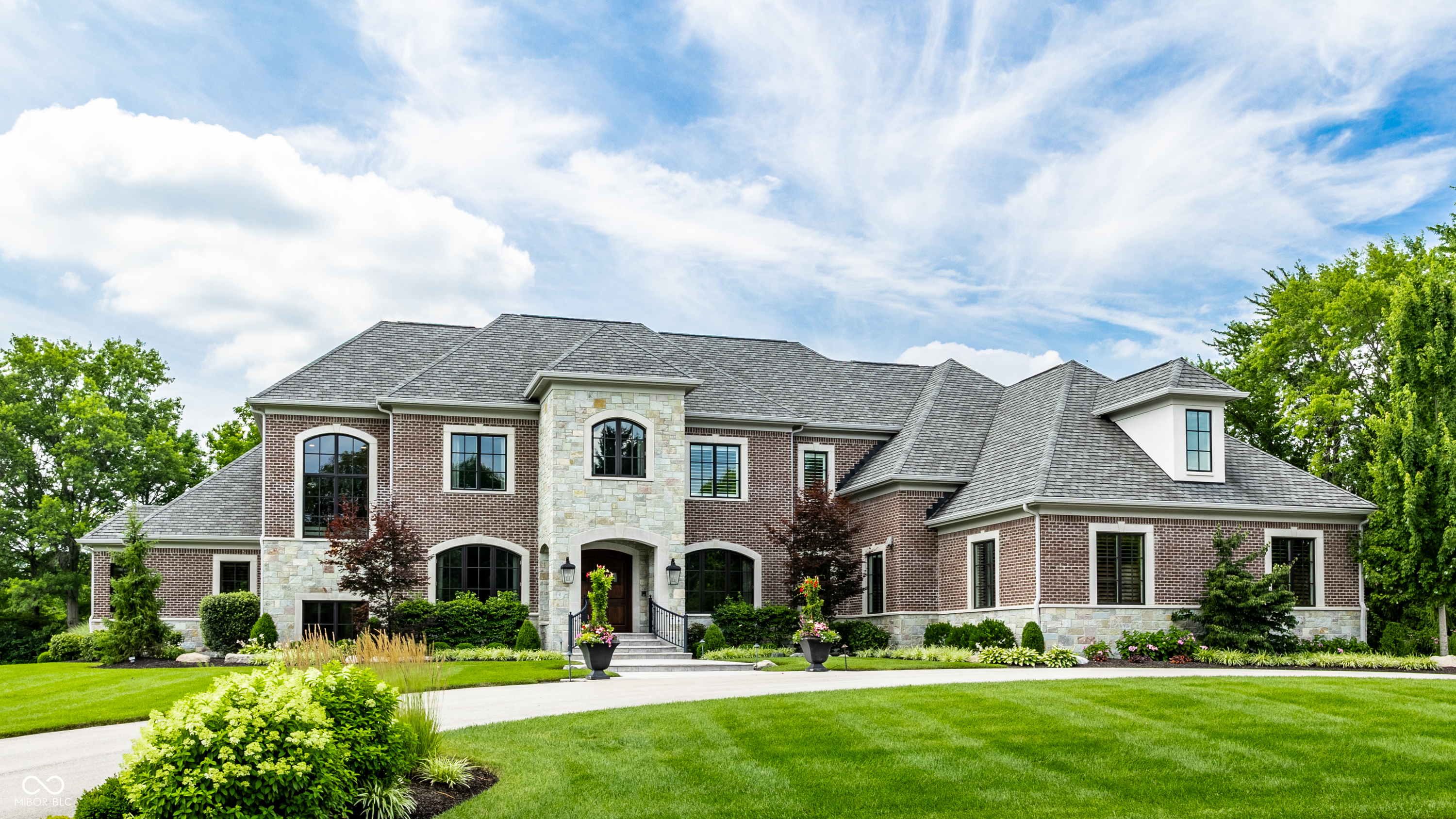
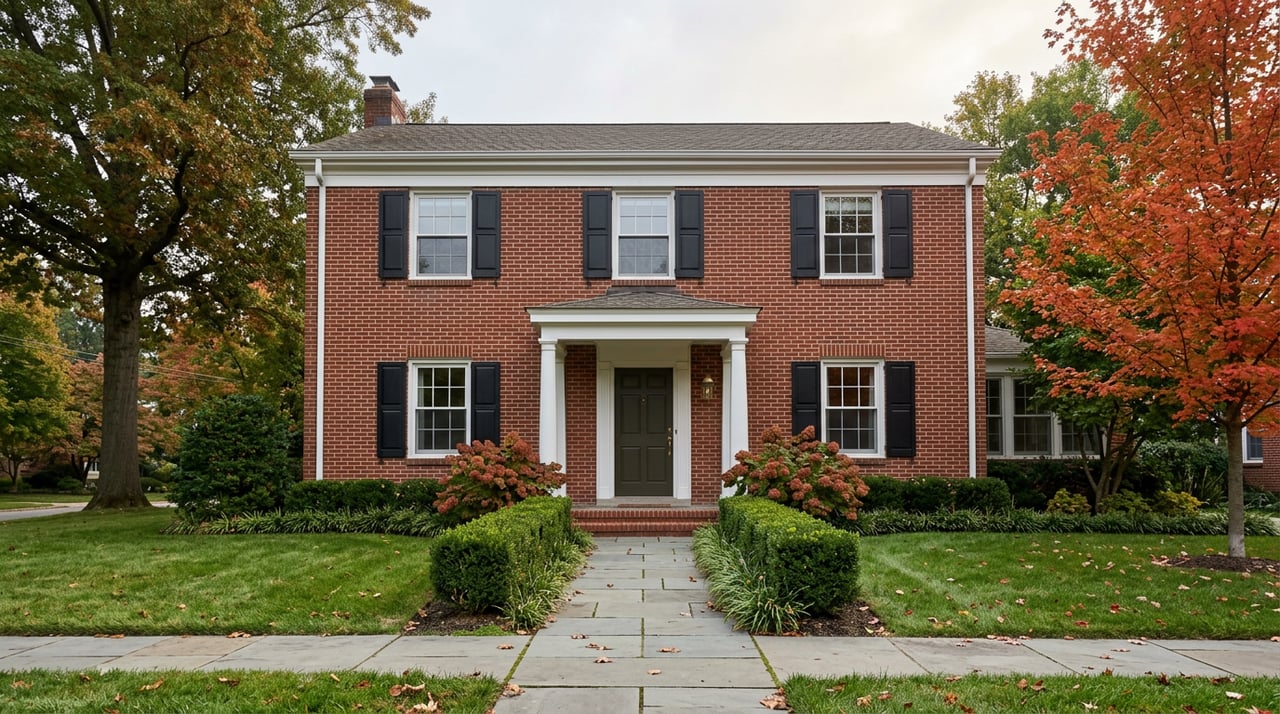
The homes themselves tend to fall into a few categories. Traditional two-story subdivisions dominate the landscape: brick-front, four-to-five-bedroom homes with finished basements (a Central Indiana staple) and established landscaping. Urban townhomes and condos cluster around the downtown districts, offering zero-lot-line convenience for professionals and retirees. And custom estates occupy the golf course communities and wooded acreage on the city's periphery.
On the strategy side, a few things consistently separate winning offers from losing ones:
The thread running through all of this: minor contingencies can quietly weaken an otherwise strong offer, but you rarely need to strip away every protection if you're positioned correctly from the start.
Buying in Carmel isn't quite like navigating the rest of the Indianapolis metro. The market moves quickly, the buyer pool is highly qualified, and a handful of local nuances drive value in ways that aren't obvious from the outside. Here's what I've learned matters most.
Factor in the "Monon Premium." Proximity to the Monon Trail is one of the single biggest drivers of value in the city. Homes within comfortable walking or biking distance command a real premium and hold their value exceptionally well. If you're prioritizing square footage or a bigger yard for your budget, look toward the western edge near WestClay or the far northeast pockets, further from the trail corridor.
Understand the "Carmel Basement." In much of the country, a finished basement is a luxury. In Carmel, it's practically standard equipment for a single-family home—sellers know it, and appraisers expect it. A home built on a slab or crawlspace should be priced accordingly. And if you're thinking about eventual resale, buying a home without a basement may shrink your future buyer pool.
Plan around the roundabouts. Carmel has replaced nearly all of its traditional stoplights with over 140 roundabouts—more than any city in the country. Traffic flows fast as a result, which is great day to day, but it's worth paying attention to neighborhood entry and exit points when you tour, especially if you'll be commuting the U.S. 31 corridor or driving anything large.
Get access to pocket listings. This is the one that catches out-of-town buyers most. Because Carmel is affluent and tight-knit, a meaningful share of high-end homes sell quietly through broker networks before they ever hit the MLS. The only reliable way to see that inventory is to work with a hyper-local agent who actively networks within Hamilton County and can put "coming soon" and off-market homes in front of you first.
If you're moving from out of town, the good news is that Carmel is unusually easy to get your bearings in. The city is laid out on a logical grid, bounded by 96th Street to the south (the Indianapolis border) and 146th Street to the north (the Westfield border).
The commute picture is one of the area's quiet advantages. Downtown Indianapolis is a straightforward 25-to-35-minute drive via I-465 or Meridian Street (U.S. 31). But many residents don't commute to Indy at all—the U.S. 31 corridor running through Carmel is itself a major economic hub, home to the second-largest concentration of office workers in Indiana, with major employers in healthcare, finance, and tech.
To figure out where you actually want to plant yourself, it helps to understand the personality of each district:
District | Atmosphere & Vibe |
|---|---|
Arts & Design District | Historic charm, local boutiques, galleries, and dining |
City Center | Upscale, European-style plaza; home to the Palladium |
Midtown | Industrial-chic; green spaces, outdoor games, breweries |
WestClay | Master-planned neo-traditional village with its own shops |
A few things round out the picture for newcomers. If you have school-aged children, you'll be part of Carmel Clay Schools, anchored by a single, massive, state-of-the-art high school. Culturally, the city punches well above its weight—the Center for the Performing Arts and its 1,600-seat Palladium concert hall bring in international symphony, jazz, and pop acts. And the Monon Community Center, with its summer waterpark, serves as a genuine social hub for families once the weather turns warm.
Don't let the suburban label fool you—Carmel has spent years rebuilding itself into one of the most pedestrian- and bike-friendly cities in the region. The centerpiece is the Monon Greenway, the paved rail-trail running straight through the heart of the city. It connects neighborhoods directly to Midtown Plaza, the Arts & Design District, and Carmel City Center, and in those central zones the Walk Score climbs past 80—high enough that residents can genuinely park the car for the weekend and walk to dinner, coffee, and the farmers market. The city has earned recognition as a certified Bicycle Friendly Community, with more than 220 miles of paths and trails overall.
On the commute side, the roundabouts do real work. By eliminating stoplights, the city's 140-plus roundabouts have meaningfully reduced gridlock and idle time, keeping local traffic moving even at rush hour. Many residents work within Carmel itself along the U.S. 31 Corporate Corridor, and for those heading downtown, the drive runs 25 to 35 minutes. The one honest caveat: public transit is essentially nonexistent. Like most of Central Indiana, Carmel runs on personal vehicles, rideshares, and bikes—so plan accordingly if a car-free lifestyle is a priority.
For a lot of families, the school system is the single biggest reason they choose Carmel—and it earns that status. The entire city is served by Carmel Clay Schools, a district consistently ranked the #1 or #2 best public school district in Indiana by platforms like Niche, known for immaculate facilities, strong funding, and an enormous range of extracurriculars.
The structure is worth understanding because it shapes both daily life and home values:
School Level | Profile |
|---|---|
11 Elementary Schools | Neighborhood-centric, focused on early STEM and literacy |
3 Middle Schools | Carmel, Clay, and Creekside—all highly rated |
1 High School | Carmel High School (CHS) |
That single high school is a phenomenon in its own right. With enrollment hovering around 5,000 students, Carmel High School functions almost like a small university—planetariums, advanced science labs, a television studio. The graduation rate sits consistently above 95%, with strong average SAT/ACT scores and a deep catalog of AP courses. The "Greyhounds" are nationally recognized in athletics, holding state-record streaks in swimming, cross country, and tennis, and the performing arts program—marching band, show choirs—competes at the national level. Across the board, the schools routinely pull "A" ratings from the Indiana Department of Education.
One practical note that's easy to overlook: because school boundaries determine which elementary and middle school your children attend, always confirm the specific boundary maps before finalizing an offer. These lines can occasionally shift as the city grows, and the difference can matter a great deal to families.
Carmel treats green space as essential infrastructure rather than an afterthought, and it shows. The Monon Trail is the headline amenity—a paved pedestrian highway that doubles as a daily gathering place for runners, cyclists, and dog walkers. Beyond it, Central Park sprawls across 161 acres of wooded trails, wetland boardwalks, and the indoor Monon Community Center, whose outdoor waterpark becomes the town's social center every summer. And the smaller spaces matter too: from the inclusive playground at Carey Grove Park to the quiet trails of Flowing Well Park, nearly every subdivision sits just minutes from a well-kept city park. For buyers who want an active, outdoor-oriented lifestyle, this is a genuine differentiator.
Carmel's food and entertainment scene leans sophisticated but stays accessible—it signals a lifestyle that values quality experiences without big-city chaos. Midtown Plaza is the energetic center of it, an open-air space with a giant video screen, outdoor pool tables, and fire pits, anchored by spots like Sun King Brewery; it's where you go for a casual weekend beer or a family night out. The Arts & Design District offers a more walkable, charming mix—gourmet burgers, artisan ice cream, intimate wine bars built for date nights—while Carmel City Center handles the refined end with chef-driven concepts and high-end steakhouses. What's distinctive here is that nightlife often revolves around culture rather than clubs: an evening might mean a Broadway show or a concert at the Palladium, followed by drinks at a nearby jazz lounge.
Shopping in Carmel skews toward upscale convenience and independent boutiques rather than big commercial strip malls. The core experience lives in the walkable districts—Main Street in the Arts & Design District is lined with galleries, antique shops, and locally owned jewelers and gift boutiques, while Carmel City Center functions as a European-style plaza of custom clothiers, bridal boutiques, and design showrooms. For everyday needs, the options are notably premium: the massive Carmel Market District (a gourmet store from Giant Eagle), multiple Whole Foods locations, Trader Joe's, and upscale regional grocers all put artisan and organic options within easy reach. Even routine errand-running tends to fit the city's higher-end rhythm.
If you had to sum up Carmel in three words, they'd be manicured, intentional, and family-centric. The city pulls off a genuine "mini-urban" lifestyle—the cultural amenities, walkable dining, and architectural polish of a larger city, paired with the safety, quiet streets, and top-tier schools of an elite suburb.
Life here feels curated in the best sense. Streets are clean, parks are meticulously landscaped, and public art is woven directly into the infrastructure—including the bronze sculptures that dot the city's roundabouts. The culture is social and outdoorsy, but in a structured, community-minded way. On a given weekend, the city's personality shows up at the bustling summer Farmers Market, along the Monon Trail, or—come winter—at the authentic Christkindlmarkt, a German-style holiday market complete with an ice skating rink. It's a place that draws people who value order, civic engagement, a fast-moving professional environment, and a premium setting to raise a family.
If you're thinking about buying or selling in Carmel, this is exactly the kind of market where local expertise pays for itself. The Wilson Team, founded by Debra Wilson, has served Northern Indianapolis—Carmel, Westfield, Fishers, Zionsville, and beyond—for over 20 years. What sets the team apart is a genuinely unusual combination of backgrounds spanning construction, engineering, luxury home marketing, and skilled negotiation, which means every transaction gets approached with real insight into both the deal and the home itself. The team has sold over $250M in real estate, ranked in the top 10 locally for 16 years running, and built much of its business on referrals from past clients—a reflection of the client-first, stay-with-you-through-the-whole-process approach they're known for. Whether you're relocating from out of state, upsizing, downsizing, or chasing one of those quiet pocket listings before it hits the market, Debra and the team can help you navigate it with confidence.
Reach out: Call (317) 362-7312 or email [email protected] to start the conversation. Consider them your Carmel real estate resource for life.
|
There's plenty to do around Carmel, including shopping, dining, nightlife, parks, and more. Data provided by Walk Score and Yelp.
Explore popular things to do in the area, including Almond Bite, Avon Sports Apparel, and Body Outfitters.
| Name | Category | Distance | Reviews |
Ratings by
Yelp
|
|---|---|---|---|---|
| Dining | 0.49 miles | 0 reviews | 0/5 stars | |
| Shopping | 0.63 miles | 0 reviews | 0/5 stars | |
| Active | 0.19 miles | 0 reviews | 0/5 stars | |
| Active | 0.21 miles | 0 reviews | 0/5 stars | |
| Active | 0.38 miles | 0 reviews | 0/5 stars | |
| Active | 0.38 miles | 0 reviews | 0/5 stars | |
| Beauty | 0.12 miles | 0 reviews | 0/5 stars | |
| Beauty | 0.19 miles | 0 reviews | 0/5 stars | |
| Beauty | 0.21 miles | 0 reviews | 0/5 stars | |
| Beauty | 0.21 miles | 1 review | 5/5 stars | |
| Beauty | 0.21 miles | 1 review | 5/5 stars | |
| Beauty | 0.21 miles | 0 reviews | 0/5 stars | |
| Beauty | 0.21 miles | 0 reviews | 0/5 stars | |
| Beauty | 0.21 miles | 0 reviews | 0/5 stars | |
| Beauty | 0.21 miles | 2 reviews | 5/5 stars | |
| Beauty | 0.21 miles | 0 reviews | 0/5 stars | |
| Beauty | 0.22 miles | 0 reviews | 0/5 stars | |
| Beauty | 0.22 miles | 0 reviews | 0/5 stars | |
| Beauty | 0.22 miles | 0 reviews | 0/5 stars | |
| Beauty | 0.25 miles | 0 reviews | 0/5 stars | |
| Beauty | 0.41 miles | 47 reviews | 4.5/5 stars | |
| Beauty | 0.43 miles | 0 reviews | 0/5 stars | |
| Beauty | 0.53 miles | 0 reviews | 0/5 stars | |
| Beauty | 0.62 miles | 0 reviews | 0/5 stars | |
|
|
||||
|
|
||||
|
|
||||
|
|
||||
|
|
||||
|
|
Carmel has 38,160 households, with an average household size of 2.62. Data provided by the U.S. Census Bureau. Here’s what the people living in Carmel do for work — and how long it takes them to get there. Data provided by the U.S. Census Bureau. 100,501 people call Carmel home. The population density is 2,047 and the largest age group is Data provided by the U.S. Census Bureau.
Total Population
Population Density Population Density This is the number of people per square mile in a neighborhood.
Median Age
Men vs Women
Population by Age Group
0-9 Years
10-17 Years
18-24 Years
25-64 Years
65-74 Years
75+ Years
Education Level
Total Households
Average Household Size
Average individual Income
Households with Children
With Children:
Without Children:
Marital Status
Blue vs White Collar Workers
Blue Collar:
White Collar: