882,043 people live in Indianapolis, where the median age is 34.1 and the average individual income is $36,194. Data provided by the U.S. Census Bureau.
Total Population
Median Age
Population Density Population Density This is the number of people per square mile in a neighborhood.
Average individual Income
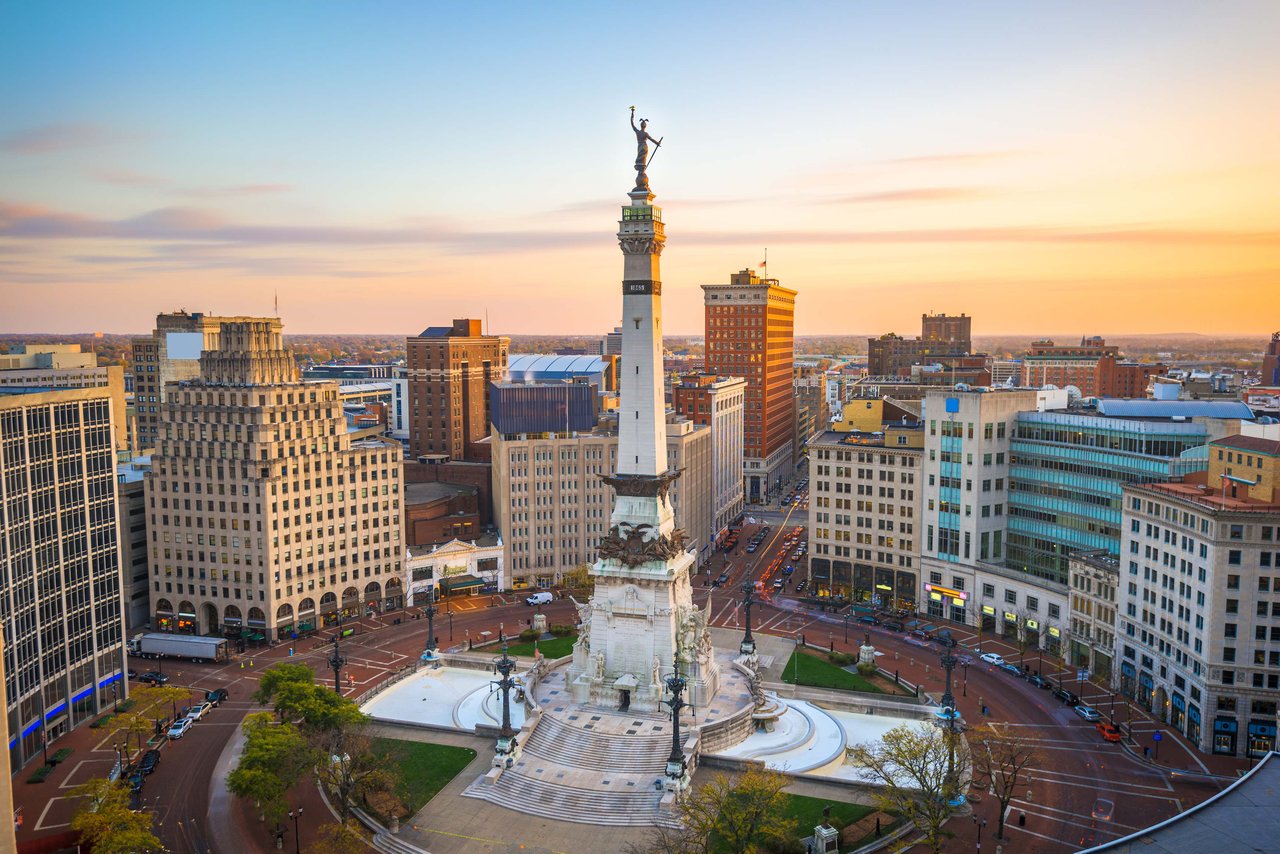
Indianapolis is a city that rewards people who like substance over spectacle. Known nationally as the "Crossroads of America," it pairs the collaborative, unpretentious social fabric of the Midwest with the economic muscle and infrastructure of a genuine metropolitan hub. What surprises most newcomers is how legible the city is — laid out like a wheel, with Downtown's Mile Square at the center and the I-465 loop encircling everything — which makes both daily life and home searching far less overwhelming than in a dense coastal metro.
The city tends to attract a wide mix: young professionals drawn to the walkable urban districts, families chasing the top-tier school systems in the northern suburbs, remote workers who want big-city amenities without big-city friction, and investors who recognize one of the more stable, buyer-friendly markets in the country. Whether you're looking at a historic Craftsman bungalow near the core or a new-build in a master-planned Hamilton County community, Indianapolis offers a genuinely broad range of lifestyles inside one accessible region.
The Indianapolis market has settled into a steady, intentional rhythm — a meaningful shift away from the frantic, hyper-competitive buying of the early 2020s. Today's landscape rewards well-informed, strategic buyers and sellers rather than punishing anyone who pauses to think.
Median sale prices currently sit in the range of roughly $238,000 to $255,000, with modest single-digit year-over-year growth of around 1.9%. That stability is the headline: Indianapolis has largely insulated itself from the extreme swings seen in more volatile national markets. Inventory remains lean at about a two-month supply, and homes are averaging somewhere between 13 and 28 days on the market before going under contract. On paper that still favors sellers, but the practical reality is that buyers have regained real leverage.
The dynamic now hinges almost entirely on condition and pricing. Accurately priced, move-in-ready homes still move quickly and can draw multiple offers within their first weeks. Overpriced or neglected listings, by contrast, sit — and sit — until a price cut forces the issue. Inspection contingencies and closing-cost concessions, which had nearly vanished during the peak, are once again standard fixtures in negotiations.
New-build activity remains an essential relief valve for the metro's tight inventory, even as overall construction starts have cooled slightly from their pandemic-era highs to keep supply in balance.
On the volume and production side, national and regional heavyweights like M/I Homes and Silverthorne Homes dominate the master-planned suburban developments, concentrating heavily in high-growth pockets tied to strong school districts such as Franklin Township. For buyers who want more individualized architecture, regional custom and semi-custom builders like Estridge Homes, Taylor Homes, and Integra Builders offer everything from adjustable floor plans to fully bespoke builds, typically with modern, energy-efficient systems that score well on the HERS index.
Pricing generally starts in the low $300,000s for entry-level "smart" floor plans and scales past $550,000 for premium or multi-generational builds with four to five bedrooms and three-car garages. One practical distinction worth understanding is spec homes versus dirt builds: production builders keep a steady pipeline of "Quick Move-In" spec homes, and buying one often unlocks aggressive incentives like rate buy-downs or design-center credits. A custom build gives you total control but requires a standard six-to-ten-month timeline.
Geographically, most of the sprawling master-planned construction is pushing into the outer rings of Marion County and the booming surrounding counties — Hamilton and Hendricks in particular. Infill new construction, including modern townhomes and luxury single-family homes, is scattered through historic urban areas like Fountain Square and the Near Northside.
The purchase process across the Indianapolis metro reflects a markedly healthier, more balanced environment than the market cycles of just a few years ago. Indianapolis has repeatedly been flagged as one of the most buyer-friendly major metros in the country, and the shopping experience here is genuinely lower-stress than what buyers relocating from hotter markets tend to expect.
Competitiveness comes down to the property itself. Meticulously maintained, correctly priced homes still move fast and often attract multiple offers. But when a seller tries to "test" an aggressive number, buyers now simply walk away — over 35% of listings see a price drop before finding a buyer, which gives patient shoppers real breathing room.
The protective clauses that define a normal market are firmly back. Waiving inspections is no longer the default; buyers routinely use standard 10-to-14-day inspection windows to request repairs on structural, roof, or mechanical issues, or to negotiate closing-cost credits in lieu of repairs. Appraisal gaps — where a buyer commits to covering a shortfall in cash — have become rare outside the most fiercely contested properties. And with 30-year fixed rates hovering in the low-to-mid 6% range, buyers are frequently asking for, and receiving, seller concessions to fund temporary or permanent rate buy-downs.
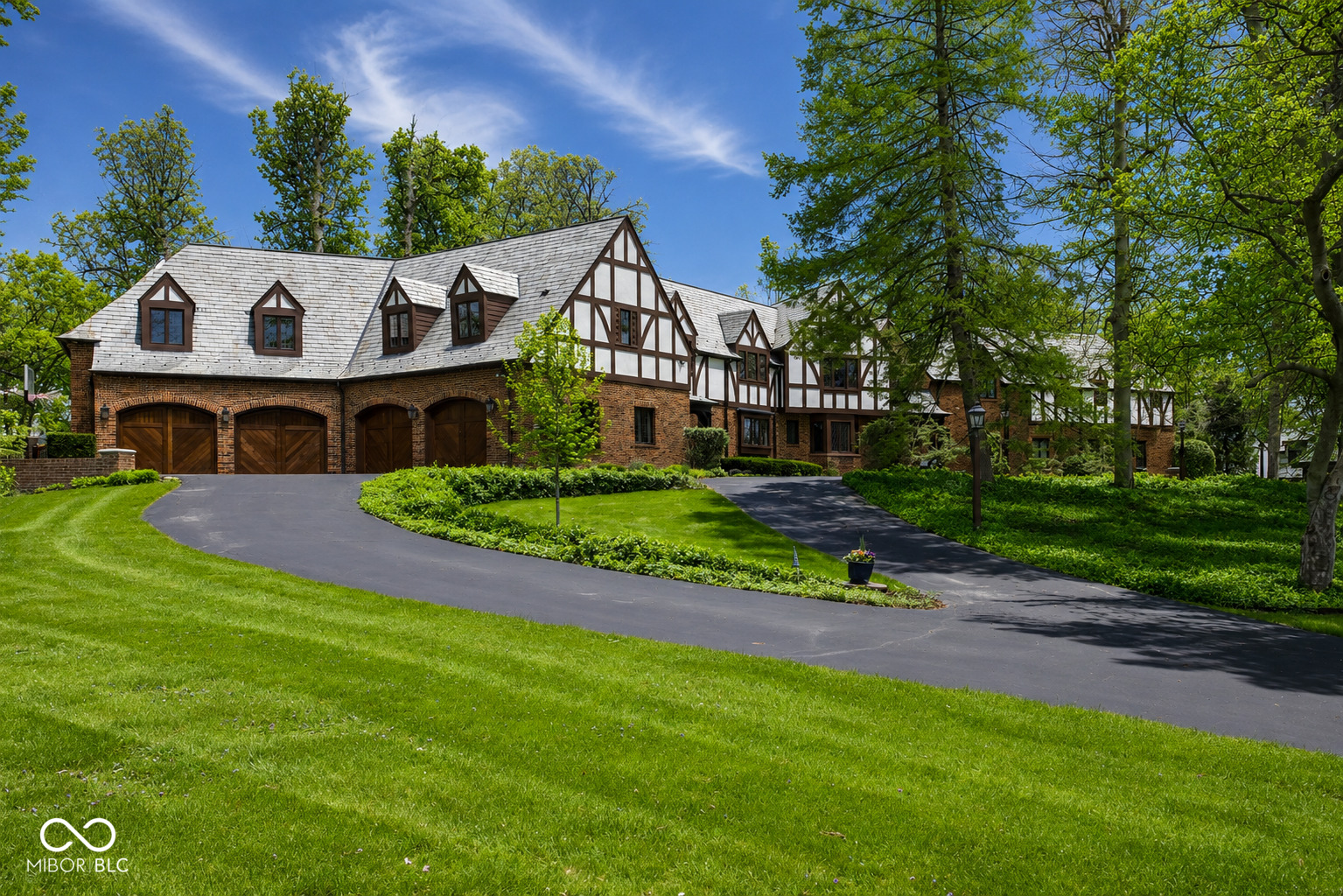
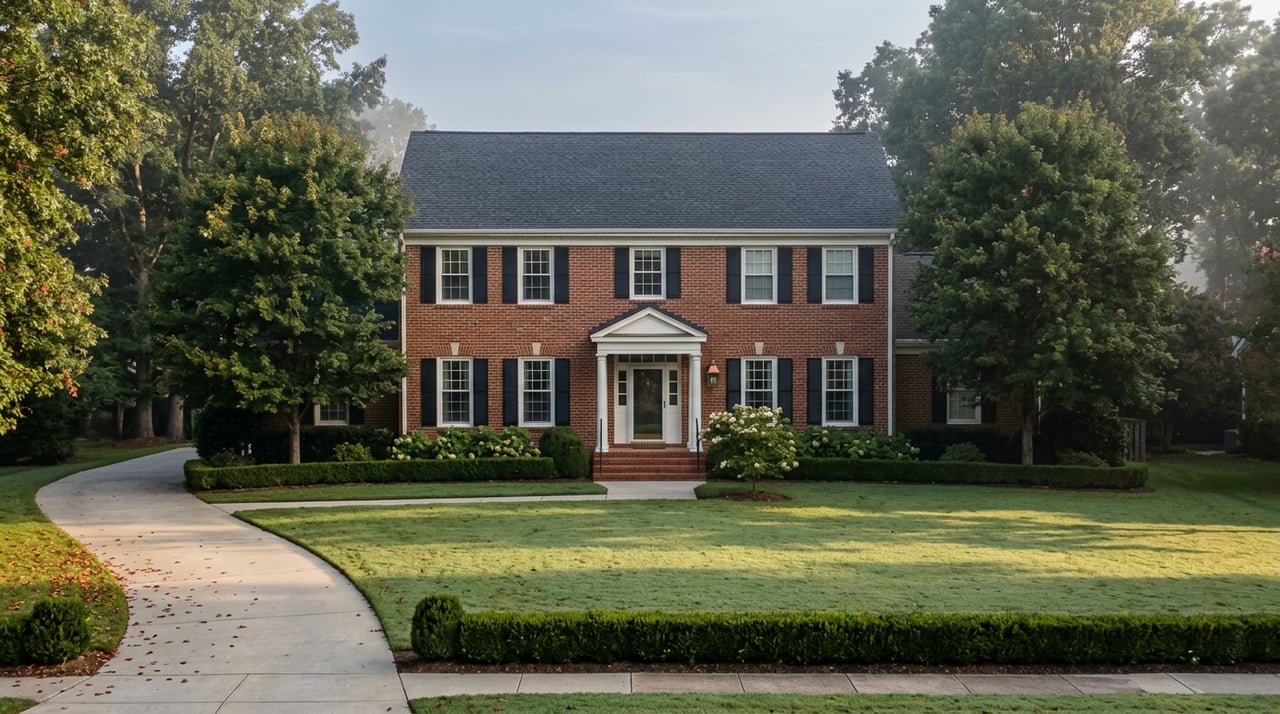
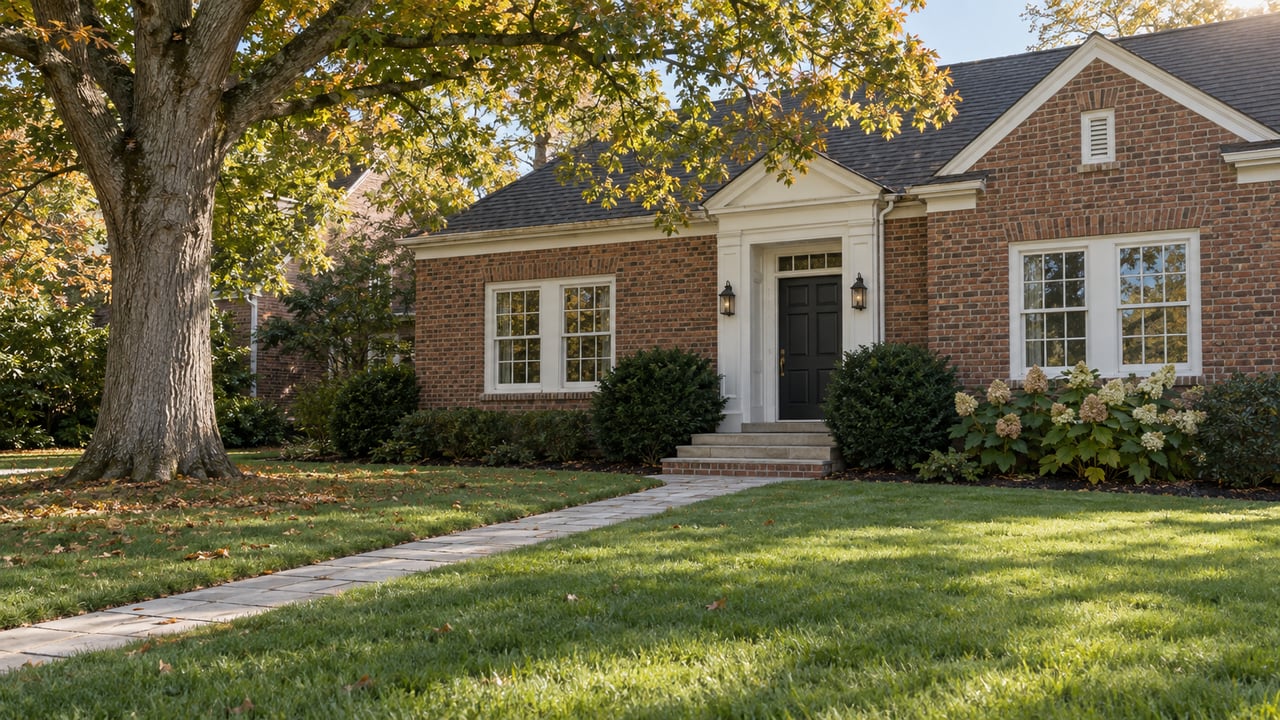
As for what you'll actually be touring, the architecture is highly regionalized. Traditional subdivisions and outer suburbs are dominated by brick-front two-stories and sprawling ranches built from the 1990s onward, often with finished basements — highly coveted here for both storm safety and extra square footage. Move toward the urban core and inventory shifts sharply toward historic Craftsman bungalows, American Foursquares, and modern infill townhomes.
Buying well in this market means tuning out national headlines and paying attention to the specific realities of Central Indiana. A few things I consistently coach clients on:
Don't overreact to the "days on market" counter. A few years ago, a home sitting 30 days signaled a serious problem. With the median now around 28 days, a great home that's been listed three or four weeks is usually just a byproduct of a calmer market — and often a prime opportunity to negotiate below list.
Budget for hidden backyard costs. Central Indiana has mature trees and shifting clay soil, which quietly punishes the unprepared. On any home built before 1980, get a sewer lateral scope done, and pay close attention to the concrete foundation. A cracked foundation or a collapsed sewer line can erase $10,000-plus from your budget without warning.
Plan around the property-tax reassessment. Indiana's 1% cap for owner-occupied homes is excellent, but the property is reassessed when it changes hands. If you buy from a long-term owner with a low assessed value, don't budget off their current tax bill — have your lender estimate taxes based on your purchase price so a payment jump a year later doesn't blindside you.
Target the first price drop. Watch your favorite listings around the 14-to-21-day mark. Sellers who cut early are signaling that they're realistic and motivated, which is frequently the ideal moment to come in with an offer that asks for both a fair price and a rate buy-down concession.
If you're moving from a coastal metro or a dense northeastern hub, the ease of navigation and the genuine friendliness here will likely be your first pleasant surprises. Picture the region as a wheel: Downtown Indy (the Mile Square) is the hub, and I-465 is the outer rim looping the entire city.
Marion County is the urban core and the official city limits, having absorbed most of its surrounding suburbs back in 1970 under a unified government system called "Unigov." It's home to character-rich neighborhoods like Broad Ripple, Fountain Square, and Meridian-Kessler. Directly bordering it are the booming "Donut Counties." To the north, Hamilton and Boone counties house upscale, fast-growing cities like Carmel, Fishers, and Zionsville, nationally known for their schools and master-planned parks. The southern and western counties — Johnson and Hendricks — trade some of that polish for affordability, open space, and quick airport access.
One thing worth knowing early: you don't need to anchor your home search to a traditional downtown commute, because Indy's economy is heavily decentralized. Life sciences and healthcare are the true engine, led by Eli Lilly's massive downtown headquarters and Roche Diagnostics on the northeast side, alongside major hospital networks like IU Health, Community Health Network, and Ascension St. Vincent. On the corporate and tech front, Salesforce occupies the city's tallest tower, with firms like Angi, Zylo, and Simon Property Group rounding out the roster. And thanks to its central geography, Indy is a logistics and manufacturing powerhouse, anchored by names like Allison Transmission and Cummins. The practical takeaway: employment centers are spread across the map, so you can prioritize neighborhood fit over commute math.
Indianapolis was built around the car, but a decade of intentional urban planning has carved out genuinely world-class pockets of pedestrian and bike infrastructure.
The crown jewel is the Indianapolis Cultural Trail — an internationally acclaimed, eight-mile landscaped path, bike-and-pedestrian only, that stitches together downtown's cultural districts including Mass Ave, Fountain Square, and the Canal Walk. If a car-light lifestyle is the goal, target neighborhoods that connect to it. Beyond downtown, the Monon Trail functions as a pedestrian superhighway running from the near-northside all the way up through Broad Ripple into the heart of Carmel, and newer additions like the Nickel Plate Trail have extended dedicated biking routes across the suburban lines.
For transit, the city skipped light rail and made a forward-thinking bet on Bus Rapid Transit. Here's where that network stands:
Transit Line | Status | Route Focus |
|---|---|---|
Red Line | Fully Active | 13-mile, all-electric north-south line through the highest-density corridors (Broad Ripple → Downtown → University of Indianapolis), with dedicated median lanes and elevated platforms |
Purple Line | Active | Connects downtown northeast to Lawrence, upgrading walkways and transit access along 38th Street |
Blue Line | In Development | Planned east-west line along Washington Street linking directly to Indianapolis International Airport |
If you do drive, you're in enviable shape: Indianapolis has one of the least painful commutes of any major U.S. city, averaging just 22 to 25 minutes one-way. The grid layout is a quiet superpower — when I-65 or I-70 backs up, you can pivot to north-south veins like Meridian Street or Keystone Avenue, or east-west routes like 38th or 86th Street, and bypass the gridlock entirely.
Because of the Unigov system, school district boundaries don't line up neatly with city borders — Marion County alone contains 11 distinct public school districts, and the surrounding donut counties hold some of the highest-rated systems in the state. This is one area where local guidance genuinely matters, since the address you choose determines the district.
Families targeting the suburbs generally look north and west. Carmel Clay Schools (Hamilton County) is consistently ranked the state's #1 public district, known for deep academic investment and standout STEM and arts programming. Hamilton Southeastern Schools in Fishers is a rapidly growing, progressive district with strong graduation rates and robust career-technical pathways. Zionsville Community Schools (Boone County) offers a smaller, boutique feel with high testing metrics, and Brownsburg Community School Corp (Hendricks County) is renowned on the west side for its student support and competitive curriculum.
Inside the core, Indianapolis Public Schools (IPS) takes a choice-driven approach rather than one-size-fits-all. Families frequently use its high-performing magnet options — Montessori, Center for Inquiry, and Visual & Performing Arts programs — with admission handled by lottery through the centralized Enroll Indy platform. There are also elite public high schools right in the urban core, including the classical liberal-arts charters Herron High School and Riverside High School, plus respected independent options like Park Tudor School on the north side and The International School of Indiana in midtown.
For a major metro, Indy is remarkably green, and the city has deliberately woven trail networks directly into residential zones — which has become a real driver of home appreciation.
Three flagship parks anchor the region. Eagle Creek Park on the west side is one of the largest municipal parks in the country, with more than 3,900 acres of old-growth forest wrapped around a 1,400-acre reservoir, offering sailing, kayaking, and rugged hiking. Garfield Park on the south side, established in 1873, is the city's oldest, featuring a sunken limestone conservatory and European-style gardens that anchor the historic neighborhoods around it. And Fort Harrison State Park on the northeast side is a former military base turned 1,700-acre park with walking and horseback trails, a golf course, and access to the Fall Creek corridor.
For everyday recreation, buyers gravitate toward homes bordering the linear greenways — living within a few blocks of the Monon Trail functions as a genuine value premium, and the downtown White River State Park and Canal Walk make core living viable for pet owners and outdoor enthusiasts.
Indy's food identity has long since moved past its "steak-and-potatoes" reputation into a fiercely independent, creative scene that now shapes neighborhood character and property values.
If a walkable, hyper-local food scene is central to your lifestyle, Mass Ave and Fountain Square are the epicenters — Mass Ave balancing sleek cocktail lounges, historic German beer halls, and independent concepts, while Fountain Square leans bohemian with microbreweries, skyline rooftops, and a globally diverse corridor of eateries. Move north into Broad Ripple and Meridian-Kessler and the tone softens into neighborhood pubs, riverside patios, and upscale bistros, while Carmel's Arts & Design District delivers polished fine dining and chef-driven concepts around public plazas.
Worth flagging for anyone new to Indiana: this is an elite craft-beer state, and local hubs like Sun King, Taxman, and Upland Brewing function less like traditional bars and more like community gathering spaces where families, remote workers, and locals all cross paths.
Retail here mirrors the city's geography — whichever way your lifestyle leans, the layout keeps friction low.
For independent and boutique shopping, the dense urban corridors are unmatched: Mass Ave, Fountain Square, and the Broad Ripple / Monon 30 area are packed with local bookstores, vintage curators, home-goods studios, and artisanal coffee roasters. For upscale fashion and major brands, The Fashion Mall at Keystone on the north side is the definitive regional anchor. Out in the donut counties, open-air lifestyle centers like Clay Terrace in Carmel and Hamilton Town Center in Fishers blend high-end retail, specialty grocers, and fitness studios into convenient one-stop main-street-style ecosystems. Day-to-day grocery needs are exceptionally well served — Whole Foods, Trader Joe's, and Fresh Market dot the higher-income corridors, while the dominant regional chain Kroger runs large modernized "Marketplace" stores across the city and suburbs.
Understanding property taxes here is one of the most important pieces of your long-term affordability math, and Indiana is genuinely one of the more buyer-friendly states in the nation thanks to constitutionally mandated caps.
The state limits tax bills through a "circuit breaker" tied to a property's gross assessed value. For a primary, owner-occupied residence, the gross bill is capped at 1% of assessed value. Non-homestead residential property — long-term rentals or second homes — is capped at 2%, and commercial real estate and raw land at 3%. Before the 1% cap is even applied, the state layers in automatic deductions, including the Standard and Supplemental Homestead Deductions, which lower your taxable value well below your purchase price.
Two local quirks trip up out-of-town buyers. The first is the reassessment jump: Indiana taxes are paid in arrears, and when a home changes hands the county reassesses at the new market price — so buying from a long-term owner with a low assessed value means your taxes will likely climb one to two years after closing. Always budget off 1% of your prospective purchase price, not the seller's historical bill. The second is local referendums: while the state caps the base rate, school districts, libraries, and emergency services routinely pass voter referendums that legally bypass the 1% cap. Living in a referendum-heavy, highly funded district like Carmel or Fishers means a slightly higher effective rate than a district without them.
The defining personality of Indianapolis is a genuine lack of pretension — warm, collaborative Midwestern social dynamics layered over real metropolitan ambition. But the daily feel shifts dramatically depending on which pocket you choose.
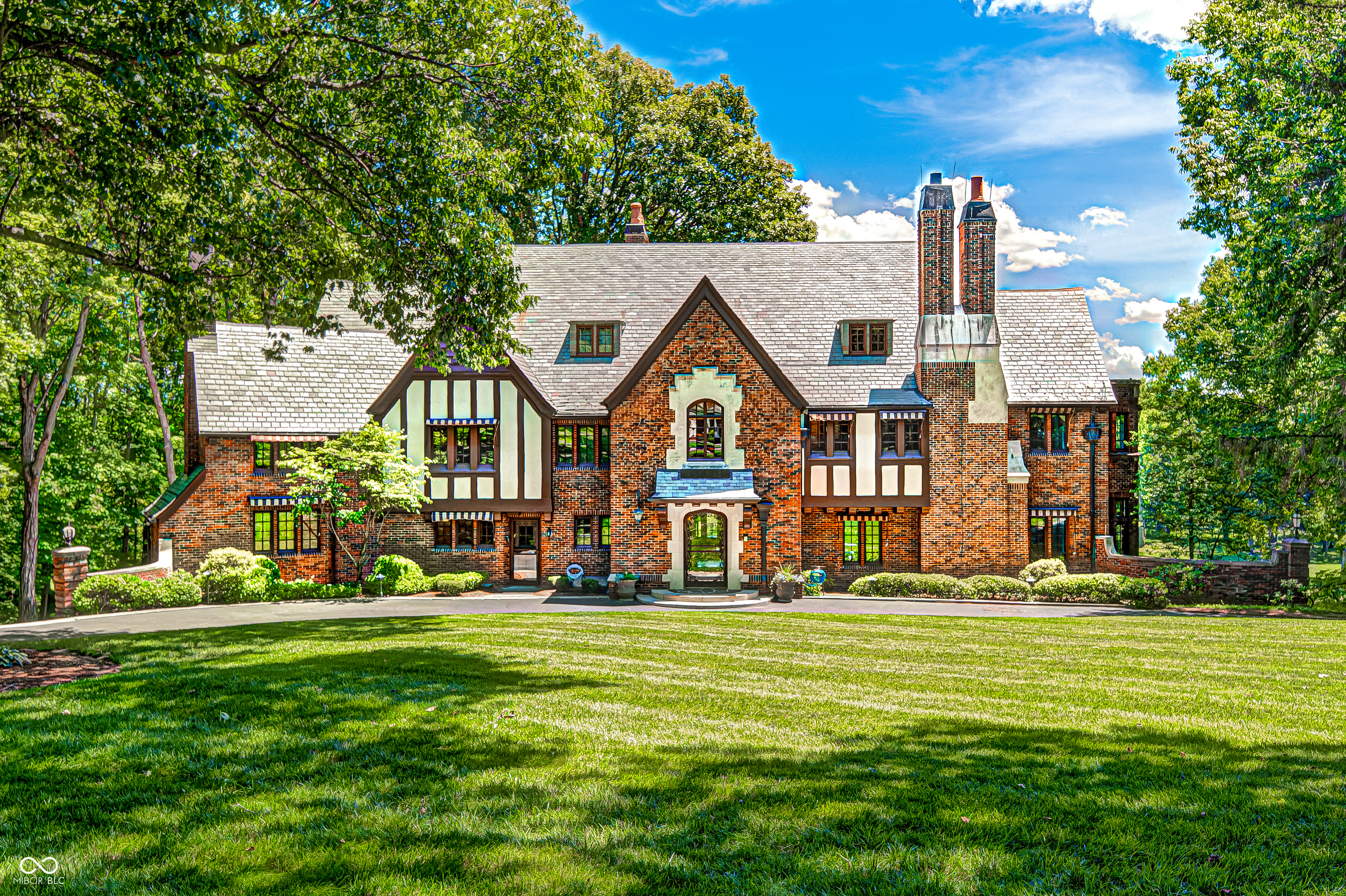
The urban artsy and walkable side lives in Mass Ave and Fountain Square, where the energy is gritty-yet-polished and deeply tied to the Cultural Trail — streets alive with cyclists, joggers, and dog-walkers, threaded with indie bookstores, galleries, and dense clusters of local restaurants. Slightly north, the historic midtown vibe takes over: Broad Ripple carries an eclectic college-town-meets-young-professional energy, while adjacent Meridian-Kessler offers stately, quiet, tree-lined streets, big brick Tudors, and front-porch neighborliness. And then there's the pristine, structured suburban identity of Hamilton County — Carmel feels almost European with its roundabouts, manicured plazas, and arts-centered civic calendar, while Fishers leans tech-forward and active, with weekends built around fieldhouse sports, master-planned parks, and open-air lifestyle centers. The through-line up north is unapologetic: top-tier schools, immaculate safety, and effortless convenience.
Choosing the right neighborhood in a region this varied — from a Fountain Square bungalow to a Carmel new-build — is far easier with someone who knows the ground truth of each pocket. That's where the Wilson Team comes in. Founded by Debra Wilson, the team has served Northern Indianapolis and the surrounding communities of Carmel, Westfield, Fishers, Zionsville, Noblesville, and Indianapolis for more than 20 years, with over $250 million in sales and a top-10 local ranking for 16 consecutive years. What sets the team apart is an unusual depth of expertise spanning construction, engineering, luxury home marketing, and negotiation — the kind of well-rounded foundation that lets them spot a hidden foundation issue, price a home with real precision, and negotiate concessions that actually hold up at the closing table.
If you're weighing a move to Indianapolis or anywhere across the metro, Debra and her team are glad to be a resource — whether you're ready to tour homes or simply want honest answers about a specific neighborhood, school district, or price point. You can reach Debra directly at [email protected] or (317) 362-7312, or learn more at wilsonteamindy.com.
There's plenty to do around Indianapolis, including shopping, dining, nightlife, parks, and more. Data provided by Walk Score and Yelp.
Explore popular things to do in the area, including Side Street Deli, Reggae Wines, and ClusterTruck.
| Name | Category | Distance | Reviews |
Ratings by
Yelp
|
|---|---|---|---|---|
| Dining · $$ | 0.34 miles | 1 review | 5/5 stars | |
| Dining | 0.5 miles | 1 review | 1/5 stars | |
| Dining · $$ | 0.52 miles | 401 reviews | 4.4/5 stars | |
| Dining | 0.59 miles | 0 reviews | 0/5 stars | |
| Dining | 0.59 miles | 1 review | 5/5 stars | |
| Dining | 0.63 miles | 0 reviews | 0/5 stars | |
| Dining · $ | 0.7 miles | 8 reviews | 2.3/5 stars | |
| Dining | 0.7 miles | 1 review | 5/5 stars | |
| Dining | 0.72 miles | 0 reviews | 0/5 stars | |
| Dining | 0.73 miles | 0 reviews | 0/5 stars | |
| Shopping | 0.48 miles | 0 reviews | 0/5 stars | |
| Shopping | 0.66 miles | 0 reviews | 0/5 stars | |
| Active | 0.36 miles | 0 reviews | 0/5 stars | |
| Active | 0.55 miles | 0 reviews | 0/5 stars | |
| Active | 0.67 miles | 0 reviews | 0/5 stars | |
| Active | 0.71 miles | 4 reviews | 4/5 stars | |
| Nightlife | 0.66 miles | 0 reviews | 0/5 stars | |
| Beauty | 0.01 miles | 0 reviews | 0/5 stars | |
| Beauty | 0.08 miles | 0 reviews | 0/5 stars | |
| Beauty | 0.15 miles | 0 reviews | 0/5 stars | |
| Beauty | 0.16 miles | 1 review | 5/5 stars | |
| Beauty | 0.61 miles | 0 reviews | 0/5 stars | |
| Beauty | 0.7 miles | 0 reviews | 0/5 stars | |
| Beauty | 0.74 miles | 0 reviews | 0/5 stars | |
|
|
||||
|
|
||||
|
|
||||
|
|
||||
|
|
||||
|
|
Indianapolis has 359,665 households, with an average household size of 2.41. Data provided by the U.S. Census Bureau. Here’s what the people living in Indianapolis do for work — and how long it takes them to get there. Data provided by the U.S. Census Bureau. 882,043 people call Indianapolis home. The population density is 2,439 and the largest age group is Data provided by the U.S. Census Bureau.
Total Population
Population Density Population Density This is the number of people per square mile in a neighborhood.
Median Age
Men vs Women
Population by Age Group
0-9 Years
10-17 Years
18-24 Years
25-64 Years
65-74 Years
75+ Years
Education Level
Total Households
Average Household Size
Average individual Income
Households with Children
With Children:
Without Children:
Marital Status
Blue vs White Collar Workers
Blue Collar:
White Collar: