31,442 people live in Zionsville, where the median age is 42.6 and the average individual income is $81,165. Data provided by the U.S. Census Bureau.
Total Population
Median Age
Population Density Population Density This is the number of people per square mile in a neighborhood.
Average individual Income
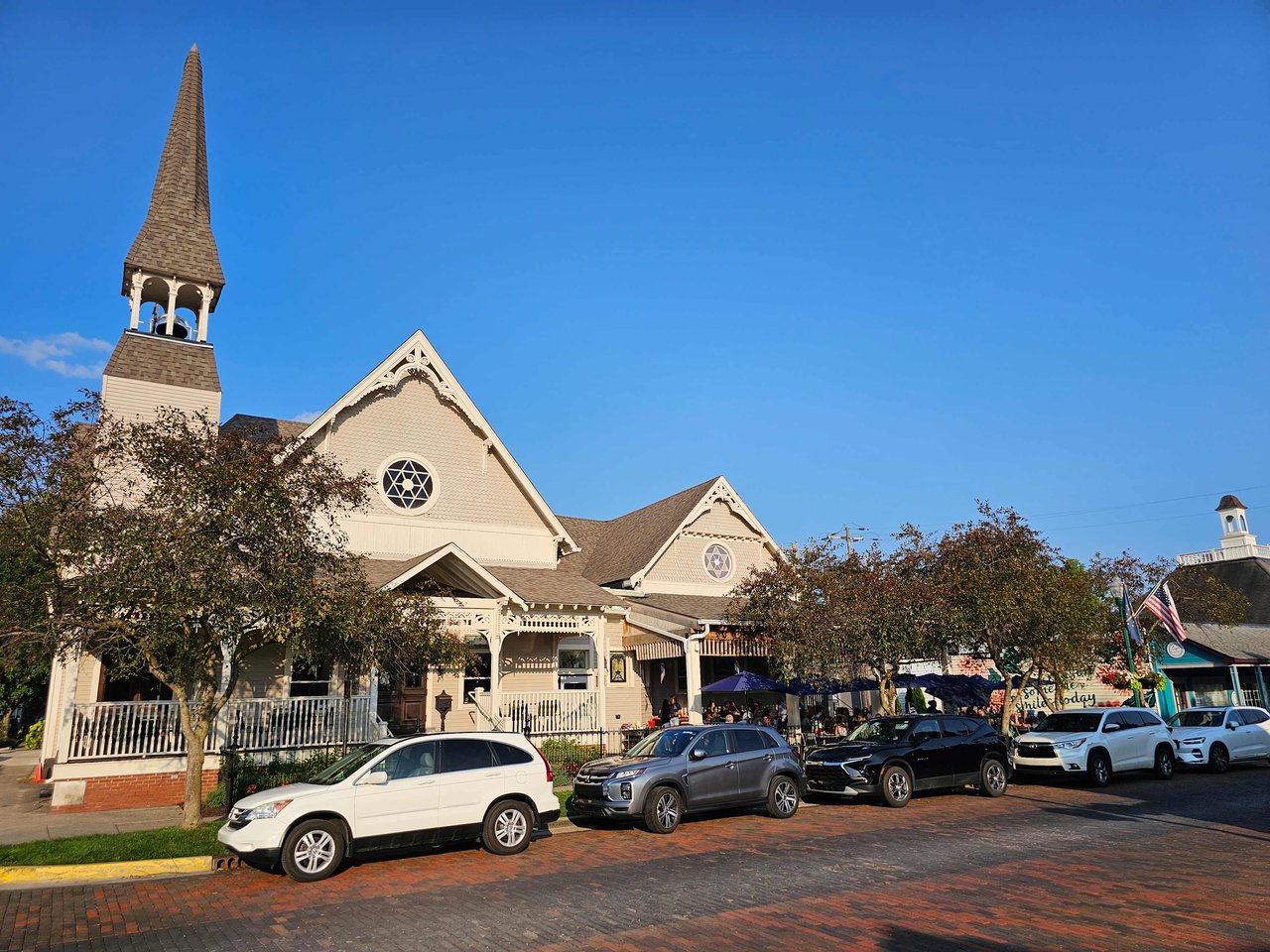
Zionsville is where northern Indianapolis keeps its character. While Carmel and Fishers leaned hard into roundabouts, corporate corridors, and high-density retail, Zionsville went the other direction and protected what made it distinct: a brick-paved Main Street, dense tree cover, preserved nature, and a genuine small-town social rhythm. The result is a community that reads as upscale country enclave and polished suburb at the same time — sophisticated, historic, and quietly confident.
It tends to attract buyers who want proximity to the city without the constant hum of it. Professionals commuting to downtown Indianapolis or the Carmel tech and healthcare corridor, families chasing one of the state's strongest school systems, and move-up or move-down buyers who care about walkability, green space, and architectural character. It is not a market for people looking for the lowest price per square foot — it's a market for people who have decided this specific lifestyle is worth paying for.
Zionsville is a competitive seller's market, and it has been for a long stretch. Low inventory paired with sustained demand has kept prices moving upward even when broader interest-rate noise cooled other suburbs.
A few numbers that frame the current landscape:
The appreciation story is driven mostly by a shortage of resale inventory and demand that doesn't quit. Zionsville has also insulated itself better than many Midwest suburbs because of its luxury profile, its top-tier school district, and its easy access to the regional workforce. When people plant here, they tend to stay, which keeps supply tight and pressure on prices high.
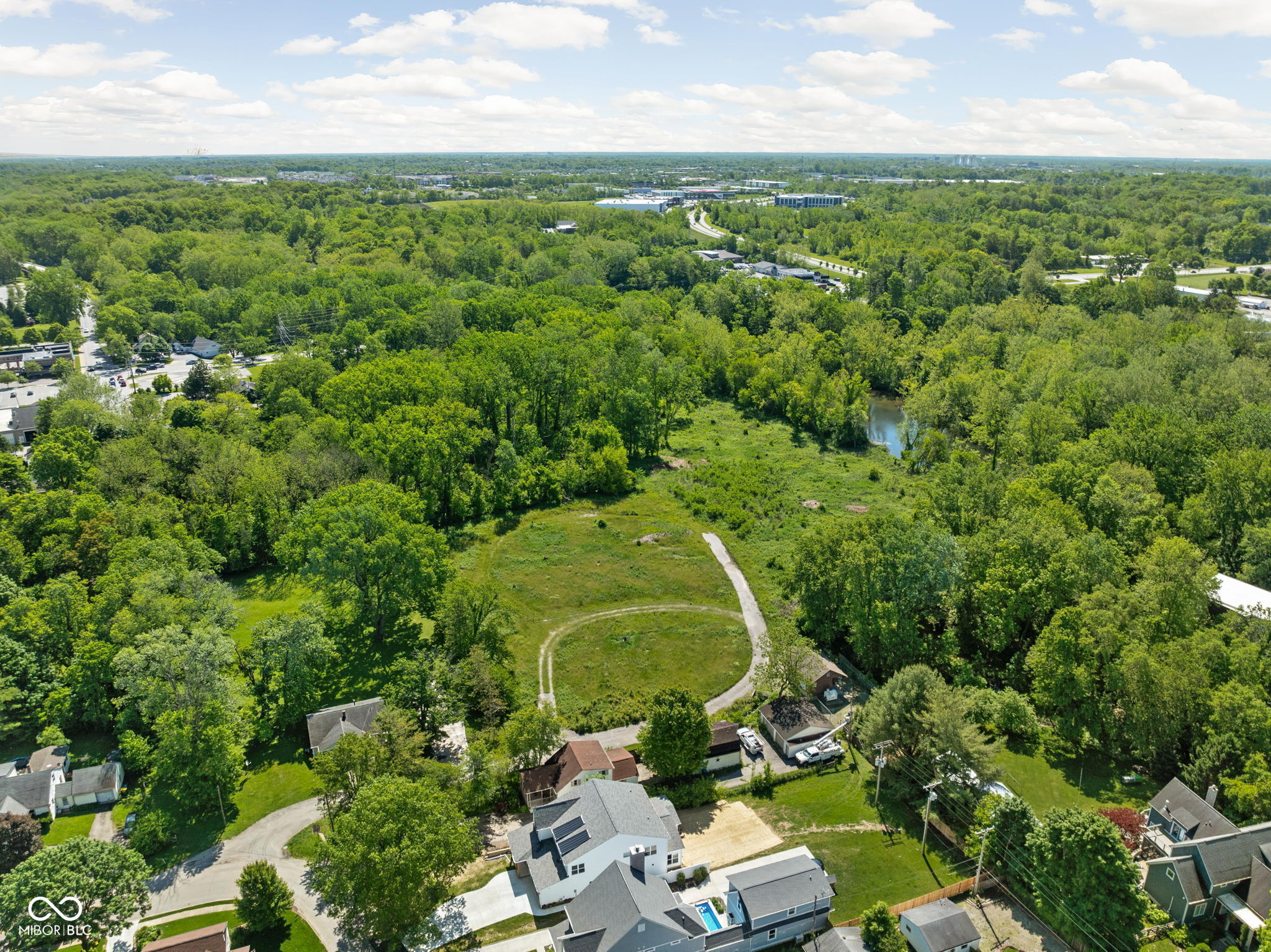
Because buildable land near the historic Village is genuinely scarce, new construction has pushed outward — into master-planned communities, golf-course enclaves, and low-maintenance pocket neighborhoods heading toward Whitestown and rural Boone County.
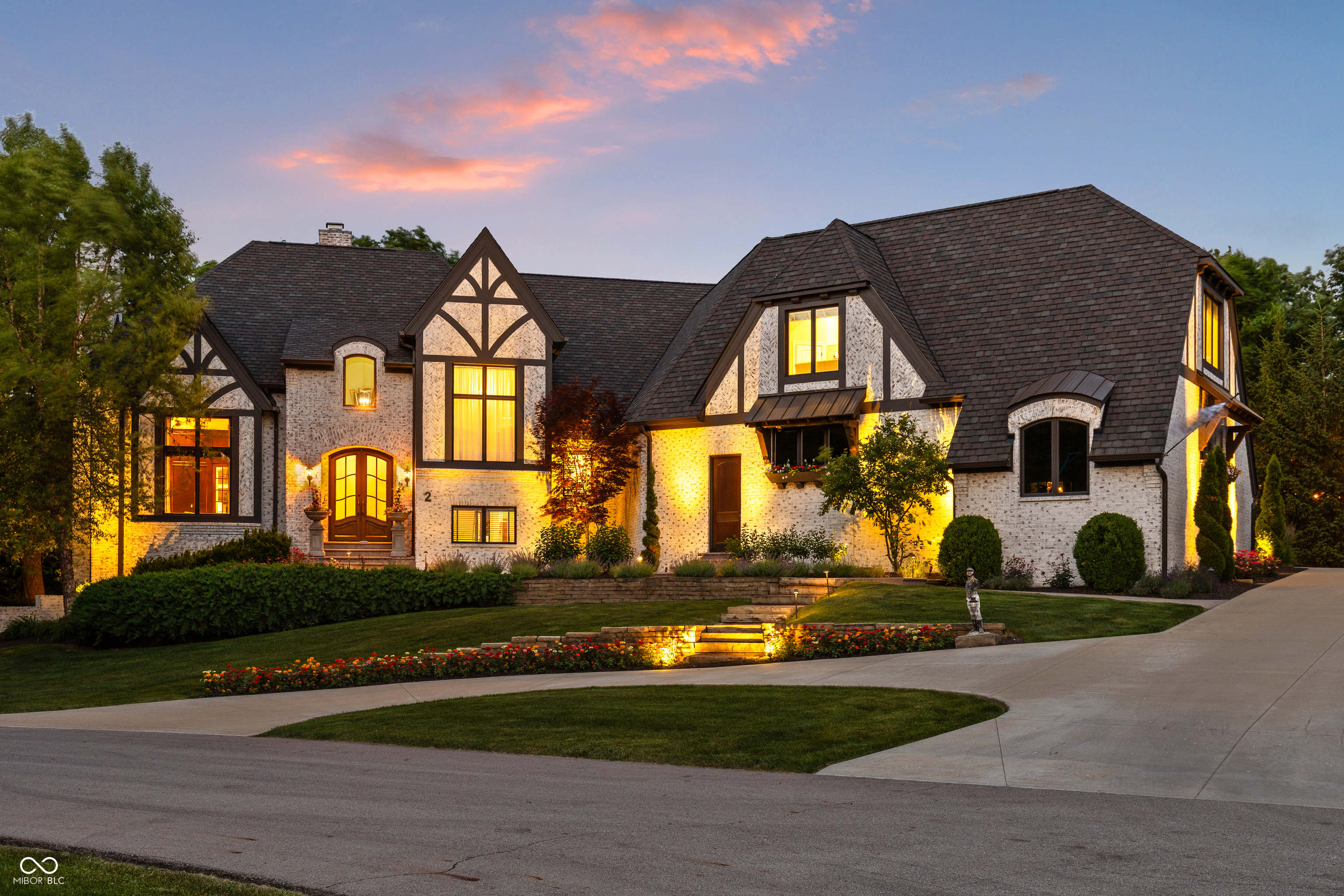
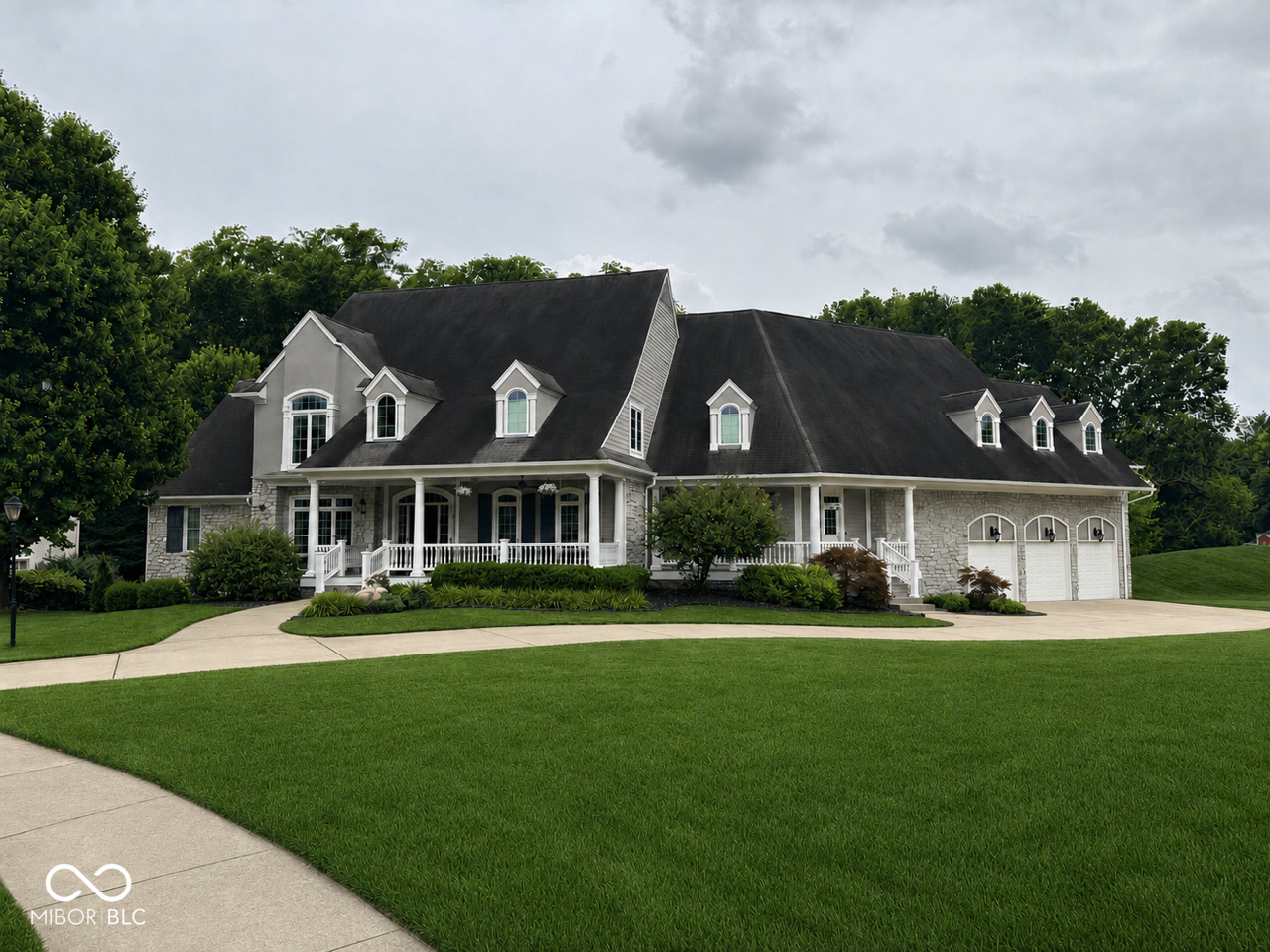
At the top of the market, Holliday Farms is built around a Pete Dye–designed golf course and features sprawling custom estates from builders like Sigma Builders, Homes By Design, and Elevation Homes, frequently landing between $1.5M and $4M+. Nature-focused, high-amenity communities like Wild Air and Bradley Ridge have generated real buzz, with David Weekley Homes, Old Town Design Group, and Foxlane Homes offering customizable single-family homes generally from the $600s past $1M. For buyers ready to simplify, The Courtyards of Russell Oaks and The Reserve by Epcon Communities cater to downsizers with private-courtyard patio homes and low-maintenance living from the upper $500s to $800k, while Union Woodlands by Lennar delivers mid-to-high-tier production homes with open-concept plans from roughly $600,000 to $850,000.
What buyers should expect from a new build here: a premium price per square foot (often $200–$250+ depending on finish tier), amenity-rich neighborhoods with real HOA frameworks covering clubhouses, trails, pools, and fitness facilities, and patience. If you're building from the ground up rather than buying a quick-move-in home, plan for 8 to 12 months from groundbreaking to closing. Buildable lots are in demand, and the timeline reflects it.
Standard home-buying playbooks don't fully apply in Zionsville, because the market leans decisively toward sellers. Resale homes in desirable neighborhoods often go pending in 6 to 12 days, and well-priced listings routinely trigger multiple offers. Buyers should expect to write at or slightly above list price, and escalation clauses — agreements to outbid competing offers by a set increment up to a cap — are common tools for winning.
Contingencies require strategy here rather than boilerplate. Because prices have climbed quickly, sellers get nervous about appraisal risk, so winning offers frequently include a partial or full appraisal gap guarantee, where the buyer commits to covering the difference in cash if the home appraises below the agreed price. Full inspection waivers are risky, but many buyers compromise with an "informational only" or "major defects only" inspection clause that reassures sellers without leaving the buyer fully exposed. And home-sale contingencies are a hard sell — sellers rarely accept them unless the buyer's current home is already under a firm contract.
The inventory itself falls into three distinct flavors, and knowing which one you're chasing changes your strategy:
Property Type | Characteristics | Target Buyer |
|---|---|---|
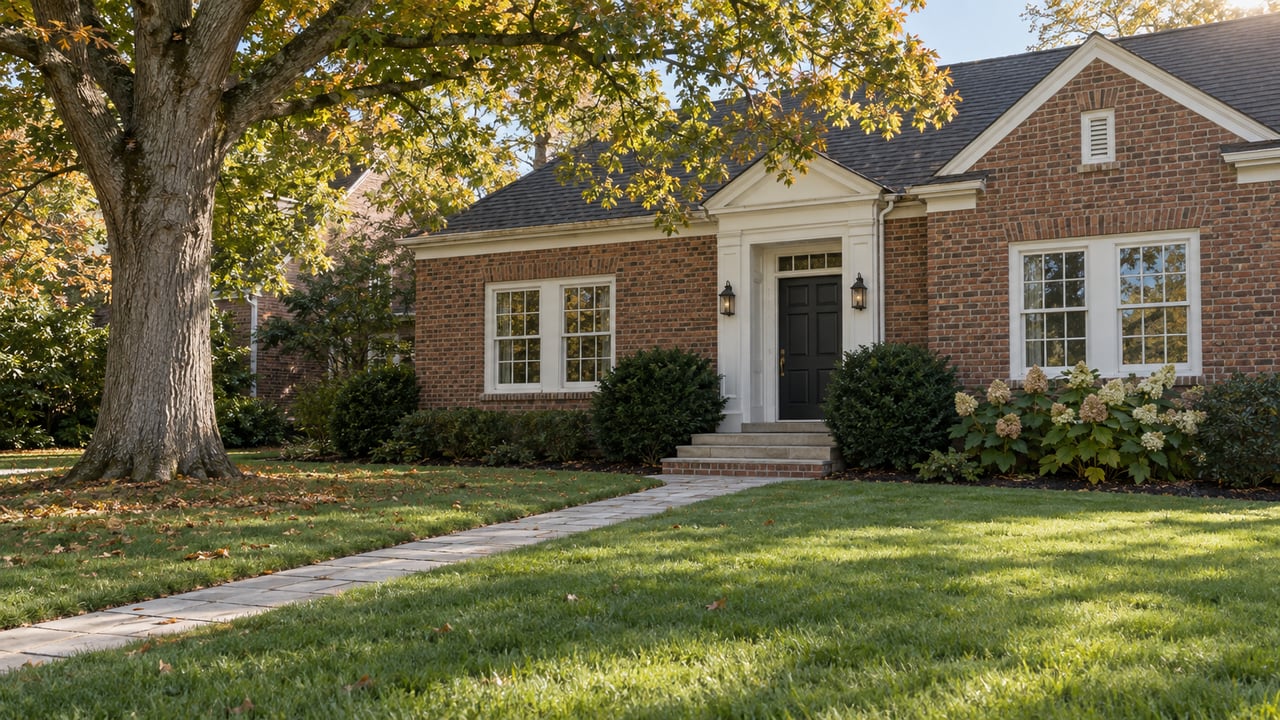
Historic Village Charm | 19th-century Greek Revivals, Queen Annes, and craftsman cottages on or near the brick street | Buyers prioritizing walkability, character, and proximity to boutiques and dining |
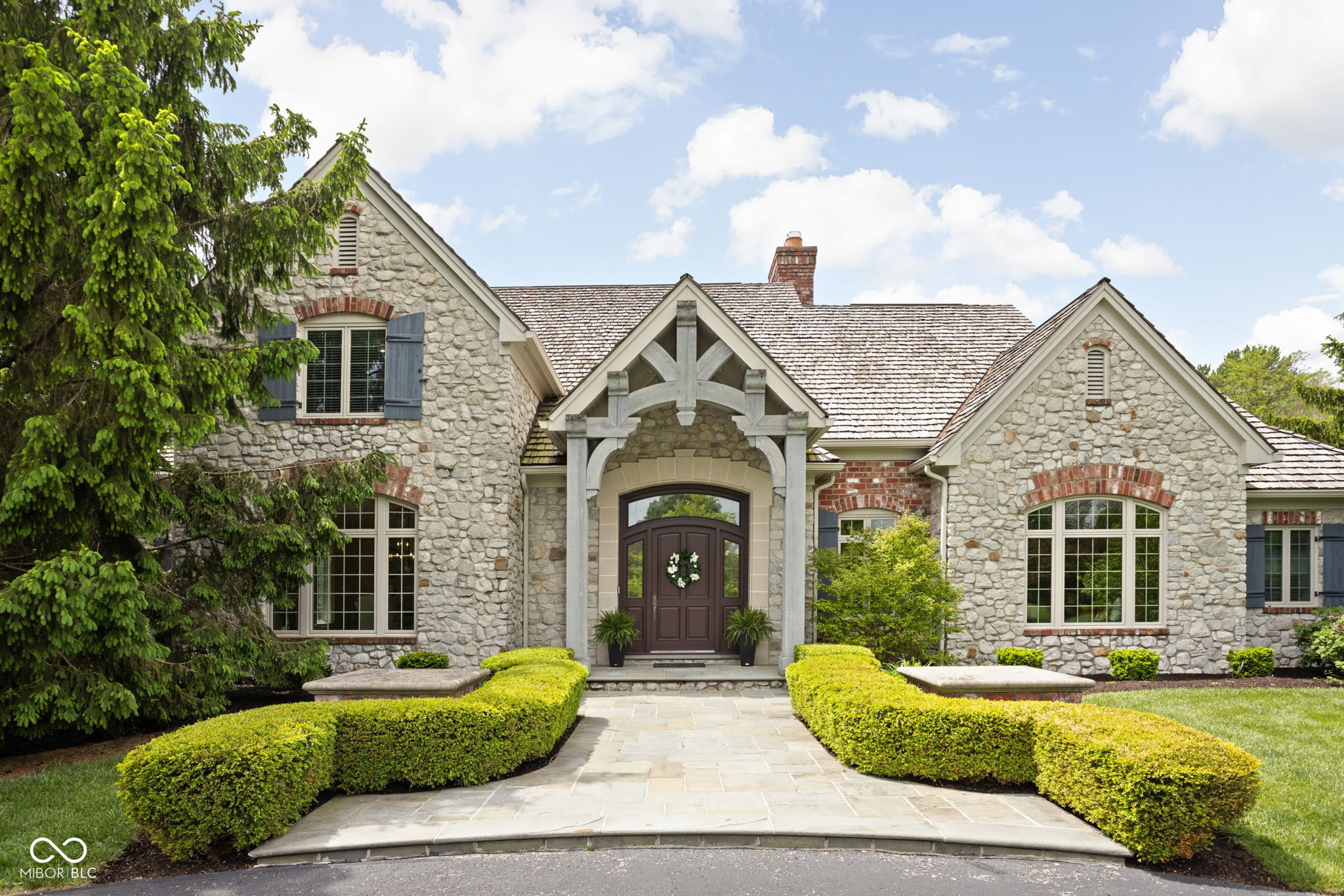
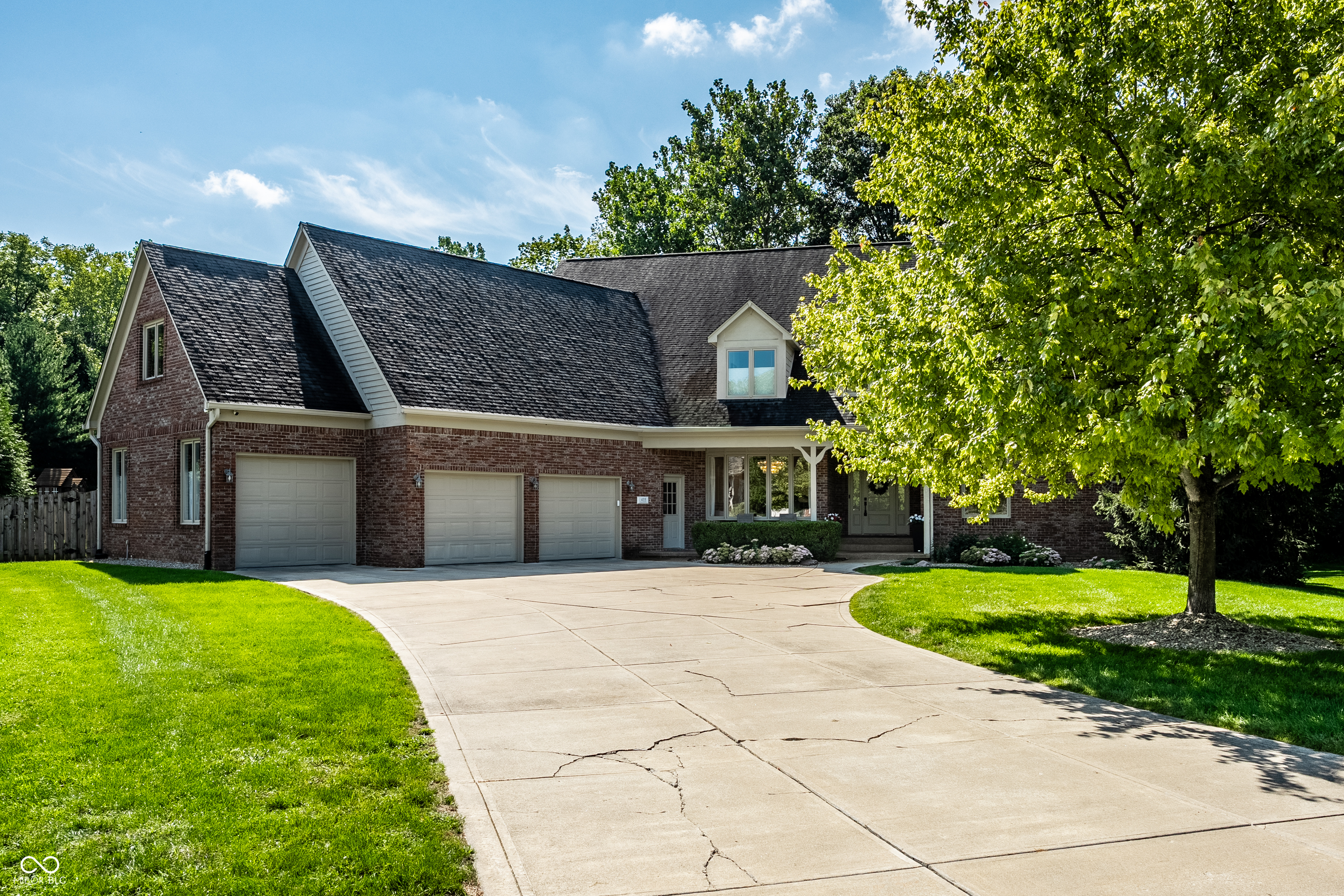
Sprawling Subdivisions | Large 4–5 bedroom brick or hardiplank homes from the 1990s–2010s (Hampshire, Willowstone, Rock Bridge) | Families wanting square footage, basements, garages, and neighborhood swim clubs |
Custom Luxury & Estates | Multi-acre lots, modern custom builds, or golf-club living like Holliday Farms | High-net-worth buyers seeking tailor-made architecture and exclusivity |
The general advice you'll read online won't win you a home here. What works is local and specific.
Hunt for pocket and off-market listings. A meaningful share of Zionsville transactions happen quietly before anything hits the MLS or Zillow. A hyper-local agent with pocket listings and real builder relationships gives you access to inventory other buyers never see.
Secure a local, well-respected lender. Out-of-state dot-com lenders and giant national banks don't carry weight with Zionsville listing agents. Local agents know which loan officers close on time, and a pre-approval from a known Indiana lender makes your offer instantly more credible in a multiple-offer situation.
Run a pre-inspection when you can. If a home has a designated offer review date, ask whether you can walk an inspector through during the initial showing window. A pre-inspection lets you submit with the inspection contingency waived entirely — which vaults your offer to the top without gambling on your financial future.
Budget for HOA dues and property taxes upfront. Indiana's taxes are modest statewide, but Zionsville's premium amenities and school referendums push carrying costs higher. Master-planned HOA dues can run $100–$400+ monthly. Fold those into your debt-to-income math before you fall in love with a house.
Zionsville delivers a "small-town luxury" feel that genuinely sets it apart from neighboring suburbs. Where Carmel and Fishers built out commercial infrastructure and sprawling roundabouts, Zionsville preserved its historic, wooded, rural roots — and that decision shapes daily life here.
It helps to understand the town's geography. The Village is the historic heart: gridded streets flanking the brick Main Street, homes close together, high-density and highly social, commanding a premium for less square footage. The East Side, along the Michigan Road / US 421 corridor, is the commercial hub — Target, Meijer, fitness clubs, everyday conveniences, and quick highway access. As you head west and northwest toward Whitestown and rural Boone County, the landscape opens into master-planned subdivisions, custom estate lots, and golf-course communities.
Culturally, locals take real pride in the independent boutiques, coffee shops, and restaurants of the Village. Life slows down — weekends run on the farmers market and dog walks through the parks. The town is also deeply committed to nature, with over 20 miles of interconnected trails and forested preserves like Starkey Park and Elm Street Green running along Eagle Creek. If you're coming from a denser metro, the pace is a feature, not a compromise.
Zionsville offers a split transportation experience: intensely walkable in pockets, but car-dependent for regional travel. Broadly, the Walk Score runs low because the modern subdivisions are purely residential — but the Village is a near-perfect walkable enclave where you can live without a car for dining, shopping, and parks. The crown jewel of the town's non-vehicular infrastructure is the Big-4 Rail Trail, a 12-foot-wide paved corridor forming a 5+ mile spine through the heart of town, connecting parks, schools, and Town Hall while keeping cyclists and pedestrians fully separated from traffic.
For commuters, Zionsville is a premier bedroom community. Downtown Indianapolis is a 15–20 mile drive down I-65 South, typically 25–35 minutes in the morning (longer in rain or snow). The Meridian Street corporate corridor in Carmel is just 10–15 minutes east via 106th or 116th Street. Indianapolis International Airport (IND) sits about 25–30 minutes southwest, and because Zionsville is on the northwest side of the loop, you bypass downtown traffic entirely — early flights are refreshingly painless. One caveat for anyone coming from a transit-heavy city: public transit is effectively nonexistent here. IndyGo doesn't run practical commuter routes out of northern Boone County, so a reliable personal vehicle is a necessity.
For family buyers, the school district is often the single biggest driver of a purchase decision here — and Zionsville Community Schools (ZCS) consistently ranks among the top three public districts in Indiana. It earns a consistent A+ rating on Niche and is frequently ranked #1 in the state for best teachers. Student proficiency in reading and math tracks well above state averages, and SAT and state testing performance place ZCS firmly in the top tier statewide.
Rather than splitting into competing high schools, the district uses a unified approach: Zionsville Community High School (ZCHS) serves as the single centralized high school, well regarded for its Advanced Placement offerings, nationally recognized STEM curriculum, and strong athletics. Younger students are spread across community-focused schools — elementary options include Eagle, Boone Meadow, Pleasant View, Stonegate, and Union, with Zionsville Middle School and Zionsville West Middle School at the middle level.
One practical note worth its weight in a home search: because the town is growing, boundary lines can shift to balance enrollment. If your heart is set on a specific elementary or middle school, verify the district's active redistricting maps before closing — don't rely on the school listed in a real estate listing alone.
Zionsville deliberately balances residential growth by locking in expansive natural areas, and the park system leans toward raw preservation rather than concrete-heavy commercial parks. Starkey Nature Park is the largest — over 80 acres of dense forest along Eagle Creek with rugged trails, fishing spots, and a deep-woods feel minutes from the Village. Mulberry Fields covers 38 acres geared toward active families, with a summer splash pad, sledding hill, pickleball courts, and sports fields. Overley-Worman Park, a newer addition along the Eagle Creek greenway, offers mountain bike trails, disc golf, boardwalks, and a fishing pier. And the Big-4 Rail Trail ties much of it together, functioning as the town's recreation highway for runners, walkers, and cyclists. For buyers, the takeaway is simple: outdoor access here is a genuine amenity, not an afterthought.
Zionsville's food and social scene is a lifestyle signal more than a nightlife district — and that's exactly the point. The center of gravity is the Village's Main Street, where the culture favors independent coffee roasters, curated storefronts, art galleries, and upscale bistros over strip malls and chains. Evenings here skew toward a good dinner and a walkable stroll rather than a late-night bar circuit. The social calendar leans on community rhythms — the seasonal farmers market, the annual Fall Festival, holiday carriage rides — which draw genuine local crowds. If you want a buzzing metropolitan nightlife, downtown Indianapolis is a short drive; if you want a refined, neighborly evening scene you can walk to, that lives in the Village.
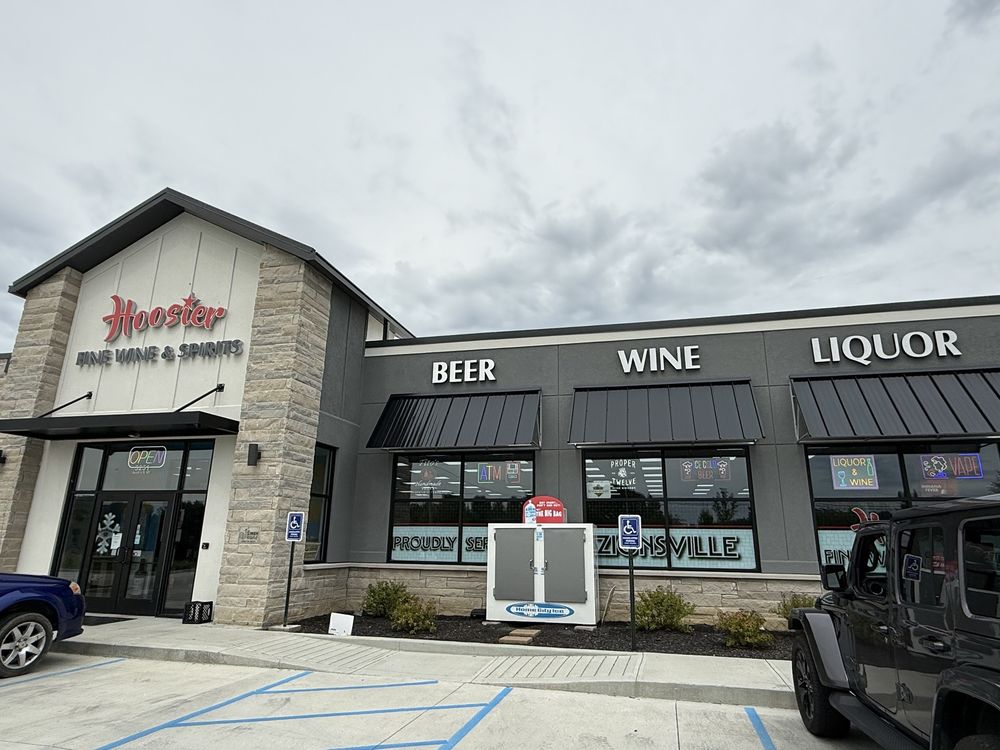
Shopping in Zionsville splits cleanly into two experiences. The Village is the boutique-and-specialty side — independent shops, galleries, and local retail that reward browsing on foot and give the town its character. For everyday needs, the East Side along the Michigan Road / US 421 corridor is the practical hub, with major grocery and big-box options like Target and Meijer plus fitness clubs and chain conveniences. And because Carmel is only 10–15 minutes east, the full slate of regional shopping — larger centers and national retail — is easily within reach. For most buyers, the balance works well: charm and character close to home, big-box convenience a few minutes away.
Property taxes here deserve real attention, because Indiana's rules can catch out-of-town buyers off guard. The state applies a 1% constitutional property tax cap — the "Circuit Breaker" — on owner-occupied primary residences, meaning your gross bill for a primary home can't exceed 1% of gross assessed value. The catch is that this cap does not cover voter-approved school referendums, and Zionsville residents strongly support their top-tier schools. As a result, the true effective rate typically settles around 1.08% to 1.14% of assessed value.
There's also a timing trap. Indiana taxes are paid in arrears, so the bill you pay this year covers the prior year's assessment. If you buy from a long-term owner — especially seniors who qualified for age-based freezes or older deductions — the listing sheet may show artificially low taxes. Indiana reassesses upon sale, and your new bill will be calculated off your purchase price. To estimate your real monthly carrying cost, budget roughly 1.1% of your target purchase price as your annual tax liability rather than trusting historical figures on listing sites, and file your Homestead Deduction immediately after closing to lock in the 1% cap framework.
If you had to compress Zionsville's personality into a phrase, it would be "sophisticated, historic Americana." The Village core looks and feels like a film set — the preserved brick Main Street means social life orbits independent storefronts rather than parking lots. The culture is outdoorsy but manicured, with cycling, running, and trail life woven into the weekly rhythm and the Big-4 Rail Trail full of families and cyclists on any decent weekend. And despite growing into a genuinely wealthy suburb, the town holds tight to a small-town ethos. Community events pull real crowds and foster a deep, almost proprietary local pride. It's quiet, family-centric, and idyllic for anyone who wants the city close by without living inside its noise.
Zionsville rewards buyers and sellers who move with local knowledge, and that's exactly what Debra Wilson and the Wilson Team bring to the table. For more than 20 years, the Wilson Team has served northern Indianapolis — Zionsville, Carmel, Westfield, Fishers, Noblesville, and beyond — with a rare combination of expertise spanning construction, engineering, luxury home marketing, and negotiation. That well-rounded foundation matters in a market like this one, where pre-inspections, appraisal-gap strategy, and access to off-market inventory can decide whether an offer wins. With $250M+ in sales, a top-10 local ranking for 16 consecutive years, and much of the business coming through referrals from past clients, the team's reputation is built on getting the details right and staying with clients well beyond the closing table.
If you're thinking about buying or selling in Zionsville — or simply want an honest read on where the market is heading — reach out. Debra can be reached directly at (317) 362-7312 or [email protected], and you can explore current listings and neighborhood resources at wilsonteamindy.com. Whether you're relocating from out of state or making a move across town, it's worth starting the conversation with someone who knows this market from the ground up.
There's plenty to do around Zionsville, including shopping, dining, nightlife, parks, and more. Data provided by Walk Score and Yelp.
Explore popular things to do in the area, including Albert's Farmers Market, Gregory Eddy, and Amazon Fresh Grocery Delivery.
| Name | Category | Distance | Reviews |
Ratings by
Yelp
|
|---|---|---|---|---|
| Dining | 0.95 miles | 6 reviews | 4.7/5 stars | |
| Dining | 1.1 miles | 0 reviews | 0/5 stars | |
| Dining | 1.1 miles | 0 reviews | 0/5 stars | |
| Dining | 1.55 miles | 4 reviews | 4.5/5 stars | |
| Dining | 1.59 miles | 1 review | 5/5 stars | |
| Dining | 1.6 miles | 0 reviews | 0/5 stars | |
| Shopping | 2.19 miles | 0 reviews | 0/5 stars | |
| Active | 1.1 miles | 0 reviews | 0/5 stars | |
| Active | 1.1 miles | 0 reviews | 0/5 stars | |
| Active | 1.1 miles | 0 reviews | 0/5 stars | |
| Active | 1.35 miles | 0 reviews | 0/5 stars | |
| Active | 1.37 miles | 13 reviews | 3.3/5 stars | |
| Active | 1.76 miles | 0 reviews | 0/5 stars | |
| Active | 2.03 miles | 0 reviews | 0/5 stars | |
| Active | 2.06 miles | 0 reviews | 0/5 stars | |
| Active | 2.63 miles | 1 review | 3/5 stars | |
| Active | 2.71 miles | 3 reviews | 1.7/5 stars | |
| Nightlife | 2.6 miles | 1 review | 5/5 stars | |
| Nightlife | 2.81 miles | 1 review | 5/5 stars | |
| Beauty | 1.1 miles | 0 reviews | 0/5 stars | |
|
|
||||
|
|
||||
|
|
||||
|
|
||||
|
|
||||
|
|
Zionsville has 11,627 households, with an average household size of 2.69. Data provided by the U.S. Census Bureau. Here’s what the people living in Zionsville do for work — and how long it takes them to get there. Data provided by the U.S. Census Bureau. 31,442 people call Zionsville home. The population density is 468 and the largest age group is Data provided by the U.S. Census Bureau.
Total Population
Population Density Population Density This is the number of people per square mile in a neighborhood.
Median Age
Men vs Women
Population by Age Group
0-9 Years
10-17 Years
18-24 Years
25-64 Years
65-74 Years
75+ Years
Education Level
Total Households
Average Household Size
Average individual Income
Households with Children
With Children:
Without Children:
Marital Status
Blue vs White Collar Workers
Blue Collar:
White Collar: