Wondering if a small rental property in Indianapolis is a smart first investment? You are not alone. Many first-time investors are drawn to Indianapolis because entry prices can feel more approachable than in many major markets, but success still comes down to buying carefully, running the numbers honestly, and managing the property well. This guide will walk you through what matters most before you buy. Let’s dive in.
Why Indianapolis Gets Attention
Indianapolis has several traits that make it worth a closer look for beginner investors. According to HUD’s latest Indianapolis-Carmel-Anderson housing market profile, the region has a diversified economy supported by pharmaceuticals, transportation and logistics, and health care. HUD also reported year-over-year nonfarm payroll growth of 2.4% in late 2024 and described both the sales market and apartment market as balanced.
That balance matters. It suggests you may find real rental demand without relying on overly aggressive assumptions. HUD also noted that single-family homes make up about one-third of the metro’s rental stock, which helps explain why smaller rental properties, especially single-family homes and townhomes, are part of the local investment conversation.
Start With Small Rental Basics
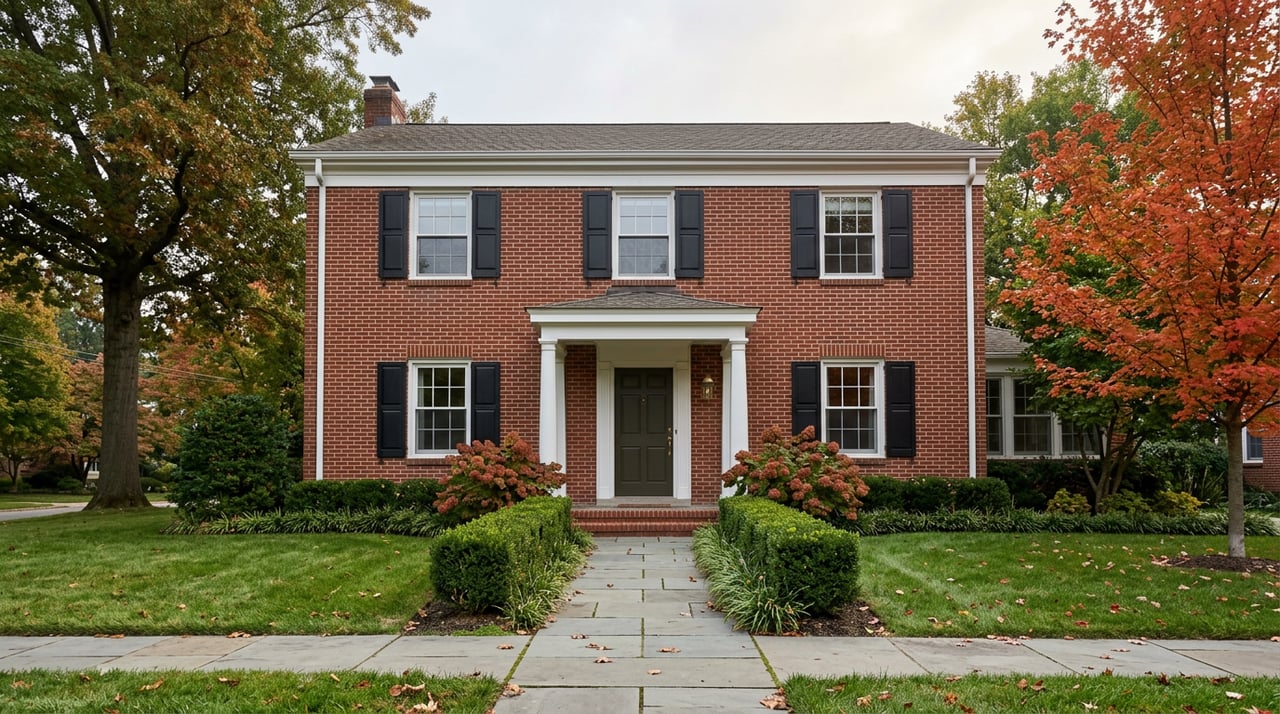
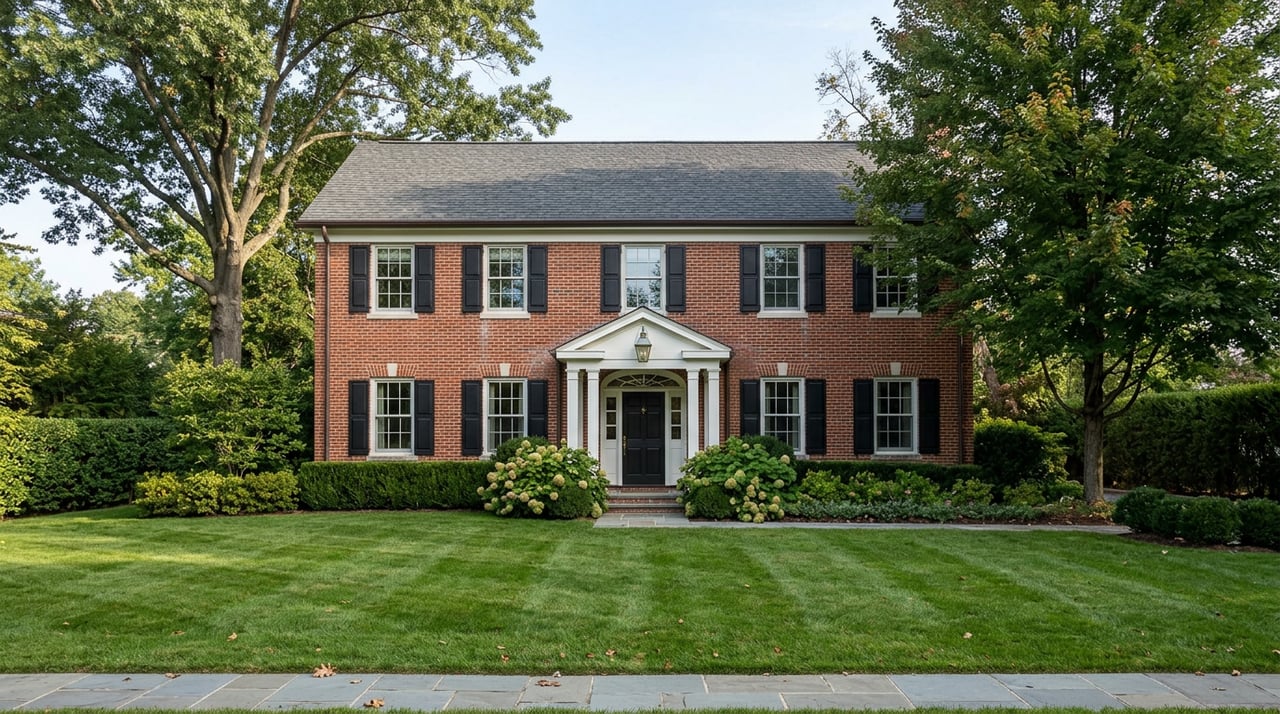
For a beginner, “small rental property” usually means a single-family home, townhome, condo, or a small multi-unit property. In Indianapolis, the best fit often depends on your budget, your comfort with maintenance, and how hands-on you want to be.
A smaller property can be easier to understand than a larger investment. You can usually evaluate rent potential, repair needs, taxes, and vacancy risk with fewer moving parts. That makes it a practical starting point if you want to build experience without taking on a highly complex asset.
Focus on Cash Flow First
One of the biggest mistakes new investors make is assuming appreciation will fix a weak deal. In a balanced market, that is a risky mindset. A better approach is to ask whether the property works as a rental today, using realistic income and expense assumptions.
That means you should look closely at rent, mortgage payment, property taxes, insurance, maintenance, vacancy, and property management if you plan to hire help. If the numbers are too tight before you buy, they usually do not get easier later.
What expenses count
The IRS lists common residential rental expenses such as advertising, cleaning and maintenance, insurance, interest, legal and professional fees, management fees, repairs, taxes, and utilities. If you are looking at a condo or townhome, you should also factor in dues or assessments tied to common-area maintenance.
This is where beginners often underestimate costs. Routine expenses, turnover work, and unexpected repairs can change your returns quickly. Good recordkeeping also matters because operating expenses are not the same as major capital improvements.
Use conservative assumptions
HUD reported an average apartment rent of $1,270 in the fourth quarter of 2024, apartment vacancy of 9.6%, and professionally managed single-family rental vacancy of 3.1% in December 2024. HUD also reported that professionally managed single-family rentals averaged $1.17 per square foot. Those numbers are useful benchmarks, but they are not a shortcut for underwriting your exact property.
A smart beginner approach is to assume modest rent growth, some vacancy, repair reserves, and no appreciation in your baseline math. If appreciation comes later, that is a bonus. It should not be the main reason the deal makes sense.
Understand Entry Prices in Indianapolis
Part of Indianapolis’s appeal is relative affordability compared with many larger metros. HUD reported a 2024 average home price of $329,200 and an average existing-home price of $316,700 in the metro. More recent pricing trackers show lower city-level figures using different methods and time periods.
For example, Zillow’s Indianapolis home values page reported an average home value of $229,209 and a median sale price of $223,883 for February 2026. Because different sources use different methodologies, it is best to treat these numbers as directional rather than identical. The key takeaway is that many first-time investors see Indianapolis as a market where entry costs may be more accessible than in higher-priced regions.
Do Not Misread Property Taxes
Taxes can make or break your rental analysis in Marion County. Indiana’s property tax system includes caps, but you need to understand how they apply. The Indiana Department of Local Government Finance states that property tax caps are 1% for homesteads, 2% for other residential and agricultural property, and 3% for other real and personal property.
That distinction is important because the homestead deduction applies to a principal residence, not an investment property. If you model a rental as though it will receive owner-occupied tax treatment, your projections may be too optimistic. Always underwrite the property as a rental, not as a home you would live in.
Research the Property, Not Just the Zip Code
A common beginner mistake is choosing a property based only on a broad area name or zip code. In reality, rental performance often comes down to parcel-level details. Two homes that look similar online can have very different zoning, flood considerations, or compliance issues.
The IndyGIS mapping hub is especially helpful here. It includes tools for zoning, parcel report cards, stormwater impervious area, PlanIndy, My Neighborhood, and datasets that can help you identify flood zones or historically significant areas. Before you buy, verify what the parcel allows and whether any special conditions could affect your costs or plans.
Why parcel details matter
Your underwriting can change if a property has unusual site conditions, is located in a special review area, or comes with restrictions that affect renovations or use. That is especially important if your strategy includes updates, adding bedrooms where lawful, or changing how the property is occupied.
This kind of due diligence fits well with a practical investment mindset. It is not just about whether a property looks attractive on paper. It is about whether it will be straightforward and cost-effective to own.
Compare Property Types Carefully
Not every small rental behaves the same way in Indianapolis. A single-family home, townhome, condo, and small multifamily property can each have a different risk and maintenance profile. The right choice depends on your financing, goals, and appetite for complexity.
HUD’s data points to one useful distinction. While the broader metro apartment market had a 9.6% vacancy rate in late 2024, professionally managed single-family rentals had a much lower 3.1% vacancy rate. That does not guarantee better performance for every house, but it does suggest that single-family rentals may face different competition than small apartment properties, especially where new multifamily supply has entered the market.
| Property type | Potential advantage | Key caution |
|---|---|---|
| Single-family home | Broad rental demand and familiar layout | Higher repair exposure if one major system fails |
| Townhome | Lower exterior upkeep in some cases | HOA dues can affect returns |
| Condo | Lower maintenance in some buildings | Association rules and fees may limit flexibility |
| Small multifamily | More than one income stream | More operational complexity for a beginner |
Know the Rules Before You Lease
Indiana is not a state where you should guess your way through landlord responsibilities. The Indiana landlord-tenant FAQ notes that the state has relatively few landlord-tenant laws and no state agency that directly regulates complaints, which means legal questions often require professional counsel.
At the same time, compliance still matters. Indiana guidance also makes clear that fair housing requirements apply, and disability-related accommodation or modification requests may need to be considered. If you are new to rentals, it is wise to build your process carefully instead of relying on online shortcuts.
Habitability and deposits matter
Indiana guidance says landlords must deliver premises in safe, clean, and habitable condition and maintain major systems if they are provided with the tenancy. According to IHCDA guidance, security deposit handling is also time-sensitive. Within 45 days after termination, once a tenant provides a forwarding address, the landlord must send an itemized list of deductions and the remaining deposit balance.
That may sound administrative, but it is part of operating professionally. Small errors in notices, maintenance response, or deposit accounting can create bigger problems later.
Short-Term Rentals Are a Separate Strategy
If you are thinking about using a property for short-term rental stays instead of a traditional lease, do not assume the same rules apply. Indianapolis created a short-term rental permit program through its 2024 ordinance package, and Indiana’s county innkeeper’s tax applies to accommodations rented for fewer than 30 days.
You can review the city’s ordinance materials through this Indianapolis proposal document. For beginners, this is an important fork in the road. A buy-and-hold long-term rental and a short-term rental follow different operating and compliance paths.
Build Your Local Support Team
A rental property is not just a purchase. It is an ongoing operation. That is why beginners often benefit from having reliable local professionals in place before closing, especially if the property needs repairs, updates, or active management.
If you plan to hire a property manager or verify a real estate professional, Indiana offers a free PLA Search & Verify tool. That is a smart step before you trust someone with leasing, notices, or tenant communication. Management should be part of due diligence, not an afterthought.
Have a plan for problems
Even strong rentals can have payment issues, disputes, or lease enforcement questions. Indiana courts offer a free Fast-Track Facilitation and Landlord-Tenant Settlement Conference program, which can be a useful resource when problems arise.
You should also know where to find broader housing resources. Official starting points include IndianaHousingNow.org and IHCDA renter and homeowner resources. These do not replace legal advice or a strong lease, but they can help you understand the support landscape.
A Practical Beginner Checklist
Before you buy a small rental property in Indianapolis, make sure you can answer these questions clearly:
- Does the property cash flow using realistic rent and expense assumptions?
- Did you model taxes as a rental, not a homestead?
- Have you reviewed zoning, parcel details, and possible flood or stormwater issues?
- Do you understand the maintenance and reserve needs for this property type?
- If there is an HOA or condo association, have you reviewed the added costs and rules?
- Do you have a plan for leasing, repairs, notices, and deposit handling?
- If you will hire help, have you verified the manager or licensed professional?
- Are you pursuing long-term rental use or short-term rental use, and do you understand the different rules?
Final Thoughts on Small Rentals in Indianapolis
For many beginners, Indianapolis can be a sensible place to explore small rental property ownership. The research supports that case: the metro has a diversified economy, relatively accessible entry points, and real rental demand. At the same time, the market data also points to the need for discipline, because balanced conditions usually reward careful underwriting more than wishful thinking.
If you want to buy well, focus on the basics. Study the parcel, underwrite conservatively, plan for real operating costs, and build the right local support around you. If you want guidance on evaluating a property, renovation scope, or next steps in the Indianapolis area, connect with VIP Home Client LLC for a thoughtful, data-driven conversation.
FAQs
What makes Indianapolis a practical market for beginner rental investors?
- Indianapolis offers relatively accessible entry prices, a diversified regional economy, and measurable rental demand, but beginners still need conservative underwriting and strong due diligence.
What expenses should you include when analyzing a small rental property in Indianapolis?
- You should include mortgage costs, taxes, insurance, maintenance, vacancy, repairs, management, utilities when applicable, and any HOA or condo dues.
Why should Indianapolis rental buyers check parcel-level details before closing?
- Parcel-level research can reveal zoning limits, flood considerations, stormwater issues, and special review factors that may affect costs or future plans.
How are property taxes different for rental property in Marion County?
- Rental property should not be modeled with homestead treatment because the homestead deduction applies to a principal residence, not an investment property.
What should first-time Indianapolis landlords know about security deposits?
- After a tenancy ends and the tenant provides a forwarding address, Indiana guidance requires landlords to send an itemized list of deductions and the remaining deposit balance within 45 days.
Are short-term rentals and long-term rentals regulated the same way in Indianapolis?
- No. Short-term rentals follow a separate permit and compliance path, so you should review city rules and tax requirements before using that strategy.