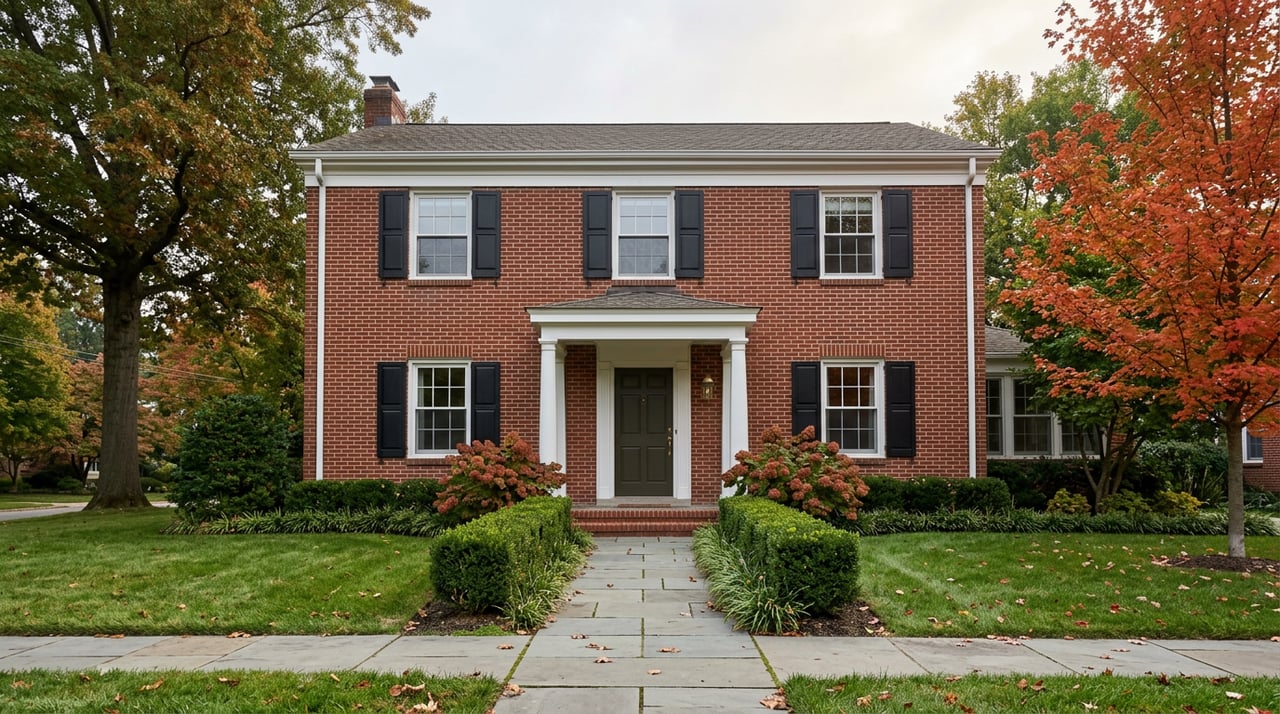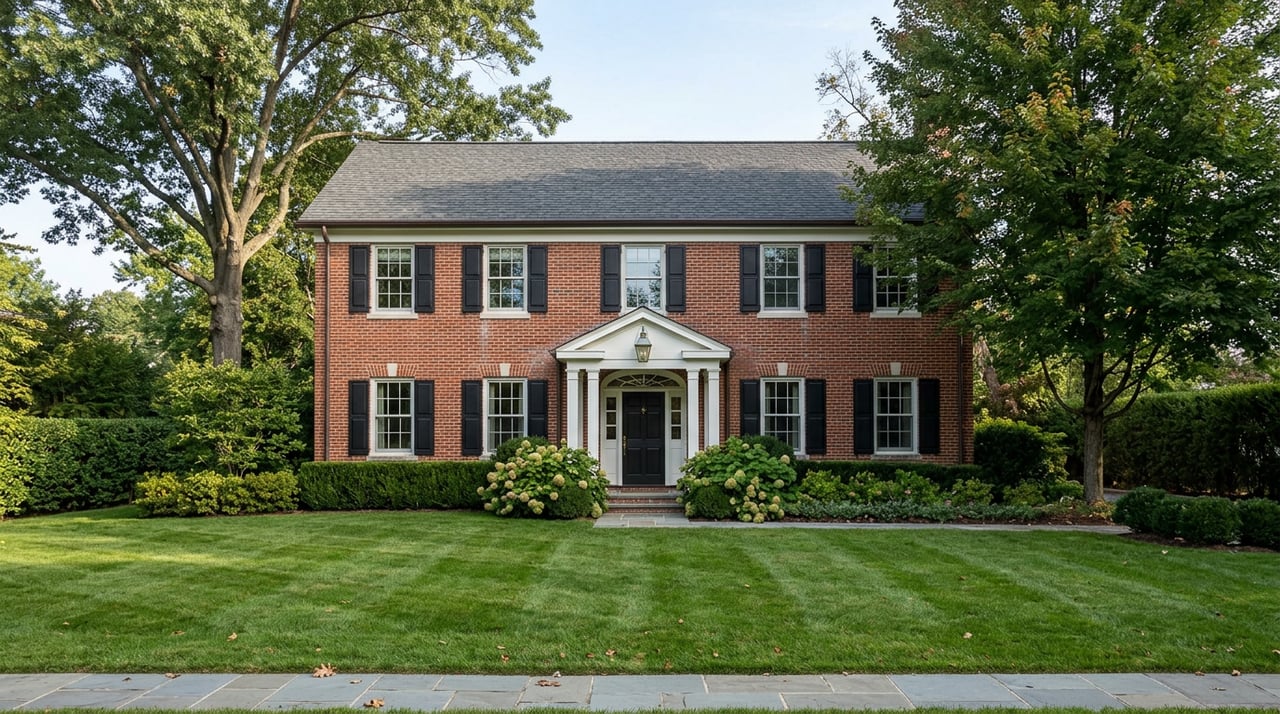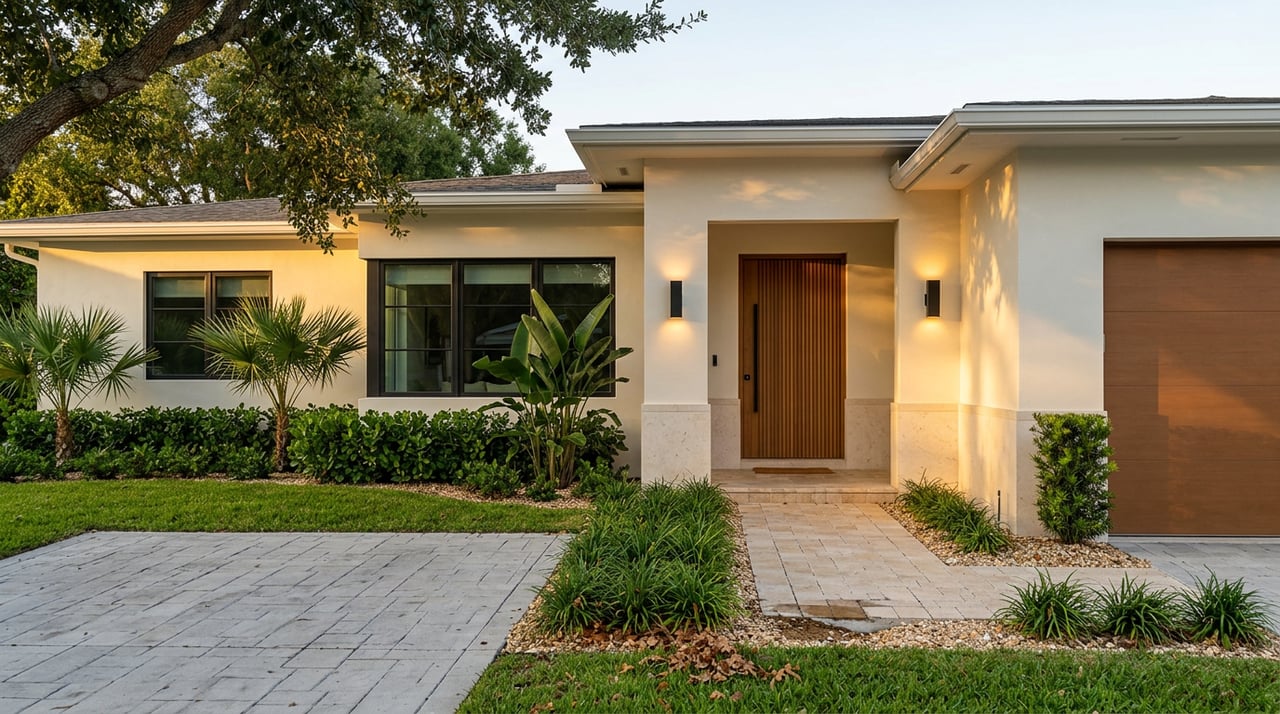
Dreaming of a place where winter break means sunshine and pool time instead of shoveling snow? If you live in Indiana and want a vacation home in the Orlando area, you’re not alone. You want clear answers on neighborhoods, rules, costs, and how to buy from out of state without stress. This guide breaks it down step by step so you can move forward with confidence. Let’s dive in.
Why Orlando works for Indiana buyers
Orlando offers a wide spectrum of properties, from low‑maintenance condos to luxury single‑family homes and resort villas. Recent local reports place Orange County’s median home price in the high $300Ks to low $400Ks in 2025, with big differences by neighborhood and property type. You can review the most current figures in the Orlando Regional REALTOR Association’s monthly report to set expectations before you shop. See the latest numbers in the Orlando REALTORS market report.
From Indiana, you can reach Orlando International Airport in under a half day of travel, which makes short visits and long weekends realistic. That convenience is a major plus if you plan to use the home personally and visit several times a year.
Where to buy in the Orlando area
Choosing the right area starts with your main goal: personal use, occasional vacation rentals, or long‑term value and convenience.
Theme‑park and short‑stay hubs
If easy access to Disney is a top priority, look at communities built for vacationers near the parks. Kissimmee, Lake Buena Vista, Windsor Hills, and parts of Davenport/Champions Gate are known for visitor demand and resort‑style amenities. Some resort communities are designed with short‑term rental operations in mind, which can simplify management if you plan to rent when you are not there.
Residential comfort and convenience
For a quieter, residential feel that is great for personal use, consider Dr. Phillips, Windermere, Winter Park, or Baldwin Park. You will find higher‑end single‑family homes, tree‑lined streets, and local dining and shopping. Short‑term rental rules in these areas often depend on the HOA or condo association, so do not assume rentals are allowed.
Airport and downtown access
If you want an easy commute to the airport or a mix of personal and business use, Downtown Orlando or Lake Nona can be a strong fit. These areas offer access to healthcare, research, and employment centers and may suit buyers who plan to visit frequently without focusing on nightly rentals.
Prices shift fast across all of these submarkets. Track current trends with the local REALTOR report above, and remember that condo, townhome, and single‑family product all price differently.
Short‑term rental rules you must know
Before you count on rental income, confirm the exact rules where the property sits.
- City of Orlando: The city’s Home Sharing program allows owner‑occupied hosting with the owner present. Renting an entire home to short‑term guests without you onsite is generally not allowed under that registration. Whole‑home short‑term rentals are regulated as Commercial Dwelling Units and only in limited zones. Review the city’s requirements on the Orlando Home Sharing page.
- Outside city limits: Rules differ in unincorporated Orange County and nearby cities, and neighboring counties have their own ordinances. Do not assume what is allowed in one area applies across the region. Verify the property’s jurisdiction and zoning before you write an offer.
- HOAs and condos: Many associations limit or ban short‑term rentals. Always review the declaration, bylaws, rental policy, and any recent amendments before you commit. Use a step‑by‑step process like this HOA rental approval checklist during due diligence.
If you plan to host guests, remember that short stays typically trigger state sales and transient taxes plus Orange County’s Tourist Development Tax. Platforms may collect some taxes, but you are still responsible for proper registration and remittance. Read an overview of Florida’s tourist tax layers and registrations in this Tourist Development Tax explainer.
Financing a second home from Indiana
Second homes are financed differently than primary residences. Conventional lenders and the agencies have specific rules for down payments, reserves, and eligibility. Under typical Fannie Mae guidance, second‑home loans often allow up to 90 percent loan‑to‑value in eligible cases, and lenders commonly require reserves measured in months of housing payments. Review the Fannie Mae reserve guidance and talk with your lender early.
If you plan to use projected rental income to qualify, that generally moves the loan into investment‑property territory, which can mean higher rates and larger down payments. Be honest about your intended use and ask your lender to outline both paths so you can choose the right structure.
Closing from out of state
Florida closings are often handled by a title company and can be coordinated remotely. Many buyers sign electronically, but some lenders and title companies still require in‑person or online notarization for certain documents. Ask your lender and title team about their process at the start so your timeline and travel plans match their requirements.
What it really costs to carry
Your carrying costs will vary by address, property type, and association. Build your budget around these core items.
Property taxes
Second homes do not qualify for Florida’s homestead exemption, so model taxes without that reduction. Orange County provides a helpful tool to estimate taxes by parcel. Use the Orange County tax estimator for any property you are considering.
Insurance and flood
Florida homeowners insurance is materially higher than the U.S. average due to hurricane and wind exposure. Budget for higher premiums, a separate wind or hurricane deductible, and flood insurance if the property sits in a FEMA Special Flood Hazard Area. See Florida’s relative cost position in this state insurance summary.
If flood insurance is required by your lender, know that most NFIP policies have a 30‑day waiting period unless coverage is required at loan closing. That timing matters if you are buying near storm season. You can review the waiting period details in the NFIP’s mandatory purchase guidelines.
HOA and condo fees
Condo and resort HOA dues can be a large part of your monthly cost because they may include amenities, reserves, and building insurance for common areas. Ask for the association’s budget, reserves, and any planned assessments. Verify rental rules before you rely on rental income.
Utilities, maintenance, and management
Remote ownership works best with a professional team. Budget for utilities, internet, landscaping, pool care if applicable, routine maintenance, and cleaning. Property management fees vary by service level. Long‑term managers often charge about 8 to 12 percent of collected rent. Full‑service short‑term rental managers typically charge about 15 to 30 percent. See typical ranges in this property management fee overview.
Example budget checklist
Use this as a starting point for a $425,000 vacation townhome. Replace with quotes for your address.
- Principal and interest: lender quote based on rate, loan term, and down payment
- Property taxes: estimate with the Orange County tax tool
- Homeowners insurance: quote includes separate wind/hurricane deductible
- Flood insurance: quote if required by lender or desired by you
- HOA/condo dues: monthly or quarterly per association budget
- Utilities: electric, water, sewer, trash, internet, streaming/security
- Maintenance: landscaping, pool, handyman, appliance service
- Cleaning and supplies: per stay if renting short term
- Management fees: long‑term or STR manager per contract
- Reserves: set aside for roof, HVAC, and major repairs
Renting it when you are not there
If you plan to offset costs with rentals, run conservative numbers. Account for platform fees, cleaning, consumables, local transient taxes, and realistic occupancy for the specific neighborhood and property type. For reliable projections, consider current paid data from market providers or ask a local property manager for comps and occupancy assumptions.
Remember to register for required state and county tax accounts if you host short stays and confirm what your platform collects automatically. Use this Tourist Development Tax guide as a checklist, then verify details for Orange County.
Risk, seasonality, and planning
Atlantic hurricane season runs from June 1 through November 30 each year. As a remote owner, set an emergency plan with your local manager that covers storm prep, shutters, drainage checks, and post‑storm inspections. Many insurers offer wind‑mitigation credits for features like impact windows or roof straps, so ask your insurance agent whether documenting those features could lower your premium.
For flood risk, start insurance conversations during underwriting so coverage is in place by closing if needed. Most NFIP policies have a standard 30‑day waiting period unless required at loan closing.
Your on‑the‑ground team
Buying from Indiana is smooth when you build the right local team. Plan for:
- Florida‑licensed real estate agent with Orlando expertise
- Title company or closing attorney licensed in Florida
- Licensed home inspector who understands Florida roofs, wind, and water issues
- Insurance agent experienced with Florida wind and flood products
- Property manager aligned with your rental plan
- Local trades for routine and emergency maintenance
- CPA and attorney for cross‑state tax and estate questions
The Wilson Team regularly coordinates second‑home purchases between Indiana and the Orlando area, including introductions to vetted inspectors, title, insurance, and property managers. If you want a single point of contact to quarterback the process, we are here to help.
Next steps checklist
- Pre‑offer
- Get pre‑approved for a second‑home loan; ask about reserve requirements using Fannie Mae’s reserves guidance.
- Confirm city limits vs. county location and zoning. Review Orlando’s Home Sharing rules if inside city limits.
- Pull HOA/condo docs and rental policy history using a process like this HOA rental checklist.
- Model property taxes with the Orange County estimator.
- Offer to contract
- Include inspection contingencies for roof, wind/water intrusion, and HVAC.
- Add an HOA/condo document review contingency.
- If rental income matters, request prior rental history or manager projections.
- Pre‑closing
- Secure quotes for homeowners, wind, and flood insurance. Use this Florida insurance summary to frame questions.
- Confirm state and county tax registrations if hosting short‑term stays using this tourist tax overview.
- Set up property management, cleaning, and keyless access.
- Post‑closing
- Complete any required registrations or permits before hosting guests.
- Post permit or account numbers on listings if required.
- Build an annual maintenance and wind‑mitigation checklist.
Ready to map your path from Indiana to Orlando with a trusted, cross‑market partner? Let’s coordinate lending, inspections, insurance, and a smooth remote closing on your timeline. Connect with VIP Home Client LLC to start your plan.
FAQs
Can I buy in Orlando while living in Indiana?
- Yes, nonresidents can buy Florida property; focus on second‑home financing, insurance quotes, and a local team to simplify remote closing.
Can I rent my Orlando home on Airbnb or VRBO?
- Sometimes; it depends on city or county rules and your HOA or condo documents, and inside city limits the Orlando Home Sharing rules require owner presence in most cases.
Do I pay Florida income tax on rental income?
- Florida has no state personal income tax, but rental income is taxable federally; confirm all filings with your CPA and see this Florida income tax overview.
How much should I budget for insurance, HOA, and taxes?
- Use the Orange County tax estimator for taxes, note Florida premiums are higher than average per this insurance summary, and HOA dues vary by community and services.
Do I need flood insurance and when should I get it?
- If the property is in a Special Flood Hazard Area your lender will require it, and most NFIP policies have a 30‑day waiting period unless required at loan closing; see the NFIP guidelines.