Torn between a low‑maintenance condo in Downtown Indianapolis and more space in Carmel, Fishers, or Westfield? You are not alone. Each choice offers real tradeoffs in price, lifestyle, commute, and long‑term value. This guide breaks down the key differences so you can choose confidently. Let’s dive in.
Price anchors in early 2026
Median sale prices offer a quick snapshot of what your budget buys right now. Recent snapshots show:
- Carmel single‑family: about $662,500.
- Fishers single‑family: about $429,000.
- Westfield single‑family: about $456,250.
- Downtown Indianapolis core: about $373,000.
- Indianapolis citywide, all types: about $225,000.
Downtown condo buildings often carry a higher price per square foot, with fewer total transactions than suburban single‑family. Many downtown condos also show longer days on market, which is a resale liquidity consideration. A recent downtown condo report notes building‑by‑building variation in owner occupancy and a high share of cash transactions, both of which can shape financing options and future buyer demand.
Lifestyle tradeoffs
Walkability and errands
If you want to step outside and grab dinner, coffee, or a workout, downtown’s walkable blocks can be a major plus. Many core addresses earn strong Walk Scores, making daily errands more convenient for car‑light living. You can browse venues and happenings via local calendars like IndySlate’s event listings, and general Walk Score references show a sharp contrast between downtown addresses and many outlying neighborhoods across Indiana (Walk Score Indiana).
Amenities and culture
Urban living puts you close to restaurants, theaters, Monument Circle, the Cultural Trail, and convention center events. Short trips are simpler and parking is predictable once you learn your building’s routine. In the north suburbs, amenities are strong but more spread out, so most outings are short drives rather than walks. Think arts districts, parks, and trail systems that shine for weekend plans and youth activities.
Schools and planning ahead
If public schools factor into your decision, the north suburbs draw steady demand for their well‑known, highly rated districts. School quality perceptions often correlate with higher suburban price anchors and strong resale interest. Always verify the exact attendance boundary for a specific address directly with the district.
Space, privacy, and rules
- Condos: Lower exterior maintenance, limited private outdoor space, and building rules that help manage shared living. Good fit if you want lock‑and‑leave convenience and proximity.
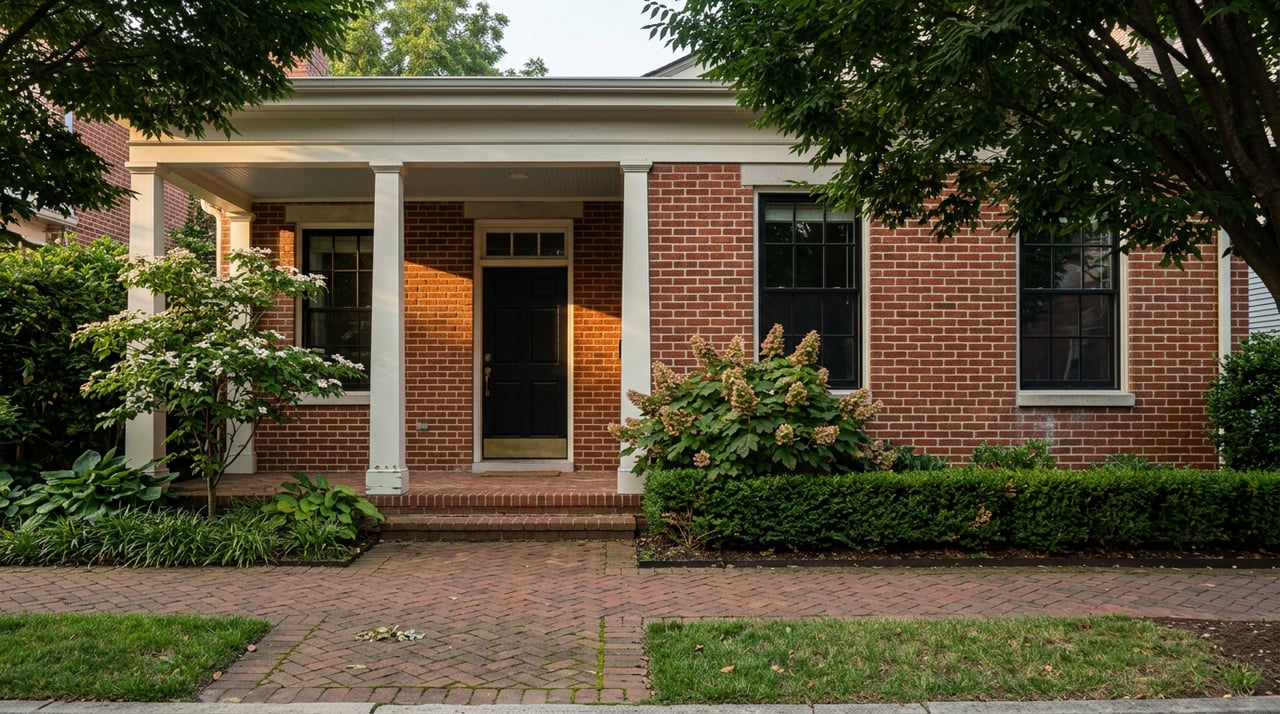
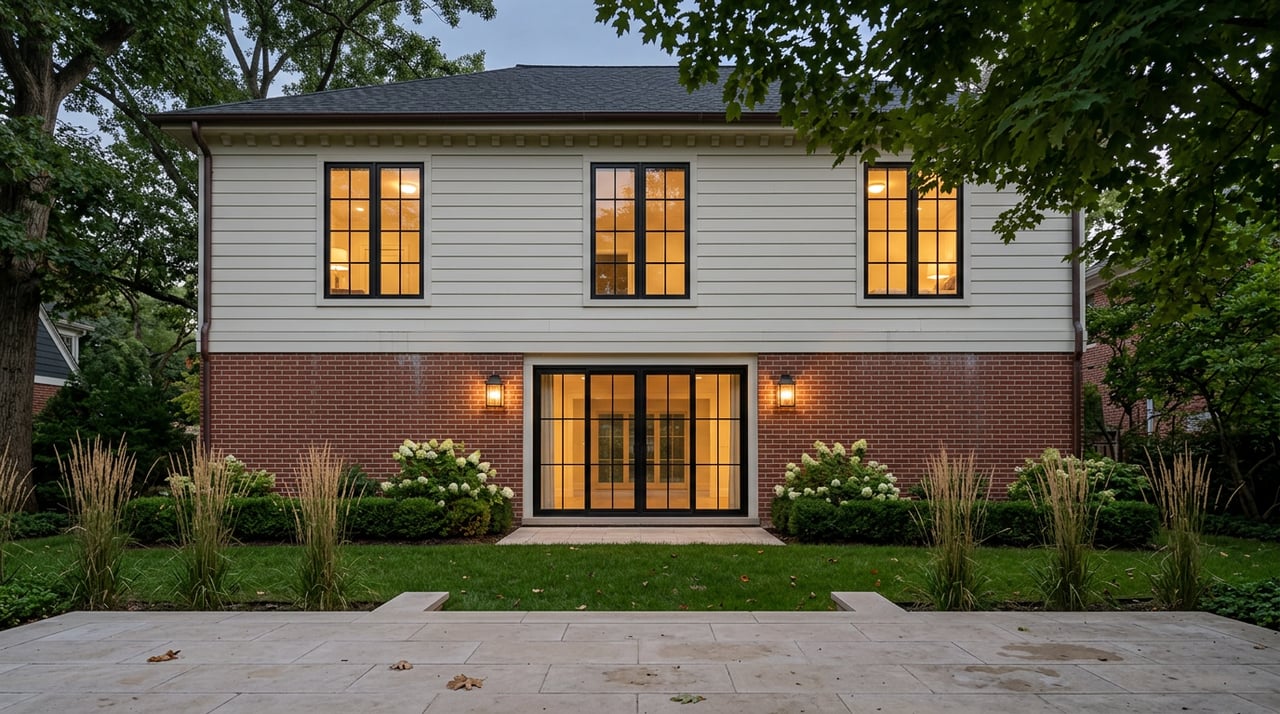
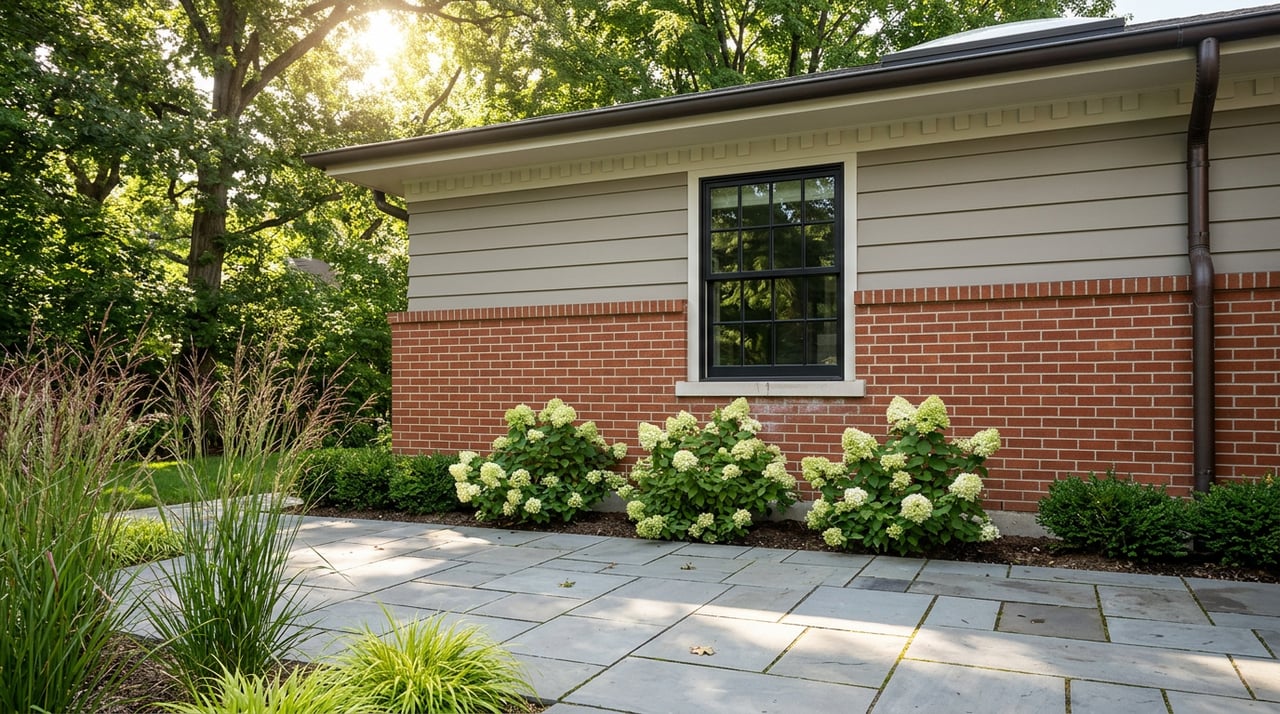
- Suburbs: More square footage, garages, and yards that work well for pets and hobbies. You manage full exterior maintenance and landscaping on your timeline.
Commutes and transit
Typical off‑peak driving estimates to Downtown Indianapolis vary by origin:
- Carmel to Downtown: about 23 miles and 29 minutes on a representative route, with longer times in rush hour (Carmel route example).
- Fishers to Downtown: roughly 15 to 17 miles and about 25 to 40 minutes depending on traffic (Fishers distance example).
- Westfield to Downtown: about 31 miles and 35 minutes off‑peak, with added time at peak periods (Westfield route example).
Public transit in Marion County is provided by IndyGo, including expanding bus rapid transit corridors. Regional point‑to‑point service from most north‑suburban neighborhoods to downtown is limited, so many suburban commuters drive. You can explore current routes and plans on the IndyGo system map.
Costs, fees, and maintenance
HOA fees and what they cover
Many downtown condo associations start in the low hundreds per month for mid‑market buildings, with higher fees in amenity‑rich towers. What you are paying for matters: exterior maintenance, common‑area insurance, amenities, reserves, and on‑site management. Review building budgets and reserve studies to understand the value and risk of special assessments.
Maintenance tradeoffs
- Condos: The association manages exterior items, which reduces your weekend maintenance. You are still exposed to HOA rules, board decisions, and potential assessments.
- Single‑family: You control vendors, timing, and materials for roofs, siding, landscaping, and systems. Annual costs vary with home age and scope of projects.
Insurance and financing
Condo buyers typically carry HO‑6 coverage for interiors and personal property, while the association maintains a master policy for common elements. Financing can be more project‑specific than for single‑family homes, and some buildings show higher shares of cash transactions or restrictions that narrow the buyer pool. A recent downtown report highlights how owner‑occupancy levels and project approvals can influence financing and resale dynamics (Downtown condo market report).
Taxes and effective cost
Total cost of ownership is not just the rate on paper. Suburban homes often have higher assessed values, so the absolute annual tax bill can be larger even if effective rates are comparable. For a state‑level view of tax competitiveness and methodology, see the Tax Foundation’s analysis, then confirm parcel‑level estimates with the county assessor.
Resale and liquidity signals
Downtown condos can take longer to sell and show more variability by building, especially where investor share is higher or financing is limited. Building‑level data on days on market, cash sales, and owner‑occupancy is essential for pricing and timing. In contrast, move‑in ready single‑family homes in top north‑suburban areas typically draw a broader buyer pool and consistent demand across market cycles. For any address, the best guide is current months of inventory and recent comps at the micro‑neighborhood or building level (downtown report for context).
Which option fits your goals?
Choose an urban condo if you:
- Want walkable access to dining, culture, and events.
- Prefer low exterior maintenance and a simpler lock‑and‑leave setup.
- Have a downtown‑centered routine and want to minimize daily driving.
Choose a north‑suburban home if you:
- Need more interior square footage, garage capacity, and a yard.
- Prioritize public school options that draw steady buyer demand.
- Are comfortable with a commute and full responsibility for exterior upkeep.
Quick decision checklist
- Verify current medians and price bands for the exact building or ZIP using fresh local MLS data. Small pockets vary.
- Review HOA documents for master insurance, reserves, recent or pending special assessments, litigation, and rental restrictions.
- Confirm the precise public school attendance boundary for the property address with the district.
- Test your commute at your real drive times and routes, and compare against published distance anchors for a sanity check.
- Pull building‑level condo sales history to gauge liquidity: days on market, sale‑to‑list trends, and share of cash transactions.
Ready to compare addresses the smart way?
You deserve advice that blends head and heart. Our team pairs appraisal‑grade pricing, professional staging, and contractor‑level insight to help you weigh cost, lifestyle, and long‑term value in Carmel, Fishers, Westfield, and downtown Indianapolis. If you are deciding between an urban condo and a suburban home, let’s map the numbers, tour the right options, and build a plan tailored to you. Start the conversation with VIP Home Client LLC.
FAQs
What is the price gap between downtown condos and north suburbs in Indianapolis?
- Recent snapshots show downtown around $373,000 while Carmel, Fishers, and Westfield single‑family medians cluster near $662,500, $429,000, and $456,250 respectively.
How do HOA fees affect a downtown condo budget?
- Many buildings start in the low hundreds per month and can be higher with extensive amenities, so weigh inclusions, reserves, and potential assessments against your monthly budget.
How long is the commute from Carmel, Fishers, or Westfield to Downtown Indy?
- Off‑peak anchors are about 29 minutes from Carmel, 25 to 40 minutes from Fishers, and 35 minutes from Westfield, with peak hours adding time (Carmel, Fishers, Westfield).
Is public transit a realistic alternative to driving from the suburbs?
- IndyGo provides Marion County service and BRT lines, but direct regional service from many north‑suburban neighborhoods is limited, so most commuters drive (IndyGo system map).
Are downtown Indianapolis condos harder to finance or resell than houses?
- Financing can be more building‑specific and some projects see higher cash shares, which can narrow buyer pools and slow resale in certain buildings (downtown condo report).
How does walkability compare between downtown Indy and the north suburbs?
- Downtown addresses often earn higher Walk Scores with many errands doable on foot, while most north‑suburban neighborhoods are car‑dependent outside of town‑center pockets (Walk Score Indiana, IndySlate events).