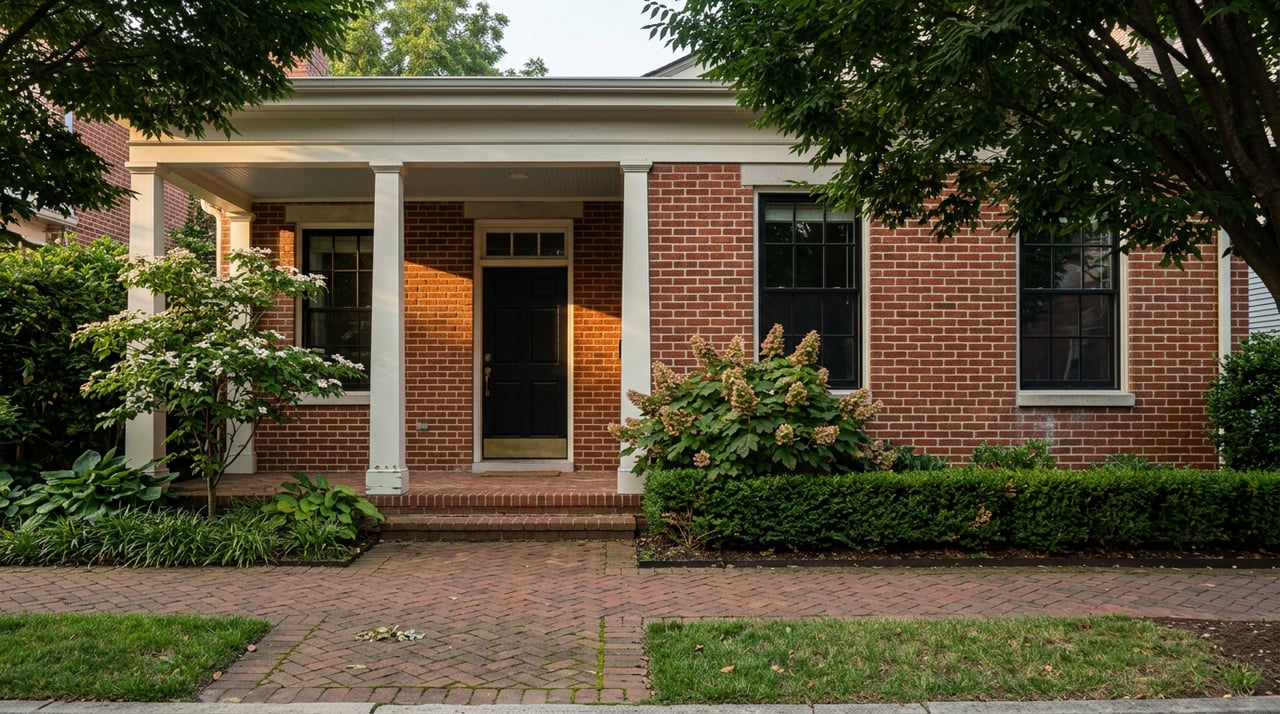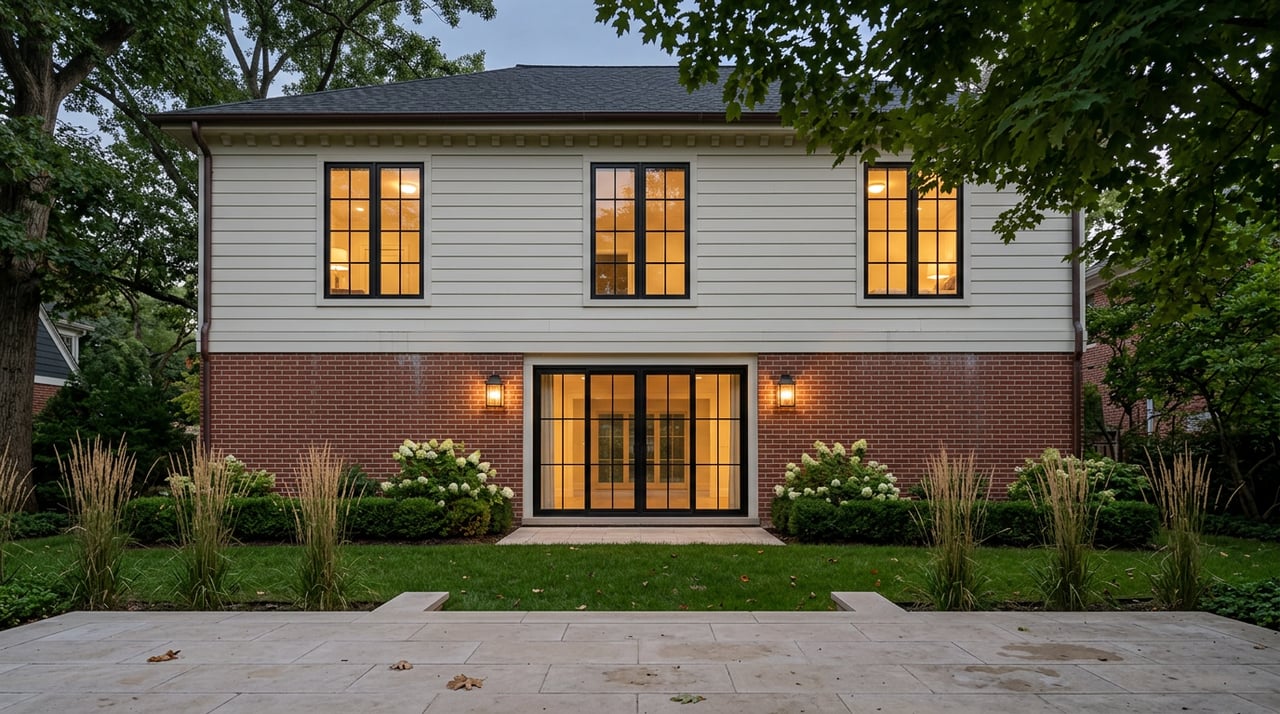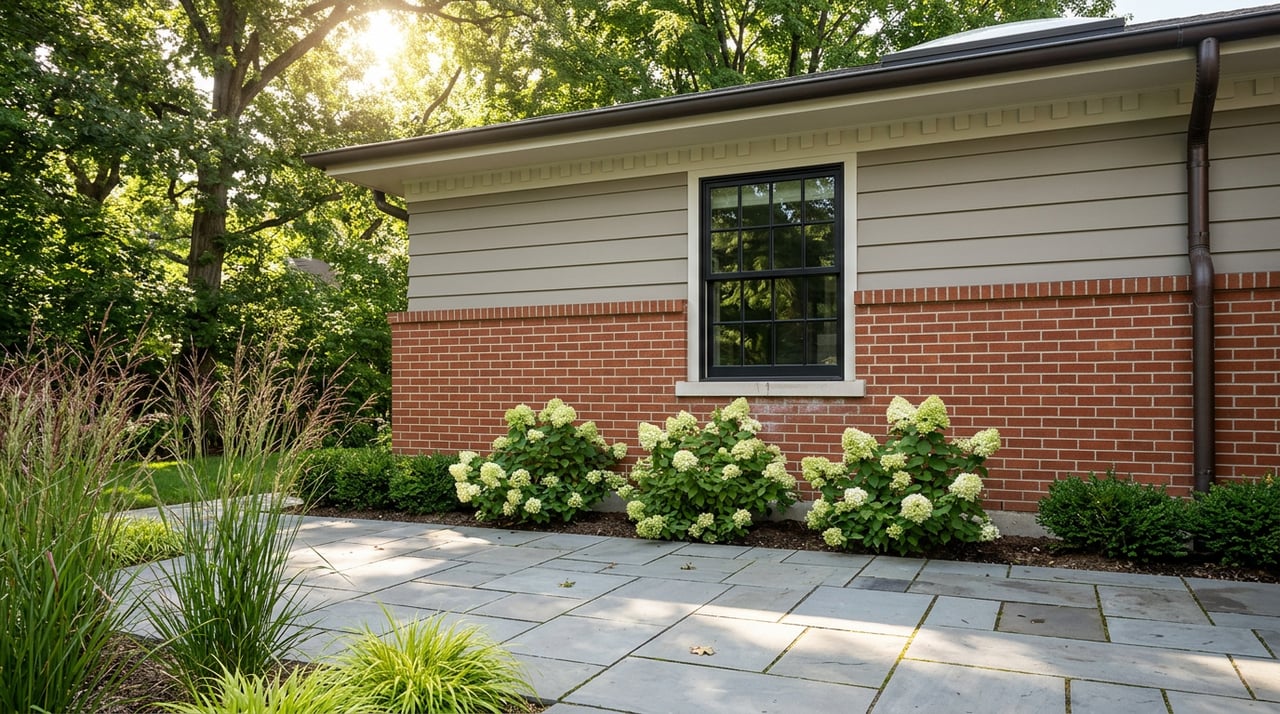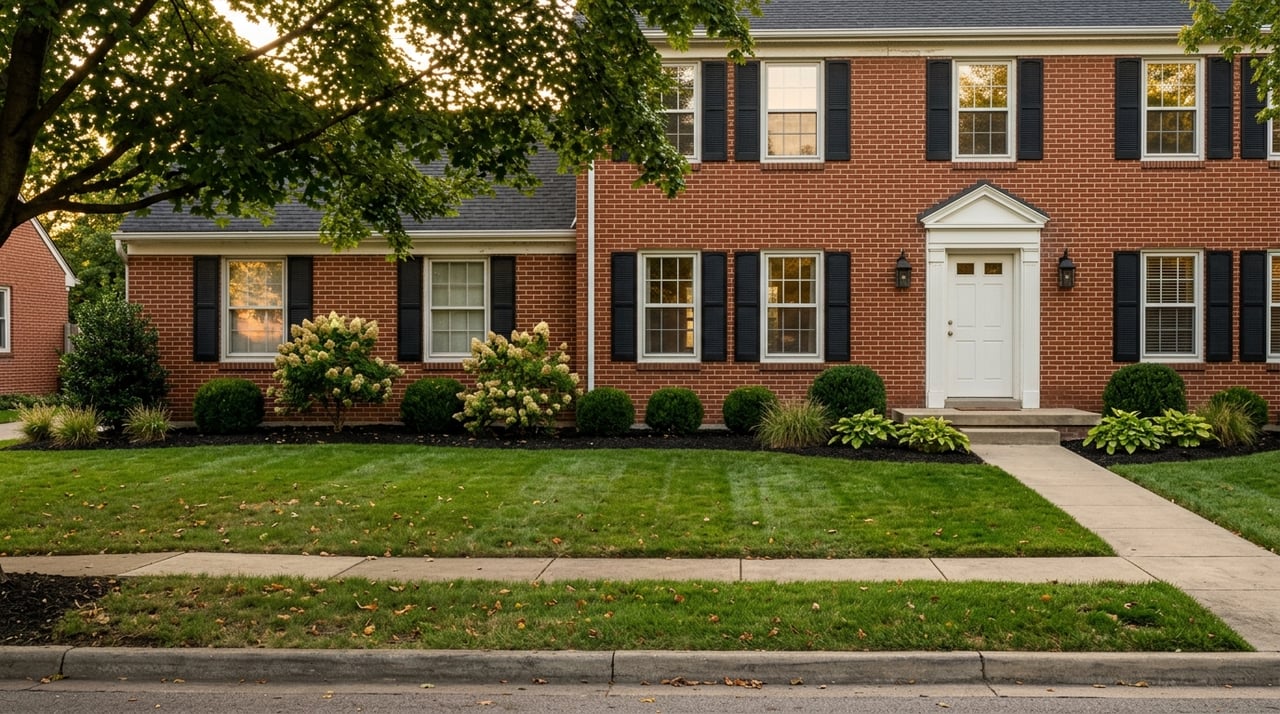
Is your Carmel home better off getting a facelift before it hits the market, or should you price it right and sell as is? With buyers here often comparing turnkey homes at higher price points, the choice can feel high stakes. You want clarity on what actually pays off, what lenders will flag, and how to protect your bottom line.
This guide gives you a simple, Carmel-specific framework to decide. You’ll learn which projects tend to return more than they cost, when financing rules force repairs, how to run the net-proceeds math, and what to permit locally. Let’s dive in.
Carmel buyer expectations and price context
Carmel sits in a higher price tier than much of Indiana, and its households are more affluent and well educated. Those factors tend to produce buyers who prefer move-in-ready homes with fewer immediate projects. Demographic and economic data confirm this profile for the city. You can review an overview of local income and ownership trends on Census Reporter for Carmel to understand the demand backdrop.
- Buyers here often compare your home to refreshed listings with clean curb appeal and updated kitchens and baths.
- At mid-to-upper price points, you should assume stronger preferences for contemporary finishes and low perceived maintenance.
- National surveys also show buyers favor homes that do not need major work, and that interior updates and staging can speed sales and lift offers. See the National Association of Realtors for buyer and seller trend insights.
The takeaway: if your home competes at the heart of the Carmel market, condition and presentation usually matter. That does not mean you must do a gut renovation. It means you should be strategic.
How condition affects appraisals and loans
Before you choose projects, know how lenders and appraisers read property condition. This affects who can finance your home and how fast you close.
UAD condition ratings (C1–C6)
Appraisers use standardized ratings from C1 to C6. In most cases, properties rated C1 through C4 are marketable to conventional investors, while C5 or C6 can cause loan eligibility problems unless repairs are completed and verified. If an appraiser or inspector finds material defects, you may need to fix them, adjust price, or target cash or alternate financing. Review Fannie Mae’s guidance on condition ratings and requirements.
FHA and VA minimum standards
Government-backed loans require homes to meet safety, soundness, and security standards. FHA appraisals can require repairs for items like roof leaks, major electrical hazards, or significant water intrusion before approval. You can read FHA’s minimum property requirement resources from HUD for examples of flagged conditions.
Practical takeaways
- Safety, structural, or mechanical issues often must be repaired, or they will slow the sale and shrink your buyer pool.
- Cosmetic issues usually do not trigger lender-required repairs, but they can still impact value and time on market.
- If you expect FHA or VA buyers in your pool, plan for their standards early to avoid delays at appraisal.
Projects that usually pay off in Carmel
Your best baseline is the Remodeling Cost vs. Value report. It tracks typical job costs and resale value by project type. Use it to rank options, then verify with local comps and bids.
High-impact, cost-efficient upgrades
- Garage door replacement. Consistently one of the top ROI projects, with national data showing outsized resale value relative to cost. See the latest results on Cost vs Value.
- Entry (steel) door replacement. Small project, big curb-appeal moment. Strong recoup potential.
- Minor kitchen remodel (midrange). Targeted updates like cabinet refacing, counters, appliances, lighting, and hardware often recoup about their cost or better in national averages.
- Siding repairs or fiber-cement siding. Exterior improvements that refresh the perceived age and care of the home tend to support stronger offers.
- Midrange bath remodels. Solid contributors, though usually not as powerful as small exterior fixes.
Low-cost, high-return presentation moves
- Fresh neutral paint, deep clean, declutter, lighting and hardware swaps, pressure wash, new mulch, and carpet replacement or floor refinishing.
- Professional staging of main living areas and the primary bedroom. The National Association of Realtors reports that staging reduces time on market and can increase final offers. See NAR’s recent staging report for details.
Local cost signals to ground your budget
Carmel bids vary by scope and finish, but local estimates typically place bathroom remodels around $8,000 to $30,000 and midrange kitchens in the $20,000 to $80,000 range. Always secure two to three bids. You can scan local cost examples as a reference point before you request quotes.
A six-step decision framework for Carmel sellers
Use this step-by-step plan to run quick break-even checks before you commit to any project.
Step A: Diagnose first
Order a pre-listing home inspection to surface safety and structural items early. Consider a sewer scope and termite inspection where applicable. Then ask your agent for a condition-aware CMA to see how turnkey homes near you are priced. Here is a helpful primer on what an inspection covers.
Step B: Triage into three buckets
Mandatory, must-fix items. These are safety or financing blockers such as active leaks, significant electrical hazards, structural issues, or nonfunctioning mechanicals. FHA resources outline examples of items that often require repair.
High-ROI, modest-cost items. Consider projects like a garage door, entry door, minor kitchen refresh, light exterior improvements, and staging. Use Cost vs Value data to estimate a resale bump.
Low-ROI or preference-heavy items. Think full luxury kitchen overhauls, specialty additions, and trend-specific finishes that may not shift your comparable set. Skip or scale these unless they clearly change your price band.
Step C: Get real numbers
- Collect two to three contractor bids with permit, material, labor, and contingency included.
- Ask for a CMA that separates comps by condition so you can model the likely after-renovation price band.
- Confirm permit needs and timing with the City of Carmel. You can check the online permit forms and submittal process here and the city’s broader apply page here.
Step D: Run the net-proceeds math
Compare your likely net if you renovate versus your net if you sell as is.
NetAfterRenovation = (ListPrice_after - SalesCosts_after)
                     - (RenovationCost + CarryingCosts + UpfrontPrepCosts)

NetAsIs = (ListPrice_before - SalesCosts_before) - (UpfrontPrepCosts)

RenovationPayback = NetAfterRenovation - NetAsIs
If RenovationPayback is positive by a margin you value, and the timeline and risk are acceptable, proceed. Otherwise, choose limited fixes and staging or sell as is.
Illustrative example: In a market where typical home values sit in the mid-$500,000s, even a minor kitchen refresh that nationally recoups around 100 percent on paper can net far less after you add extra commission on a higher price, months of carrying costs, and project overhead. This is why your CMA and bids matter more than averages.
Step E: Pick your strategy
- Renovate, then list. Best when you have time, a clear path into a stronger comparable set, and positive RenovationPayback. Use licensed contractors and pull permits through the city portal.
- Price for condition and sell as is. Best when renovations will not change your comp set enough, your timeline is tight, or you prefer to avoid construction management. Consider offering a closing credit for dated but functional items to widen your buyer pool.
- Sell to an investor or cash buyer. Useful if major issues or timing constraints make traditional listing impractical. Expect a meaningful discount in exchange for certainty and speed. Note that Carmel’s rental registration rules may affect investor demand in some areas. Local coverage explains the policy context.
Step F: Execute with a clear checklist
- Order a pre-listing inspection and get a prioritized repair estimate. Start with life-safety and water-intrusion risks.
- Request a condition-savvy CMA that separates turnkey versus needs-work comps.
- Gather two to three bids for your top projects, including permits and a realistic timeline. Use the online city forms to verify requirements.
- Run the net math using the formula above. Include renovation cost, expected resale uplift from comps, extra commission on a higher sale price, carrying costs per month, and staging or prep costs.
- Decide on a plan: fix mandatory items first, complete one to two high-ROI projects plus staging, or list as is with clear disclosures and pricing that sets expectations.
Carmel permits and disclosures to know
Many remodels in Carmel require permits and inspections, including electrical, plumbing, roofing, structural changes, mechanical system replacements, and some exterior work. Pulling the correct permits helps you avoid rework at inspection or appraisal and can speed lender approval. Check requirements and submit online through the city’s permit forms and application center.
If you consider selling to an investor or as a future rental yourself, be aware of Carmel’s rental registration and permitting rules. Local reporting outlines how the ordinance may shape investor activity and compliance.
Quick triage checklist for most Carmel sellers
- Immediate fixes before listing: roof leaks, active water intrusion or mold remediation, nonfunctioning HVAC in extreme weather, exposed or faulty wiring, missing handrails where a fall hazard exists, and known structural issues. These can block financing or turn away buyers.
- High-ROI moves to prioritize: garage door replacement, fresh exterior cleaning and touch-ups, new entry door, targeted kitchen refresh, basic landscaping, and professional staging of key rooms.
- Only if time and budget allow: full kitchen guts, luxury bath additions, or major expansions. These may be better for enjoyment than short-term resale unless they clearly move you into a higher comparable tier.
How The Wilson Team reduces guesswork
You should not have to gamble with five-figure decisions. The Wilson Team pairs appraisal-grade valuation with contractor-informed planning so you see your likely net before you swing a hammer.
- Accurate pricing. Appraisal and CMA precision helps you avoid underpricing as is or overinvesting in upgrades.
- Construction insight. In-house access to vetted trades means realistic scopes, permit guidance, and timelines.
- Premium presentation. Professional staging and marketing help your home compete with Carmel’s turnkey inventory.
Bring these to your consult: your latest utility bills, any prior inspection reports, recent tax or assessment documents, HOA rules, and photos of concern areas. With that, you can get a fast pre-list estimate, a condition-aware CMA, and a clear move-forward plan.
Ready to map the highest net path for your Carmel sale? Connect with the team that blends valuation accuracy, polished marketing, and construction know-how. Start with an easy consultation through VIP Home Client LLC.
FAQs
What does “selling as is” mean in Carmel?
- It means you will not complete repairs before closing, but you still must disclose known material defects. Buyers may still inspect and can negotiate price or credits based on findings.
Which repairs can block FHA or VA loans in this area?
- Common examples include active roof leaks, major electrical hazards, significant water intrusion, unsafe stairs or decks, and nonfunctioning essential systems. FHA’s resources explain minimum property requirements.
What pre-list projects usually deliver the best ROI in Carmel?
- Small, visible exterior upgrades like a new garage door or entry door, plus a minor kitchen refresh and professional staging, often lead the pack based on Cost vs Value and NAR staging data.
How do I estimate if a remodel is worth it before listing?
- Use the net-proceeds formula in this guide. Get two to three contractor bids, a CMA that separates turnkey versus needs-work comps, then compare NetAfterRenovation to NetAsIs.
Do I need permits for my upgrades in Carmel?
- Many projects do, including electrical, plumbing, mechanical system replacements, roofing, and structural changes. Confirm requirements and submit online through the city’s permit portal and application center.
How long should I expect a minor refresh to take before listing?
- Timelines vary by contractor availability and permit needs, but small exterior swaps and cosmetic interior updates can often be planned within a few weeks. Build in time for bids, materials, and any required inspections.