Torn between Zionsville’s charming brick Main Street and the shine of a newer neighborhood? You’re not alone. Each option offers a distinct lifestyle, from morning coffee walks to club amenities and larger lots. In this guide, you’ll quickly compare day-to-day living, home styles, maintenance, commute times, and price patterns so you can choose with confidence. Let’s dive in.
Village life: walkable and vibrant
Living near Zionsville’s brick-paved Main Street means you can stroll to coffee, dinner, and local events without getting in the car. The small-town core is active and truly pedestrian friendly, with shops, dining, seasonal markets, and a strong sense of place supported by local groups like Main Street Zionsville.
Walk Score data shows a clear difference. Addresses around Main Street often land in the Very Walkable range, where most errands are possible on foot. You can see the pattern on the Zionsville Walk Score overview.
If you value quick errands and community energy on your doorstep, the Village checks that box. Expect smaller lots, a mix of historic and updated homes, and an easy rhythm for daily life.
Newer neighborhoods: space and amenities
Most newer subdivisions around town are designed for car convenience. You’ll find sidewalks and trails within the neighborhood, but everyday retail is usually a short drive away. A representative suburban address often falls in the Car-Dependent range on Walk Score, as shown by examples like Hal Sharpe Rd in 46077.
The tradeoff is space and modern comforts. Newer construction typically delivers open layouts, larger primary suites, energy-efficient systems, and community perks such as pools, trails, or golf. High-end enclaves and builder offerings highlight design standards and lot opportunities, like those shown by local builders on their available lots pages.
Homes, styles, and lots
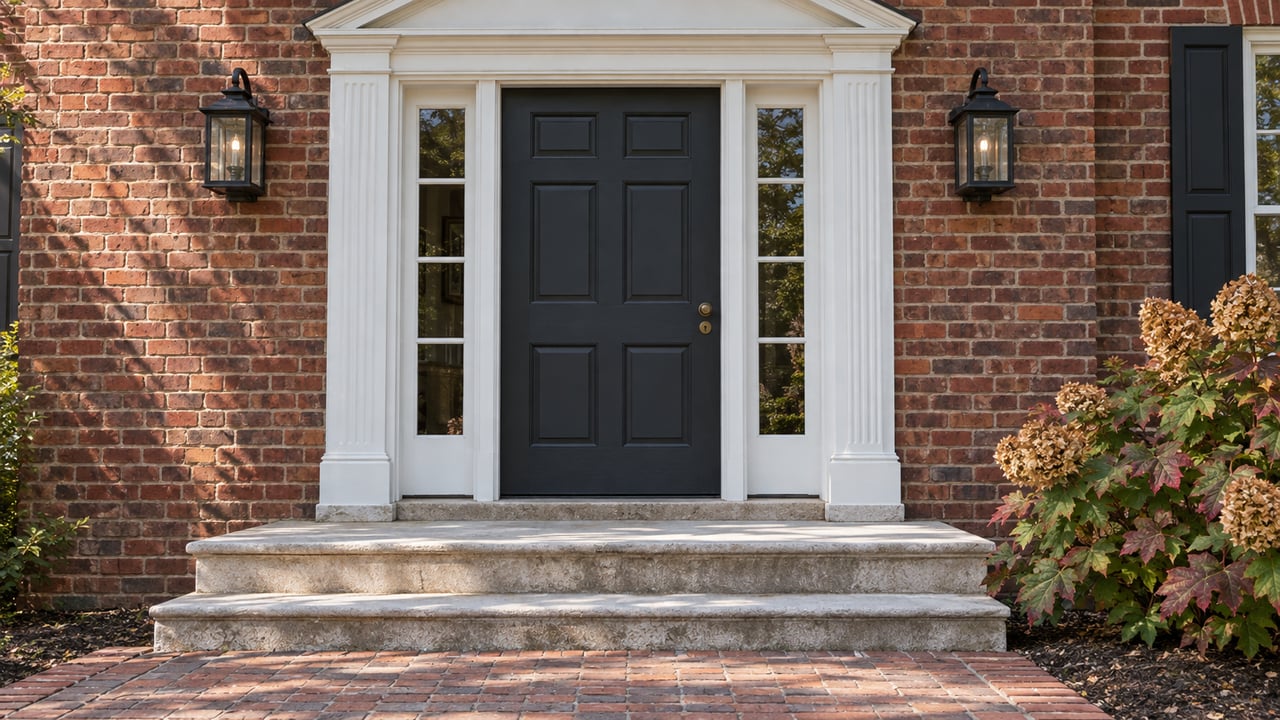
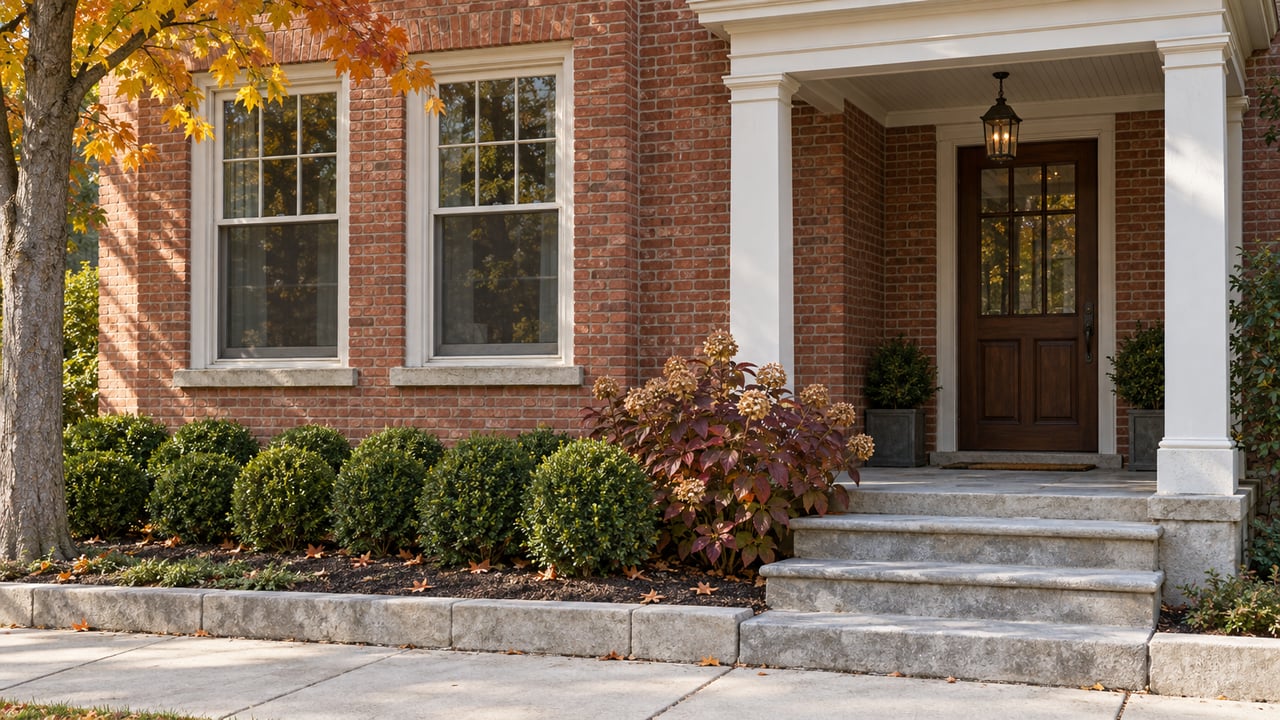
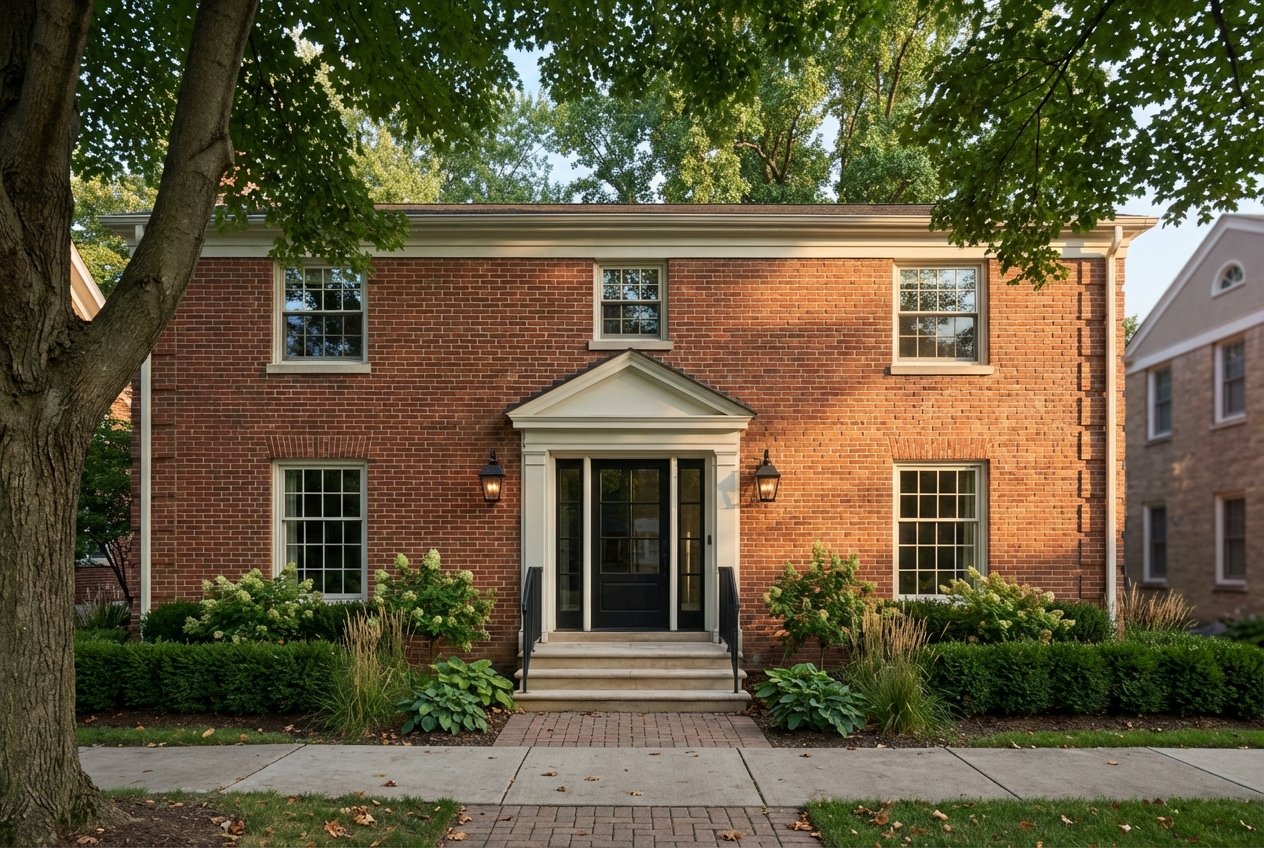
In the Village, many commercial buildings and homes trace their roots to the late 19th and early 20th centuries. The town even recognizes 100-plus-year structures through a Century Structure program. You’ll see Victorian, Colonial, and Craftsman details, leafy streets, and varied footprints. Lots tend to be smaller than in outlying subdivisions, though you will also find mid-century and infill builds from the 1990s to recent years.
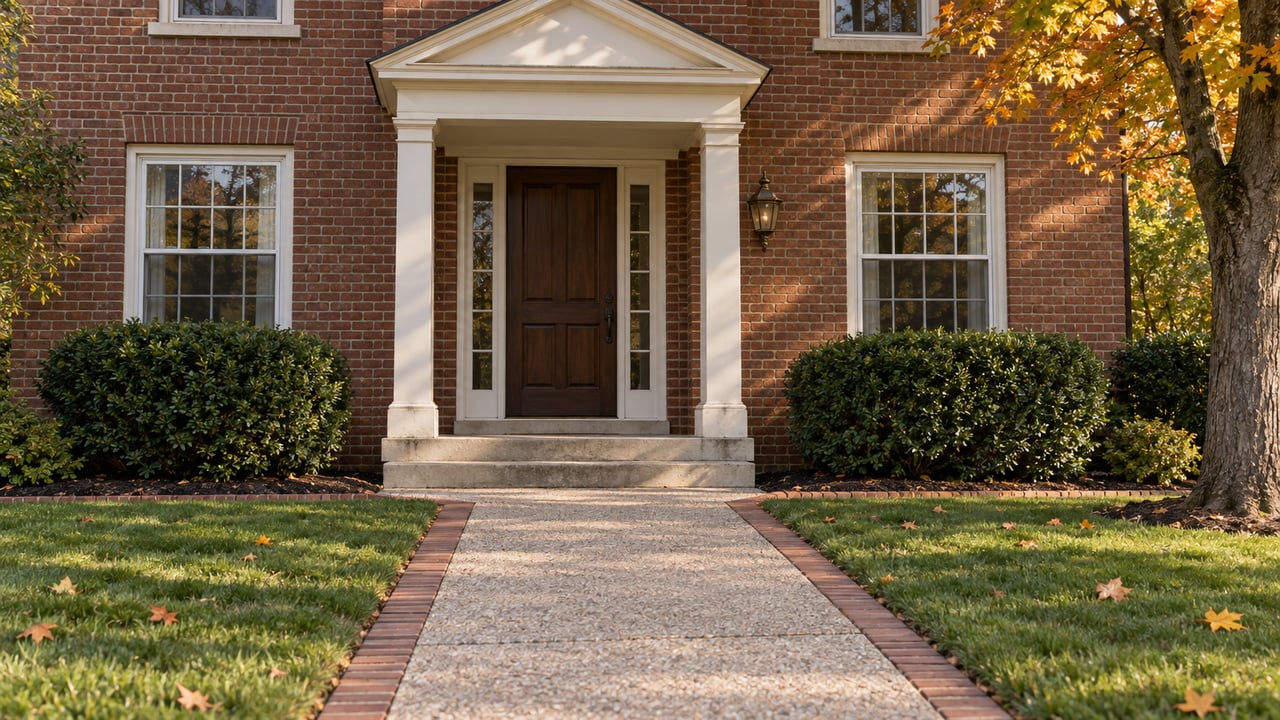
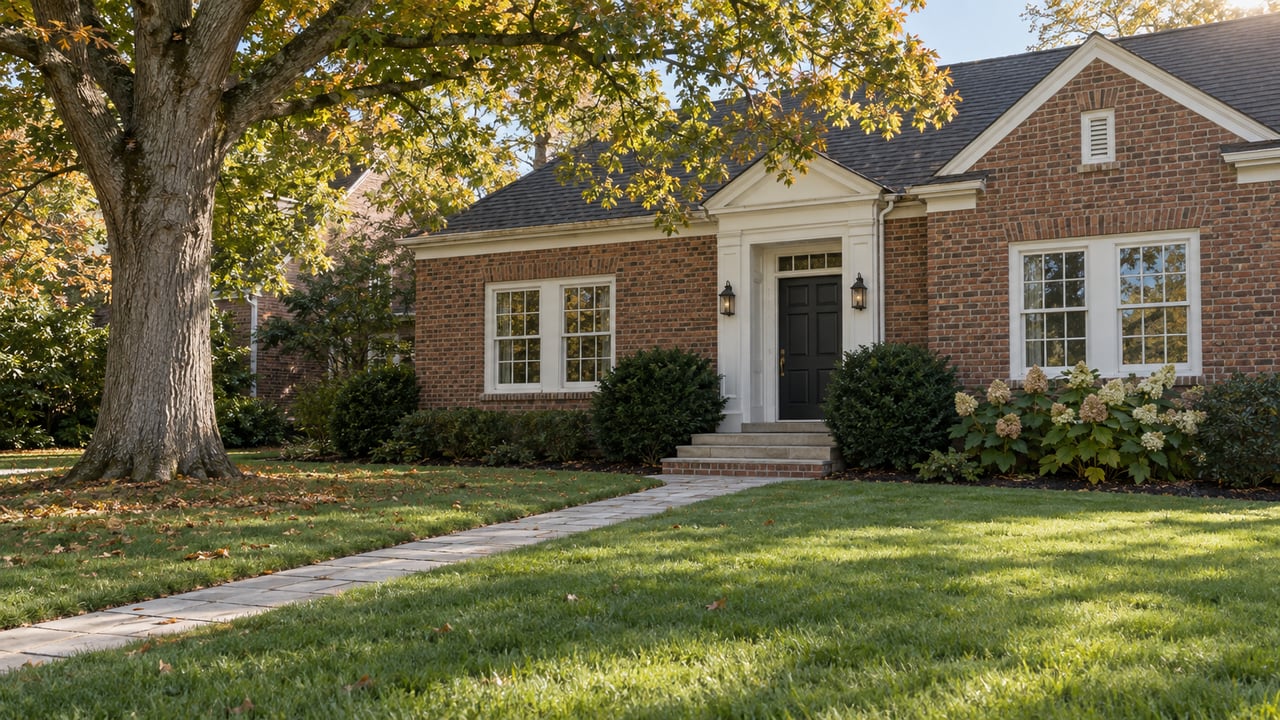
In newer neighborhoods, the construction eras skew 1990s to 2020s. Floor plans often feature open kitchens, first-floor primary suites, and finished basements that flex for work, hobbies, or guests. Architectural styles range from classic traditional to modern-traditional custom, guided by community design standards or architectural review boards.
Maintenance and ownership costs
Older Village homes can carry extra maintenance. Common issues include aging electrical panels, older plumbing, limited insulation, and historic finishes that can require specialized care. These aren’t dealbreakers if you plan ahead. They simply call for thorough inspections and realistic budgeting.
A helpful planning rule puts annual maintenance at around 1 percent of a home’s value for newer properties, with older homes often running 1.5 to 3 percent depending on systems age and deferred work. That range, outlined in industry guidance on annual home maintenance costs, can keep your long-term plan grounded.
Newer construction often reduces near-term surprises because roofs, HVAC, and major systems are newer and sometimes under builder warranty. In exchange, you’ll likely have HOA or club dues to support amenities and shared landscaping. Review fee schedules and scopes during your due diligence so you know what’s covered and what’s not.
Rules, HOAs, and design controls
Renovation or exterior changes should always start with the rules. Zionsville’s Planning & Building Department oversees zoning and plan review that shape what can be built or modified. In the Village, preservation context can influence materials or design for commercial structures, and residential updates still go through normal permitting.
In master-planned communities, HOAs and architectural review boards often guide exterior finishes, fencing, and accessory structures. Local builder and neighborhood pages, such as Old Town Design Group’s lot details, provide examples of how ARB standards keep a consistent look and feel. Before you fall in love with a plan, confirm any restrictions that could affect your project.
Commute and daily travel
Driving is the norm for most residents. The typical drive from central Zionsville to downtown Indianapolis runs about 25 to 30 minutes, according to Travelmath’s drive-time estimates. Access to US-421, I-465, and I-65 helps keep regional trips straightforward.
Public transit options are limited and slower than driving. Northside routes reach toward the Zionsville corridor, but most locals plan for a car commute, as noted in area guides like Apartments.com’s local overview. Village residents may save time on errands by walking, while some luxury subdivisions sit farther from Main Street and can add a few minutes to local trips.
Pricing reality in early 2026
Zionsville’s overall market sits above many Indianapolis suburbs, with typical home values in the mid to high $600,000s as of early 2026 based on widely reported market snapshots. Within town, micro-markets vary.
Village examples show a broad spread tied to lot, condition, and renovation level. You can find smaller historic cottages that start near the low $400,000s, thoughtfully updated homes near $700,000 to $900,000, and larger or recently renovated properties that top $1 million. As always, precise pricing depends on the block, square footage, and finish level.
Across newer neighborhoods, mid-range subdivisions often run from about $450,000 to $900,000 for well-appointed homes. Well-known communities like Austin Oaks and similar pockets frequently show many listings around the $700,000 to $925,000 range. Luxury master-planned enclaves, including golf and estate settings, commonly range from $1 million to $3 million-plus for showcase builds and large lots.
Treat these figures as representative snapshots rather than hard ceilings. Inventory and seasonality shift quickly. If you are targeting a specific neighborhood, recent comps within the last 90 days will tell the clearest story.
Quick decision checklist
Use this simple match-up to clarify your best fit:
- Choose the Village if you want day-to-day walkability, small-lot charm, and cultural energy around Main Street. Expect smaller yards and possible system upgrades. Explore the spirit of the area at Main Street Zionsville.
- Choose newer neighborhoods if you want modern layouts, newer systems, and community amenities. Expect HOA or club dues and car-based errands. Builder and lot pages, like these examples, show typical design standards.
- Choose newer or recently built homes if you want lower near-term maintenance and predictable mechanical timelines. Use the 1 to 3 percent rule from maintenance budgeting guidance to plan ahead.
- Choose larger-lot or estate settings on the town’s edges if privacy and space top your list. A quick visual of neighborhoods across Zionsville on this map can help you scout options to explore in person.
How we help you choose with confidence
When you compare a 100-year-old charmer with a 5-year-old home, the right choice often comes down to total cost and fit. Our team pairs valuation skill with construction savvy to help you see the full picture. We pressure-test price with recent comps, flag likely inspection items before you offer, and review HOA covenants and design rules that could affect your plans.
If you are aiming to renovate, we can help you prioritize upgrades that move the needle on value. If you are weighing two strong options, we will model ownership costs side by side so you can decide with both your heart and your head.
Ready to narrow your search in Zionsville? Reach out to VIP Home Client LLC for a tailored plan, local comps, and a confident next step.
FAQs
What is the main lifestyle difference between Zionsville’s Village and newer subdivisions?
- The Village offers walkable access to shops and dining near Main Street, while newer subdivisions trade walkability for larger homes, amenities, and car-based errands supported by nearby highways.
How walkable is the Village compared to outlying areas?
- Village addresses often score in the Very Walkable range on Walk Score, while representative outlying addresses can fall in the Car-Dependent range, as seen with examples like Hal Sharpe Rd.
What maintenance costs should I expect for an older Village home?
- Plan for 1.5 to 3 percent of home value annually depending on systems and deferred work, while newer homes often track closer to 1 percent, per industry budgeting guidance.
How do HOAs and ARBs affect homes in newer neighborhoods?
- Many master-planned communities use HOAs and architectural review boards to guide exterior materials and changes; confirm rules and fees early using town resources like Zionsville Planning & Building and community documents.
How long is the commute from Zionsville to downtown Indianapolis?
- Typical drive times from central Zionsville are about 25 to 30 minutes under normal conditions, based on Travelmath estimates.
Are there newer homes close to the Village?
- Yes, the Village includes a mix of eras, including some infill and more recent builds, but lot sizes and availability vary block by block; plan to watch inventory closely and compare recent comps in your target micro-area.